
140. Taxila Museum: Treasure Trove of the Gandhara Civilization
Pakistan is home to some of the earliest civilizations in human history. Indus valley civilization is contemporary to Egyptian and Mesopotamian civilizations. Tens of sites, related to the Indus Valley Civilization, have been excavated or identified. Its two big centres are Harappa in Punjab and Mohenjodaro in Sindh. This great civilization flourished for two thousand years from 3300 to 1300 BC and after that due to unknown reasons it declined. After this, the next great civilization that rose to prominence in this region was a little north in the Gandhara region. The area of influence of this civilization was from Rawalpindi to Peshawar in Pakistan and beyond up to Kabul in Afghanistan.
In Pakistan, Taxila is the most prominent place associated with this civilization. It has more than a dozen sites that have significant religious, historic and architectural value. This civilization developed with the combined influence of Parthians, Indians, Greeks and Kushans, etc. Its unique art and architecture are famous all over the world for its beauty and architecture. Its fame as the centre of Buddhist teachings and learnings spread far and wide and visitors as far away as China came here to learn the teachings of Buddha.
Excavation in Taxila
started in 1917 underJohn Marshall, then
director of the Archaeological Survey of India and great treasures were found
in the shape of a wide range of antiquities of great archaeological and
historic values. This process is still continuous and many sites still remained
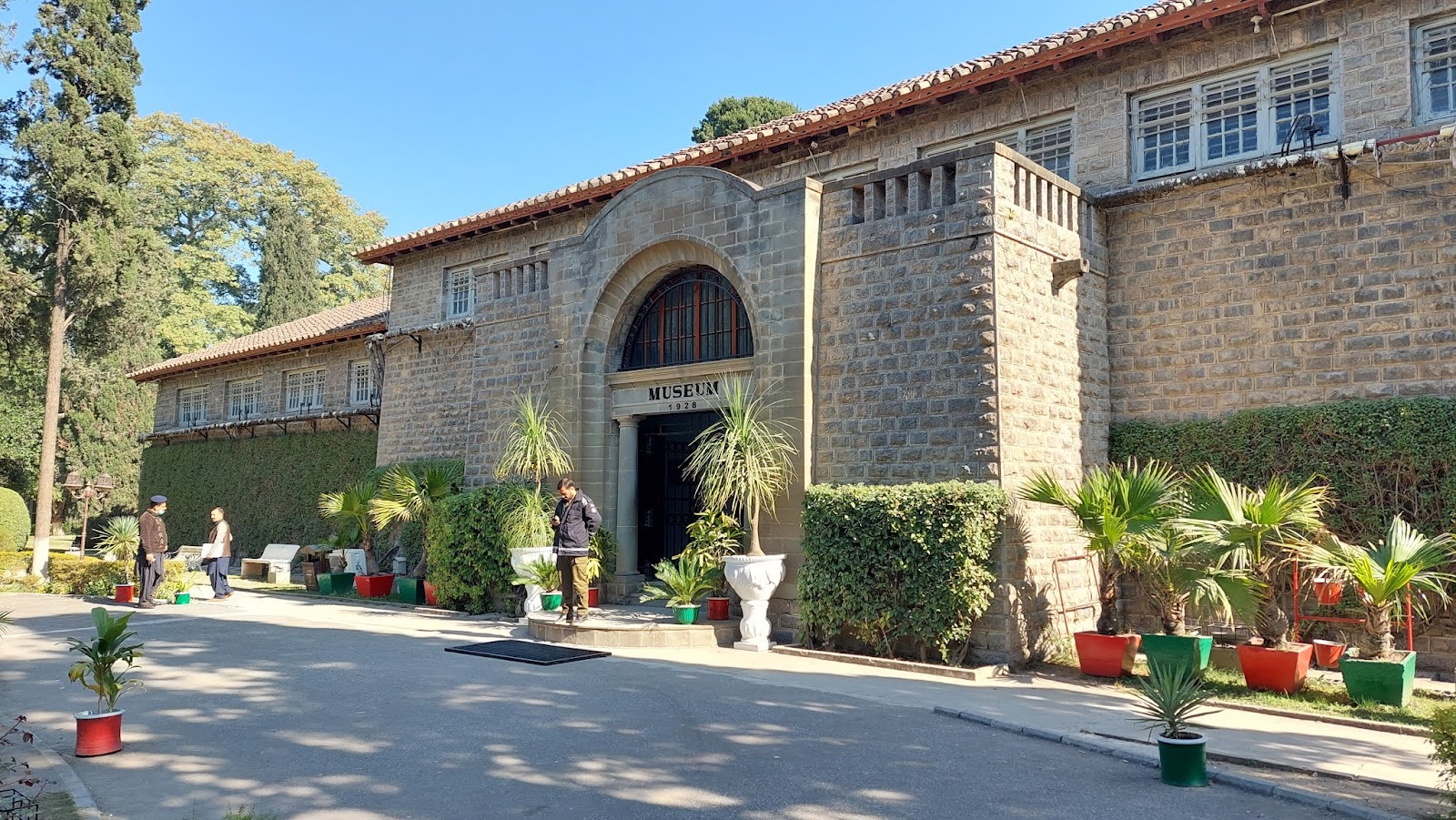
to be excavated. To properly display these valuable discoveries a beautiful
Museum was constructed. Its foundation was laid by the viceroy of India Lord
Chelmsford in 1918 and it was completed in 1928. It was inaugurated by Sir
Muhammad Habibullah, an educationist, politcian and administrator. In 1998 it
was expanded to add additional space. The museum is located at
33°44’46.6″N, 72°49’08.0″E. Its stone building is beautifully constructed and a large number of artifacts of great historic and religious value are on display.
It was my second visit to Taxila Museum, on 23 November 2021, the first being many years ago on 25 September 1995. Now let us enter the museum and enjoy its marvellous collection of antiquities.

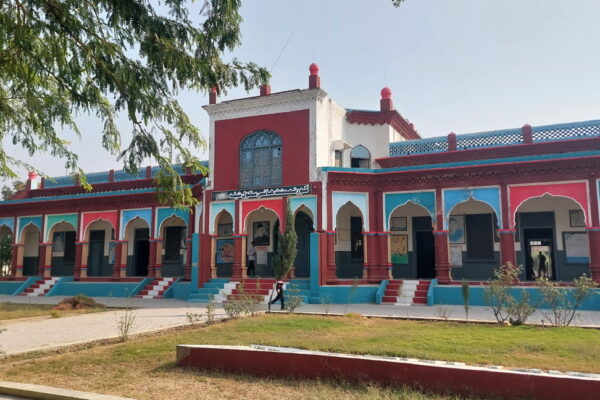
The main entrance. (23.11.2021.)

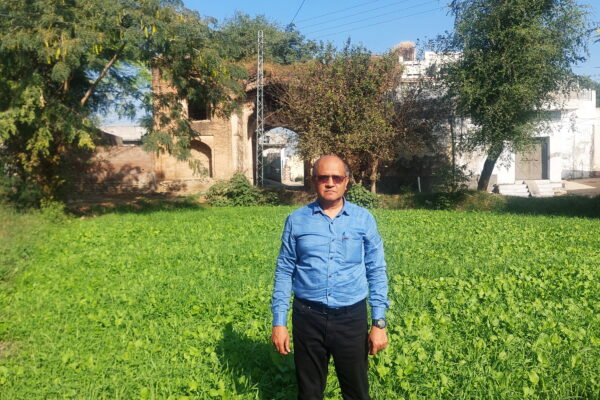
The writer. (23.11.2021.)

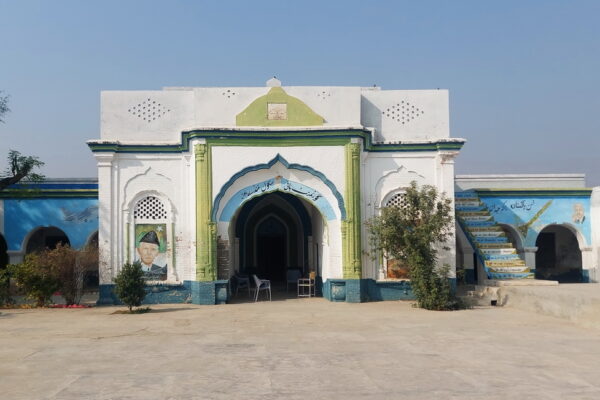
The backside.

آثار ٹیکسلا کی مختصر تاریخ
سرجان مارشل سربراہ محکمہ آثار
قدیمہ کی سرکردگی میں 1913 سے 1934 تک ٹیکسلا یا ٹکشہ شلا کی کھدائی کے دوران تین
قدیم شہر اور دودرجن سے زیادہ بدھ مت کی عبادگاہیں اور خانقاہیں برآمد ہوئیں۔ سب
سے قدیم اور پہلا شہر بھِڑ ک نام سے مشہور ہے، جو عجائب خانہ سے جنوب مشرق کی طرف
تقریبا ایک فرلانگ کے فاصلے پر واقع ہے۔ یہ شہر ساتویں صدی قبل مسیح سے دوسری صدی
بعد مسیح تک آباد رہا۔ ابتدائی ایام میں اس شہر کوہخامنشیوں نے نے فتح کیا اور حکومت
کرتے رہے۔ یہ وہی جگہ ہے، جہاں 326 ق م راجہ امبھی والئی ٹیکسلا نے سکندر اعظم کی
نہایت دریا دلی سے خاطر مدارت کی۔ چار سال بعد چندر گپت موریہ نے یونانی افواج کو
دریائے سندھ کے پار بھگا کر ٹیکسلا اورپنجاب کی دیگر ریاستوں کو اپنی سلطنت میں
شامل کرلیا۔ 232 ق م میں اشوک کی وفات کے بعد موریہ سلطنت کا شیرازہ بکھر گیا اور
190 ق م کے قریب باختری یونانیوں نے وادی کابل، پنجاب اور سندھ کے علاقوں کو فتح
کرکے ٹٰیکسلا کو اپنا دارالحکومت بنایا۔ کچھ عرصہ بعد باختری یونانیوں نے اس شہر
کو چھوڑ کرتمرہ نالہ کے بالمقابل ایک دوسرے شہر کی بنیاد رکھی، جسے سرکپ کے نام سے
پکارا گیا۔ جودوسری صدی بعد مسیح تک یکے بعد دیگرے باختری یونانیوں، شاکا، پہلوی
اور کُشان بادشاہوں کے زیر اثر رہا۔ ویم کیڈ
فائیسس نے جو
کہ سلطنت کُشان
کا دوسرا بادشاہ
تھا، سرکپ چھوڑ
کر ایک تیسرا
شہر شمال مشرق
میں دو میل
دور لنڈی نالے
کے پار بسایا
جسے سر سکھ
کا نام دیا
گیا۔ یہ شہر
شاہان کشان کے
زیر اثر پانچویں
صدی بعد از
مسیح تک آباد
رہا اور بالآخر
سفید ہن 455
عیسوی کے اواخر میں
ایک بڑے لاؤ
لشکر کے ساتھ
ہندوستان پر حملہ
آور ہوئے اور
دوسرے شہروں کی طرح
ٹیکسلا کو بھی
تاخت و تاراج
کردیا۔ اس حملہ
کے بعد ٹیکسلا پھر کبھی نہ پنپ
سکا۔
چینی سیاح
ہیون سانگ جب ساتویں
صدی عیسوی میں
یہاں آیا تو
اس نے دیکھا
کہ ٹیکسلا سلطنت
کشمیر کا ایک
صوبہ بن چکا
ہے اور عبادت
گاہیں وغیرہ تباہ
و برباد ہوچکی
ہیں۔مندرجہ بالا
تین قدیم شہروں
کے علاوہ مندرجہ
ذیل عبادت گاہیں اور
خانقاہیں بھی دیکھنے
سے تعلق رکھتی
ہیں1.
دھرماراجیکا
استوپ ّ(پہلی صدی
عیسوی سے پانچویں
صدی عیسوی تک)
یہ استوپ عجائب
خانہ کے جنو
مشرق میں تقریبإٍ
ٍٍدو میل کے
فاصلے پر ایک
سطح مرتفع پر
واقع ہے۔ کھدائی
کے دوران پتھر
اور چونے کے
بت اور قدیم
تحریریں برآمد ہوئی
ہیں۔2.
جنڈیال مندر۔
یہ مندر سرپ
شہر کی شمال
کی طرف ہے اور
ا س کو
غالبا یونایوں نے
تعمیر کرایا تھا،
جو یہاں آنےسے قبل
آتش پرست تھے۔3.
موہڑامرادو کی
عبادت گاہ اور
خانقاہ (دوسری صدی
عیسوی سے پانچویں
صدی عیسوی تک) موہڑامرادو کی
عمارات آثار سر سکھ سے
تقریبا ایک میل
جنوب مشرق کو
موضع موہڑا مرادو
کے عقب میں
ایک چھوٹے سے
درے میں واقع ہیں۔ کھدائی
کے دوران بے
شمار گوتم بدھ
کے مجسمے برآمد ہوئے
ہیں۔4.
آثار جولیاں
(دوسری صدی عیسوی
سے پانچویں صدی
عیسوی تک) جولیاں
کی عمارات نسبتا
زیادہ آراستہ اور
بہتر حالت میں
ہیں۔ یہ عجائب
خانہ سے شمال
مشرق میں4 ¼ کے فاصلے پر ایک اونچی پہاڑی ، جس کی بلندی
تقریبا 300 فٹ ہے، واقع ہے۔5.
آثار کلاوان (پہلی صدی
عیسوی سے پانچویں
صدی عیسوی تک) یہ دھرماراجیکا استوپ سے شمال کی طرف تقریبا 1 ½ میل کے فاصلہ پر واقع ہیں۔ان کے علاوہ مندرجہ ذیل آثار بھی
قابل ذکر ہیںگری، بھامالا، پپلاں، بادل پور،
رتہ پنڈ، لال چک، باجراں، بھلڑا استوپ، کنالا استوپ، قادر موہڑا اور اخوری وغیرہ
جو زیادہ تر دوسری صدی عیسوی سے پانچویں صدی عیسوی تک تعمیر کیے گئے۔

A Short History of the Remains at Taxila
The excavations at Takshasila or Taxila conducted by Sir John
Marshall, between the years 1913-34, have unearthed the remains of three cities
and over two dozens of Stupas and Monasteries. The most ancient city stands on
a small plateau called Bhir Mound. It flourished from the 7th
century BC, to the beginning of the 2nd century BC. In its early
days the city was conquered by Achaemenians and a Persian Satrap resided here. It
was also here that the Hindu king Ambhi played host to Alexander the Great in
326 BC. Four years later, the Macedonian garrisons were ousted by Chandra Gupta
Maurya and city passed under the dominion of the Mauryan Emperors. It remained an
important and integral part of the Mauryan Empire till the death of Asoka the
Great in 232 BC. In about 190 BC, Demetrios the Bactrian King, conquered the
North-West of the Indo-Pakistan subcontinent and made Taxila his capital. The Greeks
however founded a new city on the opposite bank of the Tamra nala, about a mile
to the North-East of Bhir Mound. This second city, now called Sirkap,
flourished till the 2nd century AC, and was ruled successively by the
Greeks, the Scythians, the Parthians and the Kushans. The city was shifted once
again by the Kushans under Vima Kadphises, this time further North-East on the
northern side of the Lundin nala, about two miles from Sirkap. This third and
the last city of Taxila, now known as Sirsukh flourished till the middle of the
5th century AC, when it was destroyed by the white Huns. Taxila did
not survive this disaster.The Chinese pilgrim Hsuan Tsang visited the city in the 7th
century AC, only to find it a dependency of Kashmir and most of its monuments
in ruins.Besides these three cities of Taxila, the following
stupas and monasteries in the Taxila area deserve special mention.1. Dharmarajika Stupa(From the 1st
to the 5th century AC) is conspicuously situated in the southern
half of the valley. A number of interesting stone and stucco sculptures and
inscriptions have been found.2. Jandial Temple (dedicated
to fire worship) lies opposite the north gate of the city of Sirkap. It was
perhaps built by the Greeks, who before coming to this part of the world had
adopted Zoroastriansim. Close to the temple on the west are three Buddhist
stupas and monasteries.3. Mohra Moradu Stupa and
Monastery (From the 2nd to the 5th century AC) are
situated in glen at the back of Mohra Moradu village about three and half miles
from the museum. The remains have yielded a wealth of sculptures. The only
stupa which is complete in every detail, has also been found on this site.4. Jaulian (From the 2nd
to the 5th century AC), the best preserved monastery, with a group
of stupas, is situated on a hill top about three hundred feet high and some 4 ¼
miles from the museum. It is very rich in stucco figures which decorated the
stupas and monasteries.5. Kalawan (From the
1st to the 5th century AC) is situated on the northern
slope of Margalla range, due south of Dharmarajika supa. The group of
monasteries has yielded some of the typical specimen of stucco, terracotta and
stone sculptures, which are superior in style to those found at other sites in
the valley.Some of the
other remains excavated at Taxila are:-6. 6. Giri 7. Bhamala 8. Pippla 9. Badalpur
10. Ratta Pind 11. Lal Chak 12. Bajran
13. Bhallar Tope 14. Kunala Stupa
and Monastery 15. Khader Mohra 16.
Akhauri etc. Most of them date from the 2nd to the 5th
century AC.

The only stupa that is complete in every detail has been found at Mohra Moradu.
The museum has an impressive collection of statues and artifacts excavated from different sites in and around Taxila. The most significant of them are the statues of Buddha, having great religious and historic value.

Figure of Buddha in the Attitude of Preaching and Meditation, Mohra Moradu.
4th – 5th Cent. AD


Buddha seated in the attitude of Meditation, with other attendants.
The figure in the right-hand back corner is the Vajrapani. He carries a fly whisk (chauri) corresponding one on the left.
Jaulian, 4th – 5th Cent. AD

Buddha in the attitude of meditation. Jaulian, 4th – 5th Cent. AD


Buddha in the reassurance pose. The man with the pointed cap is probably the dancer, along with his wife on his left. Jaulian, 4th – 5th Cent. AD

Seated Buddha.

Buddha in a Reassuring pose. Dhamarajika, 2nd – 3rd Cent. AD.


Buddha Head. Jaulian, 2nd – 4th Cent AD.
In the following pictures, you can see the interior of the museum. The gallery has three wings, and the roof and interior are beautifully constructed and decorated with woodwork. The hall has ventilators/windows near the roof, and the light coming through them creates reflections on the glass, which can make it difficult to photograph the artifacts on display.


There are dozens of small heads of the statues excavated from the different sites. The remaining parts of the statues can still be seen at their original locations, e.g. Mohra Moradu, Jaulian, etc.


Showing different phases of Buddha’s life, including his death and cremation.

Aphrodite. Dharmarajika, 1st Cent. AD.


Tariq Amir (23.11.2021.)

Syed Hassan Abbas. (23.11.2021.)

One of the museum’s most prominent artifacts, a stupa discovered at Mohra Moradu.


Iron cart with spoked wheels.


It would be unfair if I do not write a few words about the beautiful garden at the backside of the museum. The garden over an area of one acre is well planned and well maintained. And is a testament to the aesthetic sense and work of the administration and the gardeners.

Beautiful garden of the museum.


Another view of the garden.

Buddha Tree.

بودہی درخت کی پھوٹ
پیپل کا یہ درخت بودھ گیا میں ، اس مقدس درخت کی پھوٹ ہے، جس کے نیچے بیٹھ کر مہاتما بدھ نے نروان
حاصل کیا تھا۔ دوسری صدی قبل مسیح میں شہنشاہ اشوک کی لڑکی سنگھا متا اصل درخت کی ایک
پھوٹ بدھ گیا سےاپنے ساتھ سیلون لے گئی تھی۔ جہاں انورادھ پور کے شہر میں یہ پودا
پروان چڑھتا رہا۔ دسمبر 1963 میں جب عزت مآب فیلڈ مارشل محمد ایوب خان صدر پاکستان
سیلون کے دورے پر گئے تو سیلون کے وزیراعظم نے ان کو مقدس درخت کی ایک پھوٹ بطور
تحفہ دی۔ ٹیکسلا عجائب گھر کے باغیچہ میں یہ پودا عزت مآب جناب ذوالفقار علی بھٹو وزیر خارجہ پاکستان نے مورخہ 25 جنوری 1964 کو
اپنے ہاتھ سے لگایا۔
Bodhi Tree
This Bo sapling is a lineal descendant of the actual Bo
tree at Bodh Gaya under which Lord Buddha attained enlightenment. A shoot of
this sacred tree was brought to Ceylon in the 2nd century BC, by
Singhamitta, the daughter of Emperor Asoka and was planted at Anuradha Pura. A shoot
from this tree was gifted by the Ceylonese prime minister to Field Marshall Mohammad
Ayub Khan the president of Pakistan during his state visit of Ceylon in December
1963. The sapling was planted here by the foreign minister of Pakistan Mr.
Zulfiqar Ali Bhutto on the 25th January 1964.

Peace Bell
This beautiful museum is a must-see for history enthusiasts, particularly those interested in old civilizations like Gandhara. Even for those not having much interest in history and archaeology, a trip to this museum will be a memorable experience. And definitely, the followers of Buddhism have much greater significance and importance for the relics and artifacts on display.
Tariq Amir
December 7, 2021.
Lilla, Jhelum.
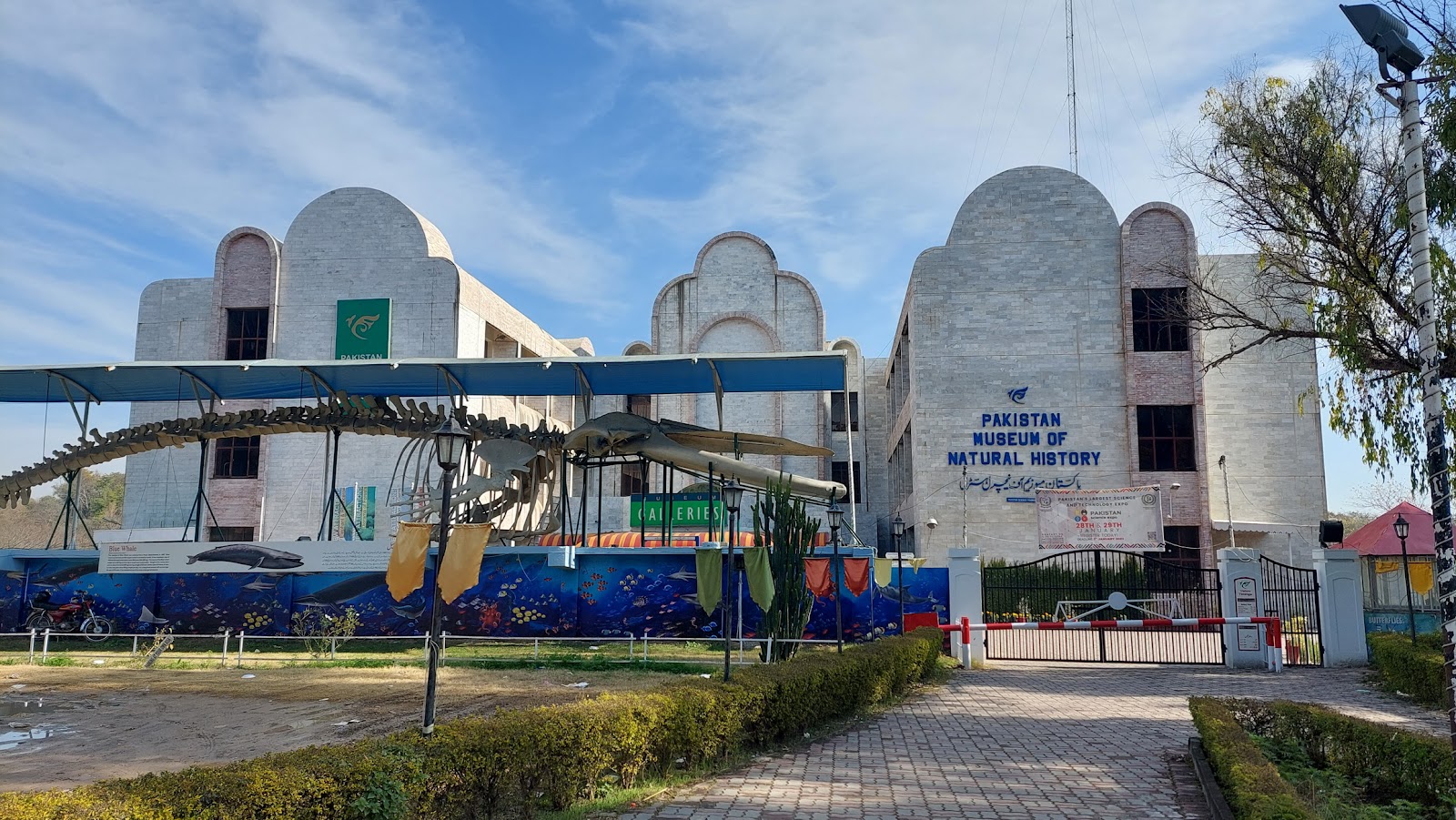
154. Pakistan Museum of Natural History – Islamabad
155. Heritage Museum Islamabad (Lok Virsa)
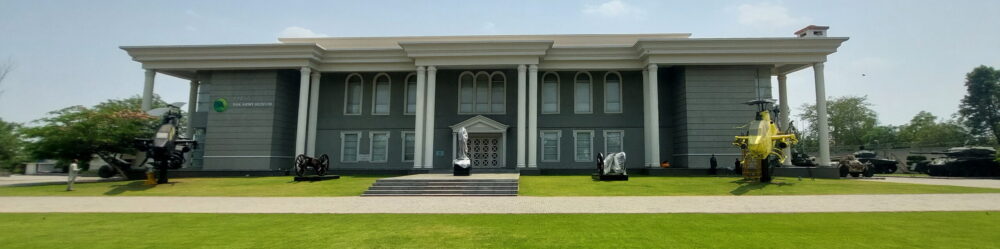
173. Pakistan Army Museum: Rawalpindi!