
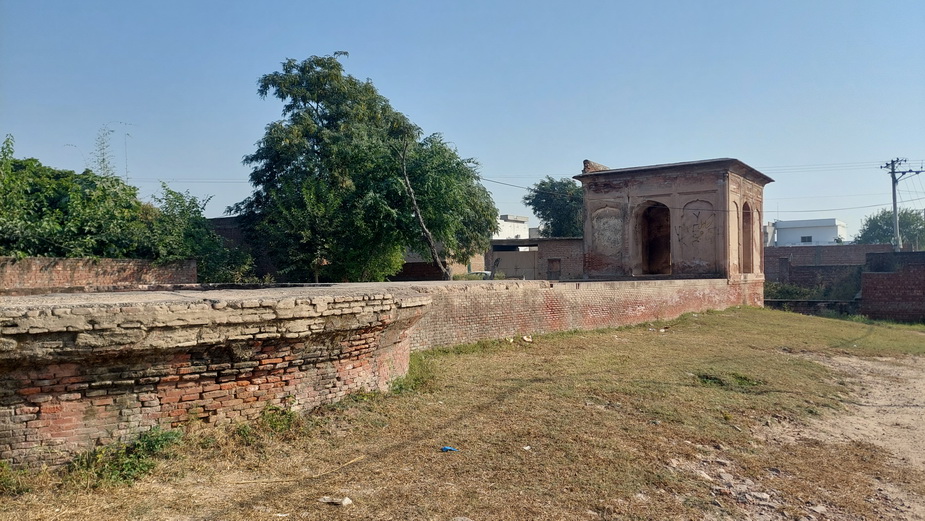
209. A Historic Baoli at Wazirabad.
Baolis, or stepwells, were an integral part of communication, administration, and social life in the past. Almost all major roads in South Asia had baolis along them to facilitate travellers by fulfilling their need for water, as well as that of their animals. The GT Road, being the most important highway in the region, was no exception. In Pakistan, most of the surviving baolis are found near the GT Road. So far, I have visited about twelve baolis. You can find more about them by visiting the Baolis category.
Baoli at Wazirabad
Wazirabad is a historic city on the GT Road, near the banks of the River Chenab. During the Mughal and Sikh periods, it was an important administrative centre and, being situated on the Great Trunk Road, also a major trading and communication hub. To facilitate travellers, a baoli was built near the city. The baoli is located at 32°25′25.53″N, 74°07′39.95″E. It is now in a suburb of Wazirabad, though it actually lies a little over two kilometres southeast of the historic centre of the city, towards the town of Dhonkal, 2 kilometers further to the southeast. Due to its proximity to Dhonkal, some people refer to it as Baoli of Dhonkal as well.
History
The baoli was most probably built in the sixteenth or seventeenth century. Many online sources claim that it was constructed during the reign of Sher Shah Suri (1540–1545), who is well known for reconstructing and renovating the Great Trunk Road. An article published in Dawn on January 24, 2006, mentions this baoli and dates its construction to the period of Sher Shah Suri’s rule. The article, titled “16 Monuments Being Restored”, also refers to it as the Sher Shah Suri Baoli.



Architecture
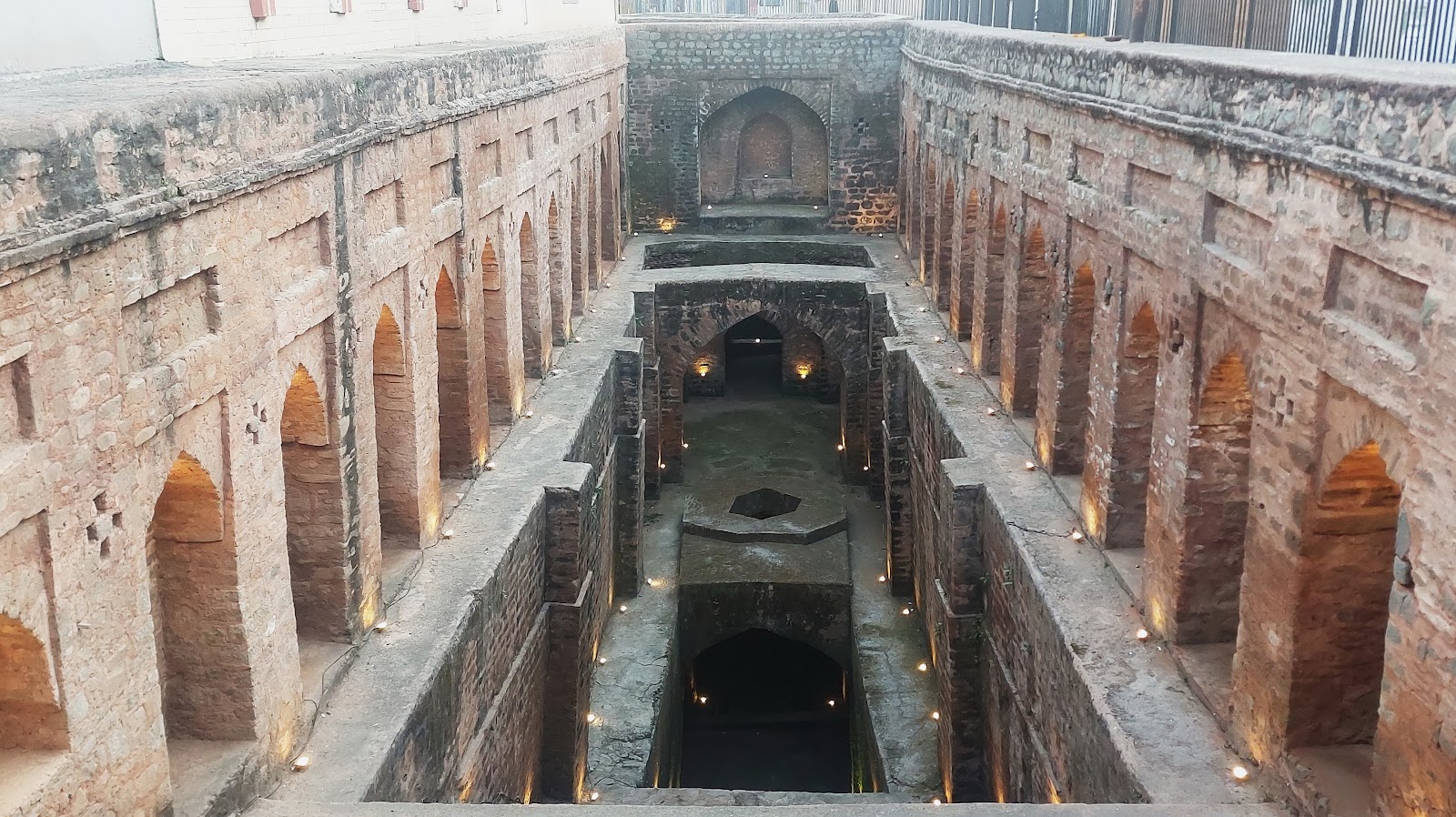
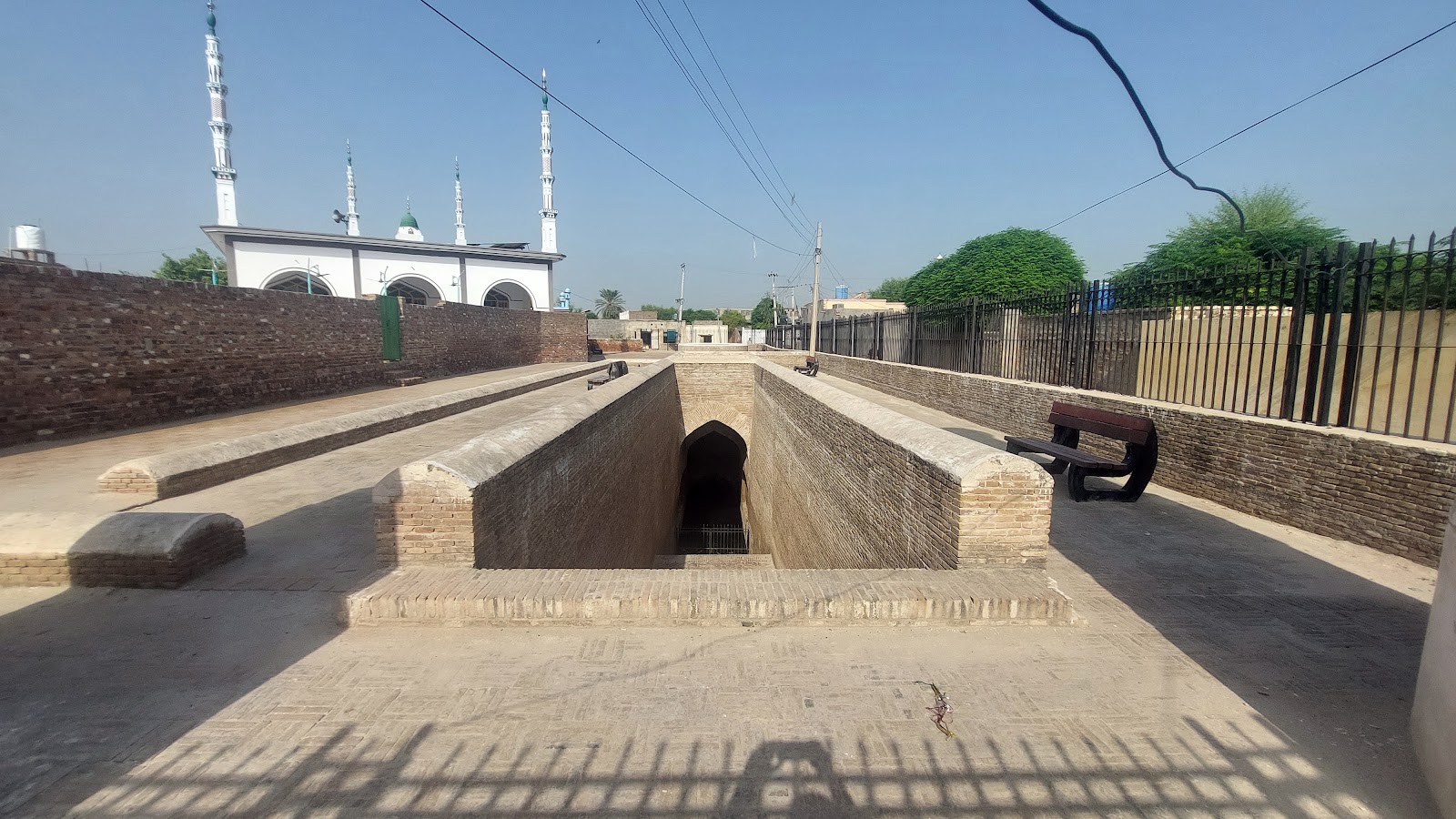
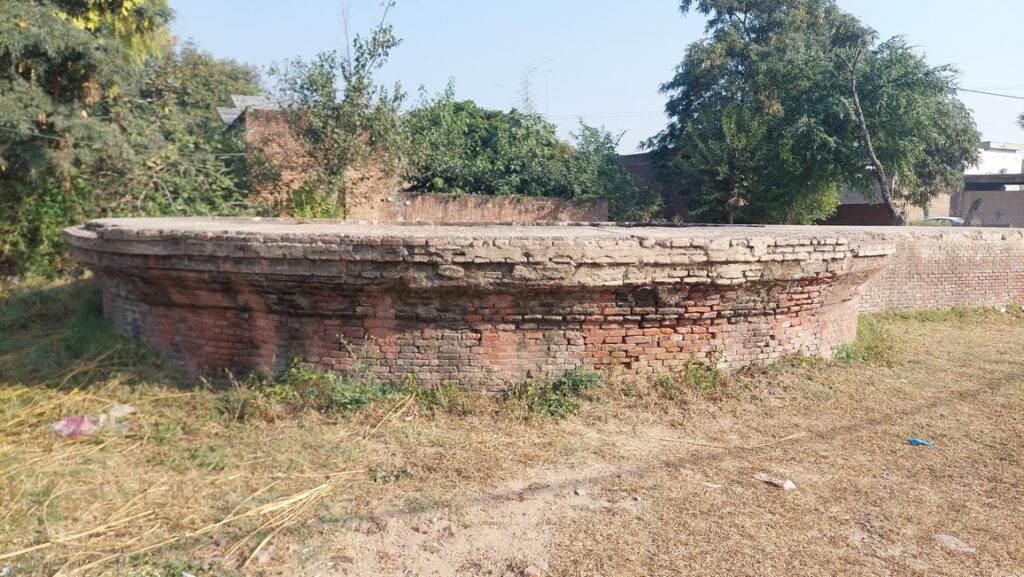
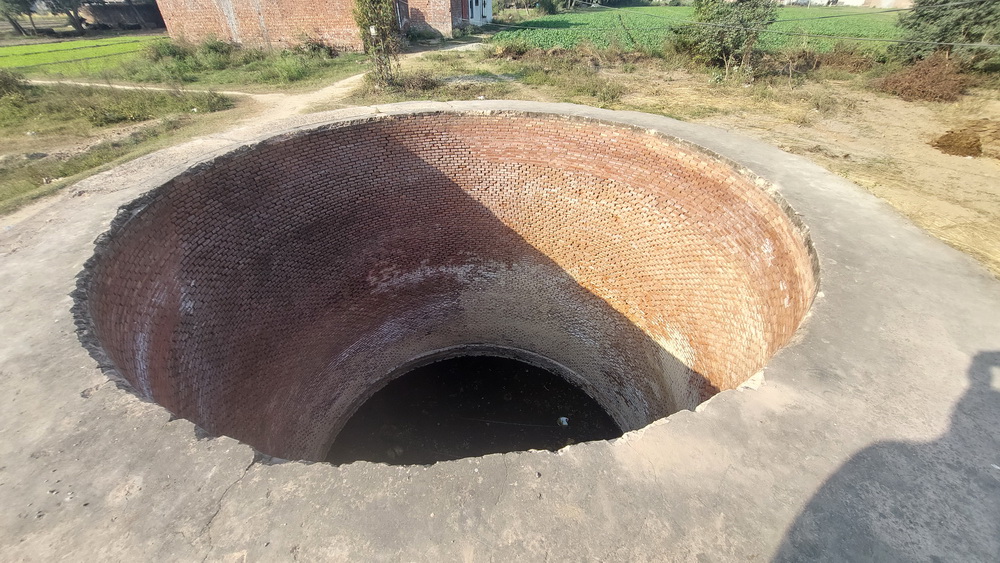
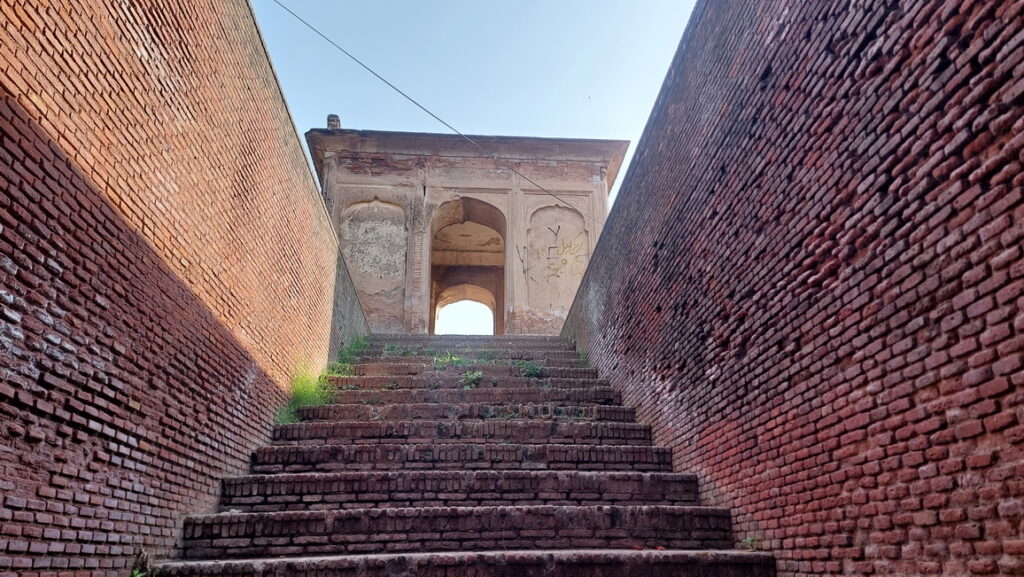
It is a small and simple baoli, which suggests that it was not built near a large serai or major resting place. For comparison, the baoli at Kharian is much larger in size and greater in depth. This baoli is just 22 metres in length, whereas the one at Kharian is considerably larger, with a length of about 56 meters. However, it closely resembles its bigger counterpart and may be described as a miniature version of the baoli at Kharian. I do not exactly remember the number of steps, but there were nearly forty.
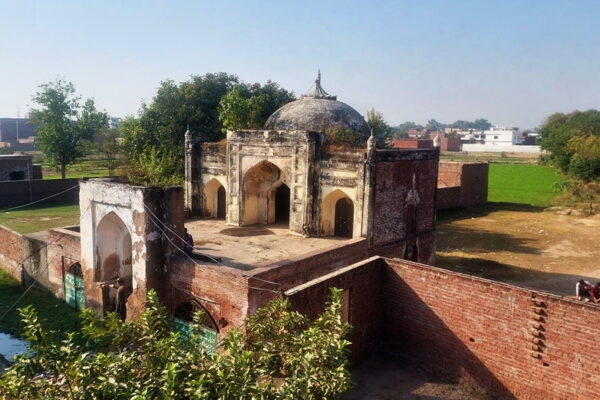
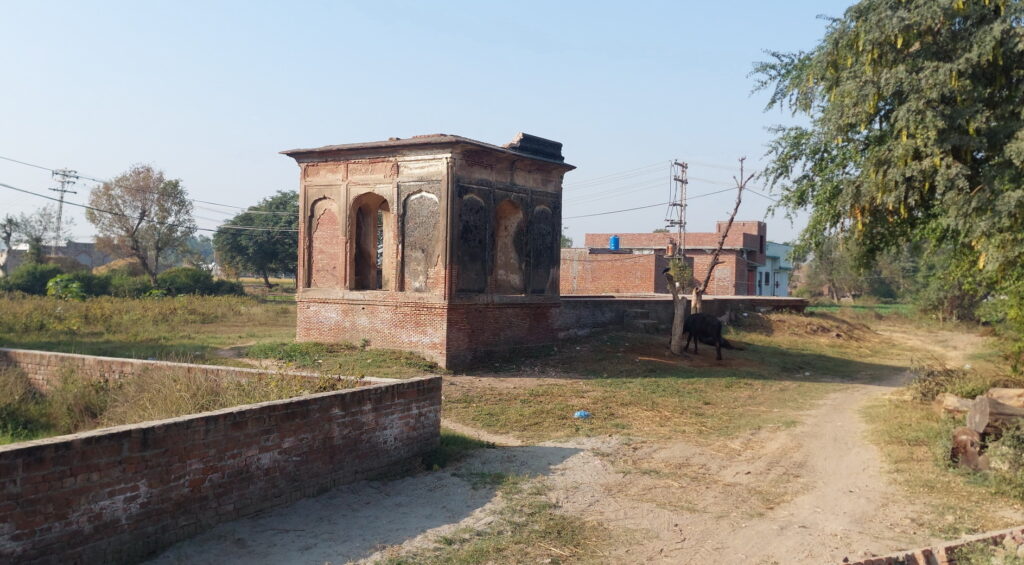
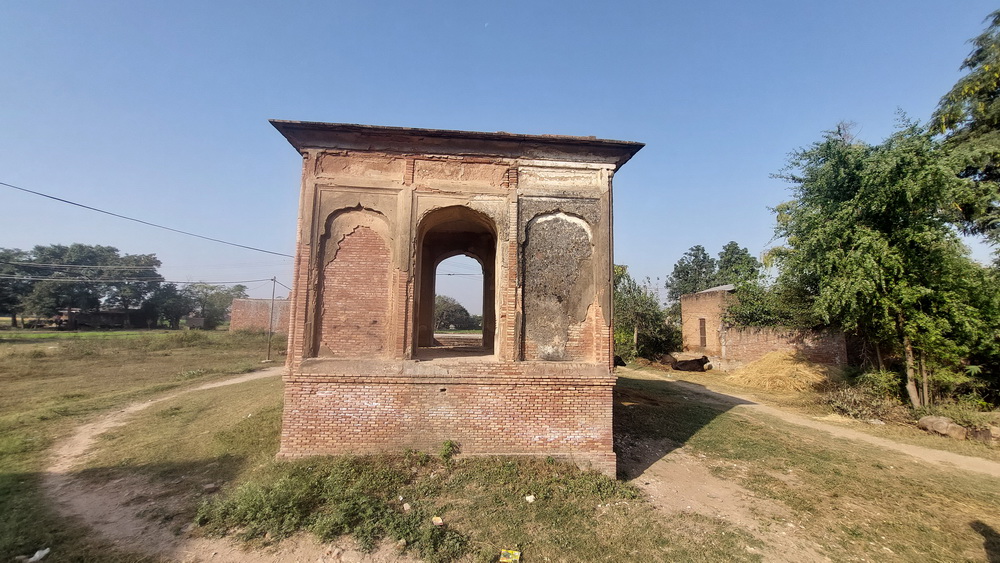
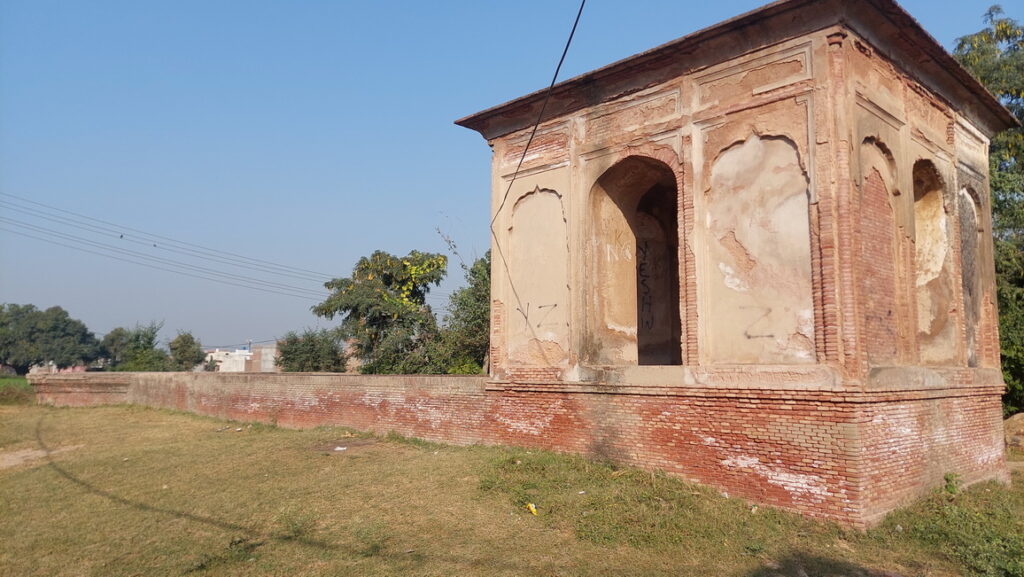
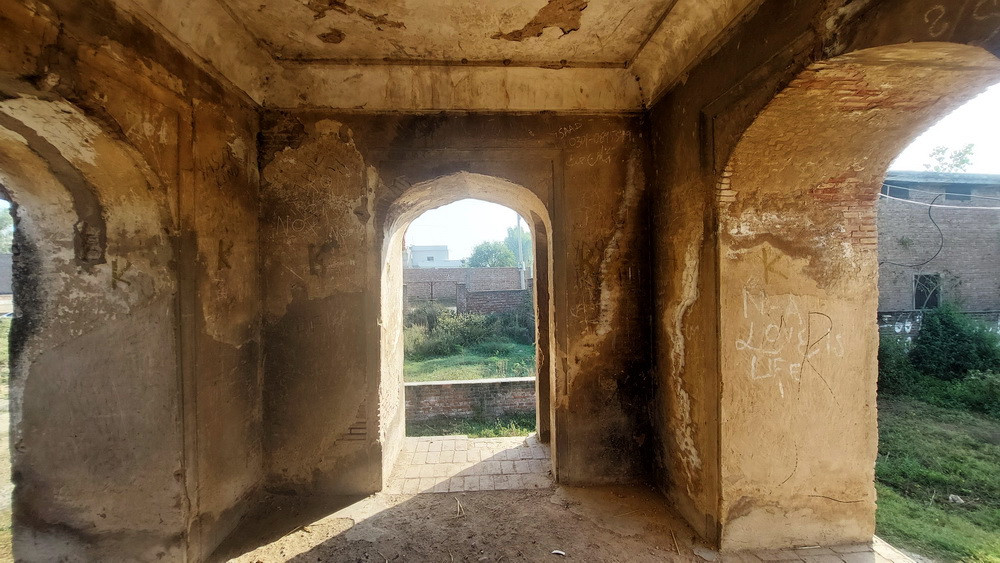
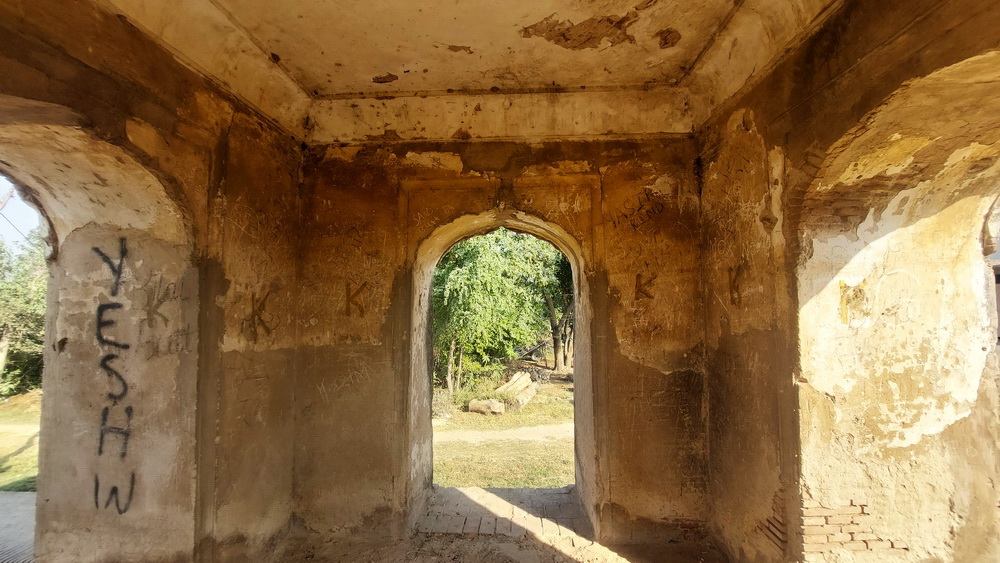
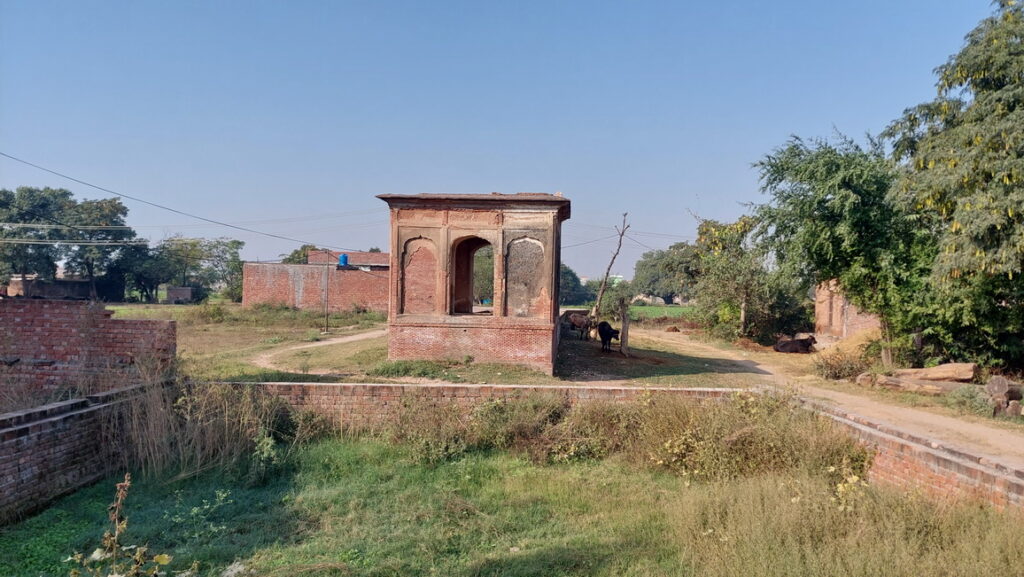
At the starting side of the baoli is a large square room with arched passageways on all four sides. The room is solidly built in the traditional Mughal style and serves as the entrance to the baoli. From this side, stairs lead down to the water table. The stairs are broad and easy to climb.
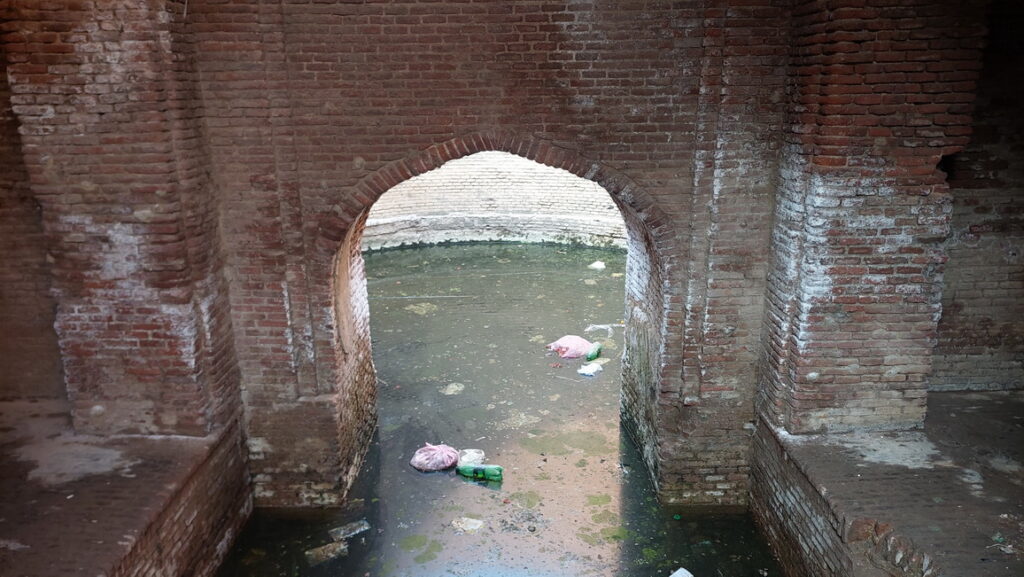
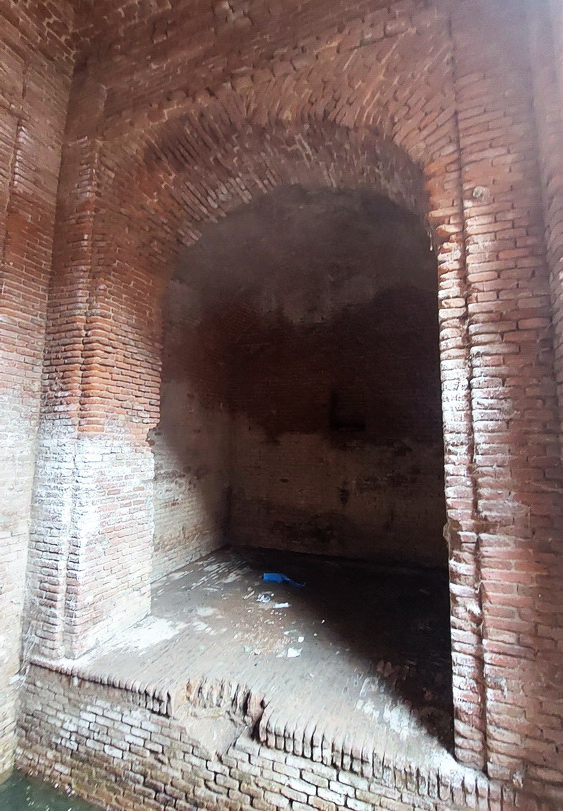
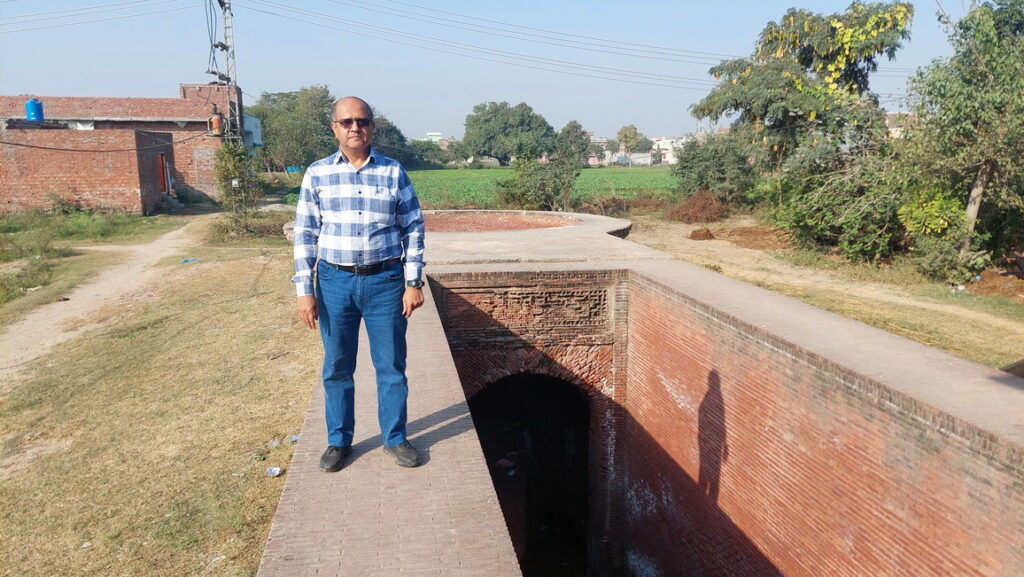
Near the water table, there are two rooms on either side of the stairs. These were probably used for resting during summer or perhaps by caretakers to monitor and regulate visitors. The entire structure is built of small bricks, as was the custom during Mughal times.

A suggestion
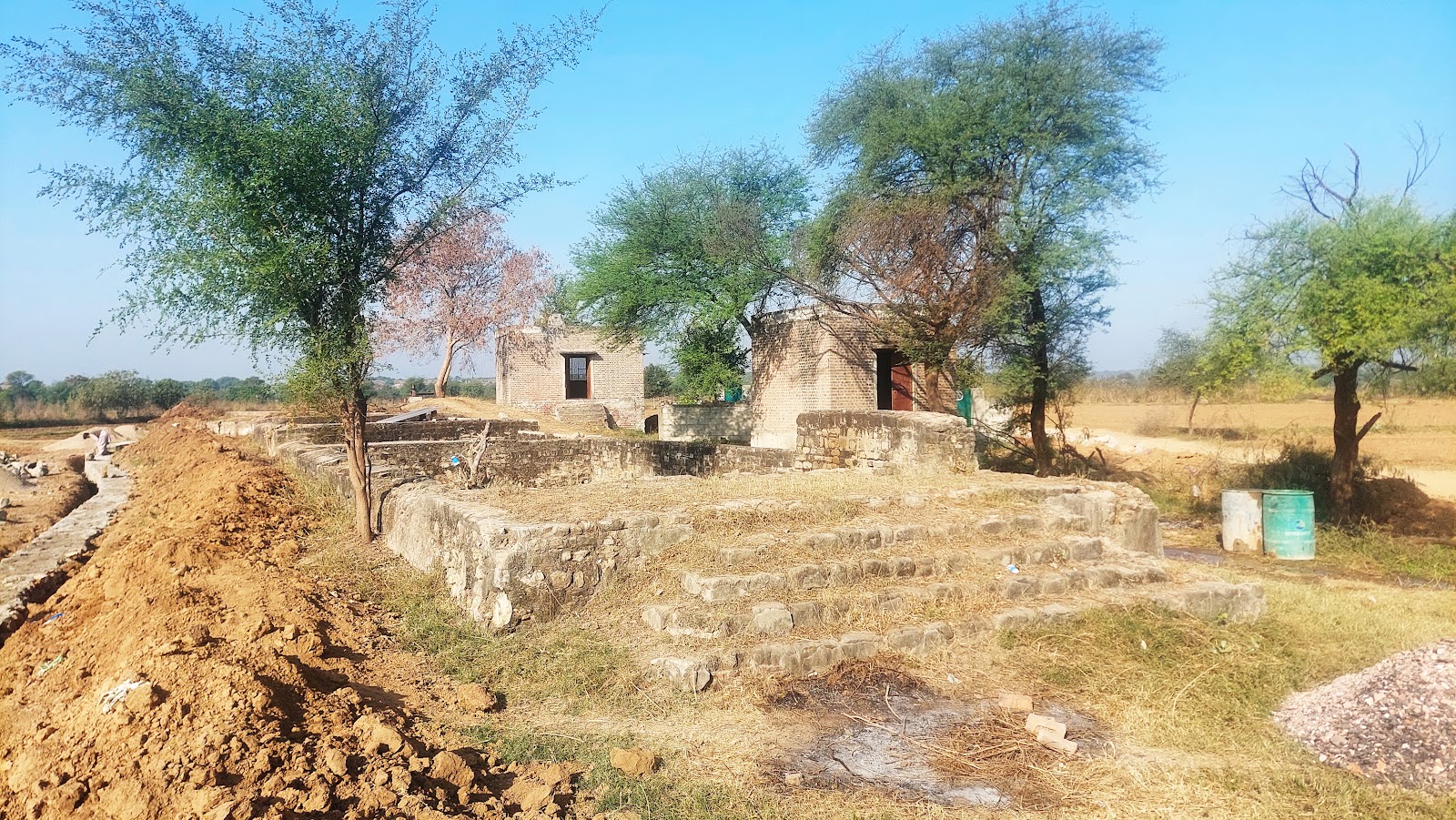
It was good to see that the baoli has been repaired and restored to its original shape. However, I suggest that a boundary wall should also be constructed to protect this historic monument from encroachment. Urbanization has reached this area and may soon engulf it completely. I have seen commendable work at the baolis of Wan Bhachran and Kharian, and the construction of a boundary wall was also in progress during my recent visit to the baoli at Khukha. I am sure the Archaeology or Tourism Department will soon give attention to this suggestion.
Secondly, there is no information board installed by any department declaring it an officially protected monument or explaining its history. I hope that the placement of an authentic information board detailing the history of this baoli would make visits more interesting and educational.
It is a bit tricky to reach this baoli, and Google Maps directions misled us. I am sharing a map below that shows its location and suggests a route to reach it. I hope it will be helpful, I advise you to follow it unless you know a better route.
Tariq Amir
December 17, 2025.
Islamabad
Your message has been sent