
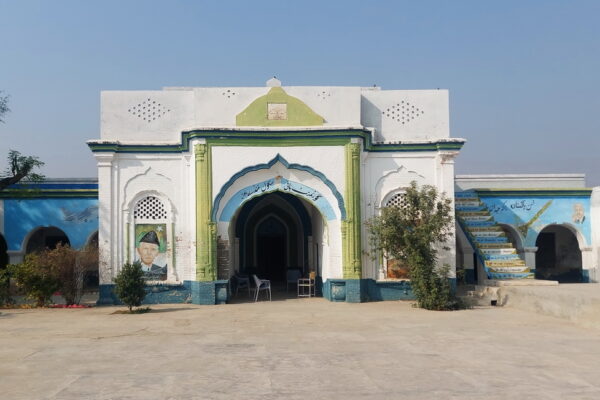
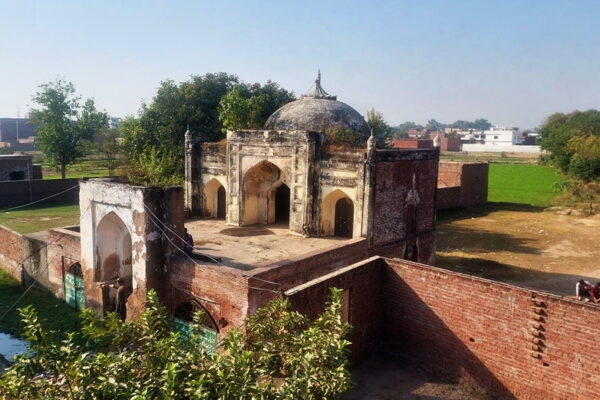

212. Sardar Sahib Mota Singh School, Neela, district Chakwal.
In my previous post, I took you on a tour of a historic school at Munday, Chakwal. That post was about Hira Singh Khalsa School, Munday. On the same day, I also had the opportunity to visit a similar school, which was likewise built by the Sikh community of this area, the High School at Neela. Incidentally, this school too was built around the same time and with the same noble intention of promoting the welfare of the local community, irrespective of religion. It is therefore no coincidence that people with such a noble spirit were close friends and cooperated with each other in this worthy cause. This article is also a tribute to those great visionaries and the spirit they possessed, which helped lay the foundation of an educational system in this area.
Location:
Government High School, Neela is located in Chakwal District, but at the time of its establishment, it was part of Jhelum District. It lies about 34 km northwest of Chakwal city (straight-line distance) and only 4 km west of the Neela–Dullah Interchange on the Islamabad–Lahore Motorway (M2). The geographical coordinates of the school are 33°09′43.73″N, 72°37′05.37″E. The school is situated on the southern edge of the village, almost one kilometre south of the centre of the oldest area of the village. Neela village is located in the plains of the Potohar Plateau, interspersed with small hills. The famous River Soan, often called the cradle of civilization, flows nearby.
History of the school:
This beautiful school was founded by Sardar Mota Singh. It was established in 1925 and was granted the status of a middle school in 1948. It eventually became a high school in 1957. Since its inception a century ago, it has served not only the children of Neela but has also catered to the needs of the adjoining villages. It has maintained excellent educational facilities for its students and has indeed been a beacon of light in this area. During the last century, it has educated a countless number of students.
However, it is disappointing to note that, despite the growing needs of the area and the increasing number of students, the school has not been expanded during all this time. Only a few rooms have been newly constructed for administrative purposes. Nevertheless, it is encouraging to see that the building is regularly repaired and remains in good condition.
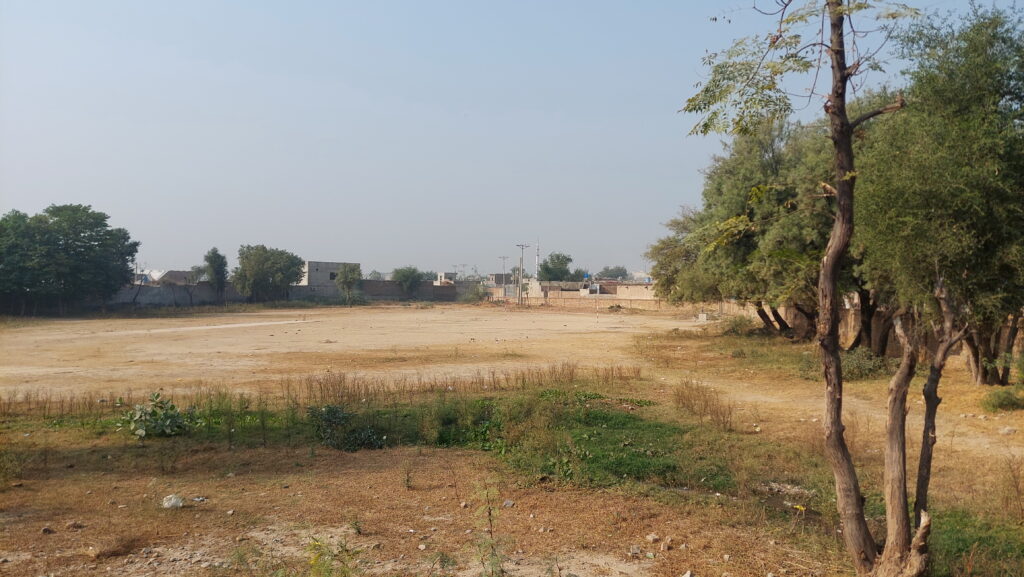
The school has considerable vacant land at the back, which can be utilised to construct a new block, providing additional classrooms for the students—something that is urgently required.



Architecture of the School Building
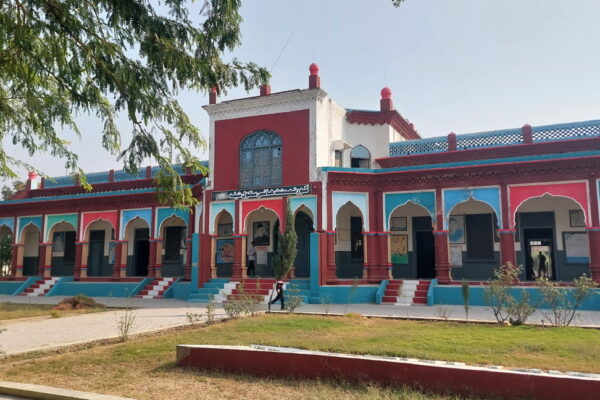
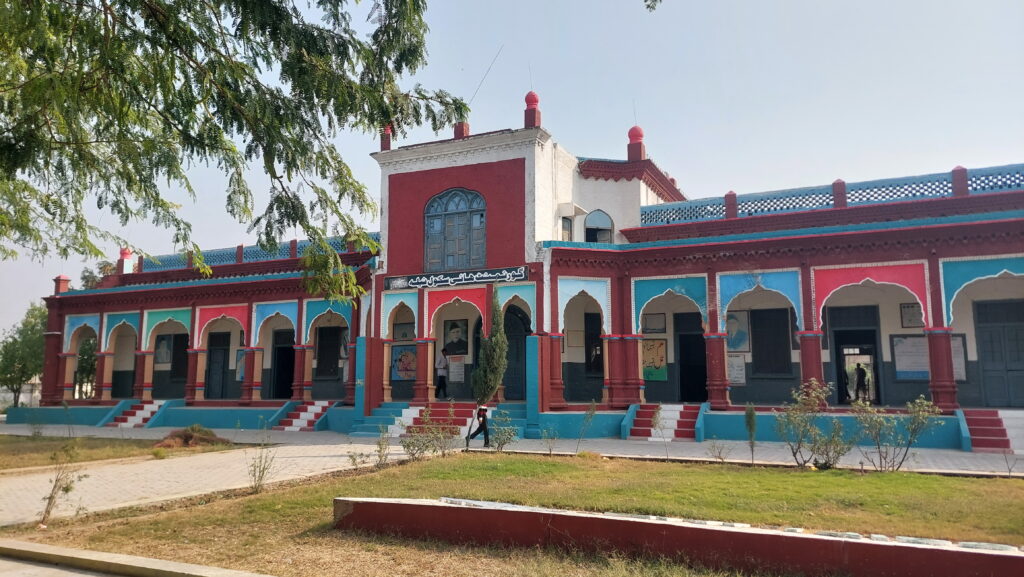
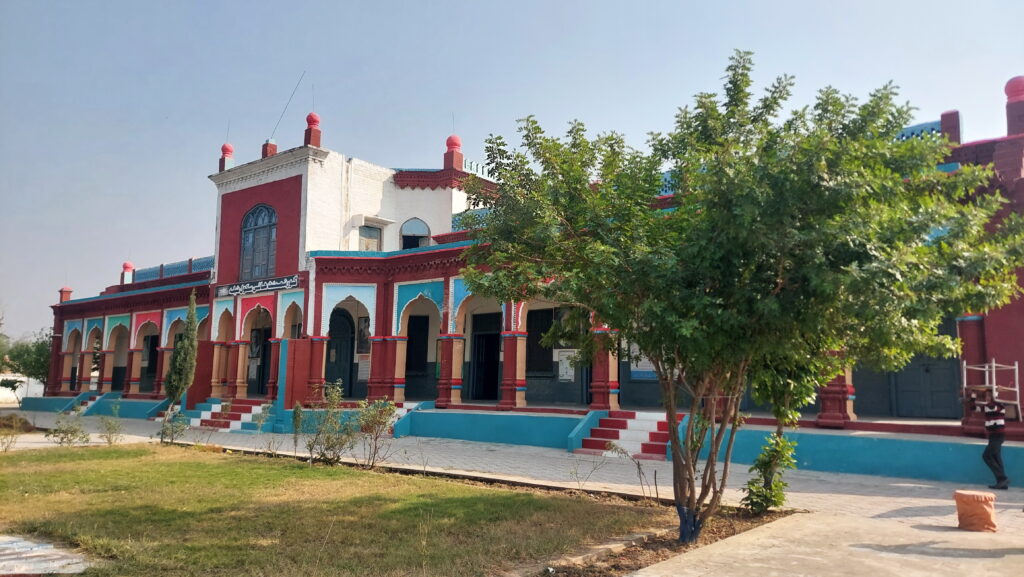
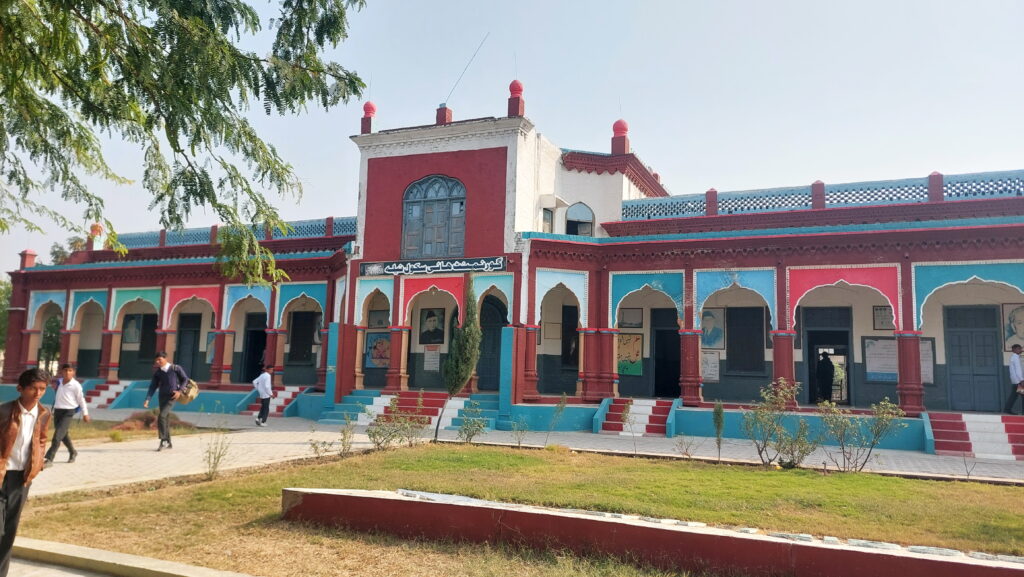
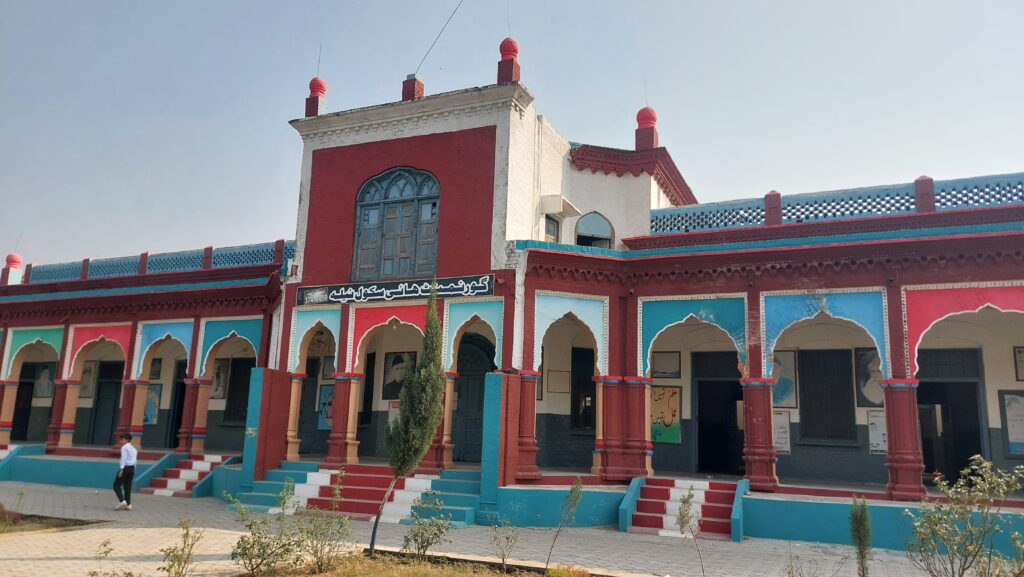
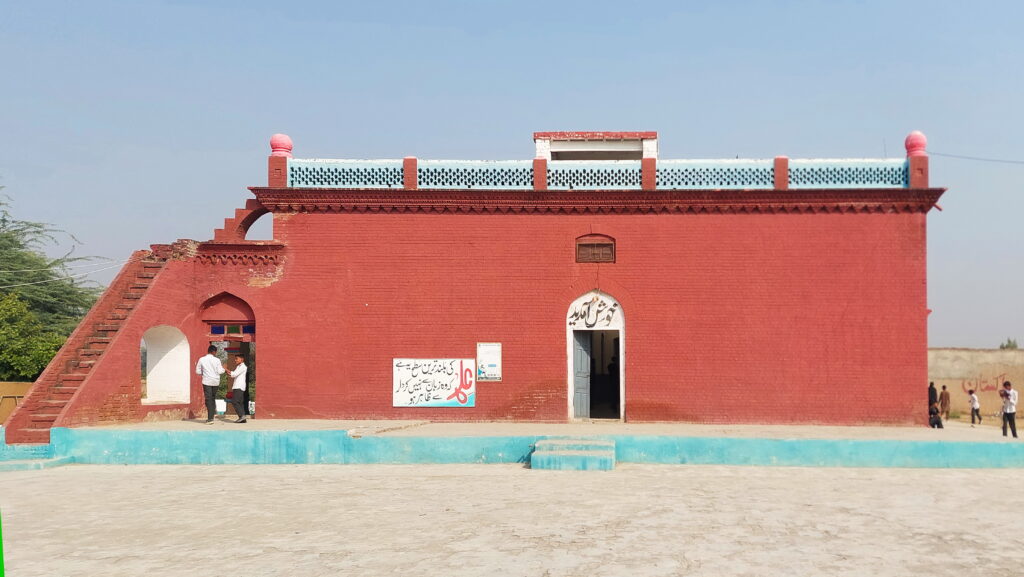
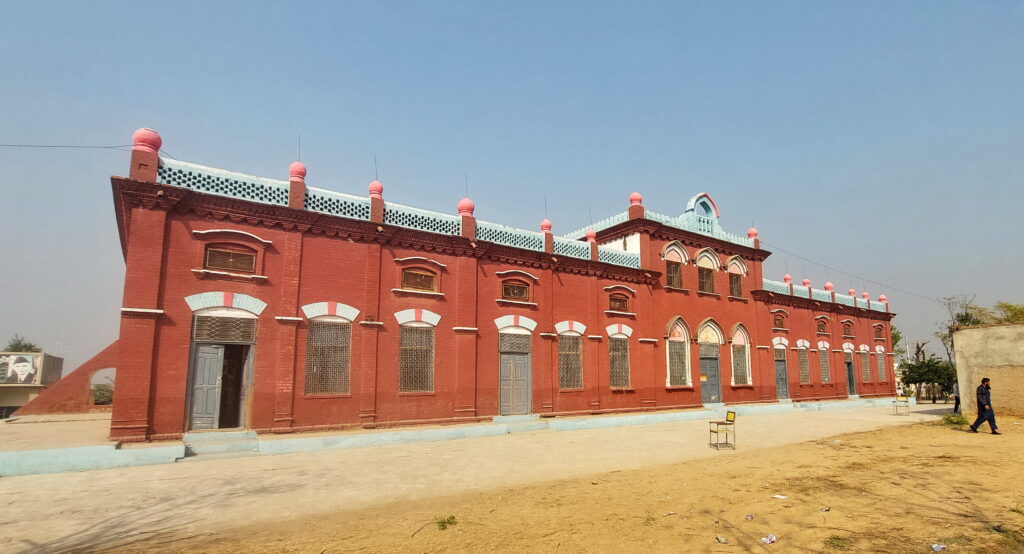
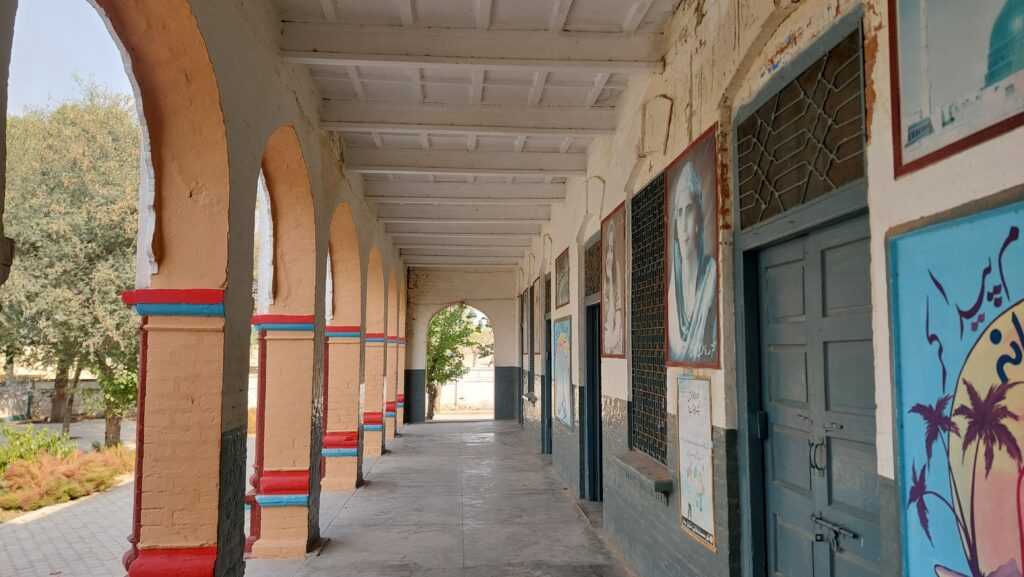
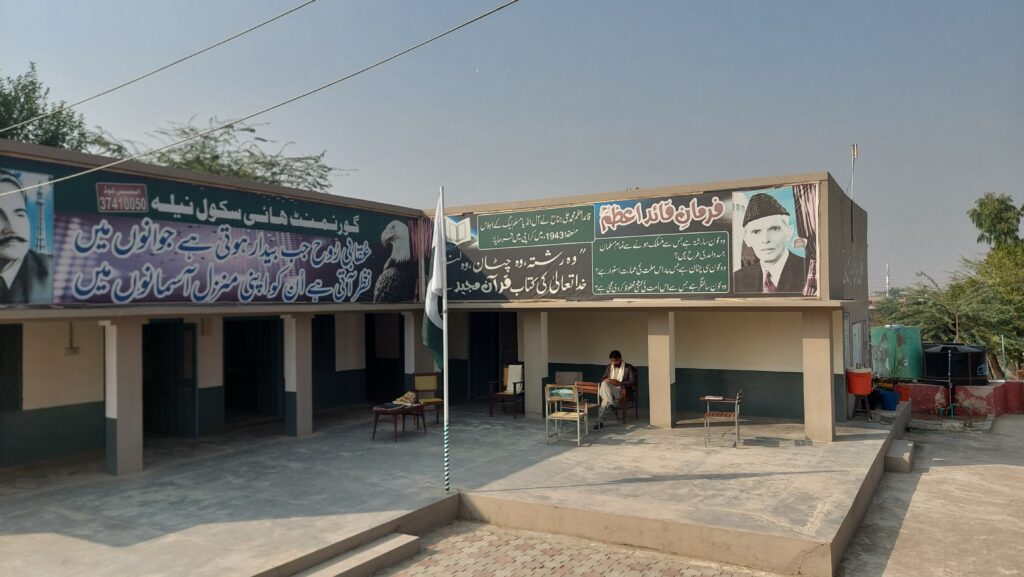
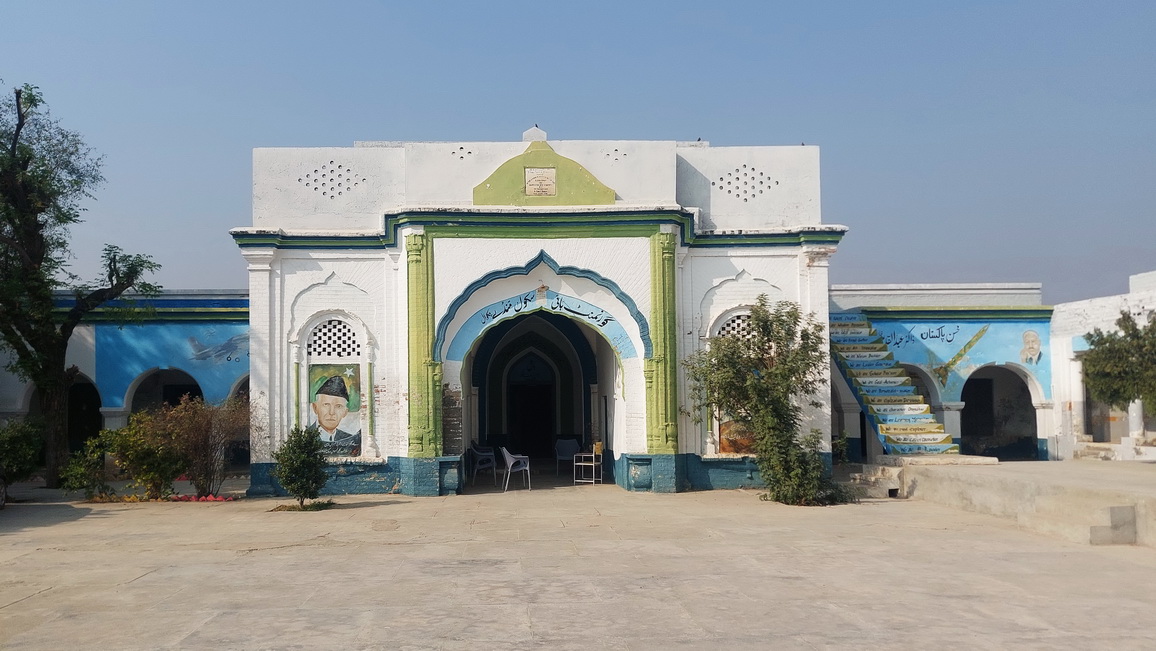
The building of the school is very impressive and beautiful, especially its facade. Such as one cannot expect in a village. This fact becomes more marvellous when one thinks that this school was constructed exactly a century ago. The basic plan of the building is the same as of the Hira Singh Khalsa School at Munday.
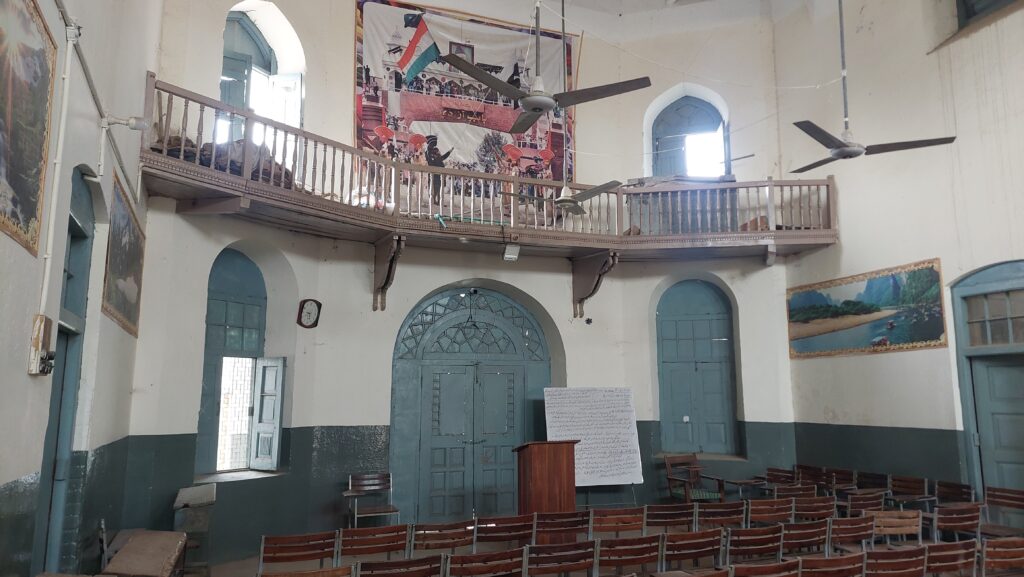
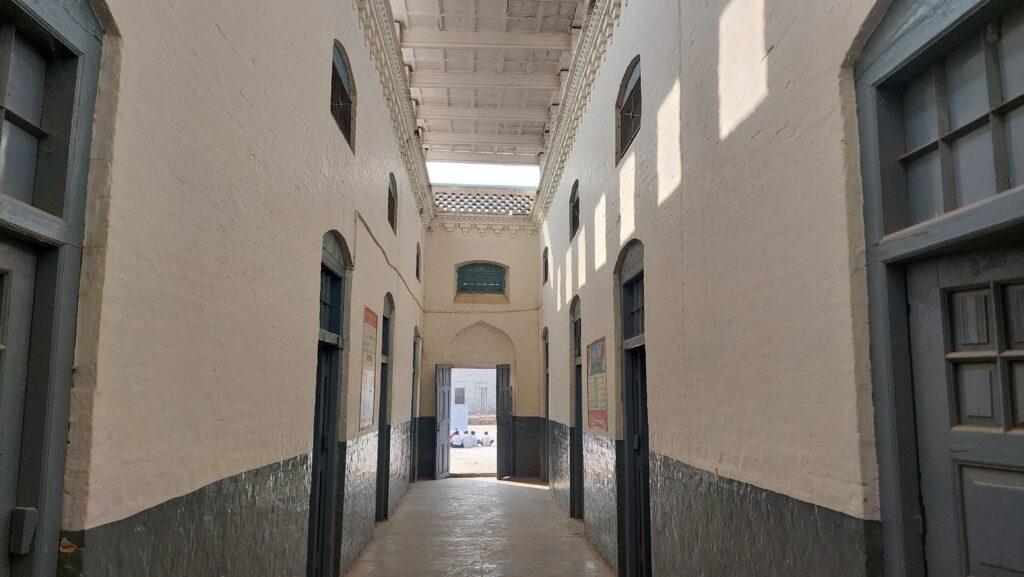
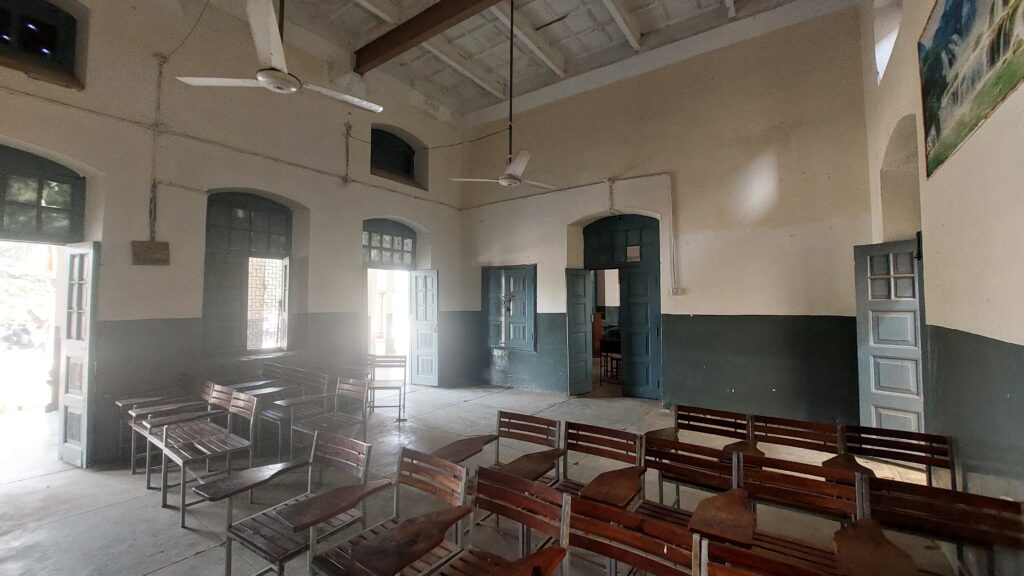
There is a big spacious and airy hall in the middle and two wings on both sides, with four rooms in two rows in the each wing. The rooms are quite large, airy and naturally well lit, with many doors, windows and ventilators, providing ample fresh air and light. The main hall too has all these qualities, which make it an excellent place for functions and large gatherings. An amazing facility for a school of a village, and that’s too one hundred years ago.
The school building reflects a graceful blend of traditional Mughal architectural elements with colonial-era institutional design. Constructed in solid masonry, It follows a symmetrical layout with a long arched veranda running along its front, providing shade and ventilation. The cusped arches, resting on sturdy pillars, give the façade a dignified appearance. A slightly raised central portionadds prominence to the structure. The building is painted in a striking combination of deep red, white, and turquoise blue, with red highlighting the arches and pillars, white used for cornices and wall surfaces, and blue adding contrast to panels and doors. Built in the third decade of the twentieth century, the building not only served an educational purpose but also stands as a fine example of heritage architecture in the Potohar region.
Another striking feature of the building is its woodwork, including the doors, windows, and ventilators. Even after the passage of nearly one hundred years and continuous use by thousands of students, these wooden elements remain in excellent condition. The quality of the timber, combined with fine craftsmanship, is clearly evident and reflects the durability and care with which the building was originally constructed.


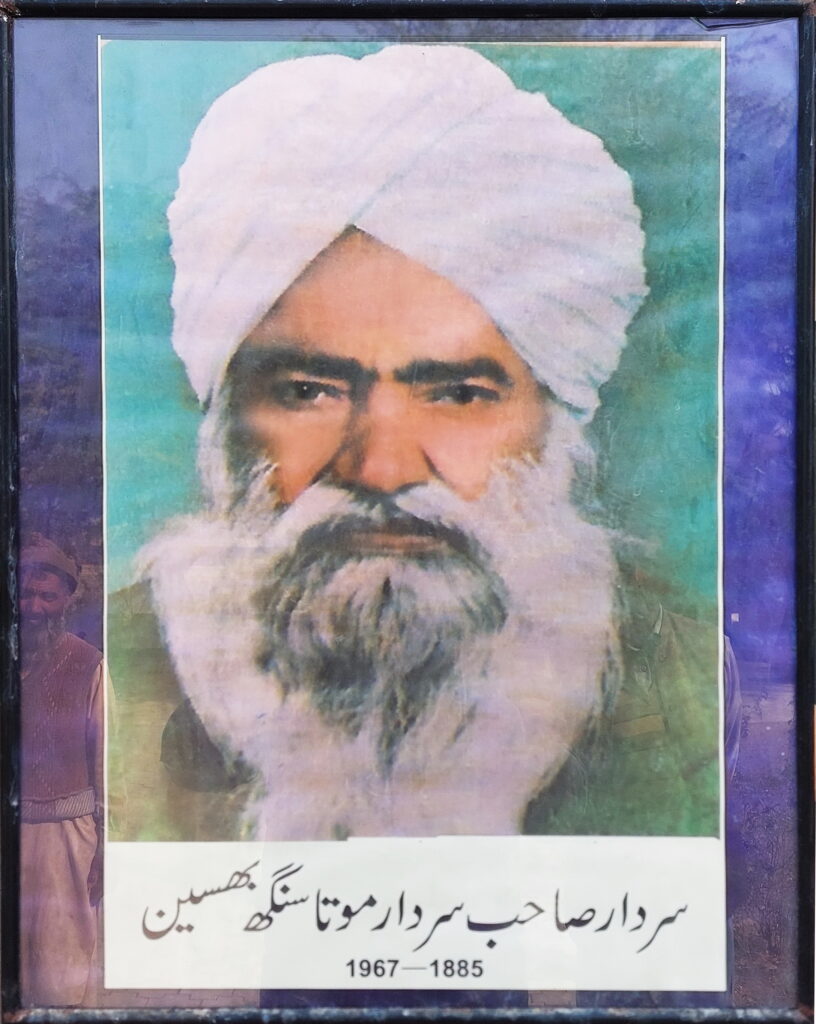
Sardar Sahib Sardar Mota Singh Bhasin
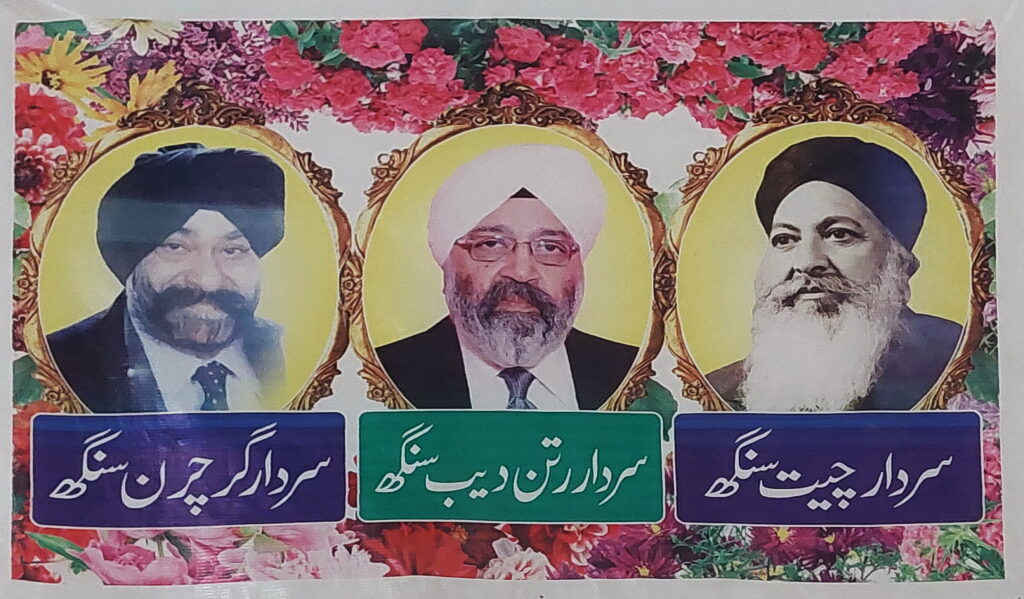
Sardar Mota Singh was born in 1885. He belonged to a humble family, and by the age of ten, both his parents had died. Some sources say that he did not receive any formal education. He was married into the family of Sardar Chet Singh, the founder of the Khalsa School at Munday. Mota Singh was the son-in-law of Sardar Jawala Singh, the elder brother of Sardar Chet Singh. This piece of information was shared with me by Sardar Ratan Deep Singh, the grandson of Sardar Chet Singh ji, from Delhi.
Sardar Chet Singh and his brother Jawala Singh were prominent and very successful businessmen in Iran. They were based in Zahedan and were involved in the construction of roads. They also worked as contractors for the British Army, running army canteens and providing other supplies. Sardar Mota Singh later joined them and, like them, made his fortune in business and trade. He established his business in several cities of Iran, as well as in Karachi, Lahore, and Gujar Khan. He traded in oil and dry fruits.
He used his vast resources for philanthropy and worked for the uplift of his native village, Neela. Despite being uneducated (or very little educated), he realized the importance of education and established a school in Neela. I was told by a senior teacher, Mr. Mahfooz, that this school cost him around Rs. 100,000, and that he bore the entire cost himself, without donations from other sources. He did not accept even free land and paid the price in full.
He established this school in 1925. Unlike some other schools, it has no plaques to confirm the date of its construction. However, a plaque fixed on a now-filled well gives the year of construction as 1925. The principal specially brought out the plaque, which they have preserved, to show it to me. I was thrilled to see this invaluable record of the school.
Besides this school, a vast playground was provided for the students. There was also a dispensary for the students and a residential building for the teachers’ residence. Unfortunately, nothing has survived. However, the school is still in good condition. An article on this school in Dawn is also worth reading.

੧ ਓ ਸਤਿ ਗੁਰਪ੍ਰਸਾਦ
ਇਹ ਖੂਹ
ਸ੍ਰ: ਸ: ਮੋਤਾ ਸਿੰਘ ਸਪੁਤ੍ਰ
ਸ੍ਰ: ਸੋਬਾ ਸਿੰਘ ਨੇ ਫਰਵਰੀ
੧੯੨੬ ਵਿਚ ਤਿਆਰ ਕਰਵਾਯਾ
ਰਹੀ
ਸ੍ਰ: ਗੁਰਮੁਖ ਸਿੰਘ ਹੈਡਮਾਸਟਰ
ਸੁਖੋ ਨਵਾਸੀ
اک اونکار ست گرپرساد
ایہ کھوہ
سردار صاحب موتا سنگھ سپُتر
سردار سوبا سنگھ نے فروری
1926 وِچ تیار کروایا
راہی
سردار گورمُکھ سنگھ ہیڈماسٹر
سُکھو نواسی
There is One Universal Creator; truth is His name. By the Guru’s grace.
This well was prepared in February 1926, by Sardar Mota Singh s/o Sardar Soba Singh, through Sardar Gurmukh Singh, the headmaster. Resident of Sukho.*
*Sukho is a village in Rawalpindi district, located at: 33°14’59.53″N, 73°10’50.12″E.
It is pertinent to mention here that Mr Ratan Deep Singh, the grandson of Mr Chet Singh, the founder of the Khalsa School, Munday, is still very deeply attached to these institutions, which were established by his ancestors and their friends. When he came to participate in the centenary celebrations of the school at Munday, he also visited the school at Neela. Most importantly, Sardar Gurcharan Singh, the grandson of Sardar Mota Singh, also accompanied him, and they both visited the school at Neela as well. Both families are deeply attached to the cause of education and run schools in Delhi, bearing the names of Munday and Neela. Mr Deep Singh has visited Pakistan several times during the last decade and has played a positive role in the maintenance and progress of these schools.



The above board provides the following information about the school:
Sanctioned: 1925
Primary: 1925
Middle: 1948
High: 1957
Total Area: 38 Kanals 11 Marlas (Approximately 209,712 sq. ft)
Rooms: 8
Size: 20 x 24 feet
Hall: 25 x 50 Feet
My personal connection
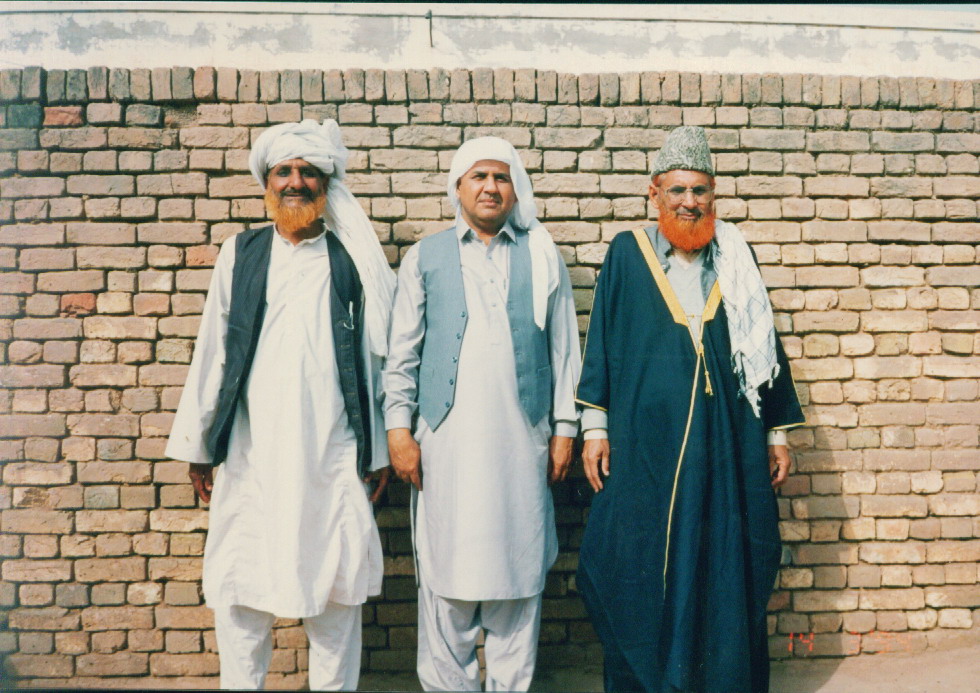
My father had three brothers. The eldest one was Mr. Muhammad Hussain, the second one was Mr. Muhammad Masood, and my father, Amir Hussain, was the youngest. The eldest brother, Mr. Muhammad Hussain, was a scholar and a teacher by profession, especially in the early decades of his career. He was born in 1930 in Lilla, District Jhelum. At that time, Chakwal was also a tehsil of Jhelum.
Sometime around 1968–1970, he taught in this school for two or three years. During this period, my father, who was ten years younger than his eldest brother, along with my mother, came to Neela and stayed there for three or four days. Their brother Muhammad Masood was also with them. All three brothers have now passed away. My father was the last to pass away and died in August 2024. My mother still remembers this visit, though she did not see the school itself.
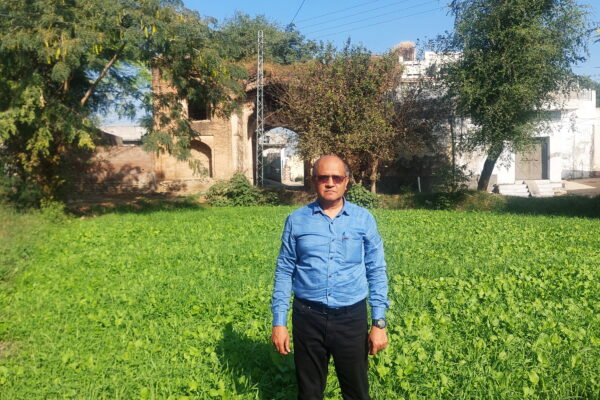
While going to Neela, I did not have this connection in mind. However, once there, I recalled that I used to hear about Uncle Muhammad Hussain teaching in Neela-Dullah and about my parents’ visit to that place. I later talked to my mother about this visit, and she confirmed that it was the same Neela. While walking on the hill beside the River Soan and close to the village, I recalled many memories of those departed souls.
This school, and other similar schools in this region, are a living legacy of those noble souls who built these educational institutions, which are still spreading the light of wisdom and knowledge after such a long time. They achieved all this while rising above the boundaries of religion. Generation after generation of students has passed through the doors of this school and entered the world better prepared to shape a future for themselves.
It is no coincidence that the Chakwal, Jhelum, and Rawalpindi region is among the areas with the highest literacy rates in Pakistan. This fact alone has played a pivotal role in the socio-economic development of the region. The foundations laid by these early institutions continue to benefit society, reminding us that investment in education yields results that last far beyond a single lifetime.
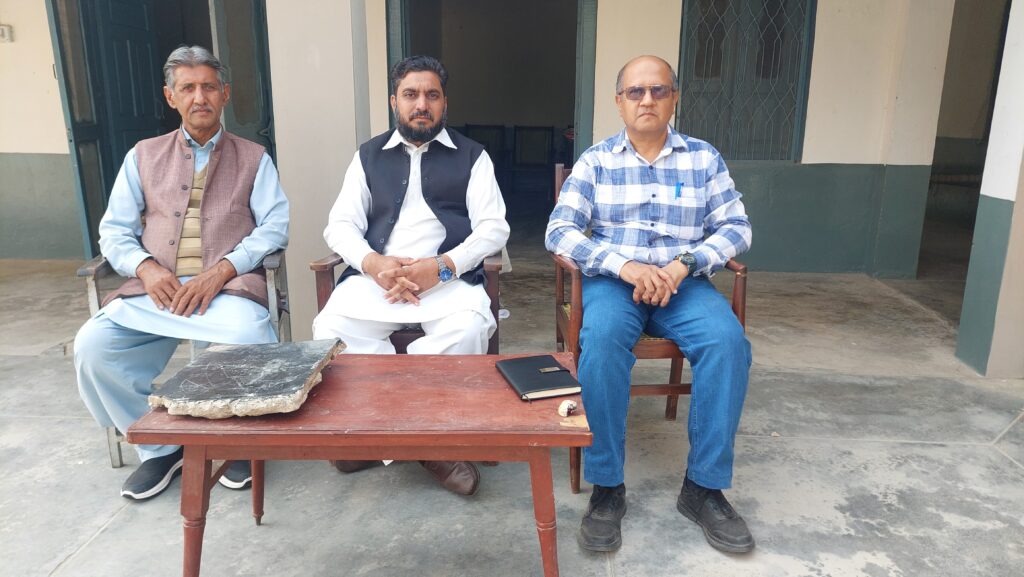
This article would remain incomplete if I did not thank Mr. Muhammad Ejaz Sahib, the Principal of the school, and his staff. Without their help and cooperation, it would not have been possible to write this article. Their guidance was very valuable to me. Mr. Muhammad Mahfooz, another senior teacher, took me on a tour of the village and showed me many interesting sites. Hopefully, I shall write another article on this beautiful village soon.
Tariq Amir
Islamabad
February 1, 2026.
Your message has been sent


Such a beautiful piece of history! It’s amazing to see how Sardar Mota Singh’s vision helped bring education to so many in Neela and neighboring areas — a legacy that still lives on after more than a century. Truly inspiring to remember the people who built bridges of learning across communities.