
213. Sanatan Dharam Temple, Sargodha.
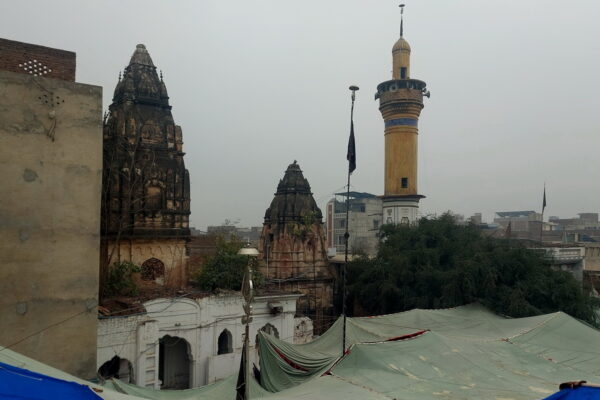
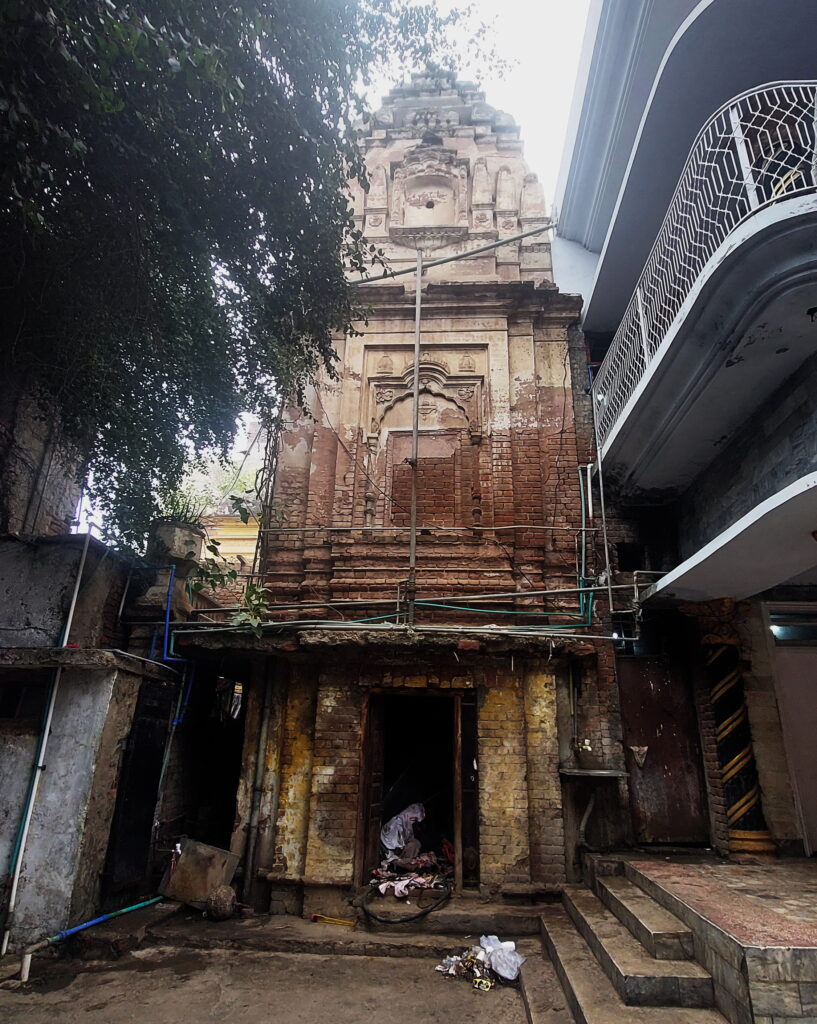
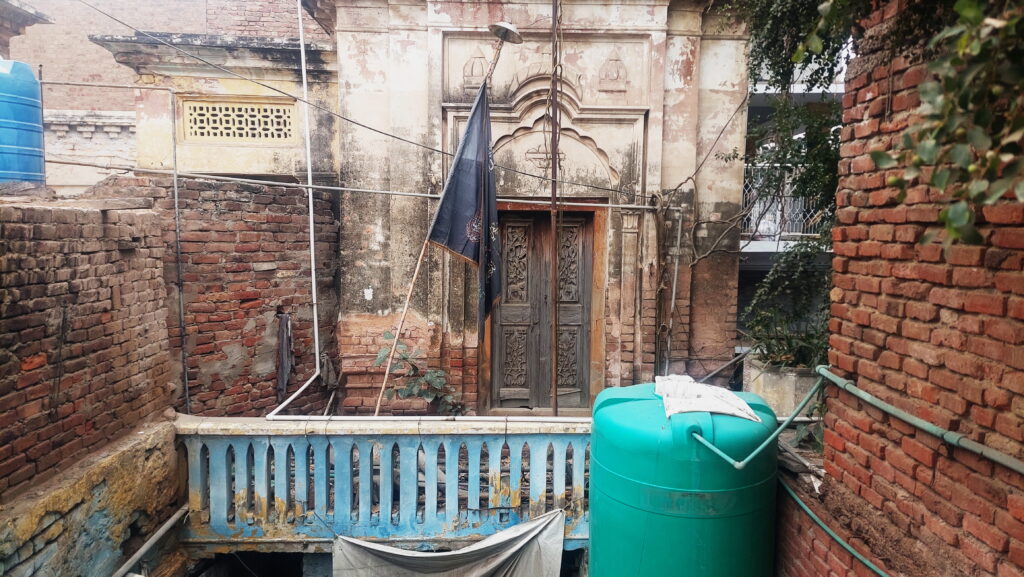
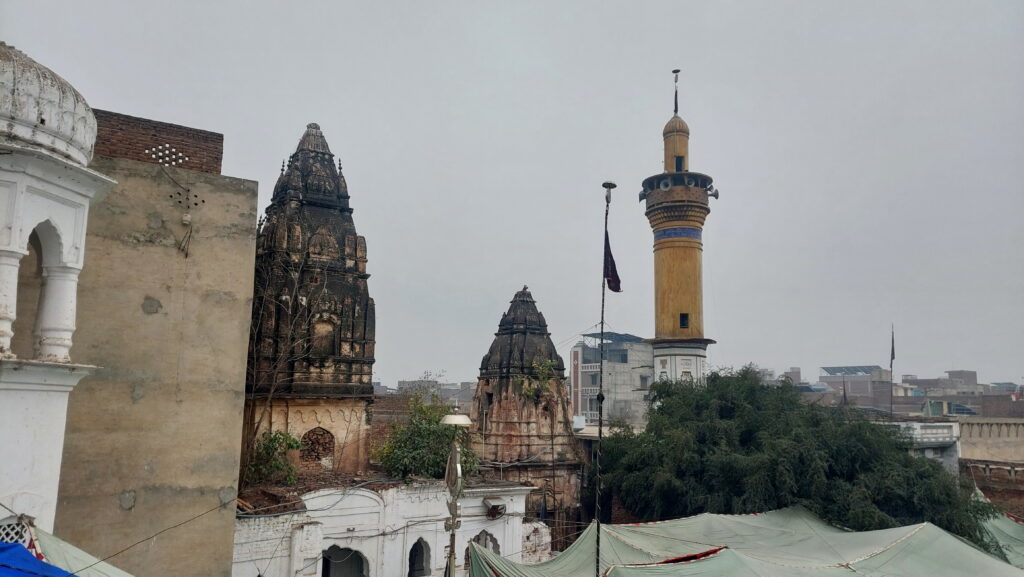
Most of the cities and towns, and even many villages of Pakistan, are dotted with Hindu temples. Their conical spires, in almost all cases, though surrounded by chaotic urban structures, still stand tall and testify to their existence. One such temple, though abandoned and forgotten, stands in all its glory in Block No. 19 of Sargodha, a city in the Punjab province of Pakistan. Sikhs also built gurdwaras in the city, two of which were in Block 3 and Block 10.
Though a minority in the region, Hindus formed a significant proportion of the population of the district and the city itself. All communities built their respective places of worship, and Hindus constructed this beautiful temple as a place for prayer and communal gathering. This temple thus represents not only a religious structure but also a tangible reminder of the district’s pluralistic social fabric during the colonial period. Its continued presence offers valuable insight into the cultural and architectural history of Sargodha and its surrounding region.
The religious demographics of the Shahpur District are given below; these figures are taken from the Census of 1941. At that time, the district was known as Shahpur, although the district headquarters had already been shifted to Sargodha city in 1914. It should be noted that the present-day district of Khushab was, then, part of the Shahpur (later Sargodha) District.
| District | Tehsil | City | |
| Total Population | 998,921 | 278,188 | 36,420 |
| Muslim | 835,918 | 199,325 | 12,060 |
| % | 83.68 | 71.65 | 33.11 |
| Hindu | 102,233 | 37,047 | 17,405 |
| % | 10.23 | 13.32 | 47.79 |
| Sikh | 48,046 | 29,716 | 5,920 |
| % | 4.81 | 10.68 | 16.25 |
Location:
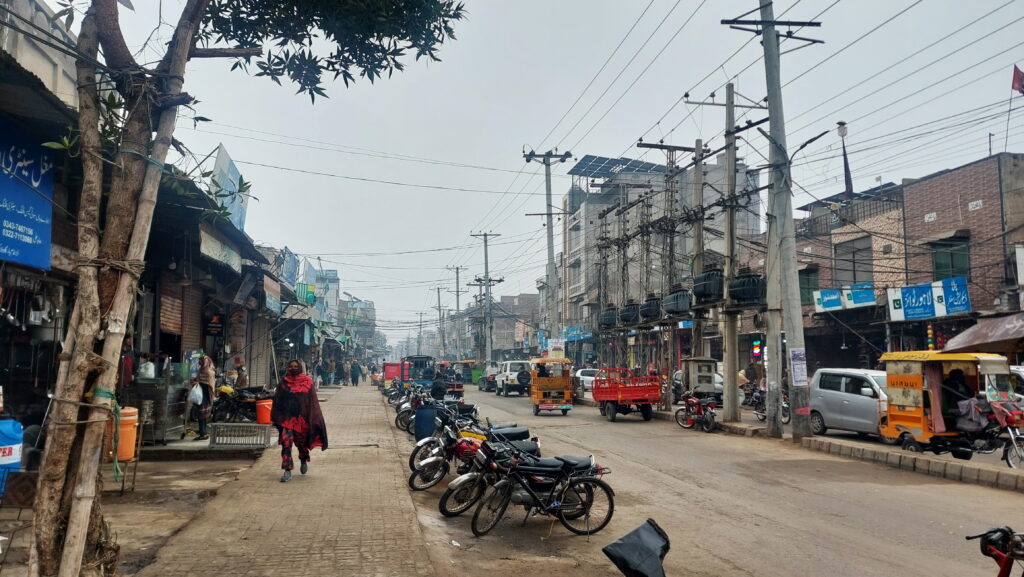
The temple is located in Block No. 19 of Sargodha city. It is a busy area and one of the oldest parts of the city, characterized by a mixture of residential and commercial activity. A block is a square, with each side measuring about 160 meters in length and covering an area of approximately 6.5 acres, with an open space in the middle of the square. This central open space, about half an acre in size, serves as a park or a space for community activities, an excellent example of colonial-era town planning. The temple is located at 32° 5’15.05″N, 72°40’1.84″E.
History:
The history of the city, and hence of the temple as well, is closely linked to the establishment of the Jhelum Canal Colony. This was part of the efforts by the colonial administration of Punjab to bring sparsely populated and dry, though fertile, regions of the Punjab province under cultivation. To achieve this, planning started soon after the formal annexation of Punjab in 1849, at the end of the Second Anglo-Sikh War.
The area between the Jhelum and Chenab rivers, the Jech Doab, was selected for such development, and the colony was developed between 1902 and 1906, covering an area of about 540,000 acres. The land was to be irrigated by a canal drawn from the Jhelum River, hence the name Jhelum Canal Colony. The canal itself was opened in 1901.
To populate this vast agricultural area, 337 villages, known as chaks, were established, along with some market towns, including Sargodha. Sargodha made such rapid progress that in 1914 it was granted municipal status, and the district headquarters were also moved to this town from Shahpur. All three communities—Hindus, Sikhs, and Muslims—settled here. Though a small minority in the wider region, Hindus and Sikhs formed a majority within the town itself. Being more active in business and generally more prosperous, they worked as traders, bankers, and commission agents. Their interests were represented by the Sanatan Dharam Yuvak Sabha, while Muslims had their own organization, the Anjuman-i-Islamia. Hindus dominated the Municipal Committee of the city and largely controlled its civic affairs.
It was under the aegis of this Sabha that the Hindus established this temple, which was the largest and most important Hindu temple in the city. I saw one additional temple was observed in the neighbouring Block No. 23; it is smaller in scale and perhaps a gaushala (cow protection house), attached to it.
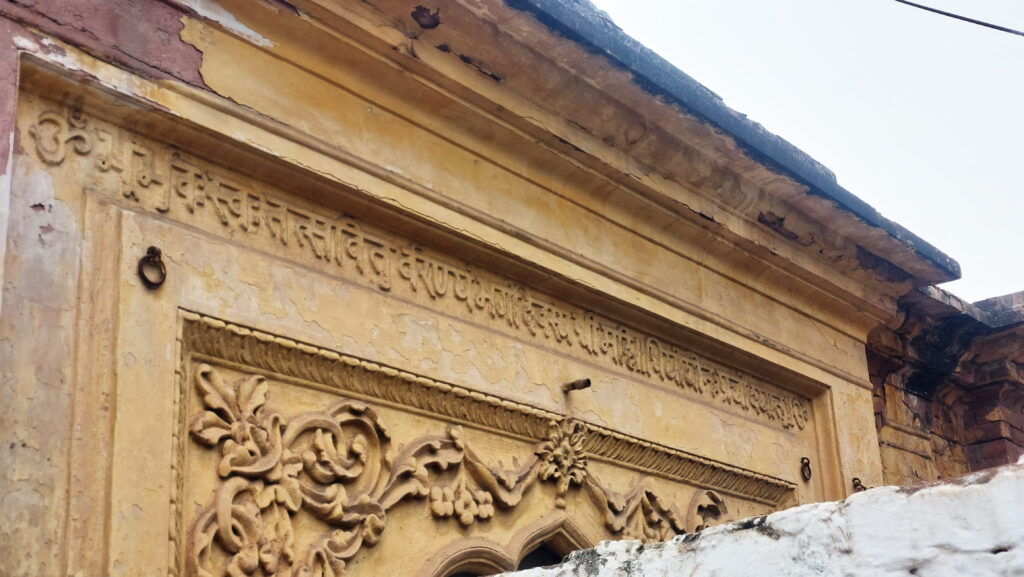
ॐ भूर्भुवः स्वः तत्सवितुर्वरेण्यं भर्गो देवस्य धीमहि धियो यो नः प्रचोदयात्॥
We meditate upon the divine light of the Supreme Creator (the Sun).
May that divine light inspire and enlighten our intellect.
Architecture and Layout
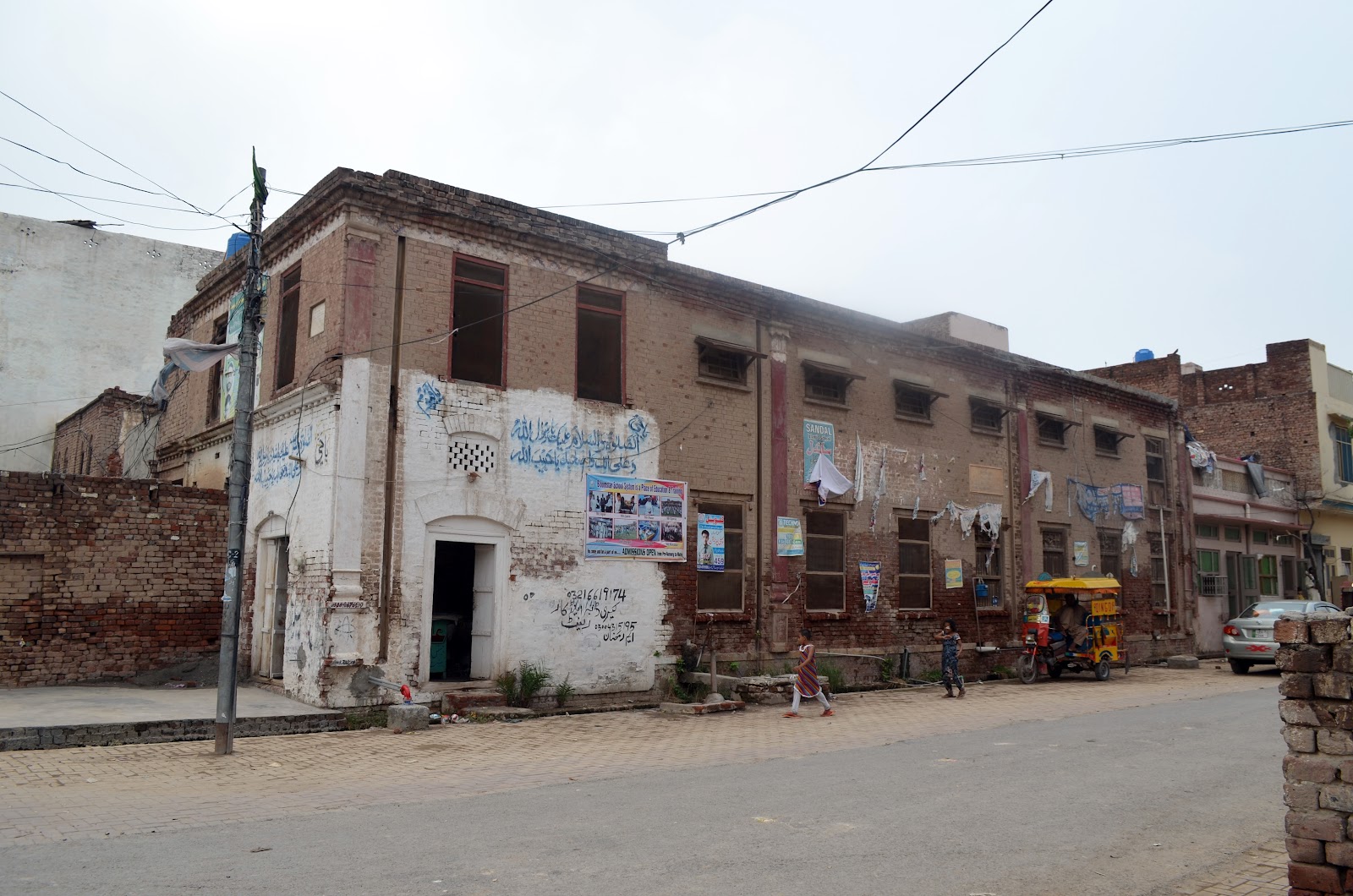
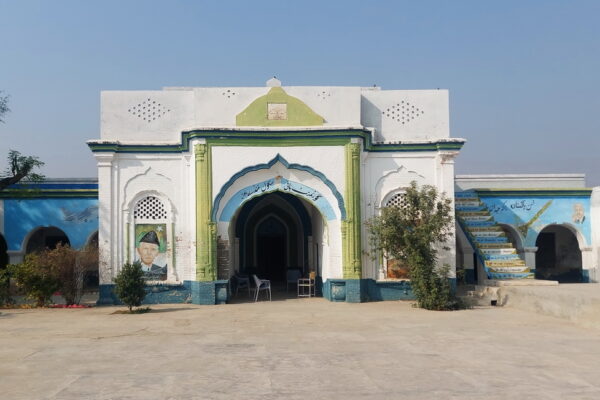
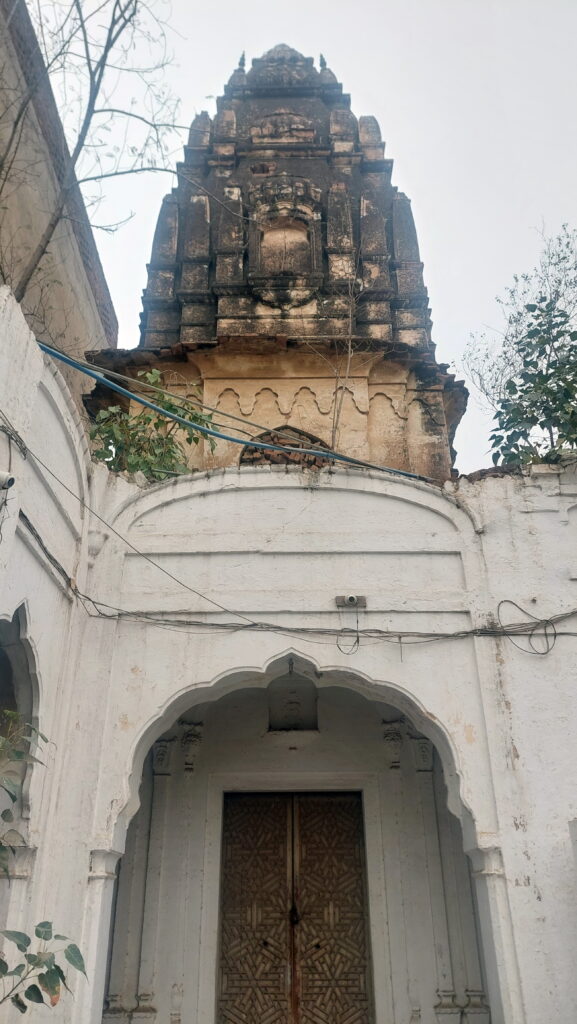
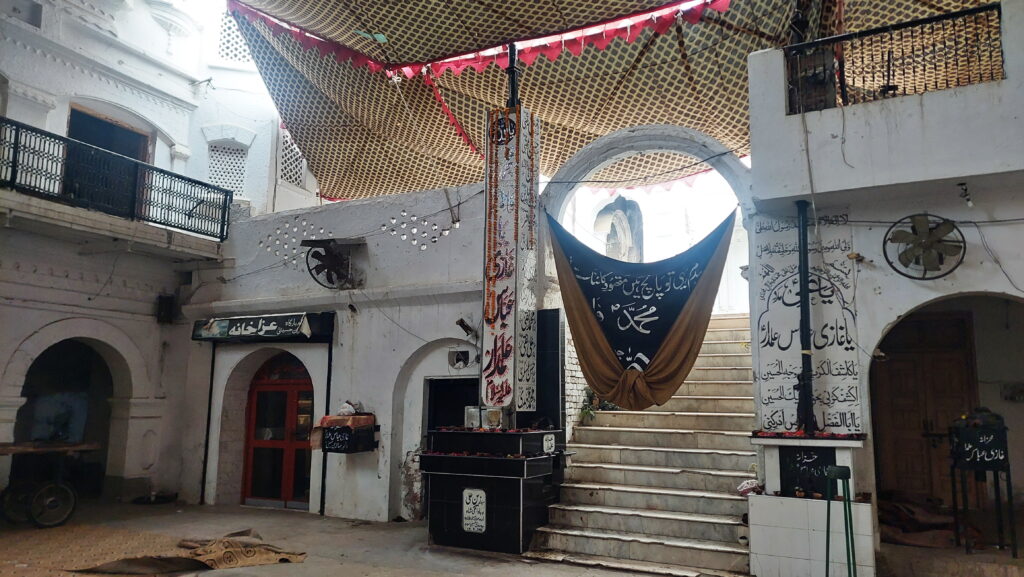
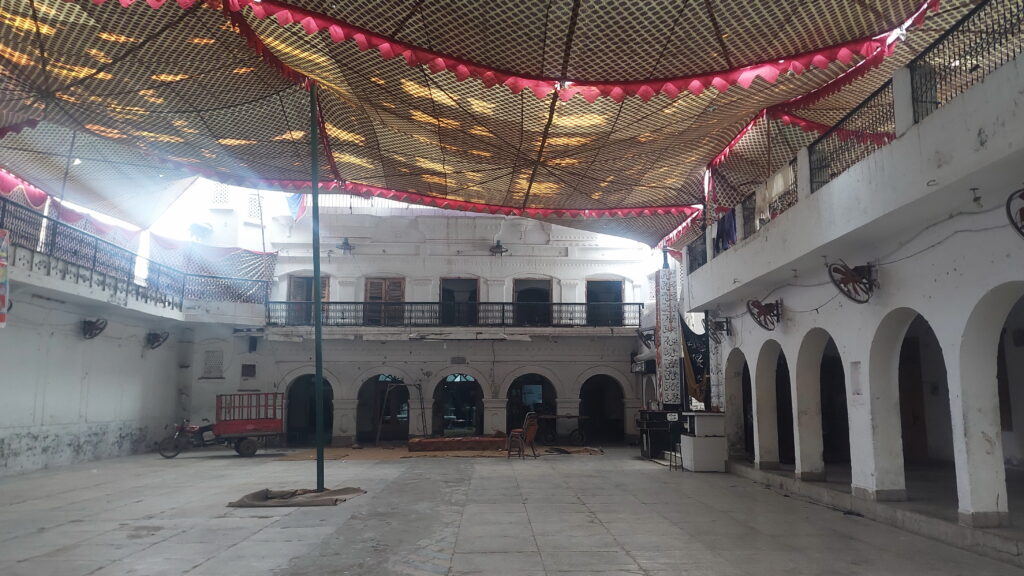
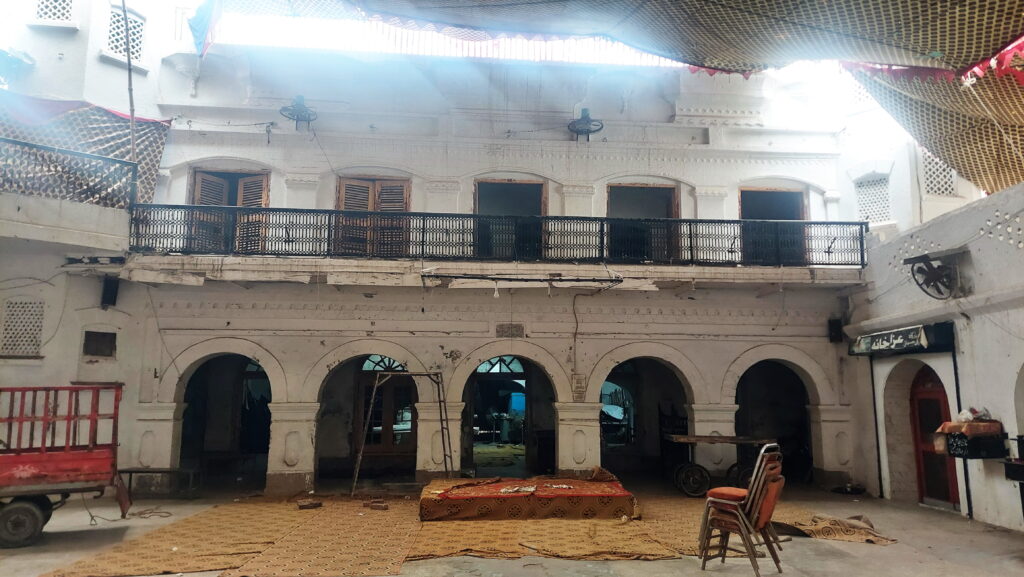
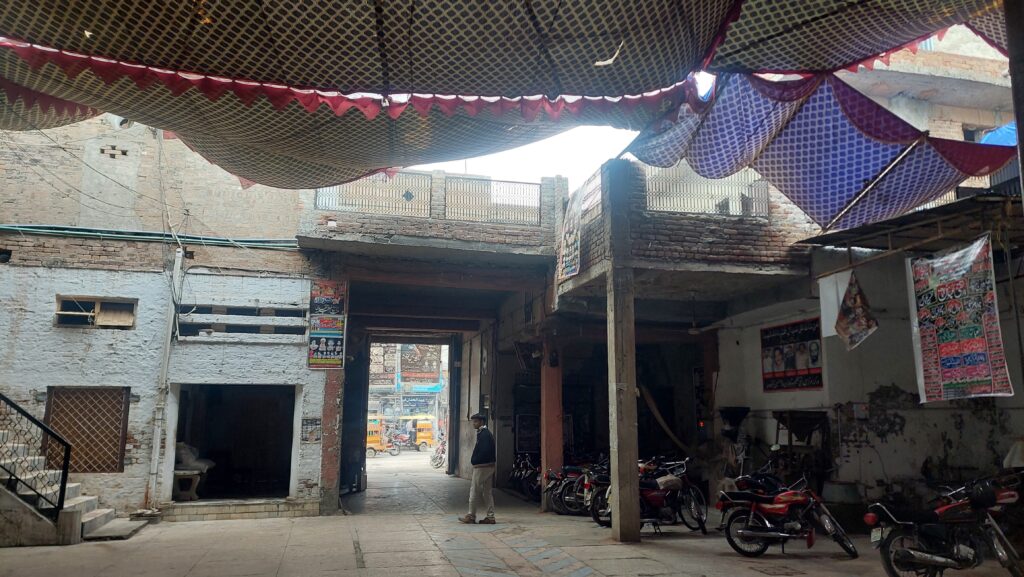
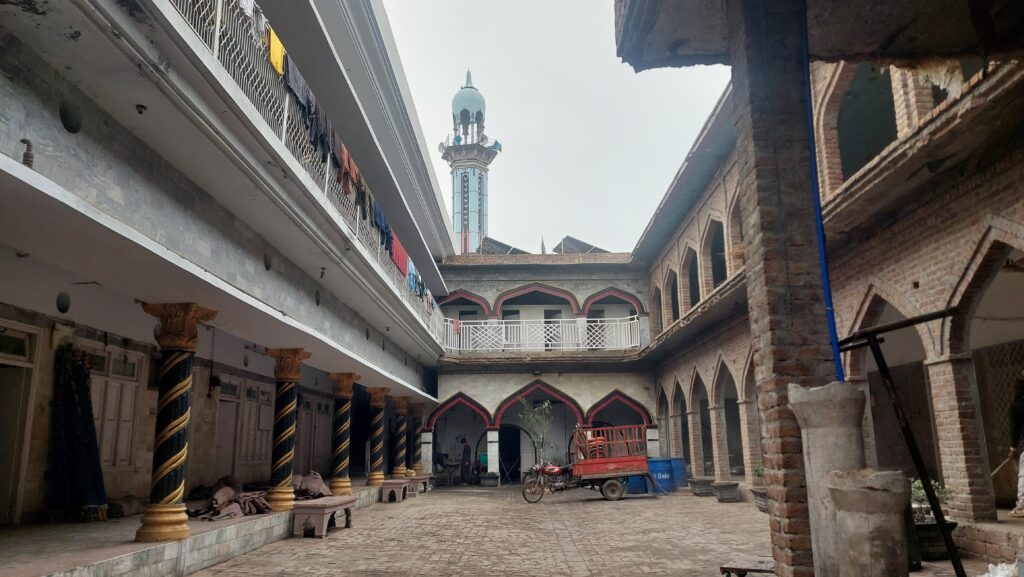
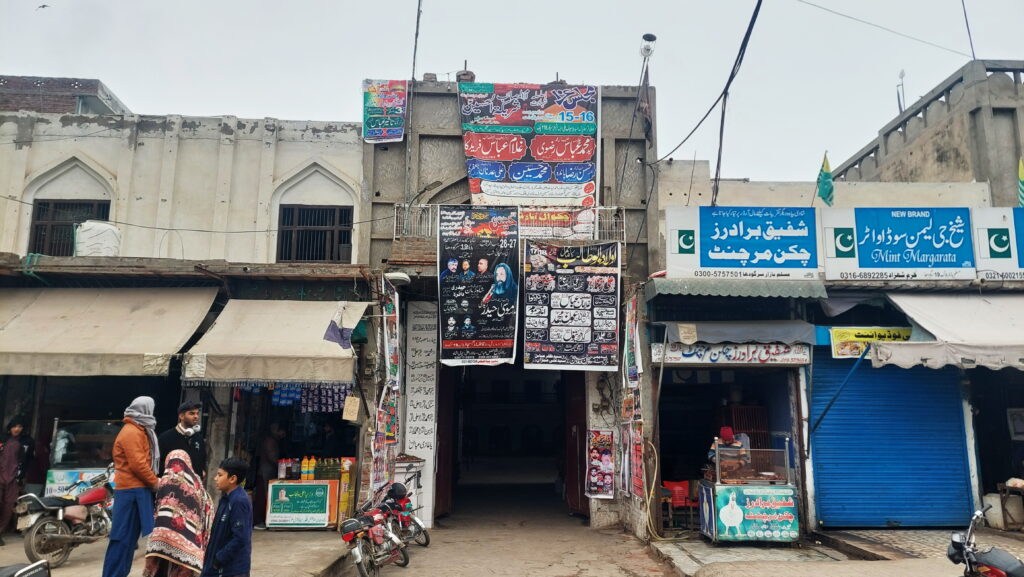
The main entrance of the temple complex is on the main road, and the entrance opens into a courtyard. The whole complex consists of many buildings and structures, obviously built at different times over a period of about one century. The foundation stone was laid in 1907, as a plaque fixed at the main entrance informs, which makes it one of the earliest buildings in the city.
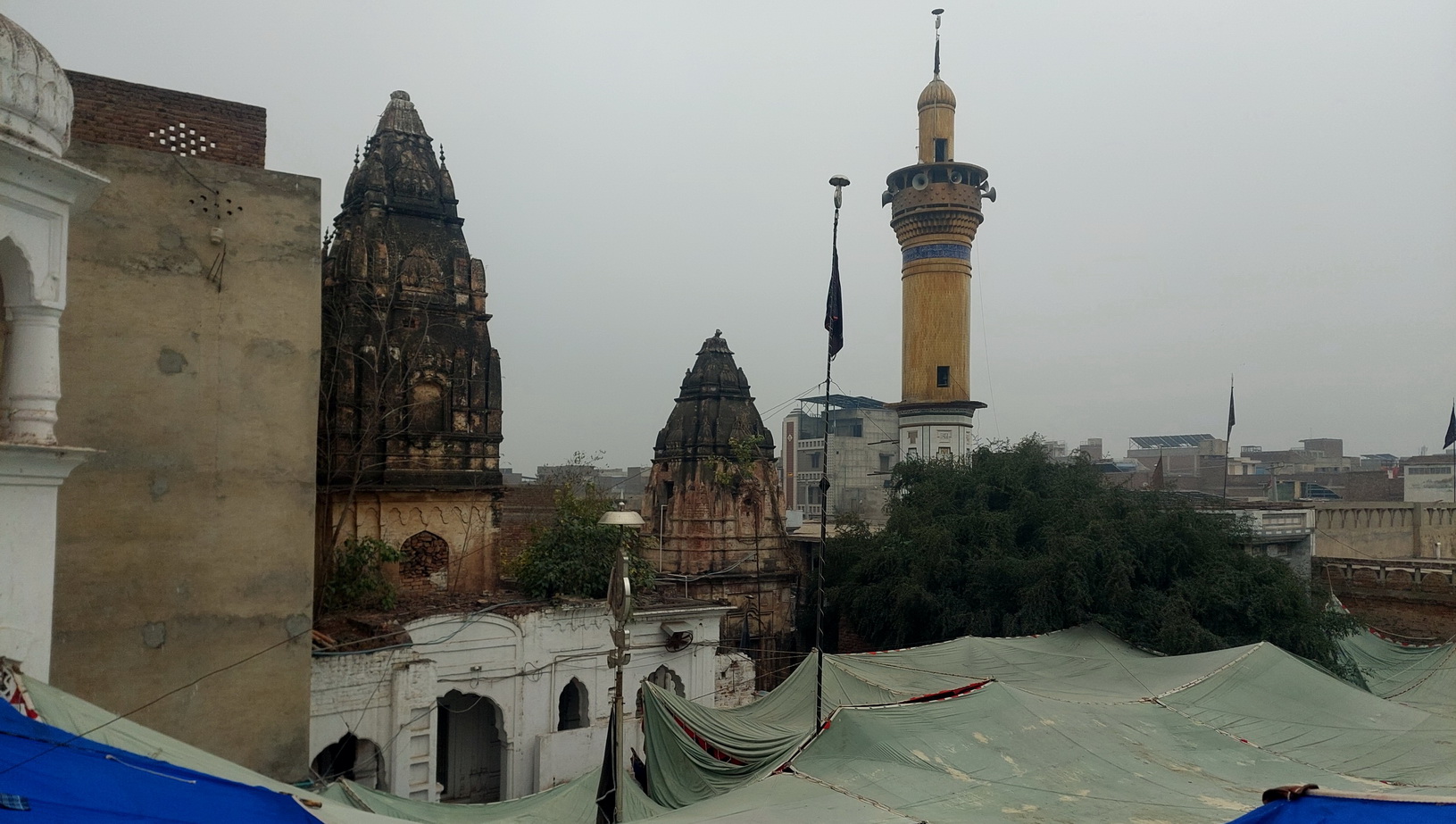
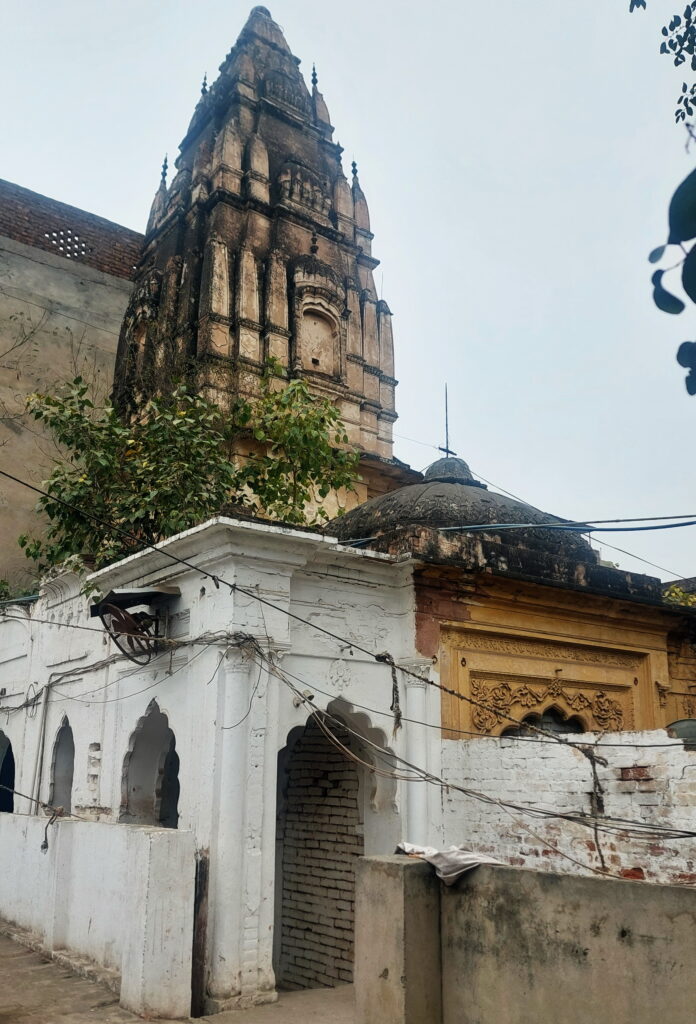
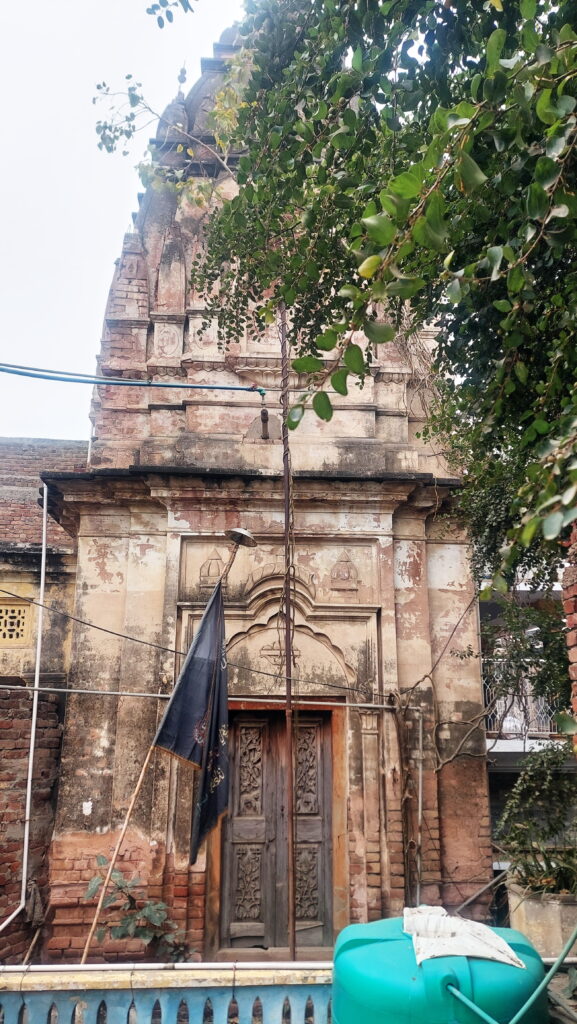
The most prominent and important features are two buildings in the form of elegant spires. These are the actual temples where statues of gods were kept and worshipped. Under the law, these structures cannot be pulled down or altered. They are still in reasonably good condition, even after the passage of such a long time. The larger temple spire can be reached by a staircase, along which the names of many donors are also inscribed.
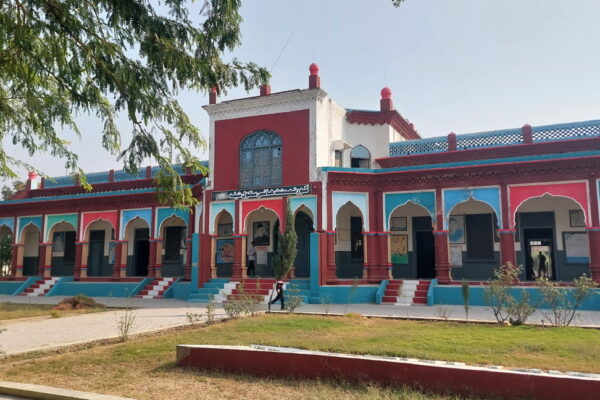
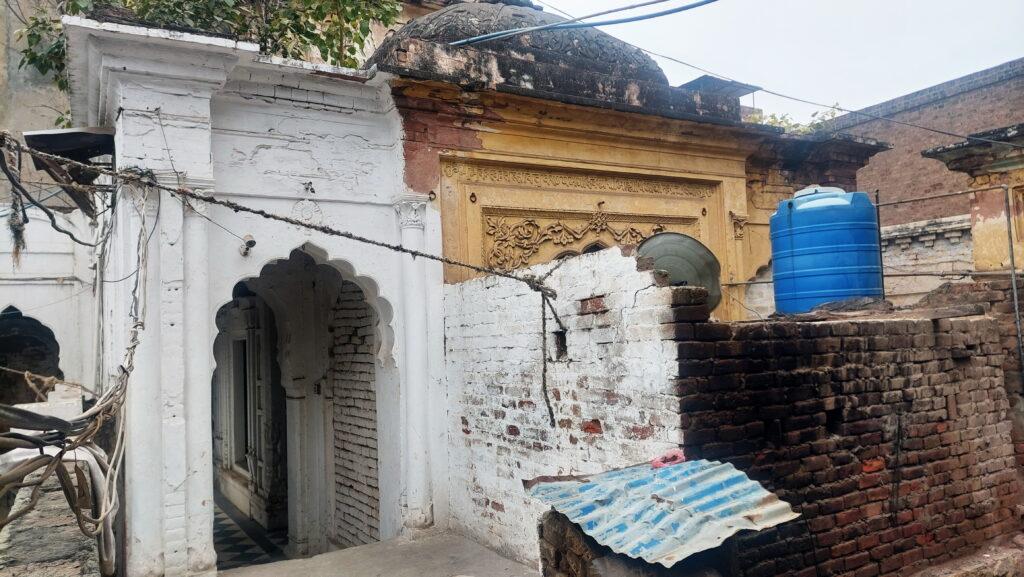
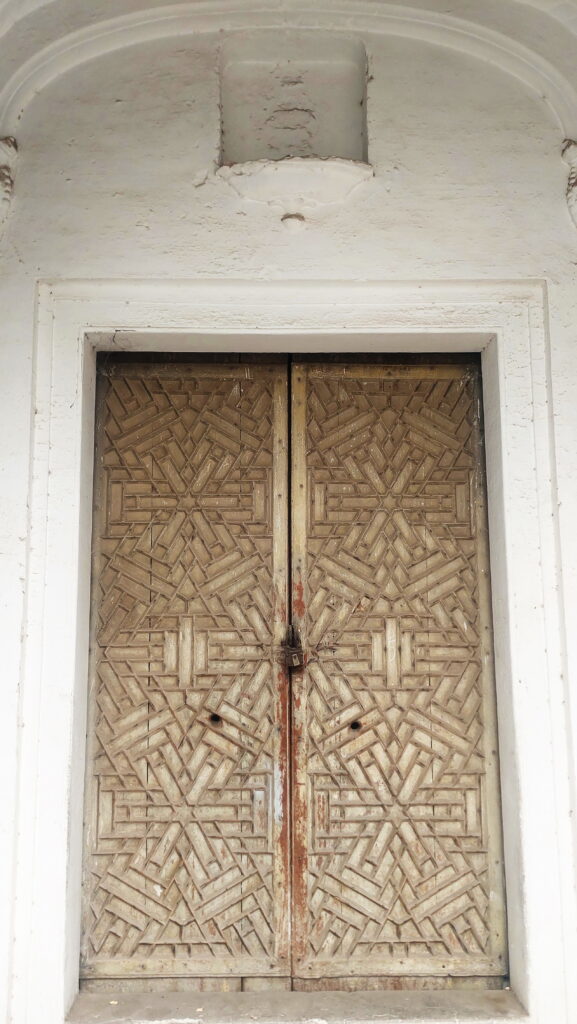
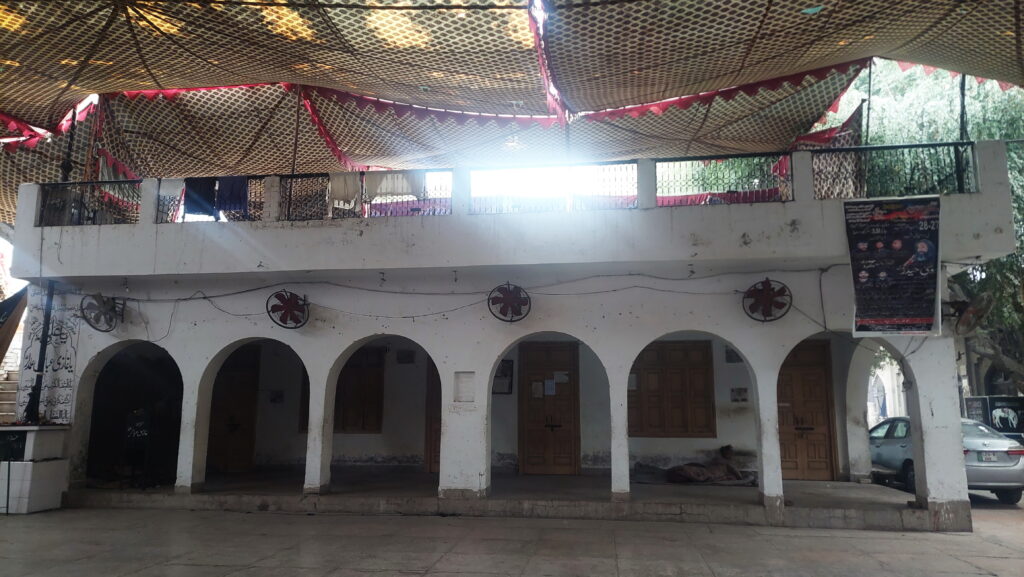
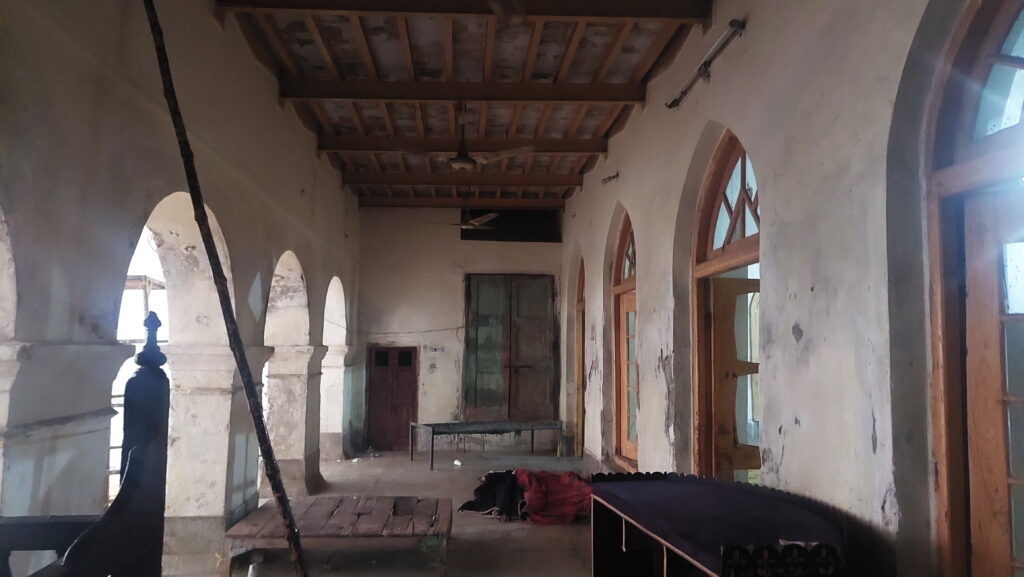
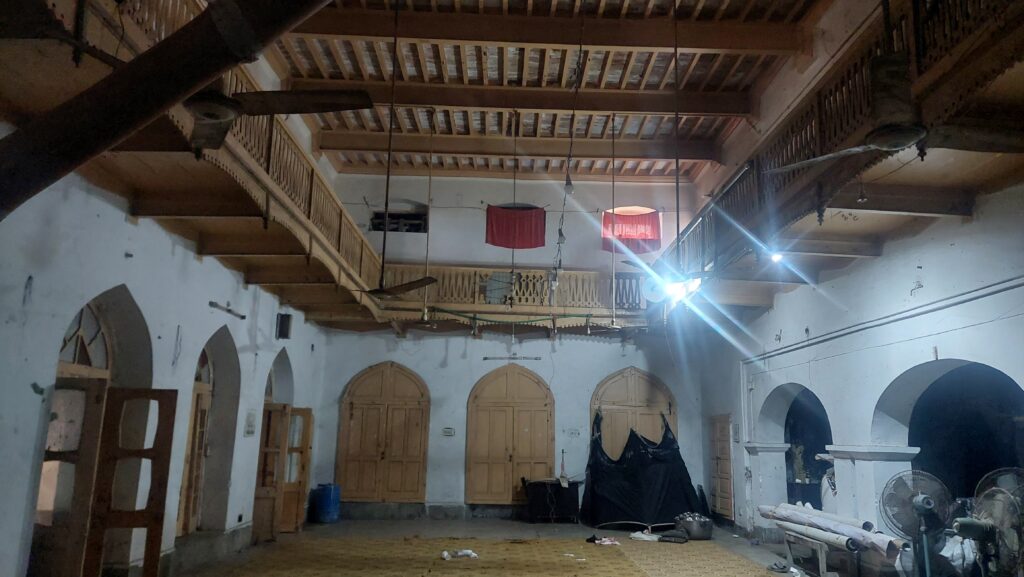
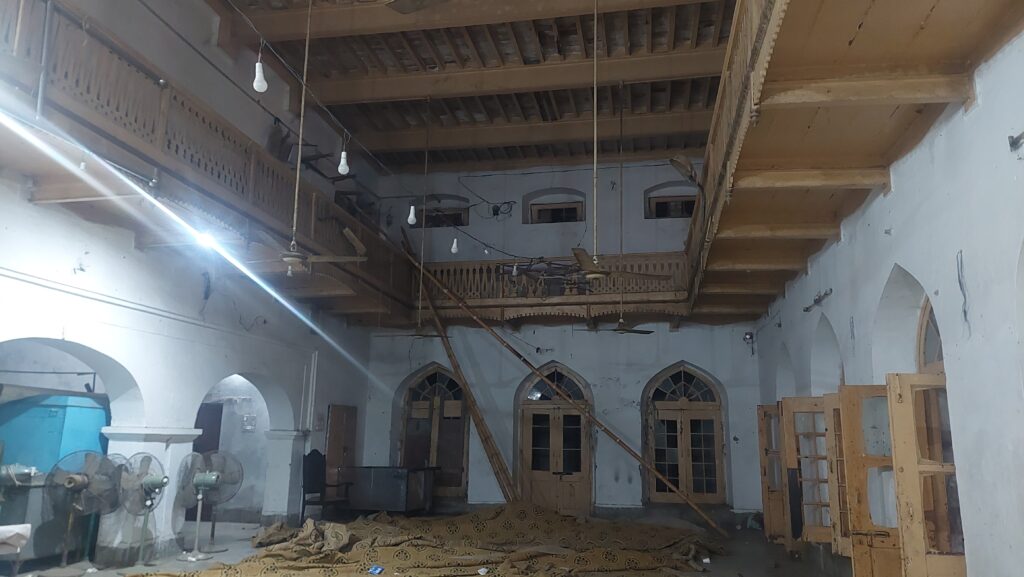
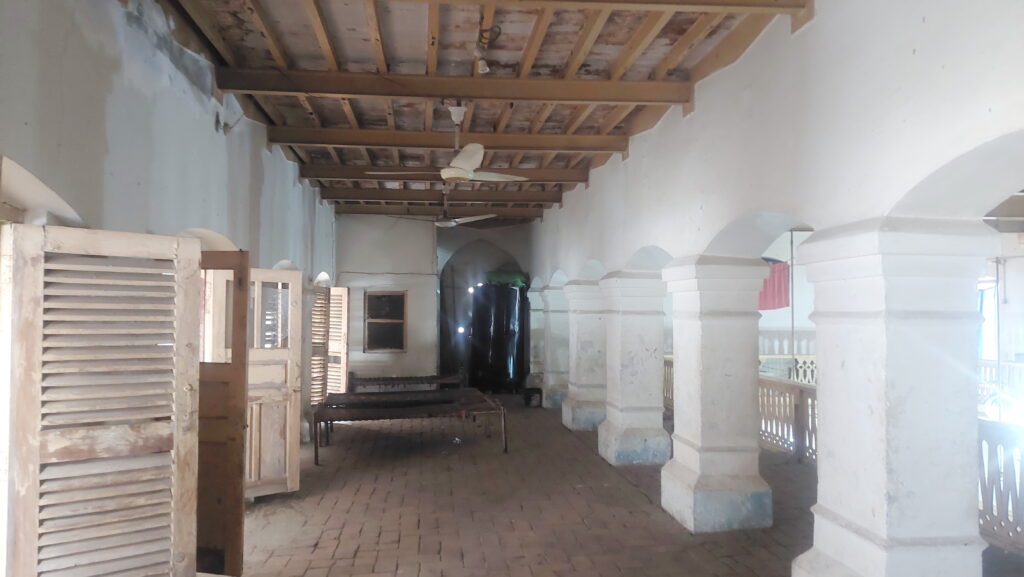
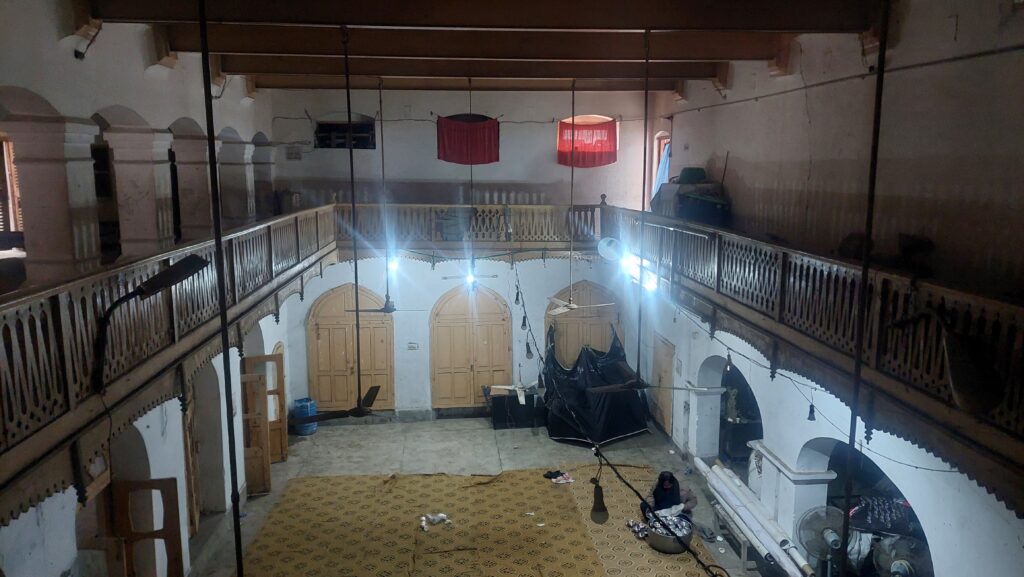
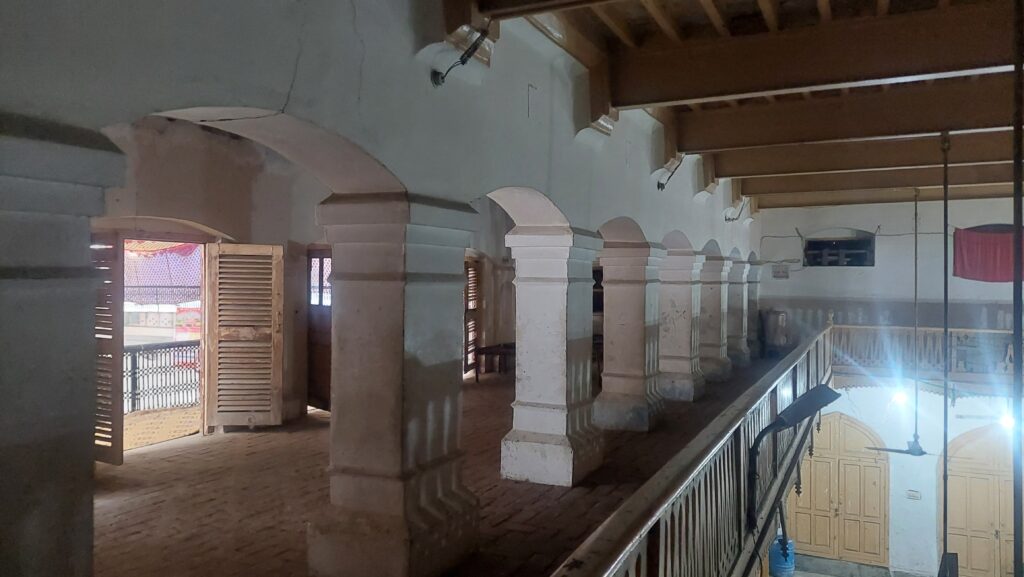
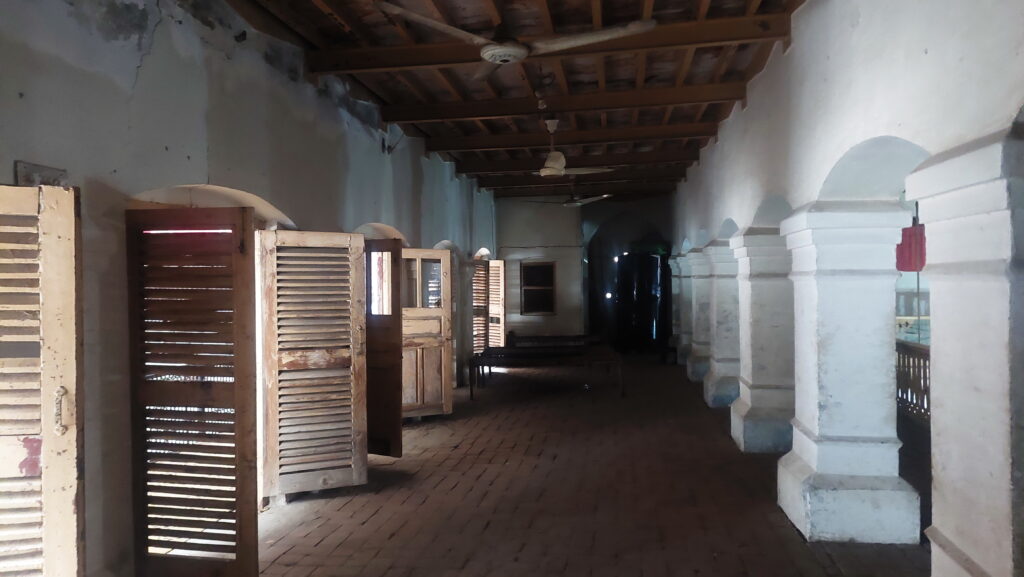
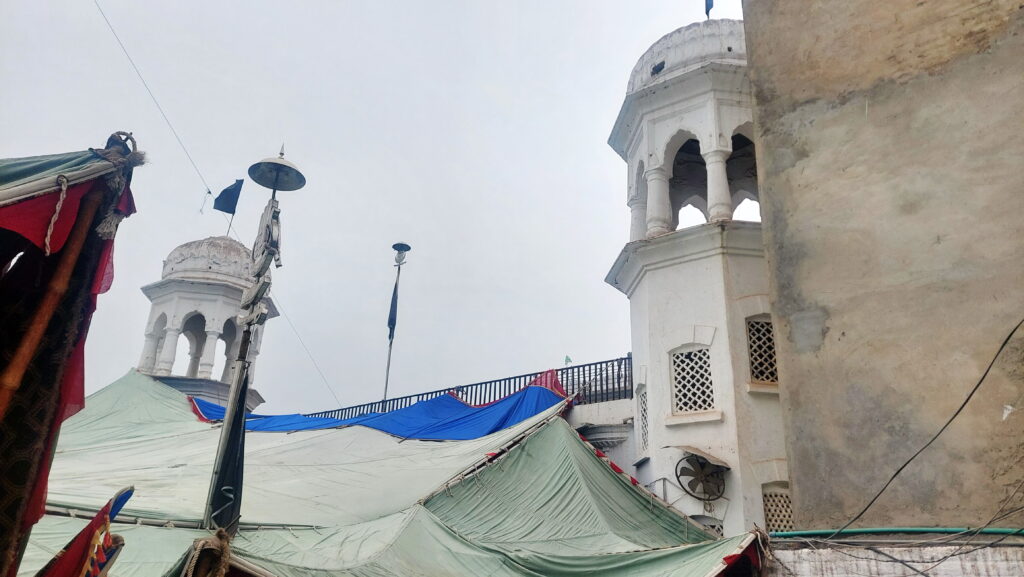
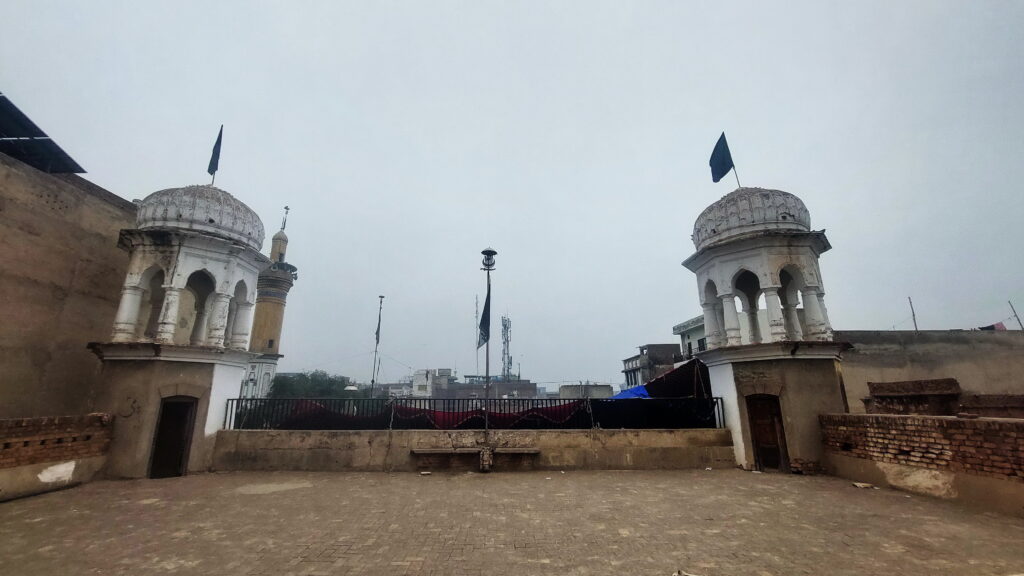
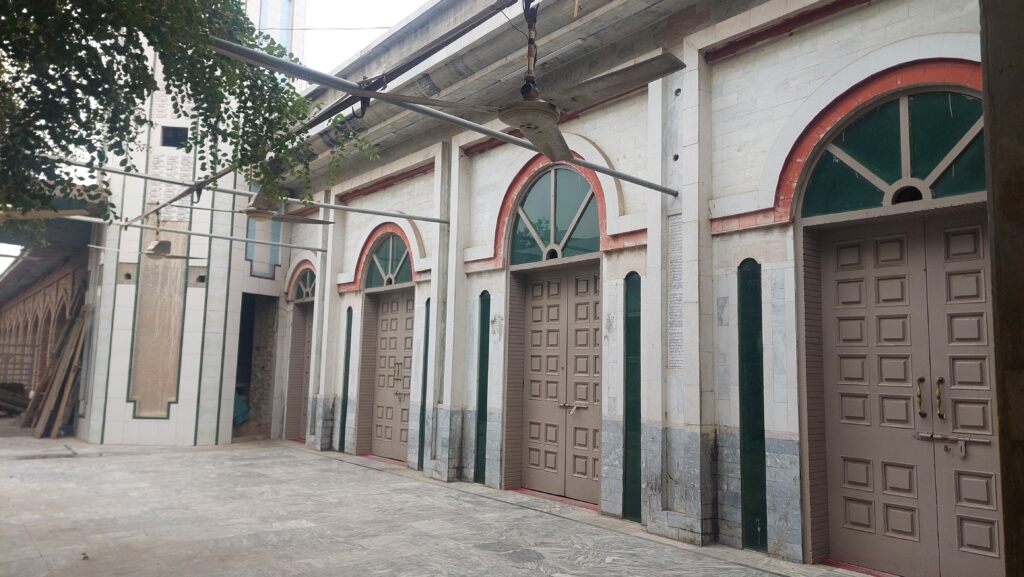
Another major structure is an impressive hall with a vast veranda. The hall is quite large and has two floors. The first floor has a balcony overlooking the hall. The wooden doors and huge beams supporting the roof add to the grandeur of the hall. The arches in the veranda and on the first floor are also a prominent feature of this building. On top of the building, two cupolas add to its beauty. It is a good example of early twentieth-century architecture.
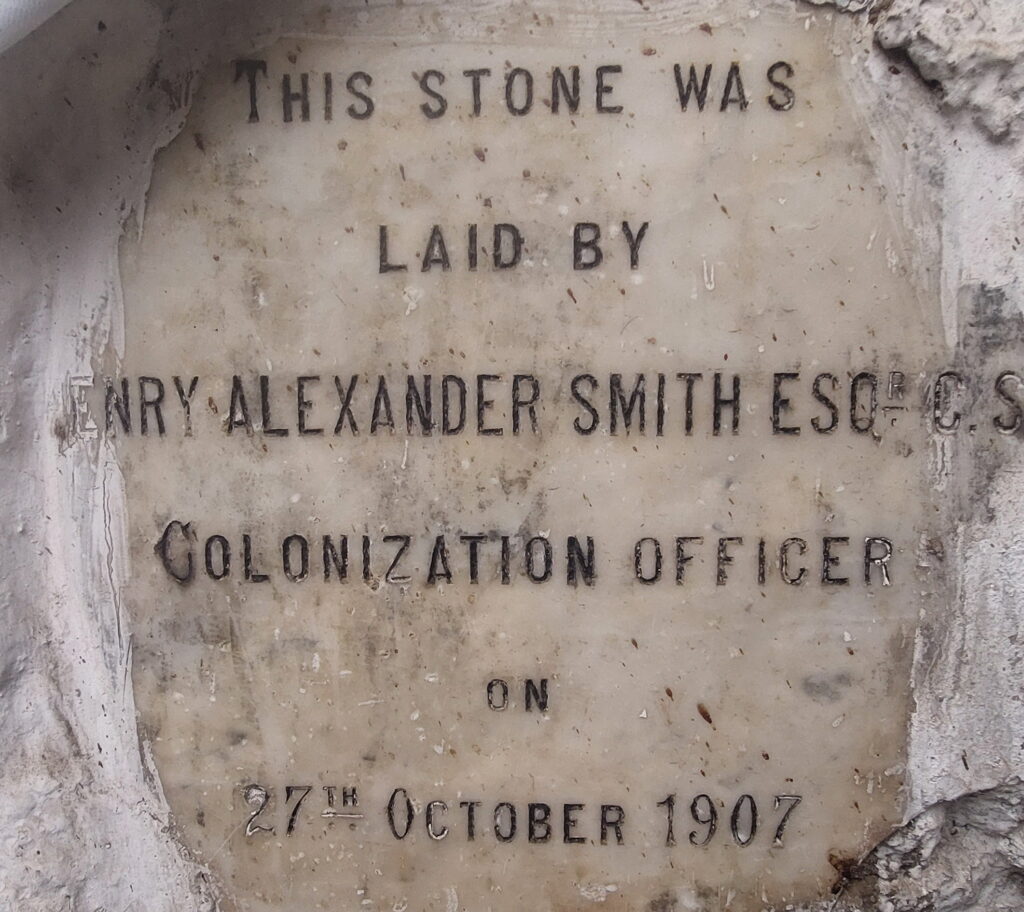
LAID BY
HENRY ALEXANDER SMITH ESQ C.S.*
COLONIZATION OFFICER
ON
27TH OCTOBER 1907
* Esquire Civil Service
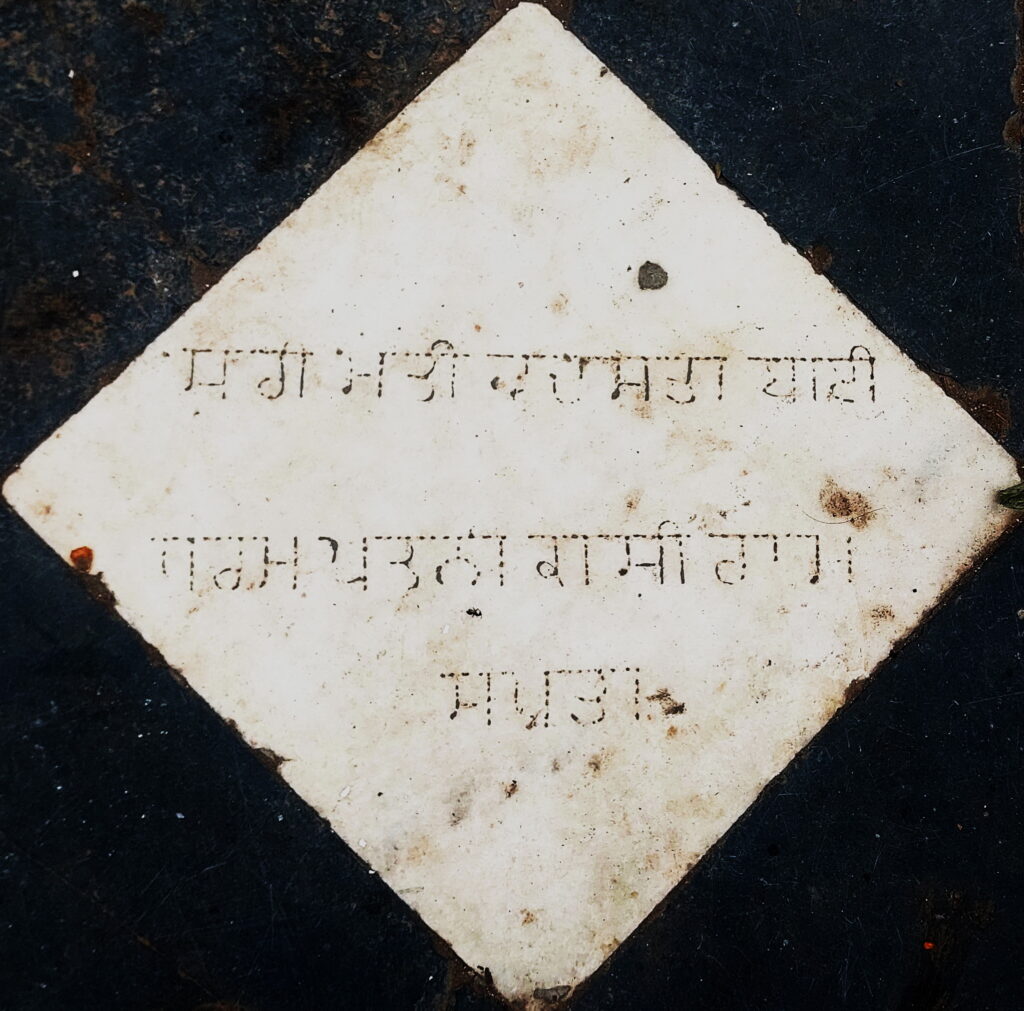
This plaque is fixed at the main entrance and is the most important inscription in the temple complex. It gives the date on which the foundation was laid. All the inscriptions given below are in Urdu and Gurmukhi, and they were found on the stairs leading to the larger spire of the temple.
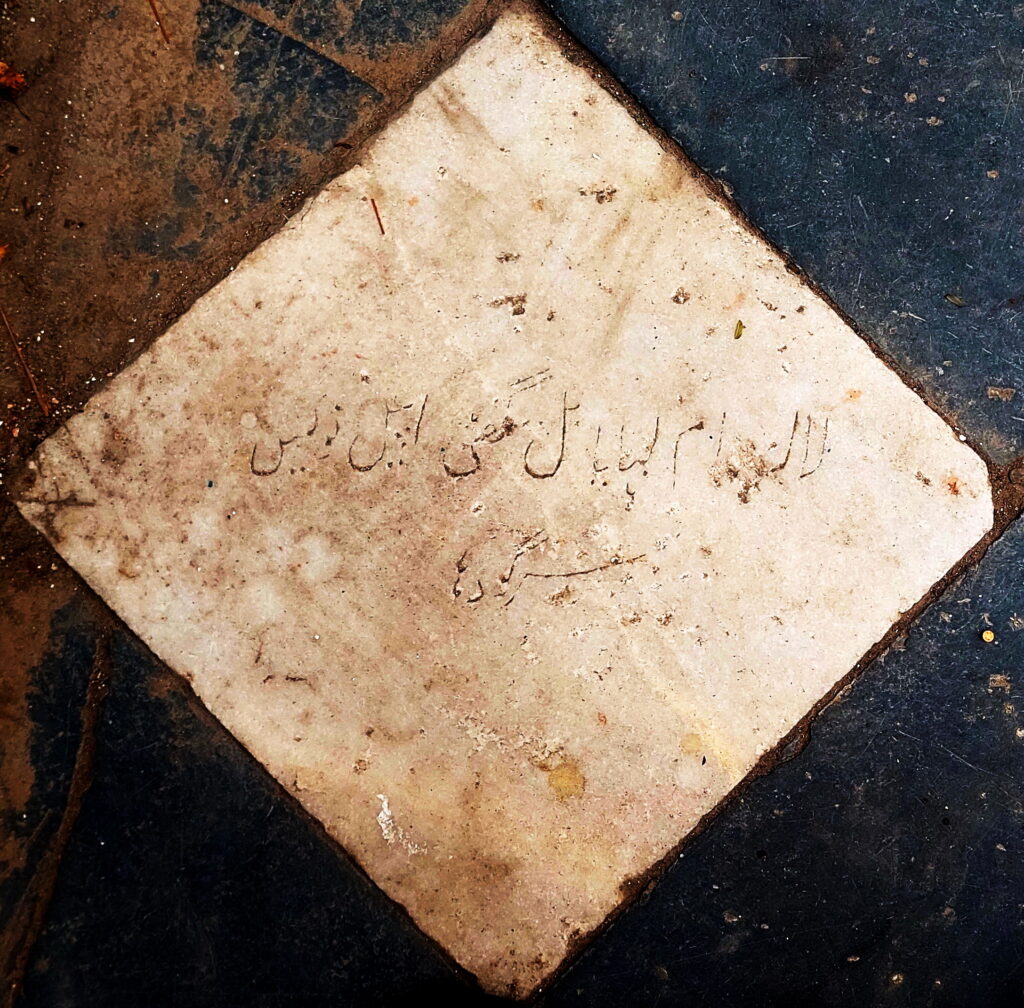
سرگودھا
लाला राम लभाया ………………. अपील नवीस
सरगोधा
Lala Ram Labhaya ………… Appeal Writer
Sargdoha
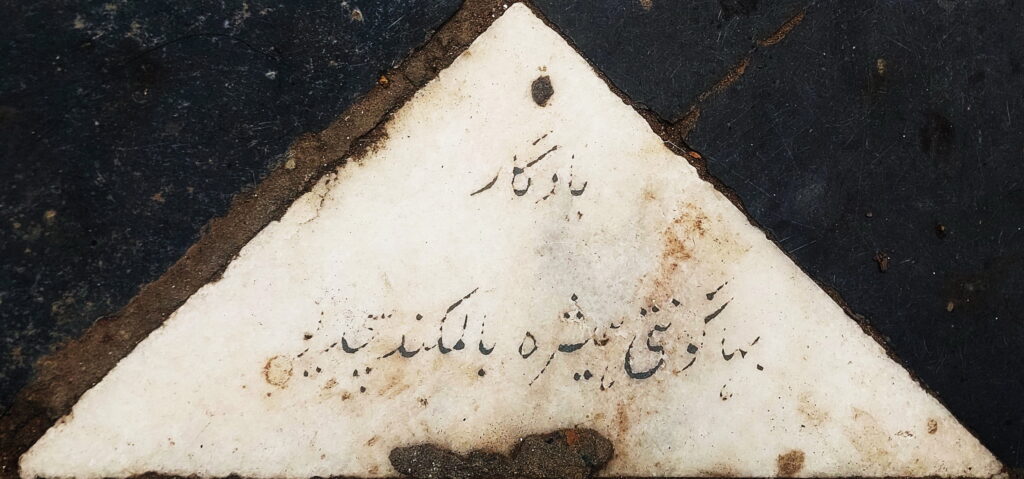
بھاگونتی ہمشیرہ بالمکند سچدیو
यादगार
भागवंती हमशीरा बालमुकंद सचदेव
Memorial
Bhagwanti sister of Balmukand Sachdev
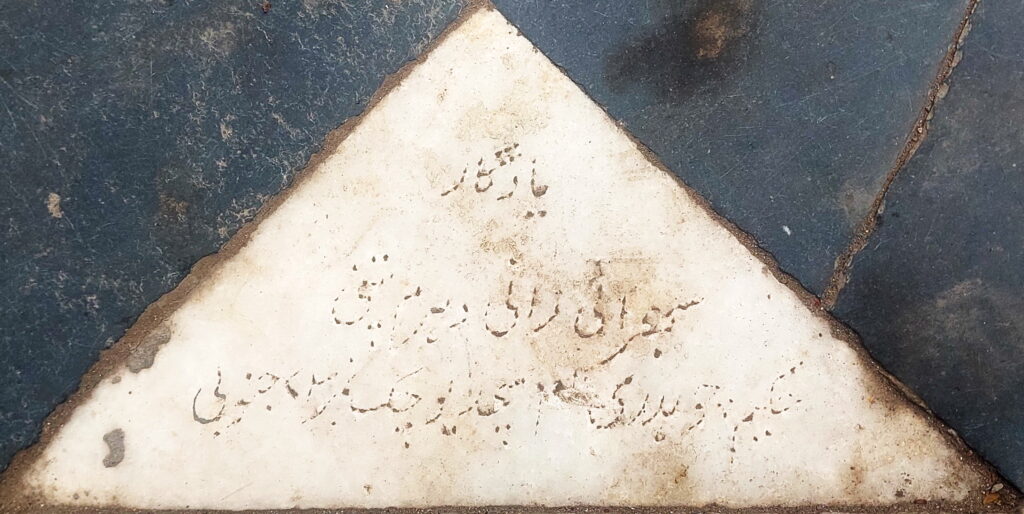
سبھرائی رانی دھرم پتنی
حکیم چوہدری —– سچدیو چک نمبر 73 جنوبی
यादगार
सुभराइ रानी धर्मपत्नी
हकीम चौधरी ——–सचदेव चक नंबर ७३ जनूबी
Memorial
Subhrai Rani w/o, Hakeem Chaudhry ——– Sachdev; Chak No. 73 Janoobi (South)
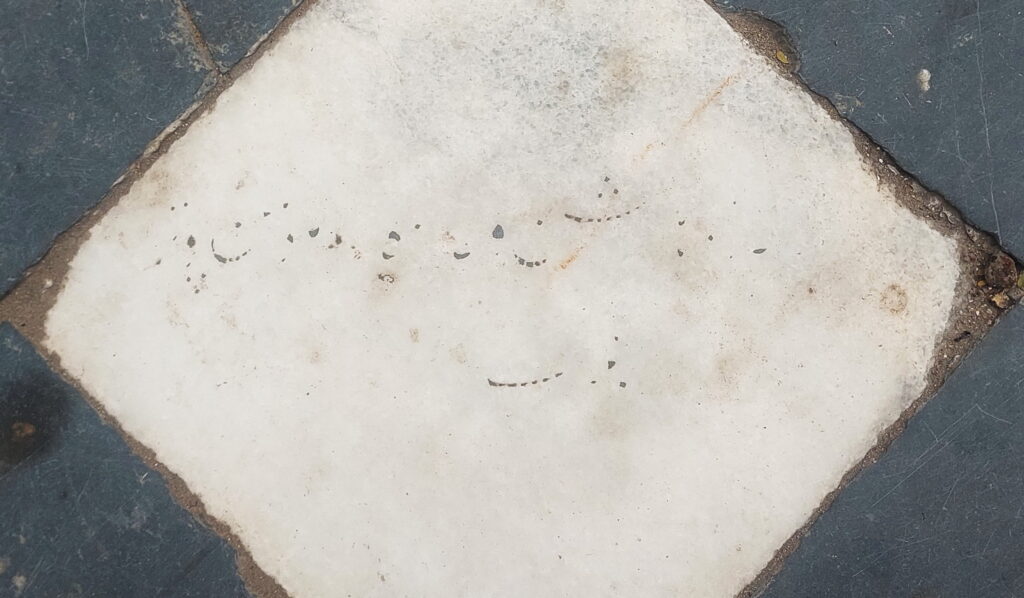
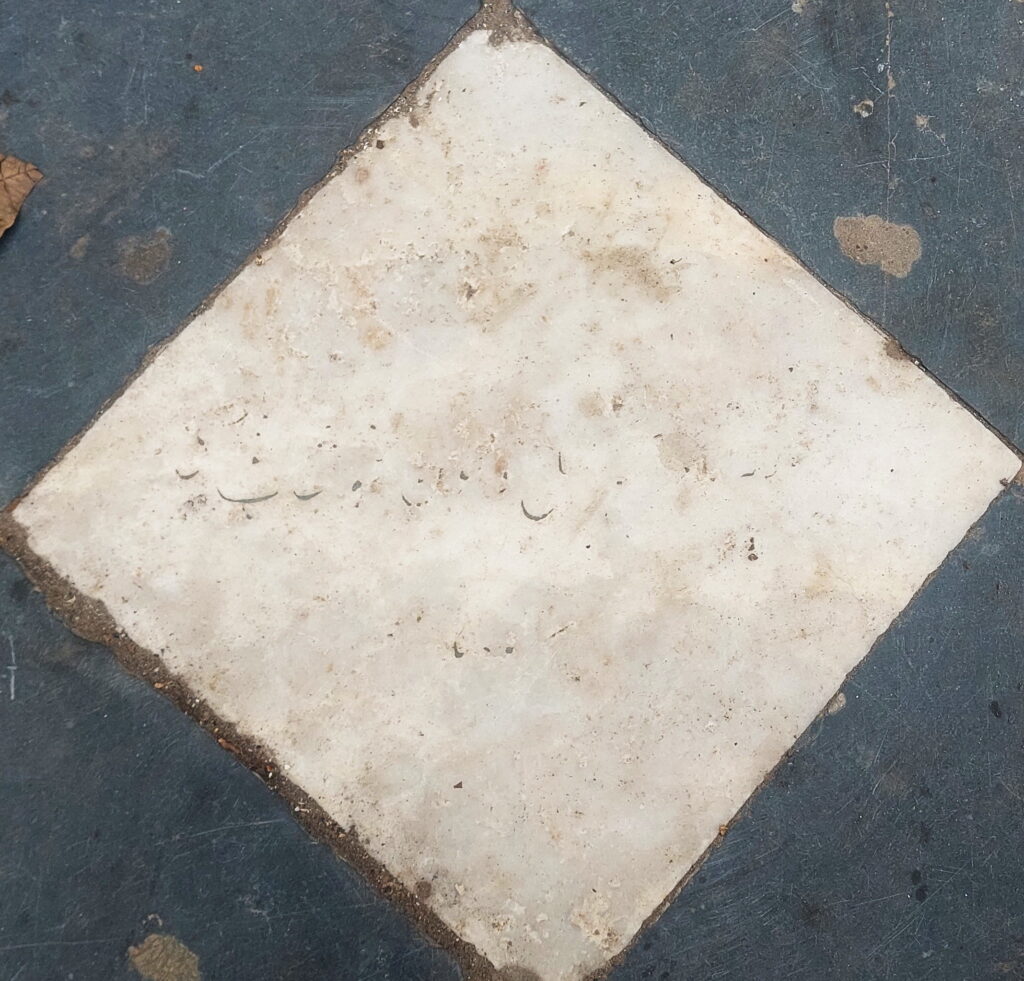
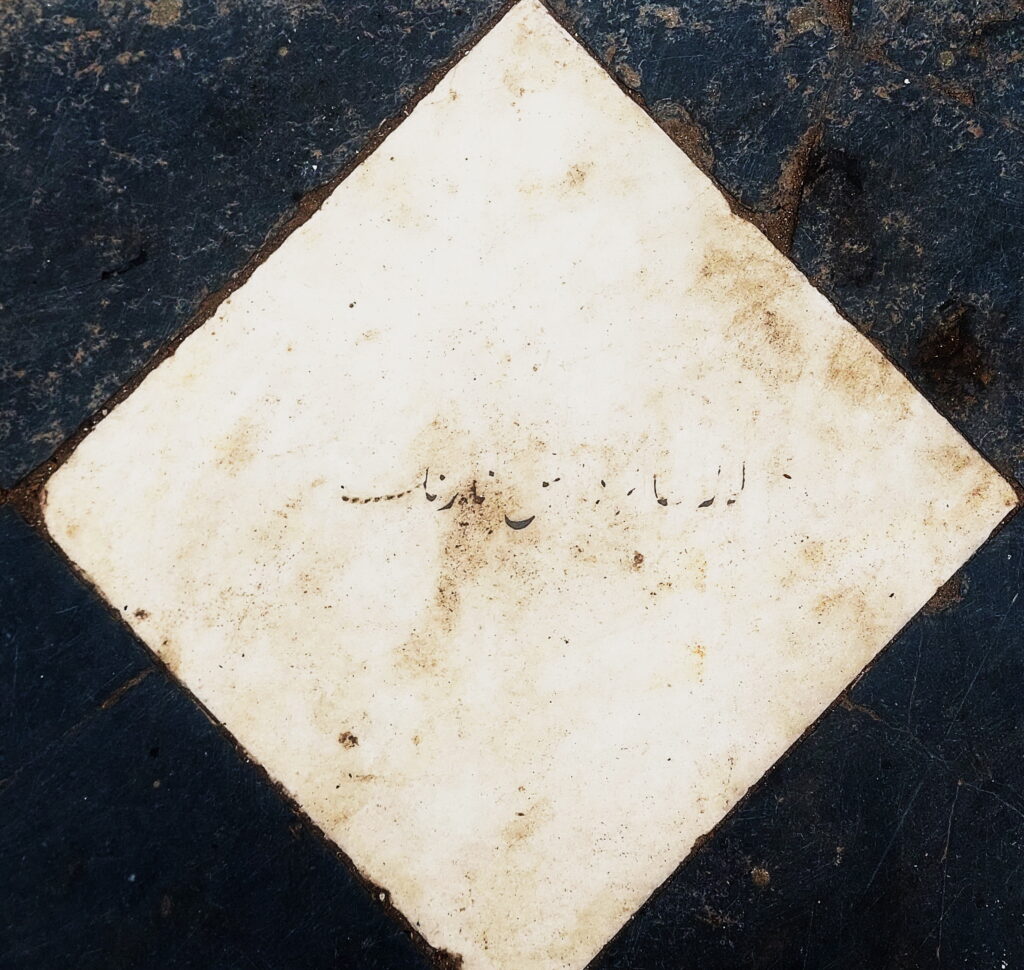
Lala —— Das Narang
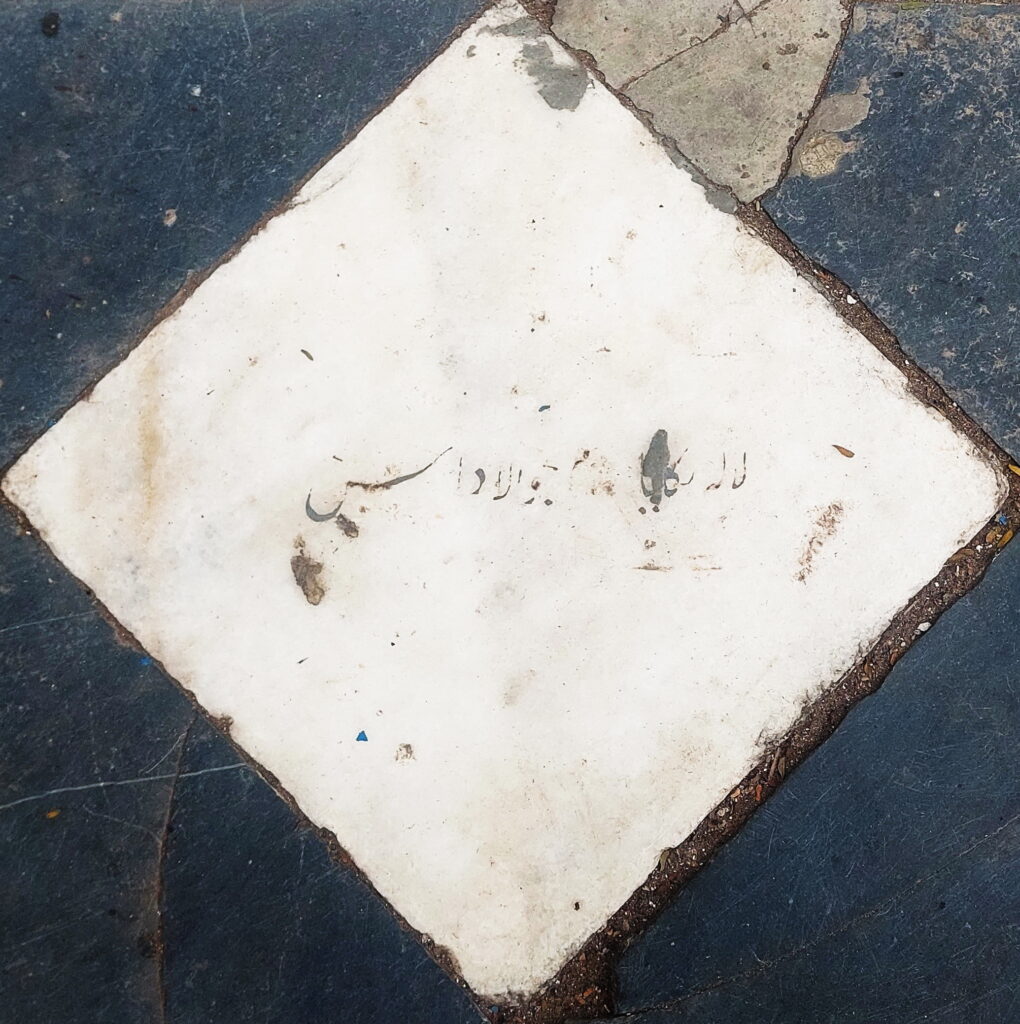
Lala ——- Rama Jawala Das
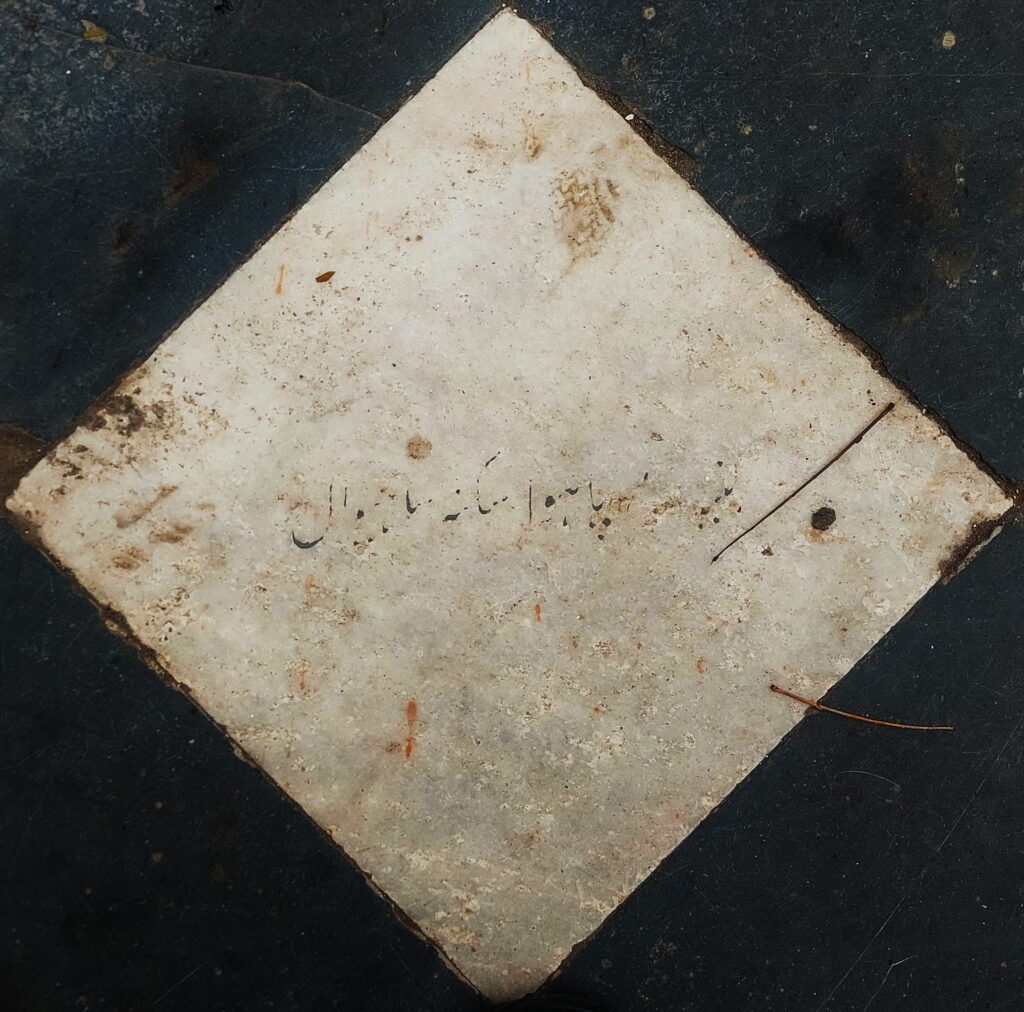
——- ——- ——— resident of Sahiwal
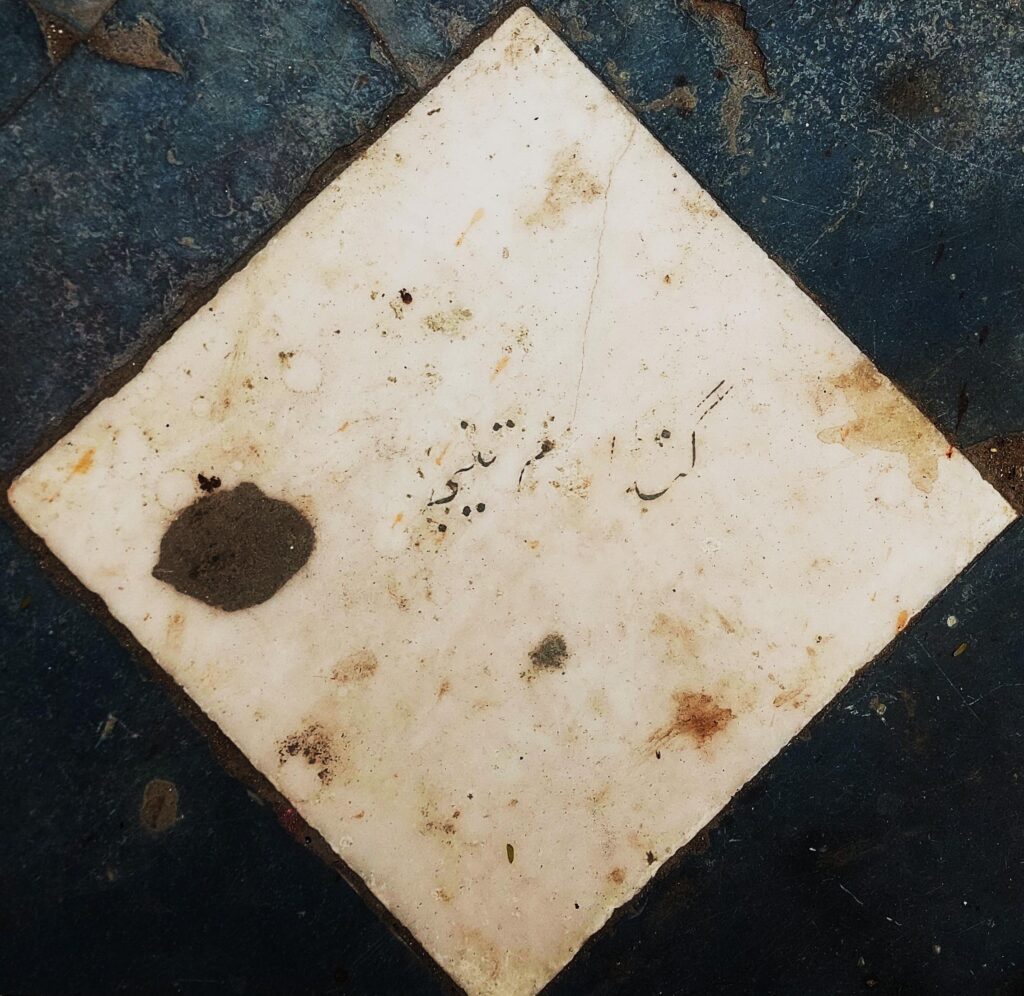
Ganda Ram Taneja
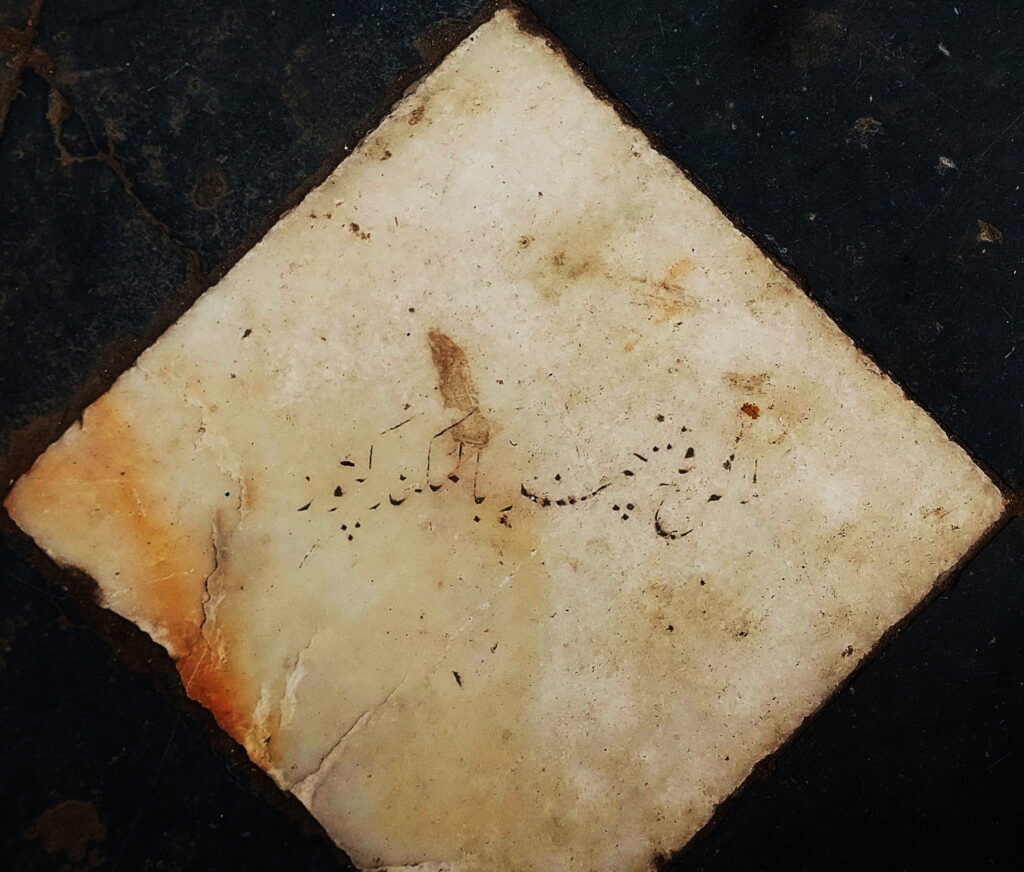
Lala Fateh Chand Balmukand Kapoor
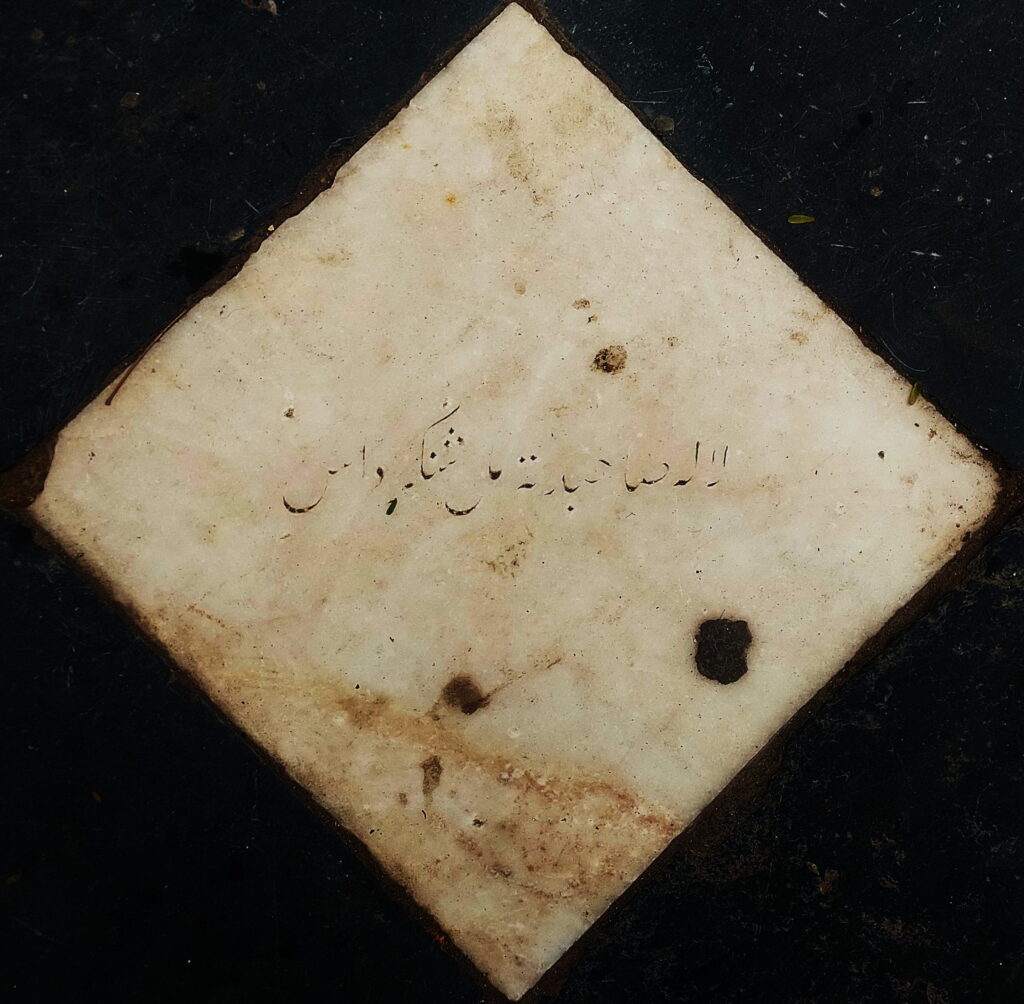
Lala Sahibditta Mal Shankar Das
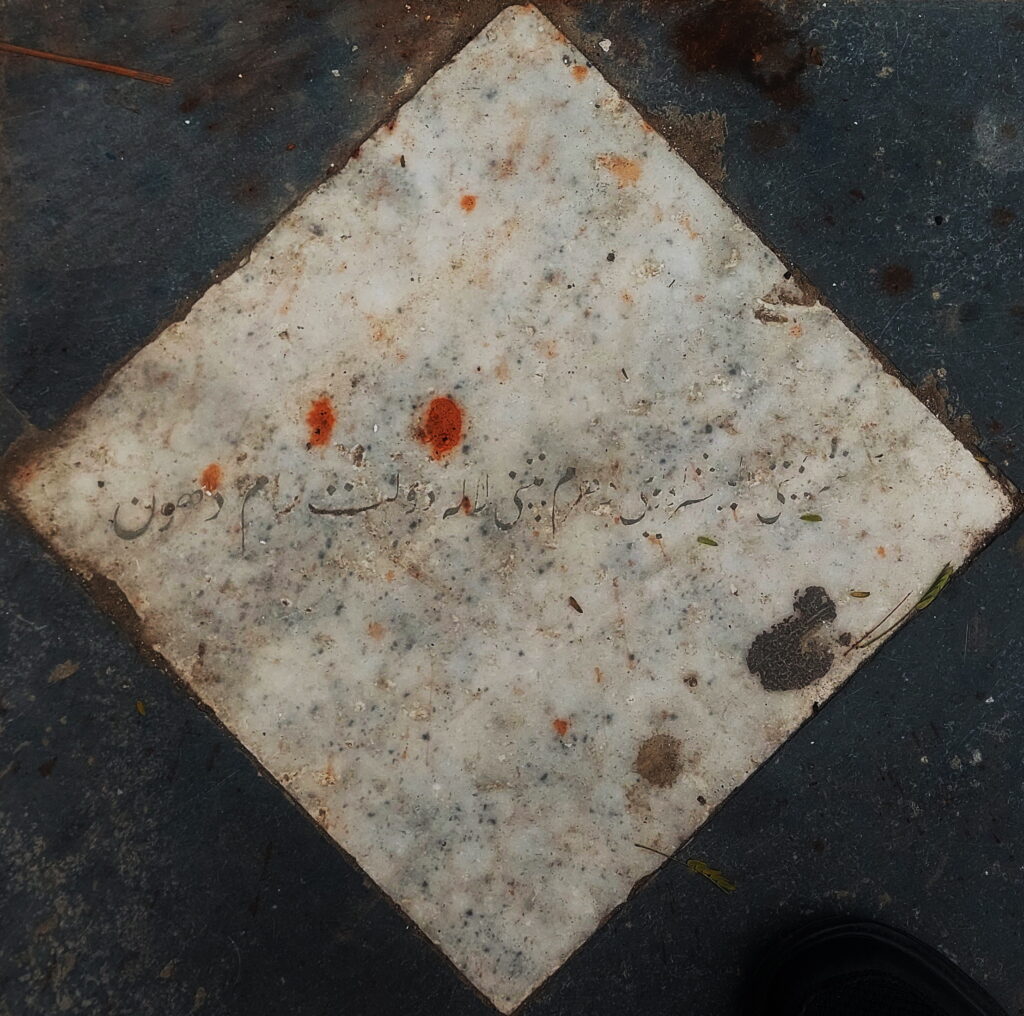
Shrimati ——- Devi w/o Lala Daulat Ram Dhon
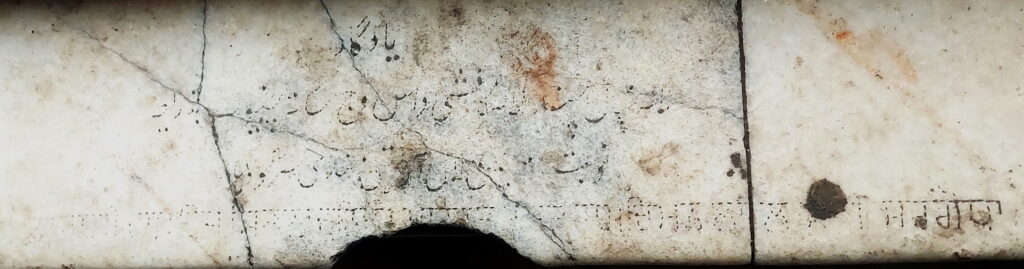
چند لالہ کانشی داس وج سکنہ چنیوٹ بذریعہ ————
نواسی سرگودھا —— —— —– —— ——
—– —————————————- ਚਿਮਨ ਲਾਲ —- ਸਰਗੋਧਾ
Memrial
——– Chand Lala Kanshi Ram Vij, resident of Chiniot through
———– ————— ————- residet of Sargodha
———- ———— ——— Chiman
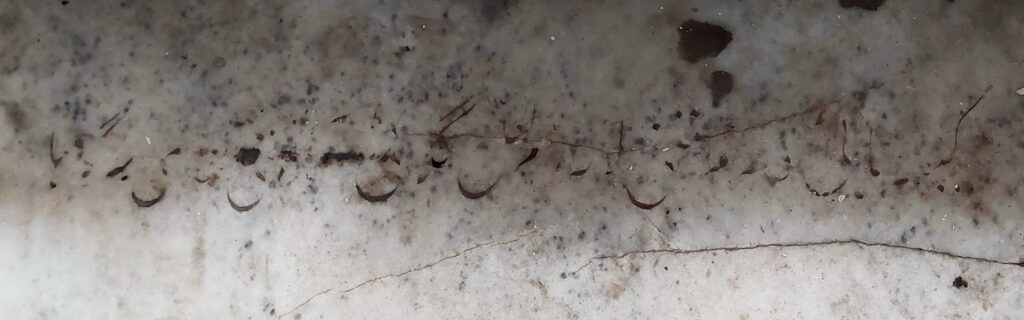
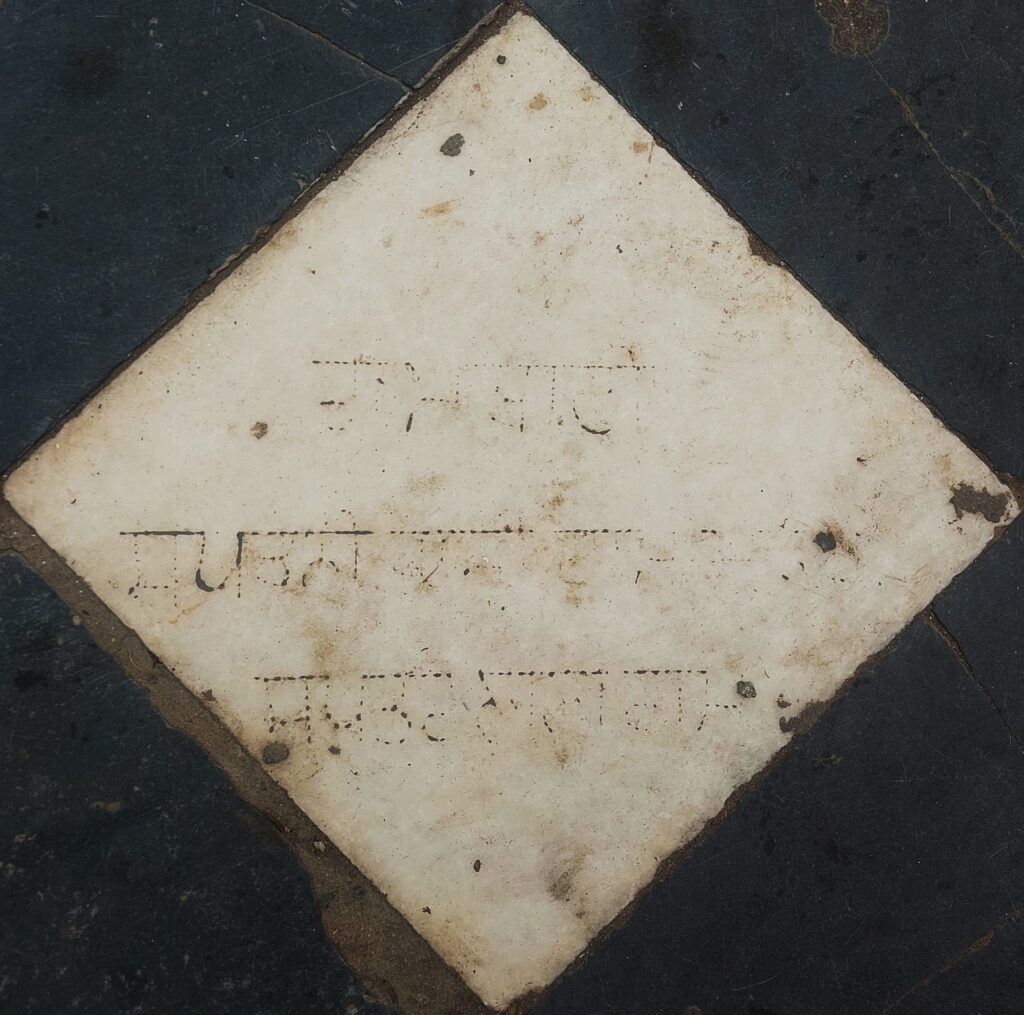
ਸਪੁਤਨੀ ਕਾਸ਼ੀ ਰਾਮ ……………..
ਸਪੁਤਰ ਲਾਲਾ ਰਾਮ
رام بائی
——- سپُتنی کاشی رام
سپُتر لالا رام
Ram Bai w/o Kashi Ram ——- s/o Lala Ram
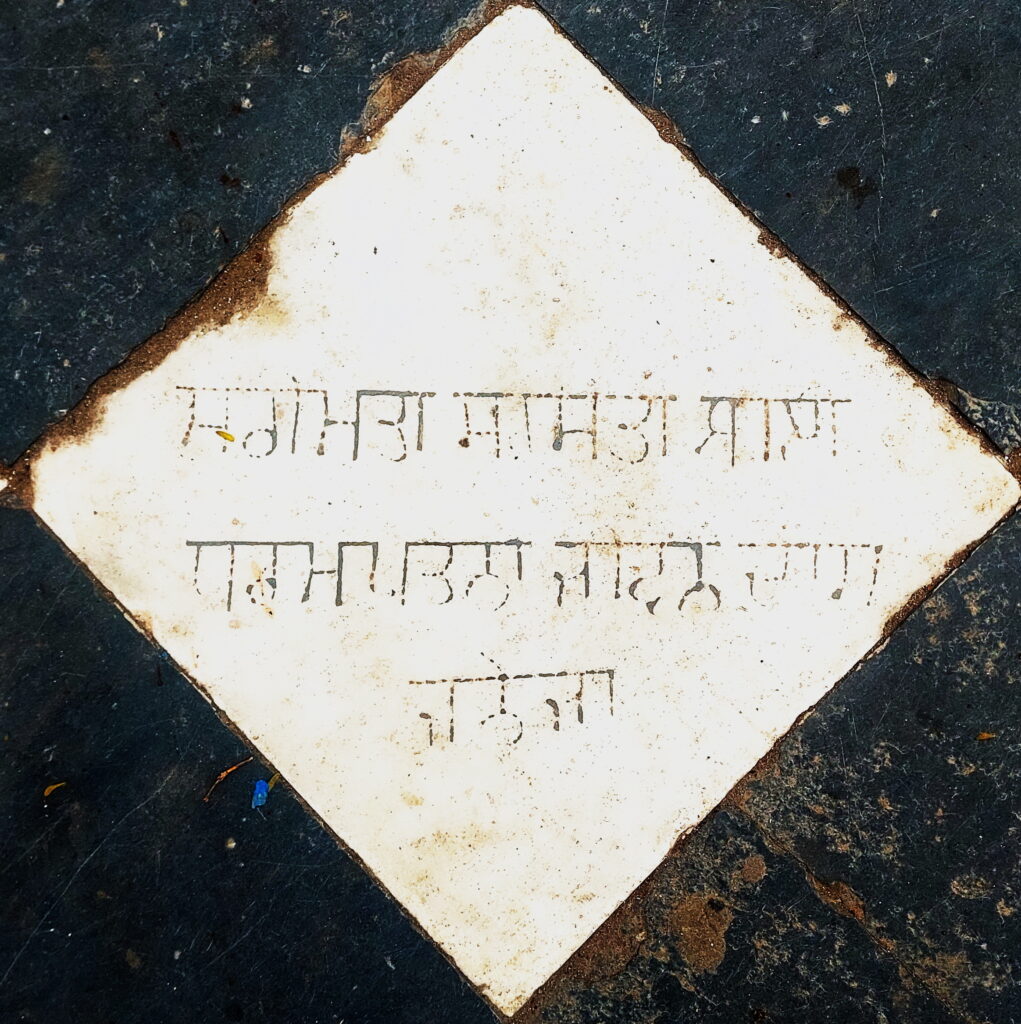
ਧਰਮਪਤਨੀ ਜੀਵਨ ਦਾਸ
ਜਨੇਜਾ
شریمتی سرستی بائی
دھرم پتنی جیون داس
جنیجا
Shrimati Sarasti Bai w/o Jiwan Das Janeja
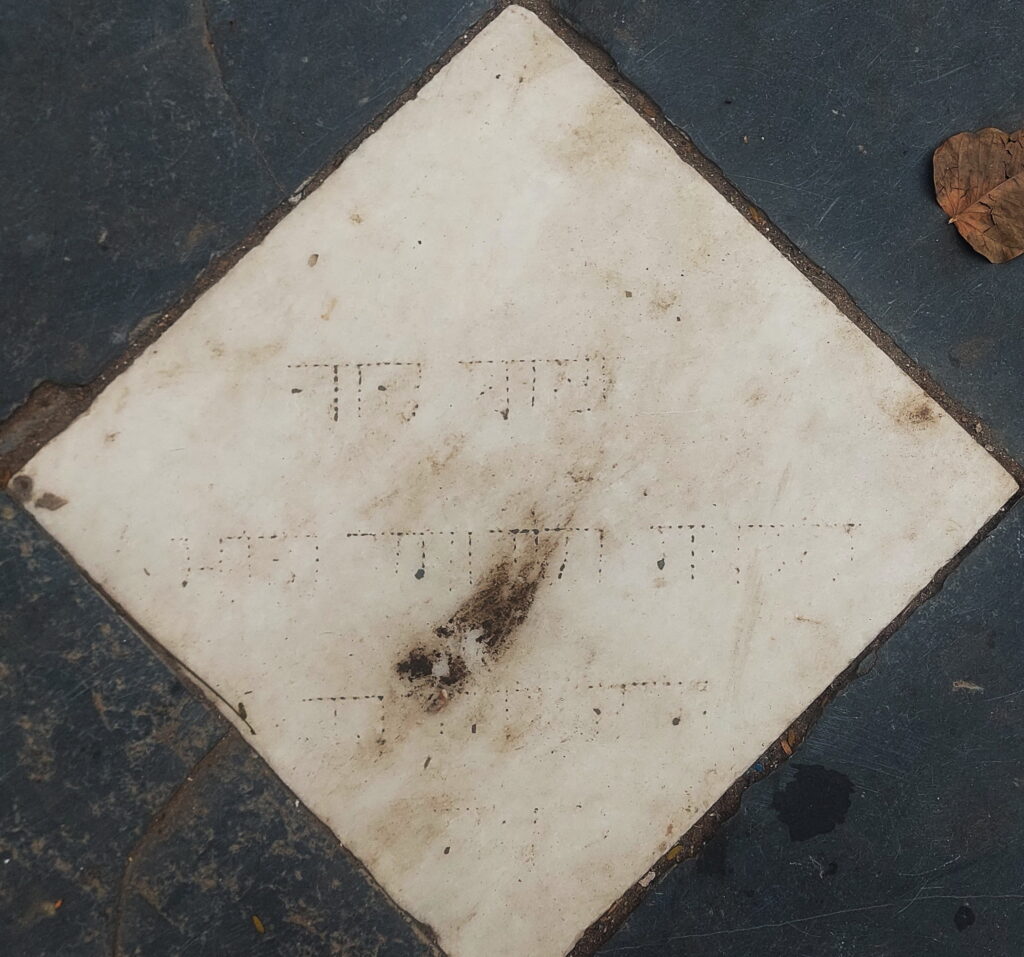
ਧਰਮਪਤਨੀ ਕਾਸ਼ੀ ਰਾਮ
ਸਪਤਾ
شریمتی ———- بائی
دھرم پتنی کاشی رام
سپتا
Shrimati ——- Bai, w/o Kashi Ram
Seven
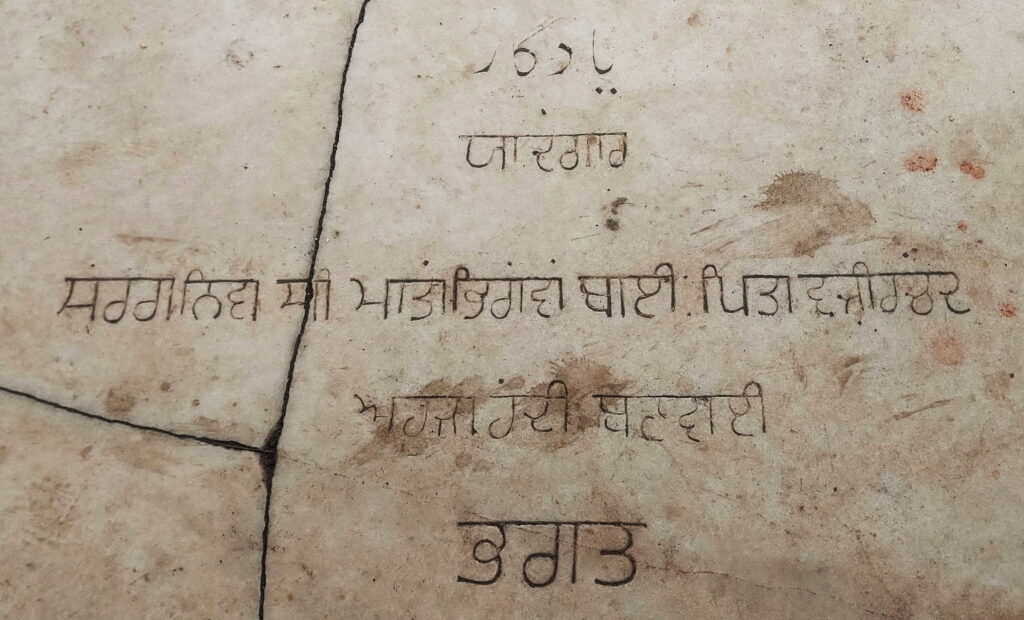
ਯਾਦਗਾਰ
ਸਰਗ ਨਿਵਾਸ ਮਾਤਾ ਭਿਗਵਾਂ ਬਾਈ ਪਿਤਾ ———
ਅਹੂਜਾ —— ਬਣਵਾਈ
ਭਗਤ
سرگنواسی ماتا بھِگواں بائی پِتا ——–
اہوجا —– بنڑوائی
بھگت
Memorial
Built by late mother Bhigwan Bai —– Ahuja —–
Bhagat
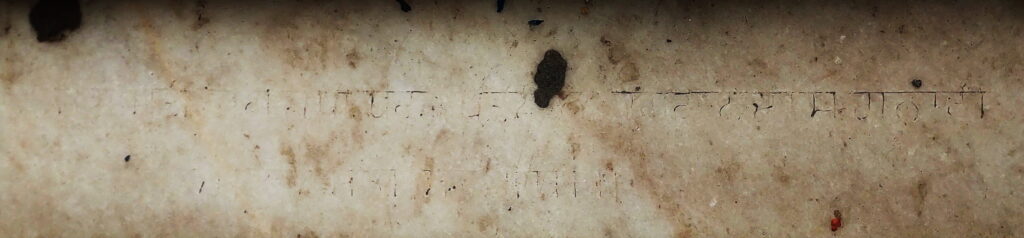
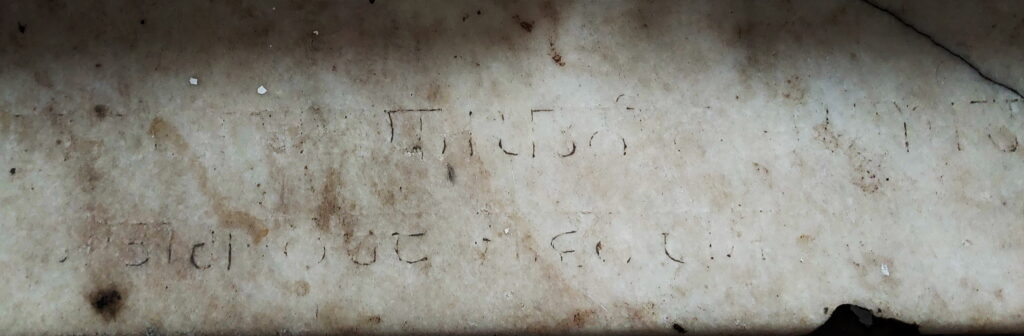
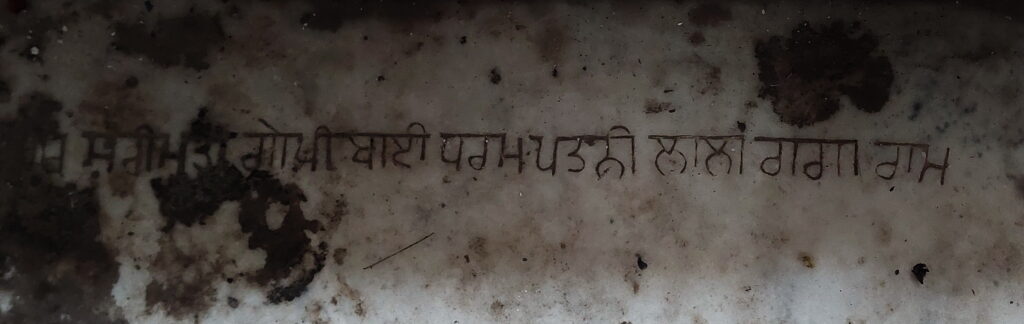
شریمتی گوپی بائی دھرم پتنی لالہ گنگا رام
Mrs / Lady Gopi Bai w/o Lala Ganga Ram
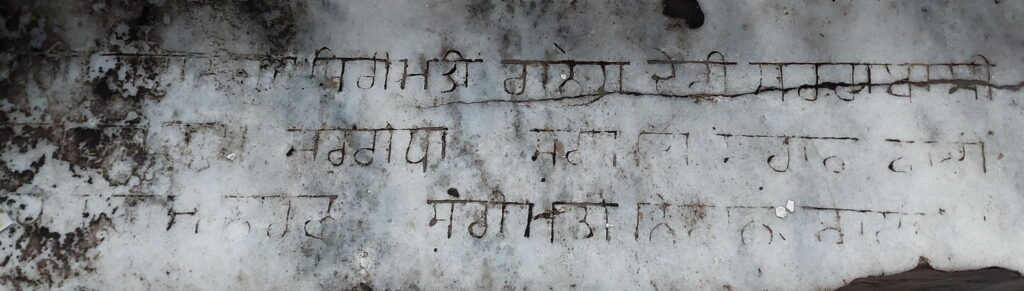
——— ਸਰਗੋਧਾ
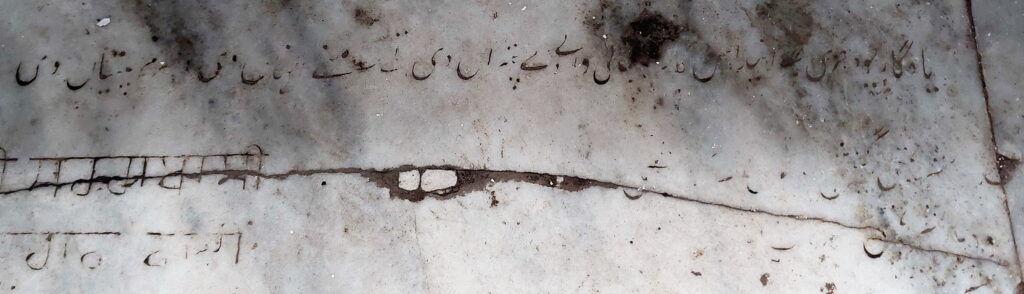
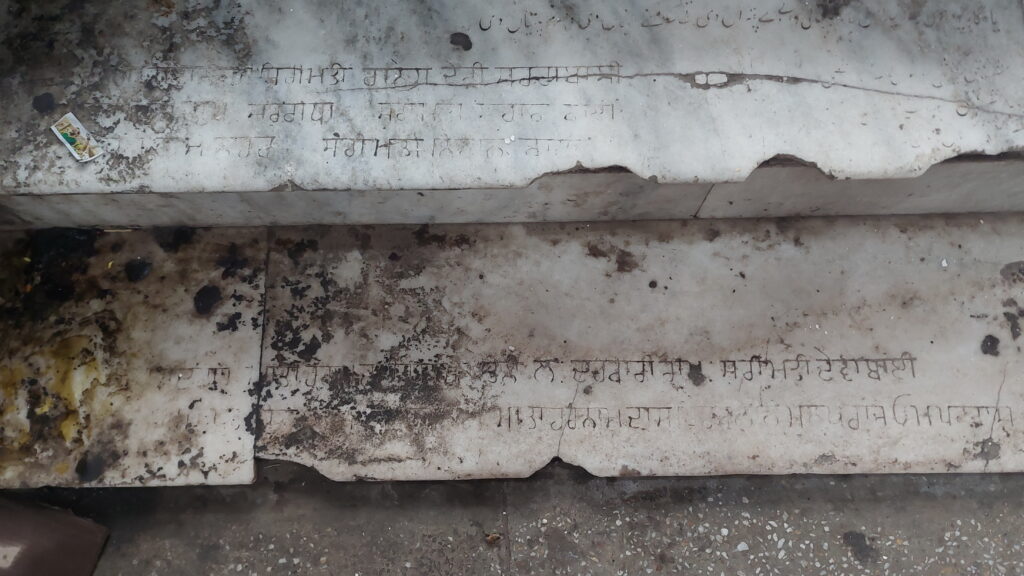
It is interesting to note that all the inscriptions are either in Urdu or Punjabi written in the Gurmukhi script. None is in Hindi. Perhaps, following the Sikh practice and out of respect, they avoided writing Hindi or Sanskrit alphabets on the ground. This is an observation I have made in Sikh gurdwaras as well, where inscriptions placed on the ground are always written in Urdu, while plaques fixed on walls are invariably in Gurmukhi.
Current Situation
At present, the temple is being used as a mosque and a madrassa (religious school) by the Shia community of the city. The madrassa was established in 1949, following the departure of the Hindu population in 1947. Hence, the complex currently houses both a mosque and a madrassa building.
Tariq Amir
Islamabad
March 2, 2026.
Your message has been sent