
History
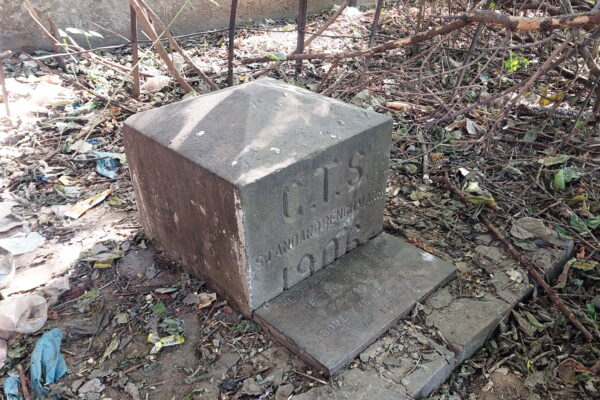
208. The Great Trigonometrical Survey of India: St. John’s Church, Jhelum.
In my previous blog, I took readers on a tour of a beautiful and historic church in Jhelum called St. John’s Church. As I mentioned in that post, my interest in visiting this church was driven by a commemorative plaque installed inside the church to honour 36 British soldiers killed during the Mutiny of 1857….
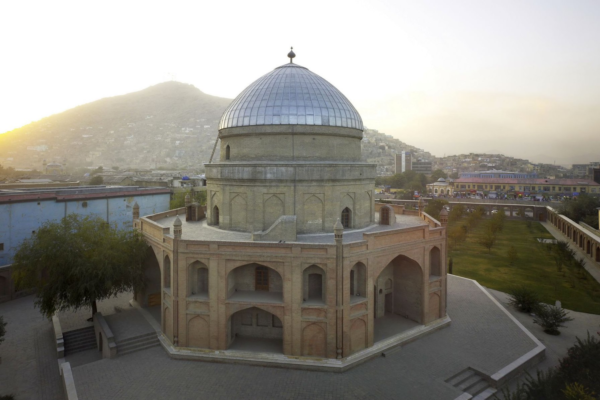
169. Timur Shah & Zaman Shah’s Invasions of Punjab (1774 – 1799)
Ahmad Shah Abdali, the founder of the modern Afghan state, died in 1772. During his reign of 25 years, he invaded Punjab and North India 10 times. He annexed Punjab up to Sirhind and conquered Kashmir. Sindh also acknowledged his suzerainty and paid tribute. However, his control over Punjab was precarious, and he could not…
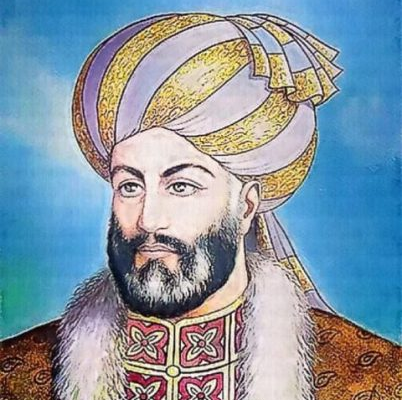
168. Ahmad Shah Abdali’s Ten Invasions of Punjab / North India!
Ahmad Shah Abdali was a famous king of Afghanistan in the 18th century. He is considered the founder of modern Afghanistan and for Afghans, he is a national hero. Even in Pakistani mythology, he stands on a high pedestal. Though I am not sure why. After all, we the inhabitants of this region were at…
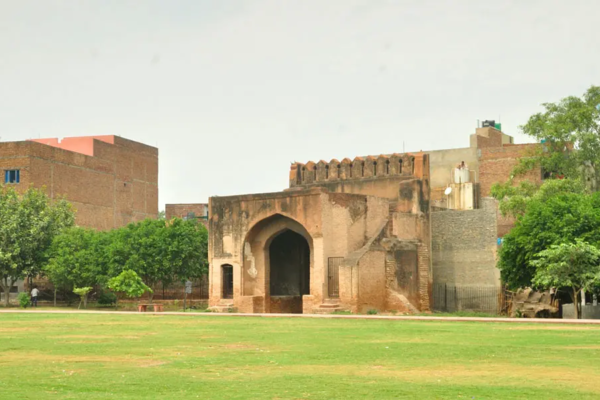
167. The Grand Trunk Road aka The Kings Road: Delhi To Kabul!
The Grand Trunk Road, running from Kabul in the rugged Hindu Kush mountains to Sonargaon in the verdant plains of Bengal, is definitely among the most famous highways in the world, if not the most famous. Let me add here that several termination points of this great thoroughfare are given in Bengal, including Teknaf. It…

132. Rise of the Sikh Power in Punjab
A question often intrigued me: exactly when did the Sikhs conquer Punjab, i.e., in which year did Punjab fall to them? Gradually, I realized that it did not happen as a result of a single battle or war between two clearly identified adversaries, as, for example, we can mention the Third Battle of Panipat, the…
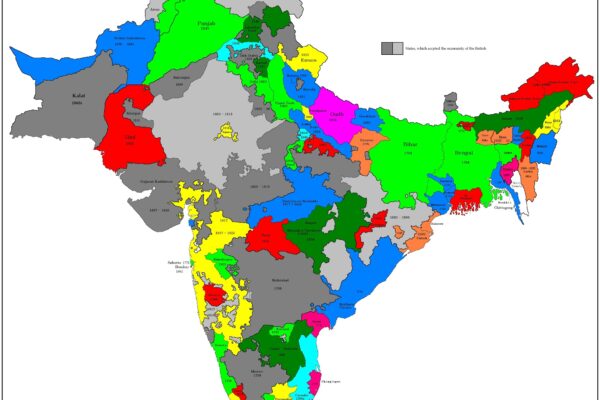
053. British Conquest of India
The 15th century marked a turning point in the history of Europe and the world at large. During this century, the Renaissance was in full swing, and Europe began to surge ahead of the rest of the world in the fields of science, technology, and exploration. While Italy led in art and culture, Portugal and…
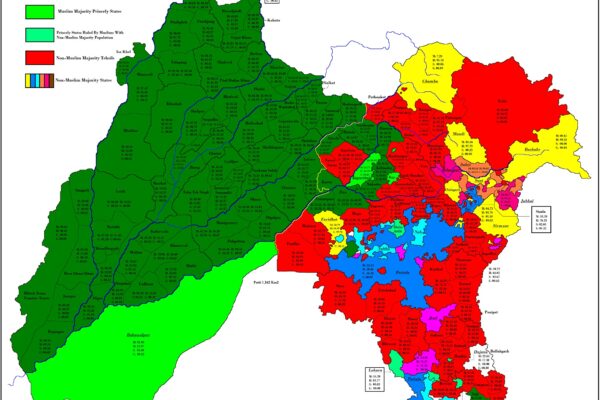
051. The Last Assembly (Punjab Provincial Assemly: 1946 – 1947)
A few weeks ago, I came across a website listing the names of all the members of the Punjab Assembly of 1946–1947. Students of history will readily understand the significance of this information, as this was only the second, and the last, elected assembly of the Province of Punjab in British India. It was this…
045. Making & Naming Of Pakistan
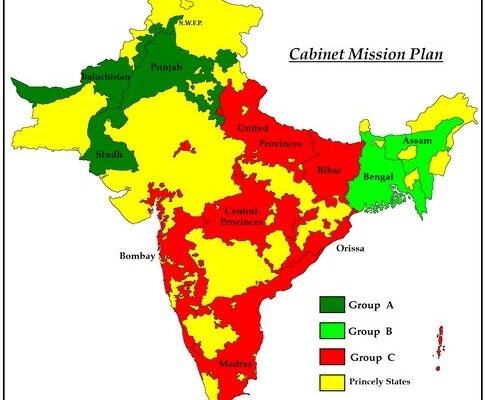
Stanley Wolpert (born December 23, 1927) is an American historian. Among Wolpert’s well-known works is Jinnah of Pakistan (1982), a biography of Muhammad Ali Jinnah. Wolpert described his subject as: “Few individuals significantly alter the course of history. Fewer still modify the map of the world. Hardly anyone can be credited with creating a nation-state….
039. Punjab & The Rebellion Of 1857
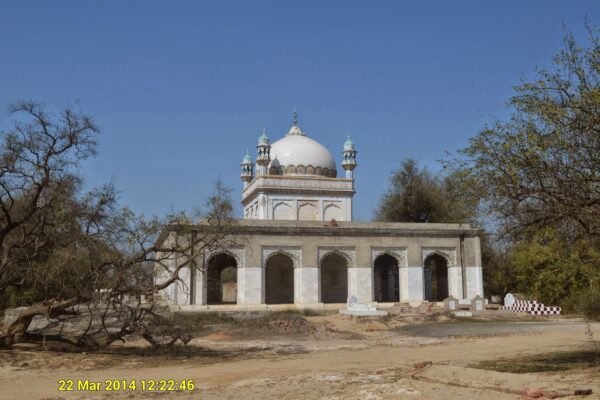
For a long time, I was under the impression that during the rebellion of 1857 in India, Punjab remained totally peaceful and there was no disturbance at all. However, as I read more about this event, and especially when I focused on Punjab, I realized that I was only partially correct. It is true that…
017. Rasulnagar – A Historical City: Battle Of Ramnagar, Residence of Maharaja Ranjit Singh, A Hindu Temple and Fort of Alipur Chatha.
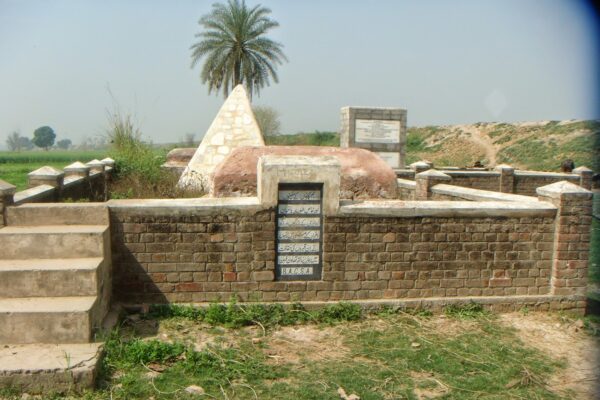
Rasulnagar is a small but historically significant town in the Gujranwala District. It is situated near the River Chenab and was once a busy ford used to cross the river. I visited this town on March 16, 2011, in search of any monuments or historical remnants related to the Battle of Ramnagar. Before going further,…