
227. A Century-Old Historic Hindu School in Chakwal.
Chakwal has many historical schools built before the Partition of 1947. Fortunately, I was able to visit three such schools, which were established by the Sikh and Hindu communities of the area. I have also briefly covered the history and demographics of the district of Jhelum, of which Chakwal remained a tehsil until 1984. I visited these schools on 14 May 2026, and this was the third school on my itinerary. The first two were Munshi Sant Singh Khalsa School, Chakwal, and Arya Samaj School, Chakwal.
Before 1947, Chakwal was a multi-religious city. Hindus and Sikhs formed a large part of its population and were particularly prominent in trade and business. Being comparatively more prosperous and educated, they also played a key role in the development of educational institutions throughout the district. This school was one of the many institutions established during that period. To get an idea of the population demographics of Chakwal city, refer to the table below.
| Population of the Towns of the District Jhelum (According to the Census of 1941) | |||||||
| Towns | Total | Muslims | % | Hindus | % | Sikhs | % |
| Jhelum | 33,191 | 19,416 | 58.50 | 8,936 | 26.92 | 3,950 | 11.90 |
| P.D. Khan | 11,445 | 7,803 | 68.18 | 3,318 | 28.99 | 305 | 2.66 |
| Talagang* | 8,828 | 5,658 | 64.09 | 2,064 | 23.38 | 1,102 | 12.48 |
| Chakwal | 11,835 | 6,684 | 56.48 | 2,799 | 23.65 | 2,388 | 20.18 |
| Bhaun* | 6,608 | 4,494 | 68.01 | 1,552 | 23.49 | 562 | 8.5 |
Location:
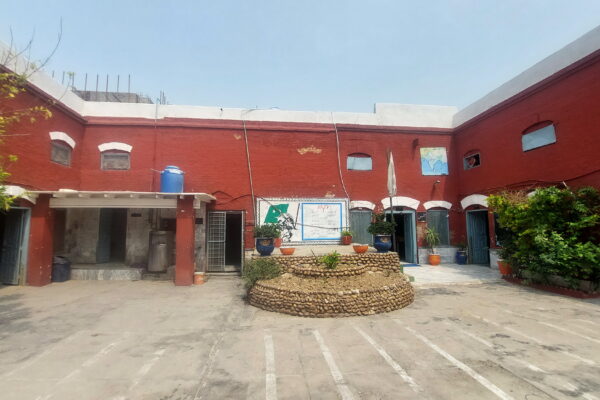
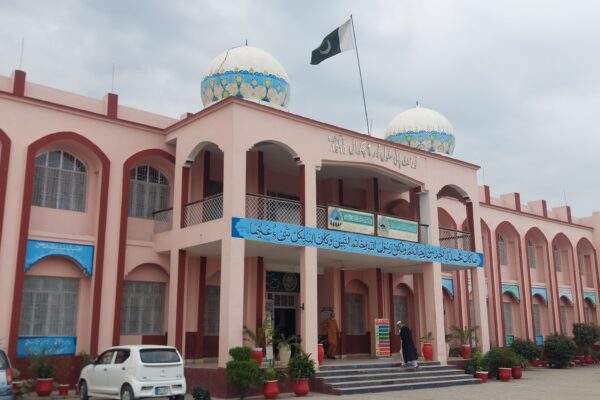
The school is located in the centre of Chakwal city on Talagang Road, about 300 meters to the east of the famous Government Boys High School No. 1, at 32°55’57.37″N, 72°51’29.19″E. For more clarity and instructions to reach there, kindly refer to the Google map, given at the end. Currently, this building is serving as the Government Girls Primary School.
Building:
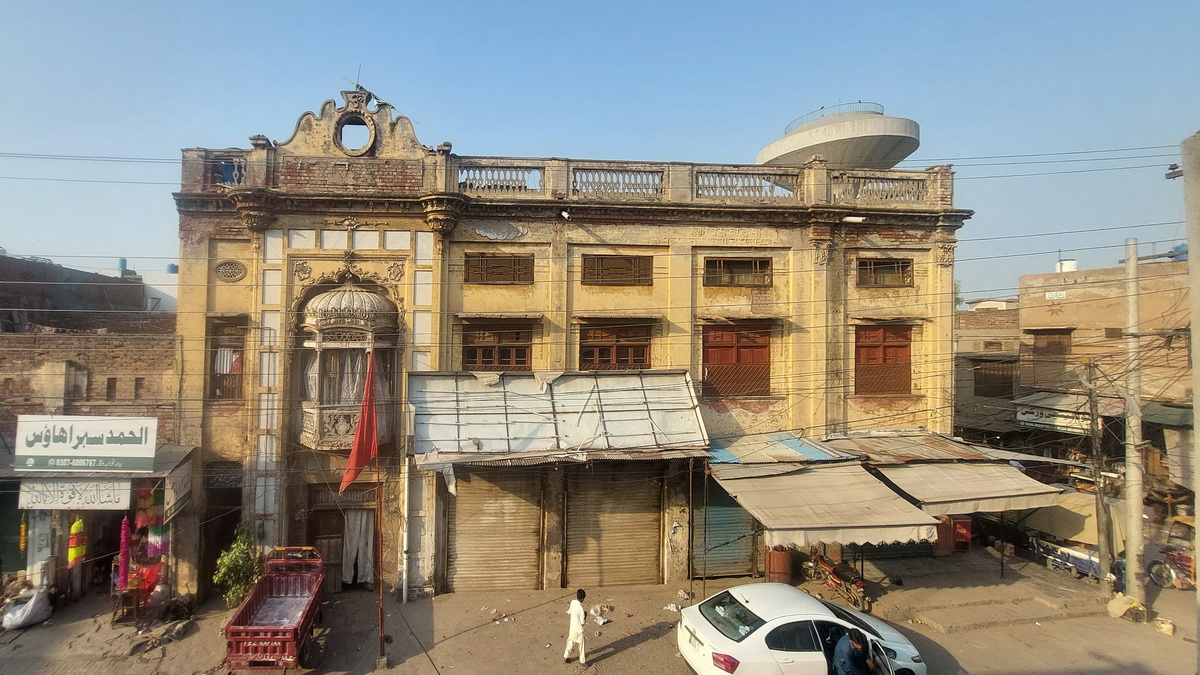
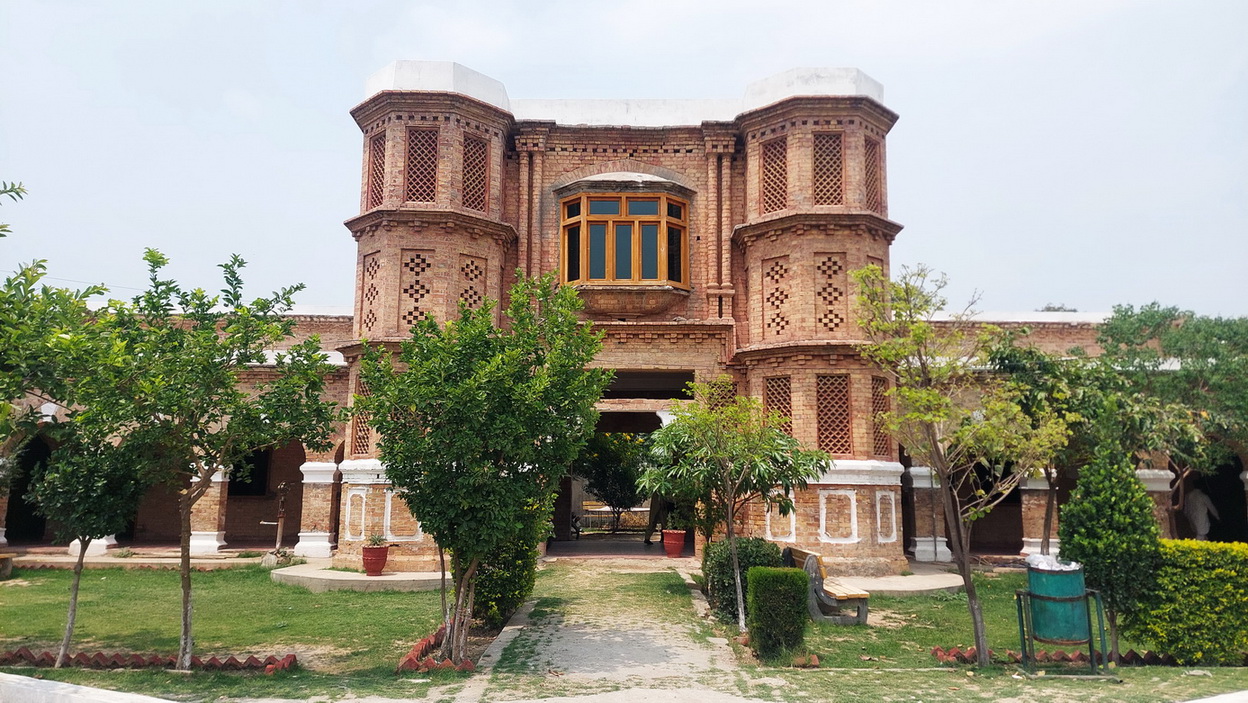
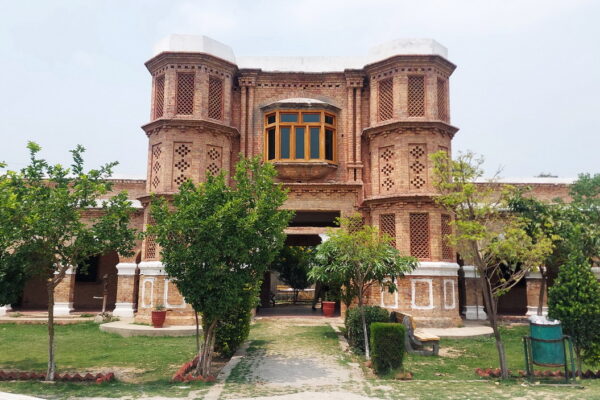
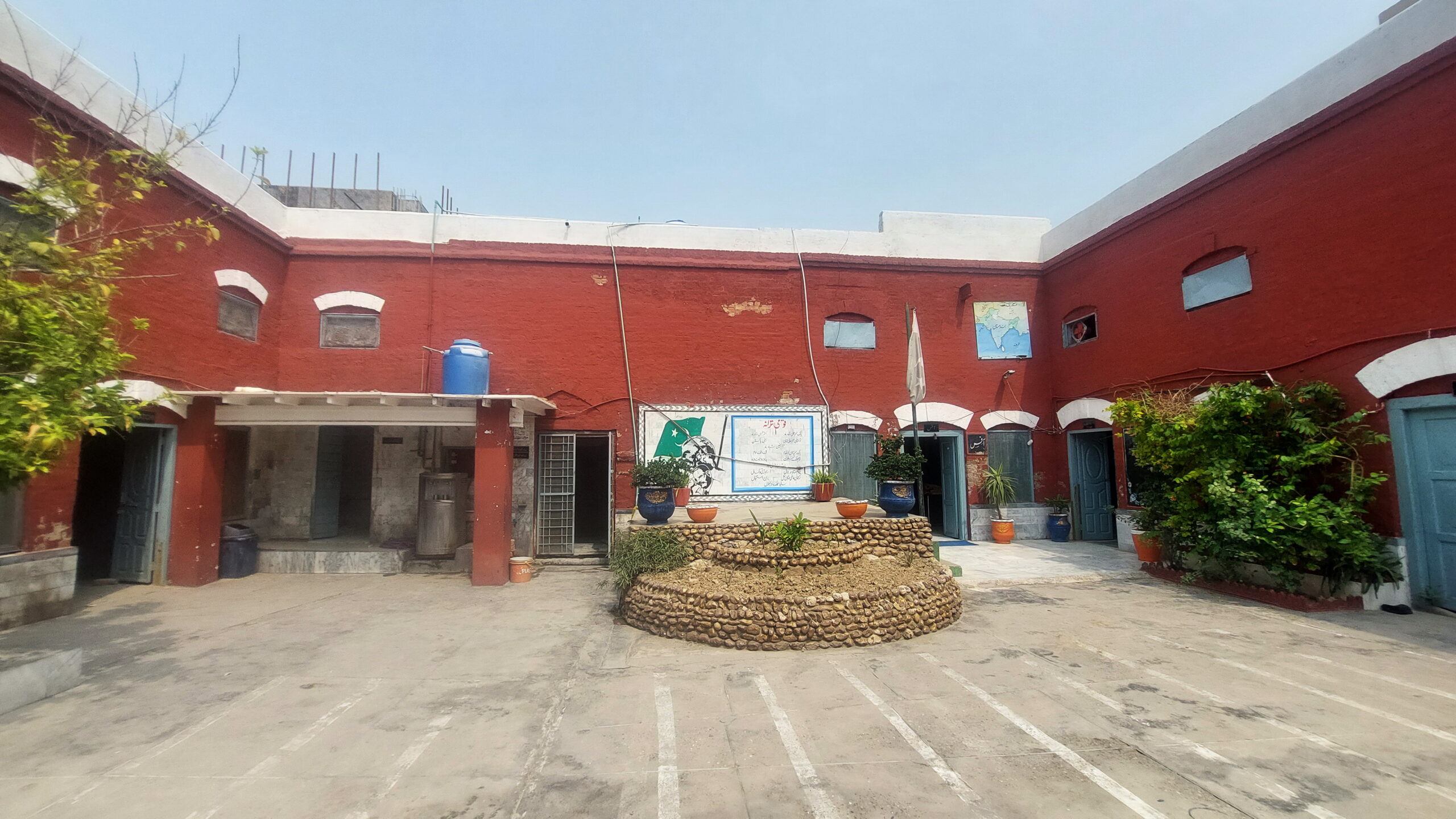
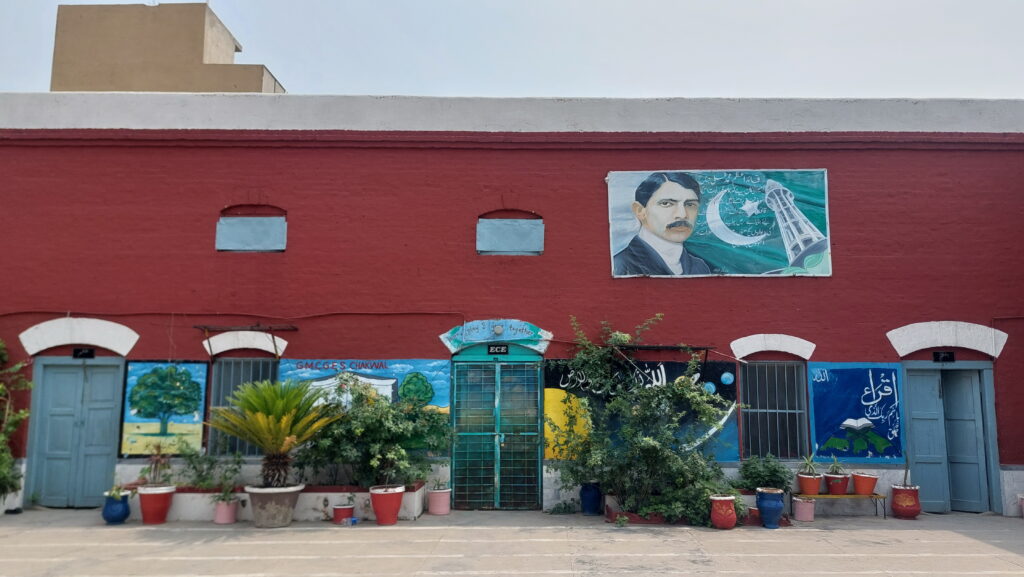
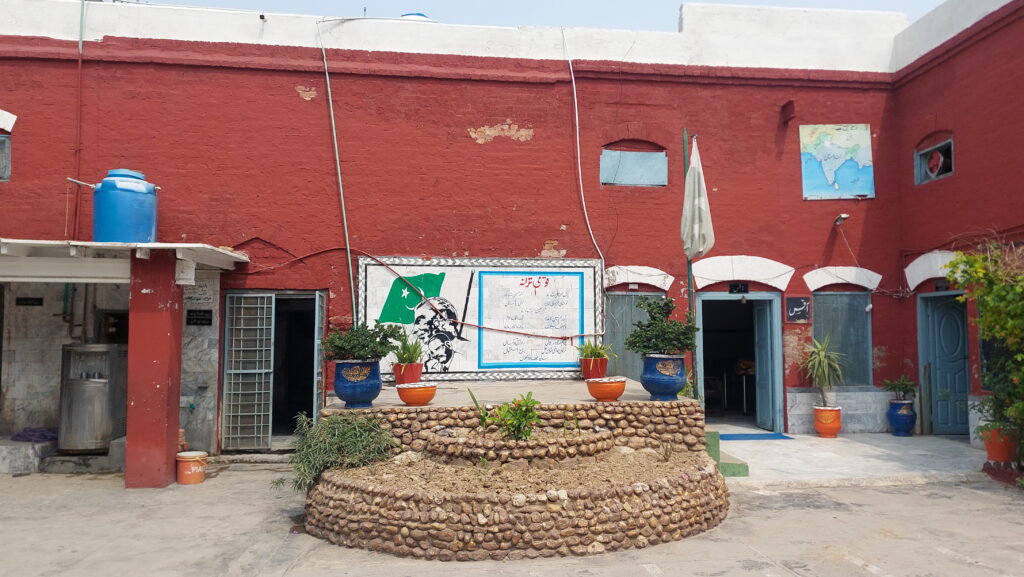
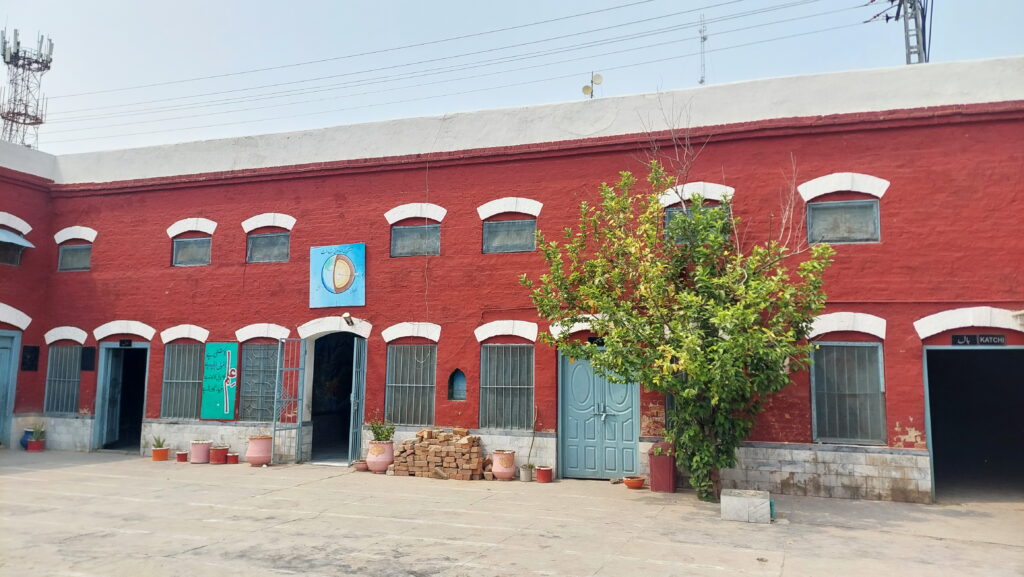
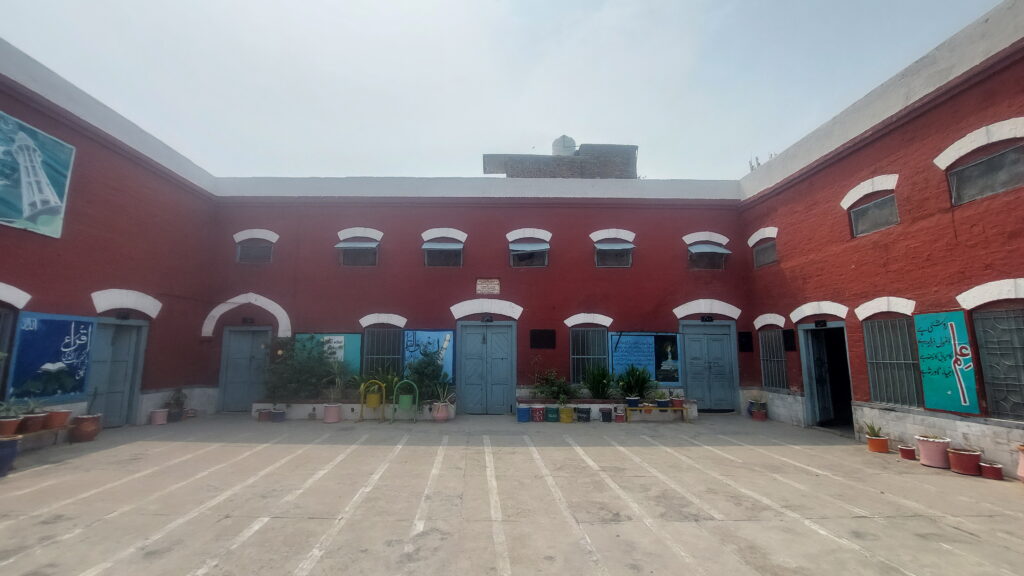
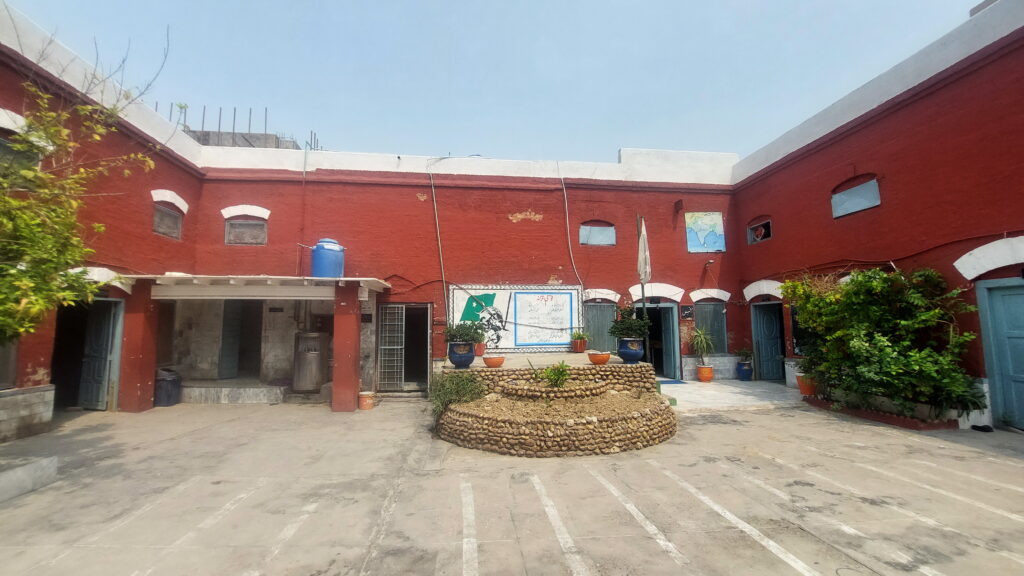
The school building is simple in design. There is a rectangular courtyard, surrounded by classrooms on all four sides. The classrooms are interconnected, forming a continuous block around the courtyard. There is no veranda. On the northern side, there is a deorhi that opens onto the main Talagang Road and serves as the main entrance to the school. An article in the Dawn newspaper suggests that the entrance was originally located along the eastern wall. The whole structure is a single-storey building, without much decoration. The design is simple but practical.
History:
Not much is known about the history of this school. I could not even find the official name of the school. However, this much is known: it was established by the Hindu community of the city. Perhaps people associated with the Arya Samaj reform movement were behind its establishment. I am not sure whether it was originally a girls’ school or a boys’ school.
However, fortunately, there is one plaque that provides considerable information about the year of its establishment and the name of the person who built the building. According to this plaque, the building was constructed in 1980 Bikrami (1923 AD) by Thakur Harbhagwan in honour of Maharaja Sir Partap Singh.
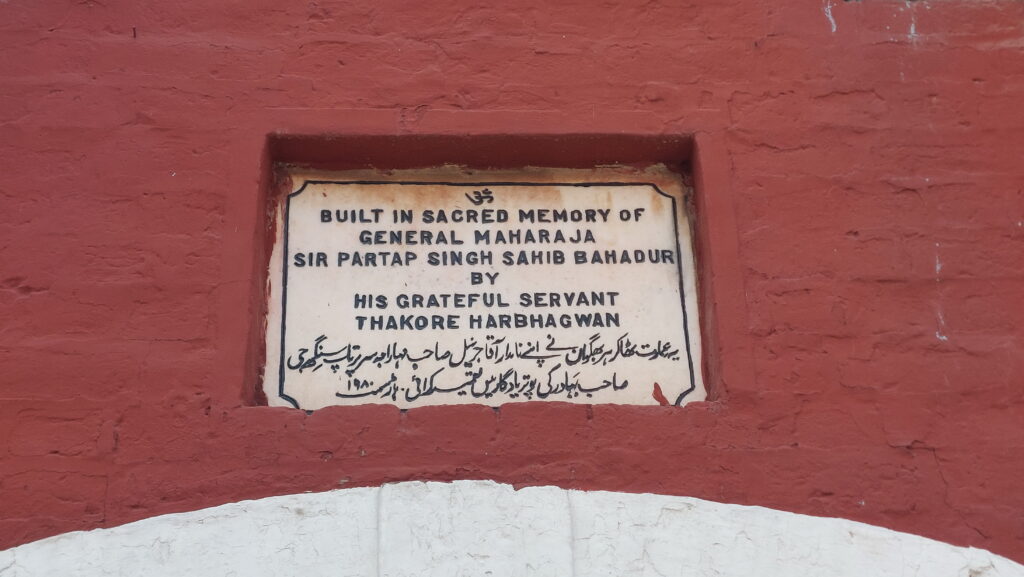
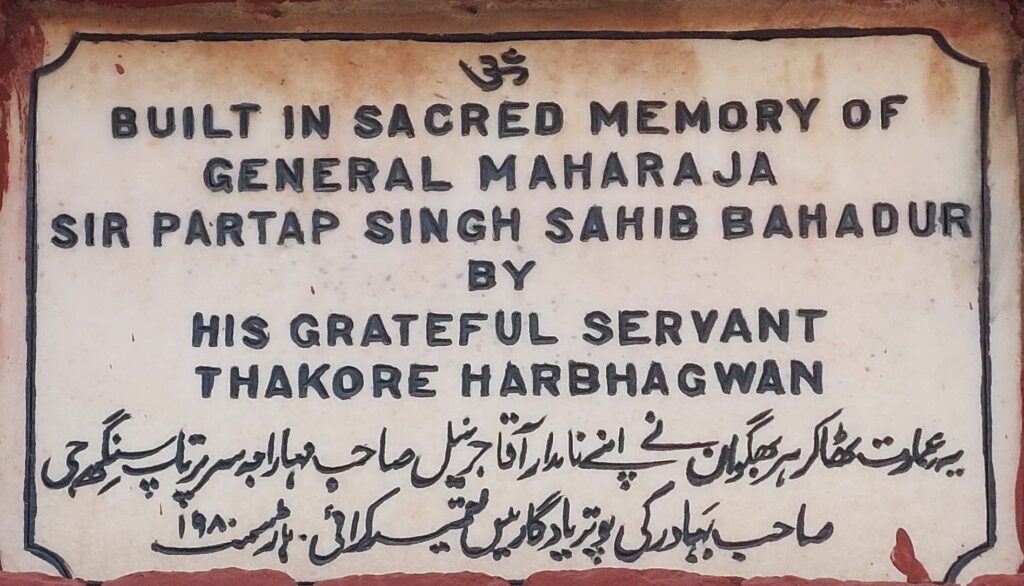
BUILT IN SACRED MEMORY OF
GENERAL MAHARAJA
SIR PARTAP SINGH SAHIB BAHADUR
BY
HIS GRATEFUL SERVANT
THAKORE HARBHAGWAN
یہ عمارت ٹھاکر ہربھگوان نے اپنے نامدارآقا جرنیل صاحب مہاراجہ سرپرتاپ سنگھ جی
صاحب بہادر کی پوتر یادگار میں تعمیرا کرائی۔ ہاڑ سمت ۱۹۸۰
यह इमारत ठाकुर हरभगवान ने अपने नामदार आका जरनैल साहब महाराजा सर प्रताप सिंह जी
साहब बहादुर की पवित्र यादगार में तामीर कराई। हाड़ संवत् १९८०।
Maharaja Partap Singh:
Maharaja Sir Pratap Singh of Idar (1845–1922) was one of the most distinguished Rajput rulers and military leaders of princely India during the British period. Born on 22 October 1845, he belonged to the Rathore dynasty of Marwar and was the younger brother of Maharaja Jaswant Singh II of Jodhpur. Although he did not rule Jodhpur, he served the state as Regent on several occasions and earned a reputation as an able administrator and loyal statesman.
In 1902, he was appointed Maharaja of the princely state of Idar, a position he held until his death in 1922. Besides his administrative responsibilities, he was widely respected for his military service. He commanded the famous Jodhpur Lancers during the Second Boer War (1899–1902) in South Africa and later represented India at the coronations of King Edward VII in 1902 and King George V in 1911. During the First World War, he again rendered valuable military service to the British Empire.
For his distinguished services, Maharaja Pratap Singh received several honours, including appointment as a Knight Grand Commander of the Order of the Star of India (GCSI) and a Knight Grand Commander of the Order of the Indian Empire (GCIE). Remembered as a courageous soldier, capable administrator, and respected statesman, he remains one of the most celebrated Rajput personalities of the late nineteenth and early twentieth centuries.
Princely State of Idar:
The Idar State was a Rajput-ruled princely state in present-day Gujarat. During the period of Muslim expansion into western India, Idar was repeatedly contested by the Gujarat Sultanate. In the fifteenth century, the Sultanate captured Idar several times, but the local Rathore rulers frequently regained control with the support of neighboring Rajput chiefs. After the Mughal conquest of Gujarat in 1573, Idar accepted Mughal suzerainty while retaining a considerable degree of internal autonomy under its hereditary rulers.
The modern history of Idar began in the early nineteenth century. Following the decline of the Maratha Confederacy, the state came under British protection in 1818 after the British East India Company established its supremacy in western India. Idar became one of the princely states of the Mahi Kantha Agency, administered under the Bombay Presidency. Although the rulers retained authority over internal administration, defence and foreign affairs were controlled by the British through a Political Agent. During the late nineteenth and early twentieth centuries, the state introduced administrative reforms, improved roads and public buildings, and expanded educational facilities. At the time of Indian independence in 1947, Maharaja Himmat Singhji acceded to India, and Idar was subsequently merged into the former Bombay State in 1948.
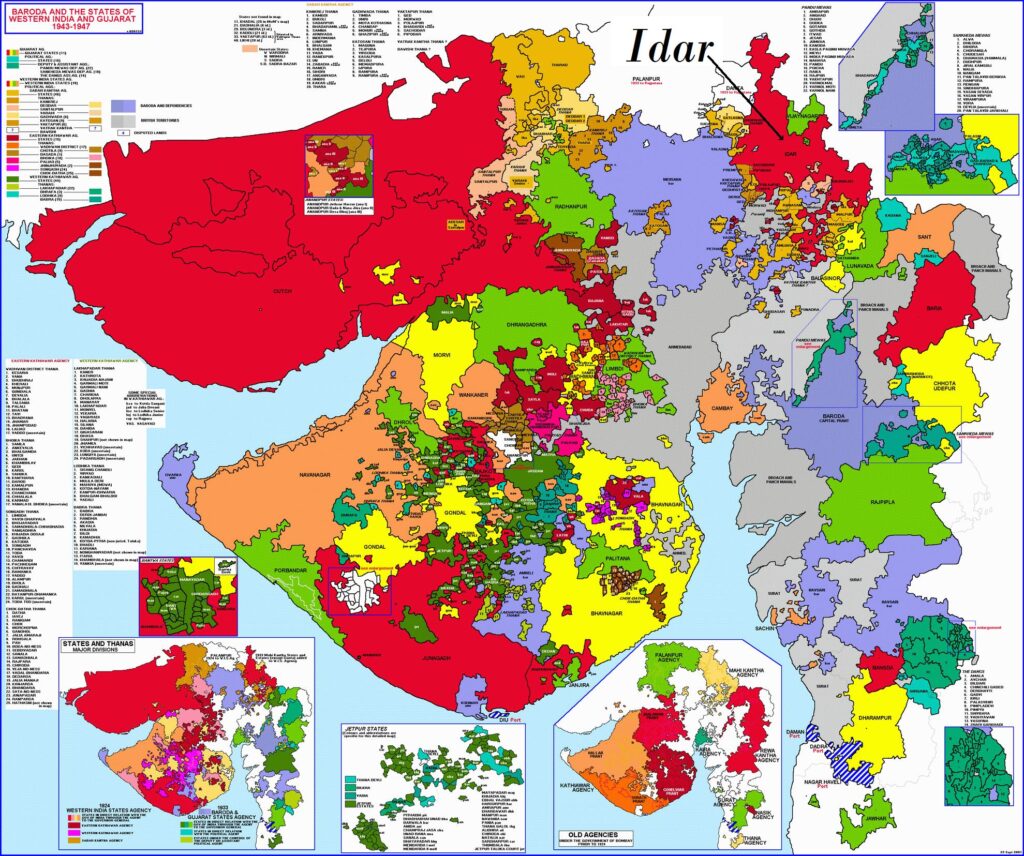
It covered an area of 4,323 sq. Kms, and the population, according to the census of 1901, was 168,557. Its ruler was entitled to 15 Guns Salutes. For an accurate idea of the state, kindly visit the following link.
A few months ago, an article was published on this school in Dawn newspaper, titled Century-old historic structures obscured by new walls in Chakwal. Though it does not provide any substantial information about the history of this school, it does show a picture of a plaque, which is fixed on the outer wall of the school. Somehow, it slipped out of my mind during my visit and I did not see it by myself. It provides another important clue about the history of this project. In 1917, a Deorhi was built by Lala Ram Chand Chadha. This building was associated with Arya Samaj, a Hindu reformist movement.
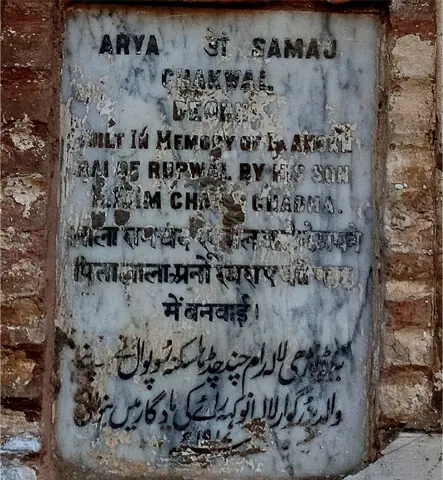
ARYA SAMAJ
CHAKWAL
DEORHI
BUILT IN MEMORY OF L. ANOKH
RAI OF RUPWAL BY HIS SON
L. RAM CHAND CHADHA
लाला राम चंद रूपवाल निवासी ने अपने
पिता लाला अनोख राए की याद
में बनवाई
یہ ڈیوڑھی لالہ رام چند چڈہا سکنہ روپوال نے اپنے
والد بزرگوار لالہ انوکہہ (انوکھ) رائے کی یادگار میں بنوائی
1917
This Deorhi was constructed by Lala Ram Chand Chadha, resident of Rupwal, in memory of his father Lala Anokh Rai. 1917
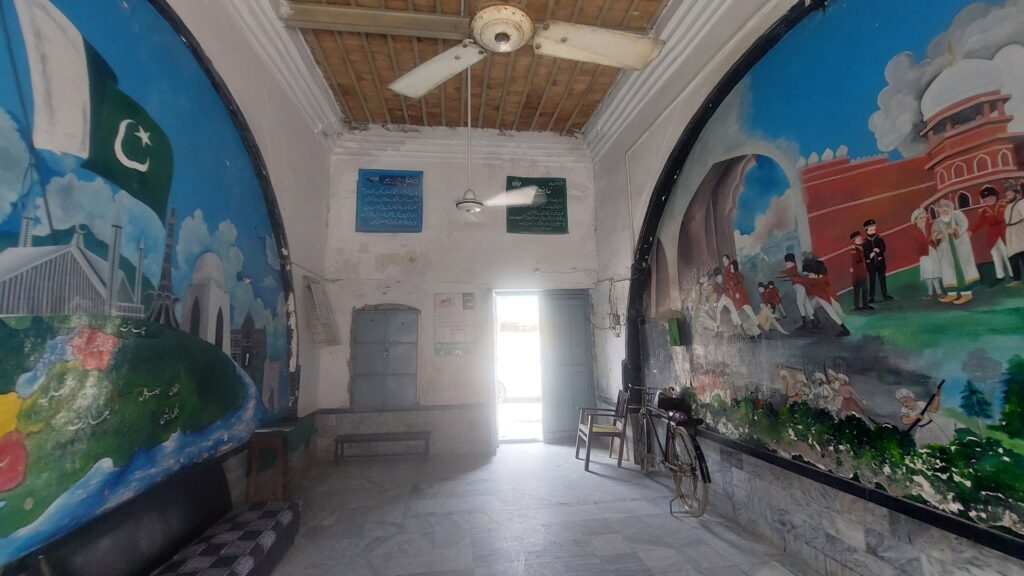
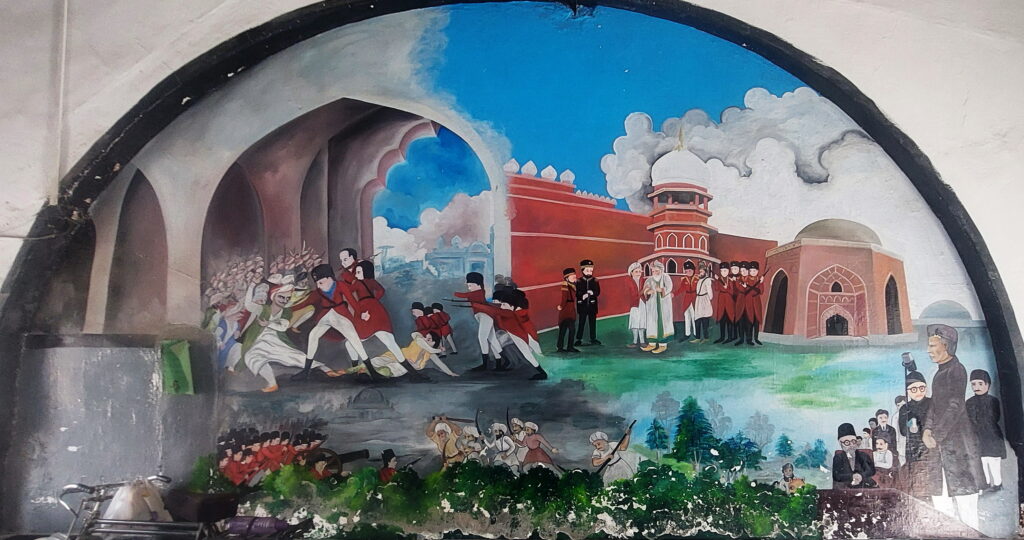
This mural depicts four important historical events. Clockwise from the top left:
Tipu Sultan:
Tipu Sultan, the ruler of the state of Mysore, was a capable and brave man who resisted the expansion of the East India Company’s rule for two decades. Here, the British forces are depicted storming the fort of Srirangapatnam on 4 May 1799. Tipu Sultan is shown facing his enemies valiantly with a sword in hand. He embraced martyrdom on the same day but did not surrender.
Bahadur Shah Zafar:
The Mughal Empire was founded by the famous king Zahiruddin Babur after winning the First Battle of Panipat in 1526. At its peak, the Mughals ruled almost the whole of India and Afghanistan. However, by 1857, it had been reduced to nominal rule over the Red Fort. That year, even that was lost when the rebellion of the Bengal Army and the masses failed, and the last Mughal emperor was arrested, tried, and then exiled to Yangon, where he died in 1862.
This scene is enacted at the tomb of Emperor Humayun. The emperor is depicted surrendering to Major Hodson, along with his son Jawan Bakht. Rajab Ali, an emissary of the British, is probably also depicted. Major Hodson was a famous military officer and was counted among the heroes of the British Empire. He commanded an irregular force of cavalry, raised by himself at Karnal, consisting of Sikhs. He gained fame when he arrested the emperor on 20 September 1857.
Quaid-e-Azam:
This third scene shows Quaid-e-Azam Muhammad Ali Jinnah addressing the famous public meeting of the All India Muslim League on 23 March 1940 in Lahore. This meeting is a landmark event in the history of the struggle for Pakistan, as it was here that the Muslim League demanded a separate country for the Muslims. The resolution that was passed on this occasion is still celebrated as the Pakistan Resolution.
On the left of Quaid-e-Azam, we can see Liaquat Ali Khan, the first Prime Minister of Pakistan, and the famous poet and politician Hasrat Mohani sitting in a chair.
The Fourth Scene:
I cannot say with certainty what the fourth scene is about. It is a war scene, with Indians on one side and the British on the other, attacking each other. However, it is difficult to say exactly which battle it depicts. It could be the Battle of Plassey or any other battle.
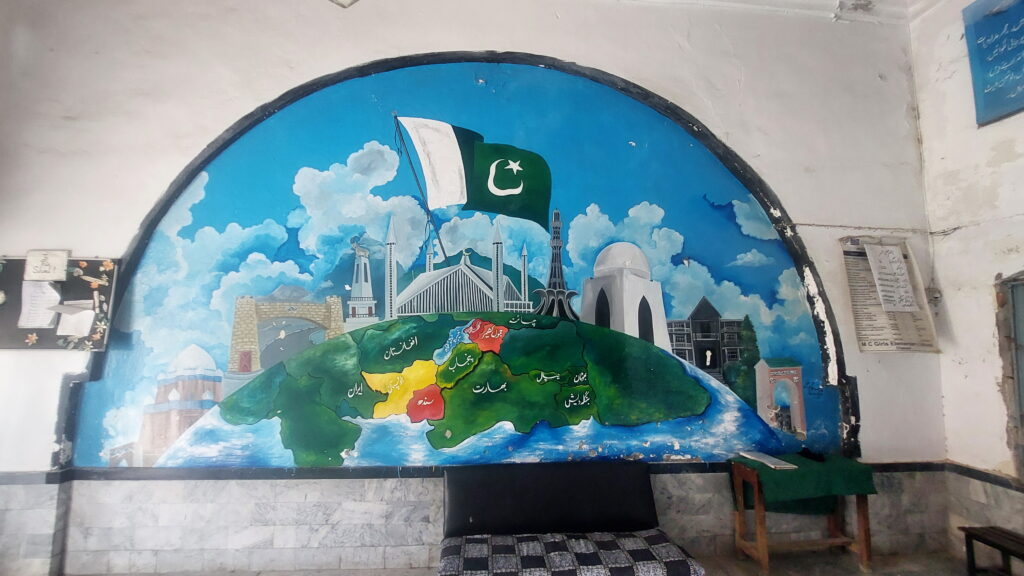
Besides showing the map of Pakistan, it depicts a few important landmarks of Pakistan. From left to right:
Tomb of Bahaduddin Zakaria in Multan. Bab-e-Khyber, near Peshawar. A tower in Gilgit. Faisal Mosque, Islamabad. Minar-e-Pakistan, Lahore. Quaid-i-Azam’s Tomb, Karachi. Quaid-i-Azam Residency, Ziarat. Bab-i-Chakwal, Chakwal.
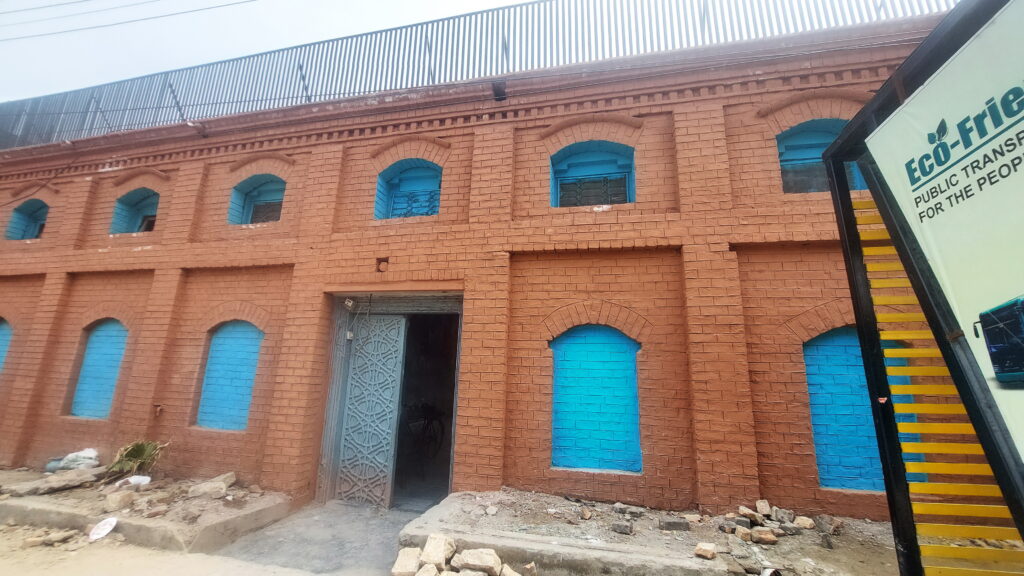
It was interesting to see the name of a ruler of an Indian princely state inscribed so far away in a town in Pakistan. However, I could not find any information about Thakur Harbhagwan, who built this school. We can only speculate that he was in the service of the Maharaja, was a wealthy man, and had a keen interest in the promotion of education. Perhaps someone will be able to shed more light on his life.
Tariq Amir
July 5, 2026.
Islamabad