
217. The Shahi Mosque of Chiniot – A Hidden Masterpiece of the Mughal Era!
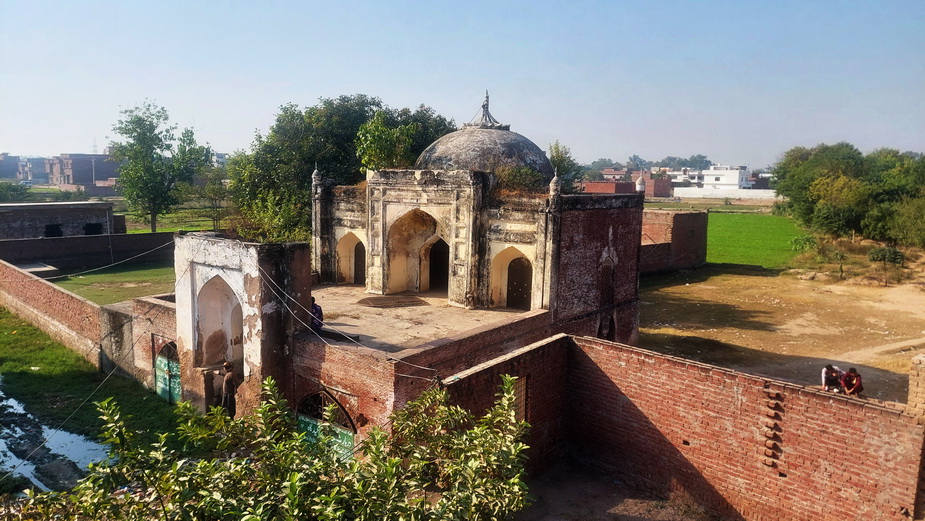
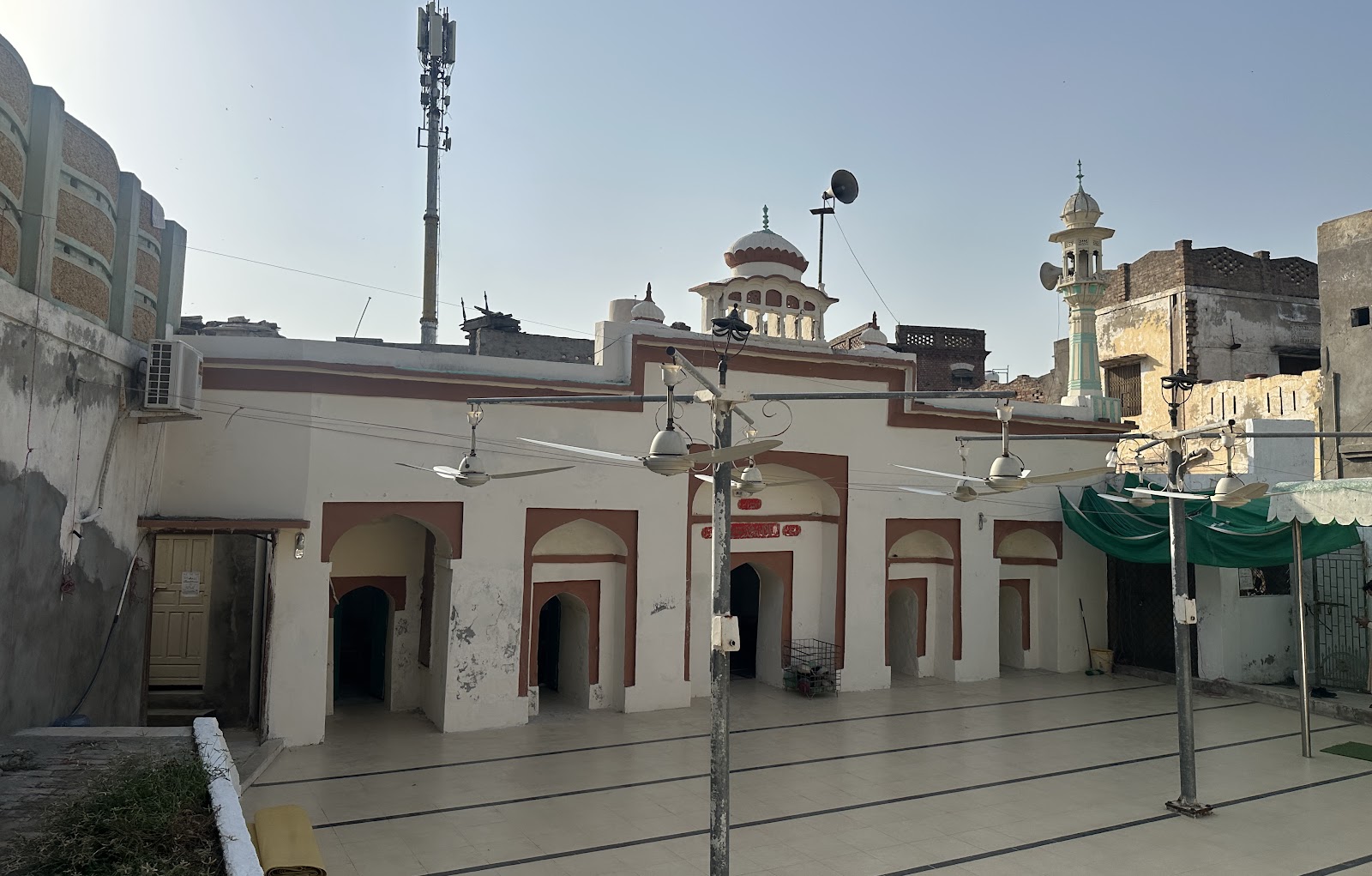
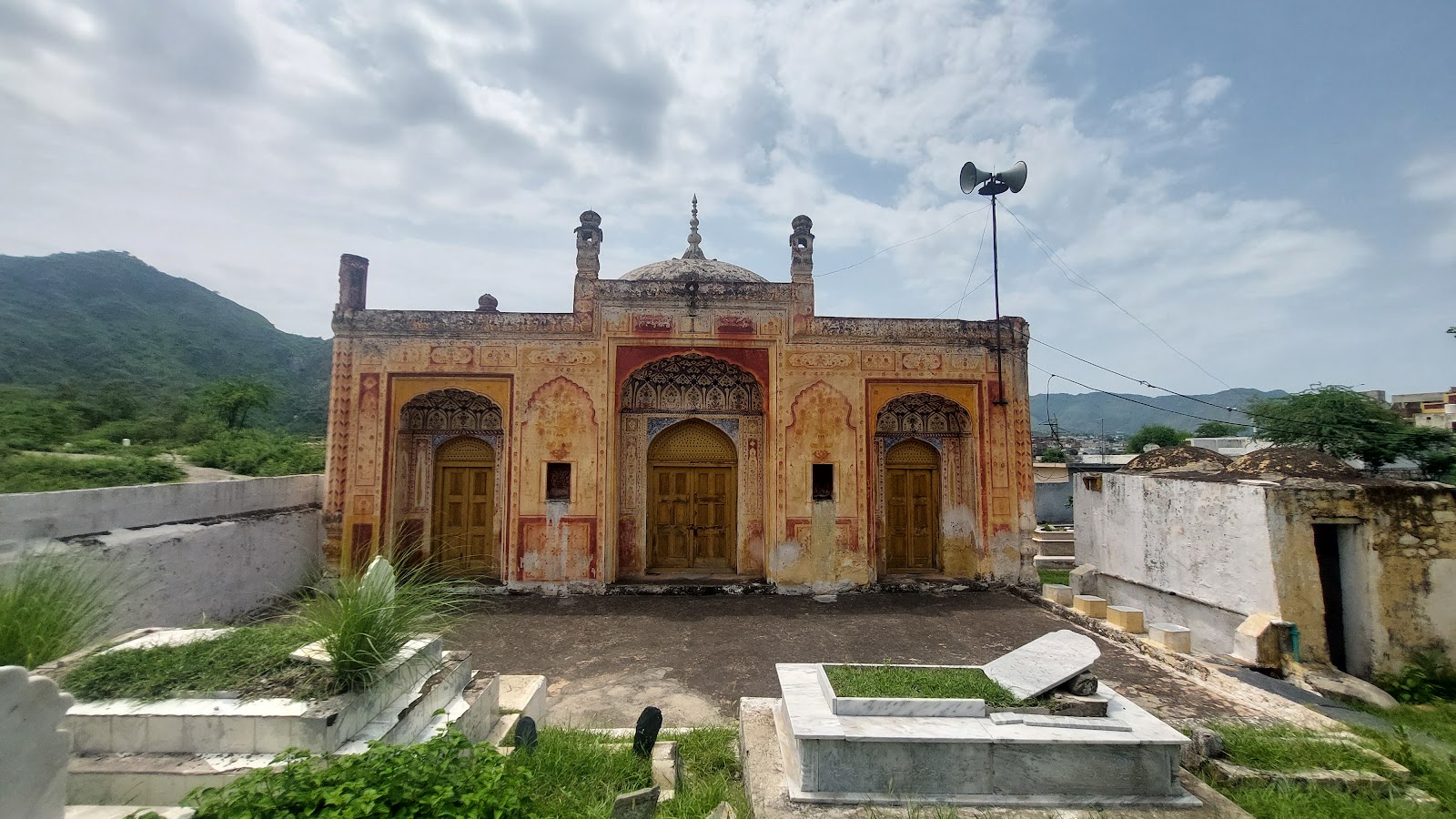
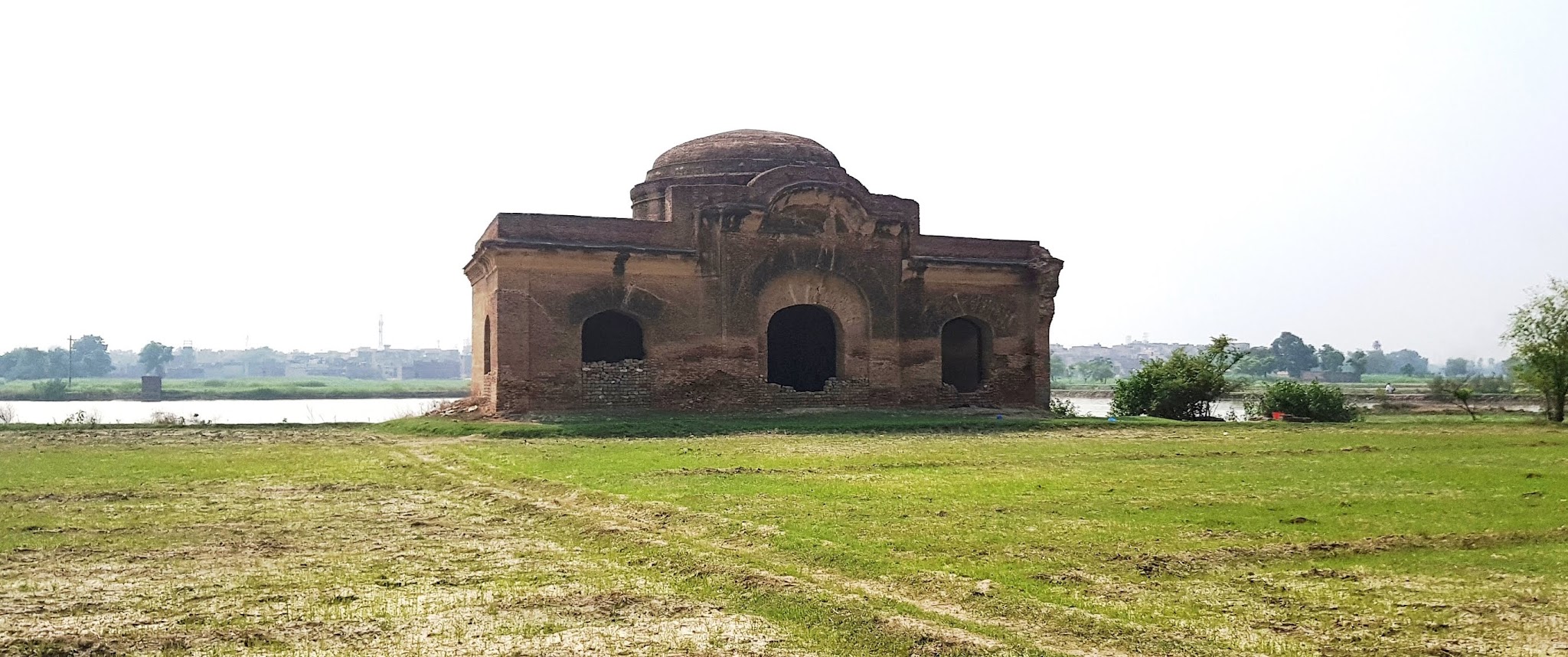
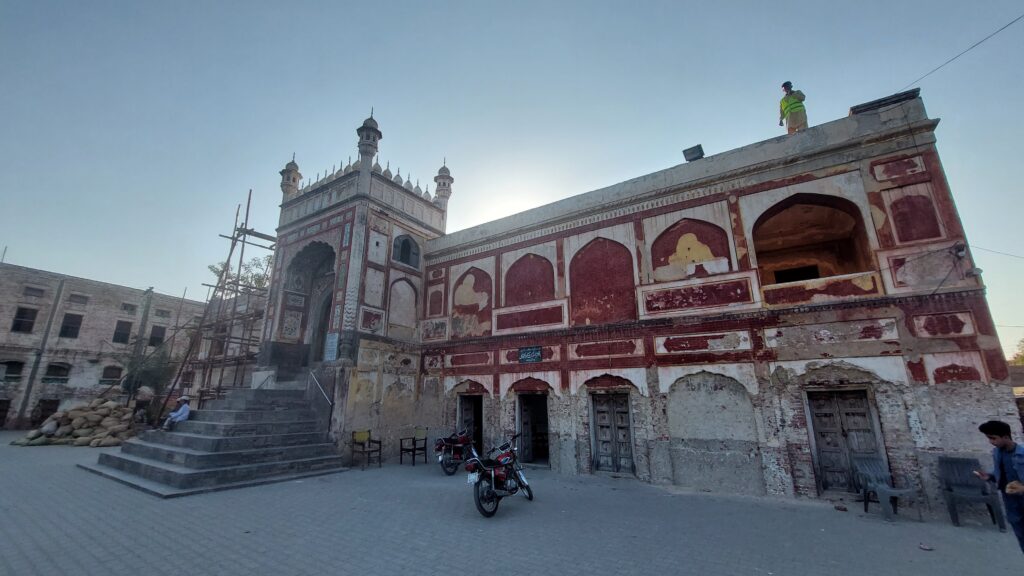
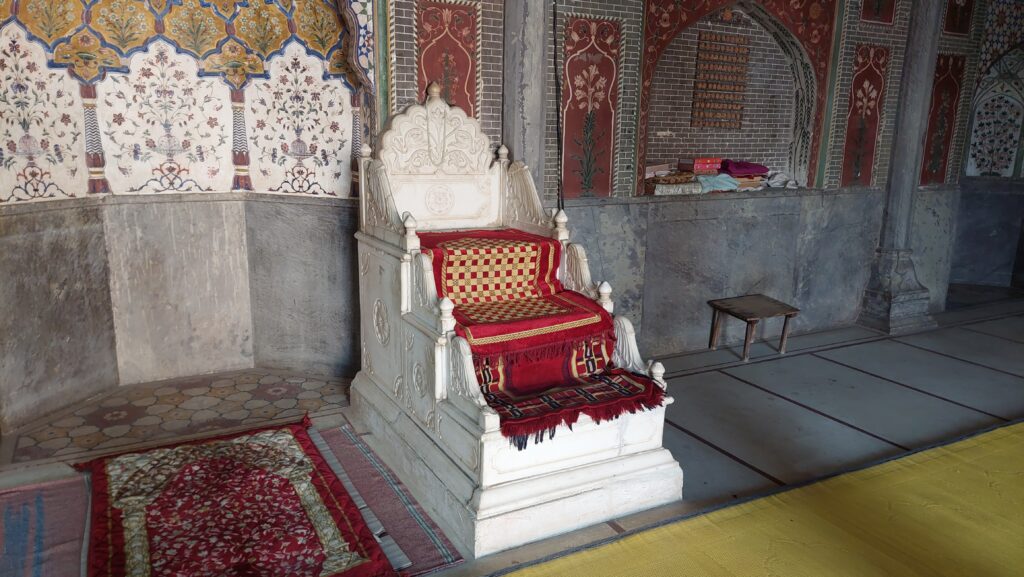
In my previous article on the Sanatan Dharma Lakshmi Narayan Hindu temple in Chiniot, I briefly touched upon the history of this ancient city. This historic city has many historically and culturally important buildings, such as mosques, temples, and numerous mausoleums. Many of these buildings are marvels of architecture, which tell the rich past of this city. The most prominent of all these is a Mughal-era mosque, built during the reign of Shah Jahan (1628–1658 AD).
I visited this mosque on February 14, 2026. This was my second visit; I had visited it before almost exactly seventeen years earlier, on February 17, 2009. Let us begin our visit to this beautiful mosque, which is a prominent example of Mughal architecture in Pakistan.
Location:
This historic mosque is located almost in the center of Chiniot at 31°43’11.63″N, 72°58’37.10″E. Until 2009, Chiniot was part of the district of Jhang. This whole area was once part of the Mughal Empire and later fell to the rising power of Maharaja Ranjit Singh in 1803. The East India Company annexed Punjab in 1849 and ruled this region until 1947. After the creation of Pakistan, Chiniot continued to grow as an important cultural and commercial center of the region.
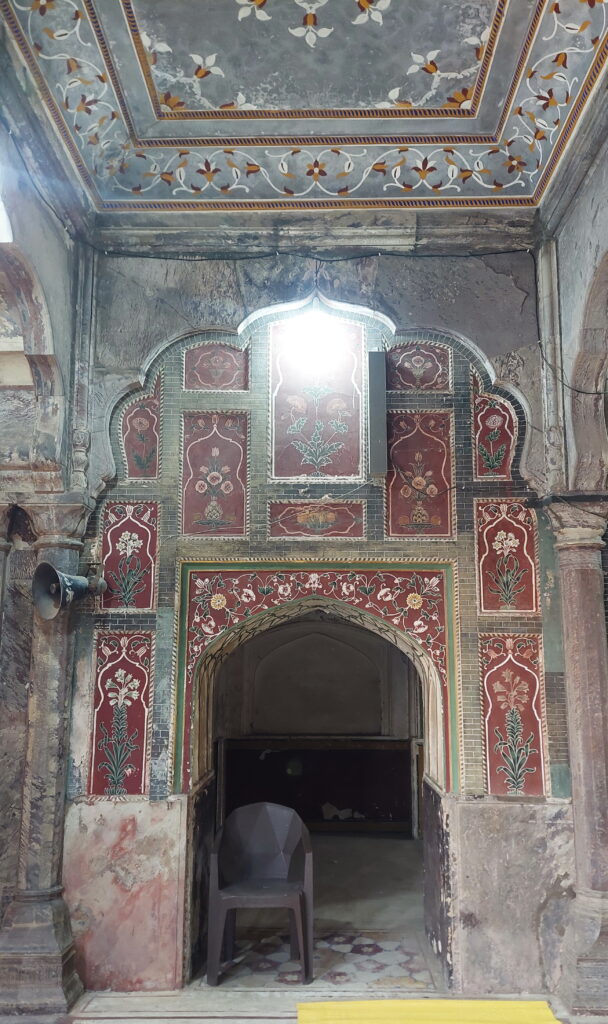
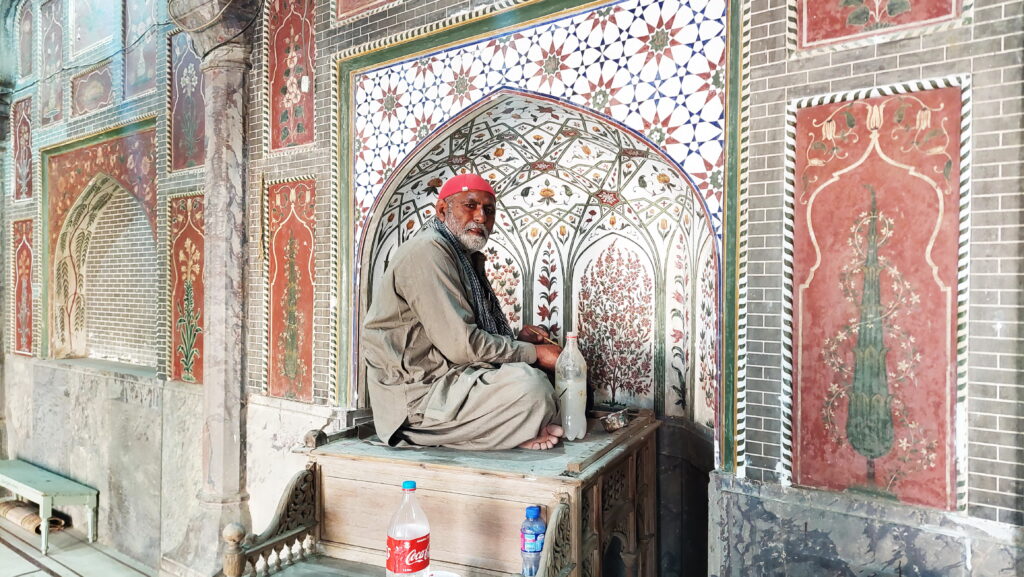
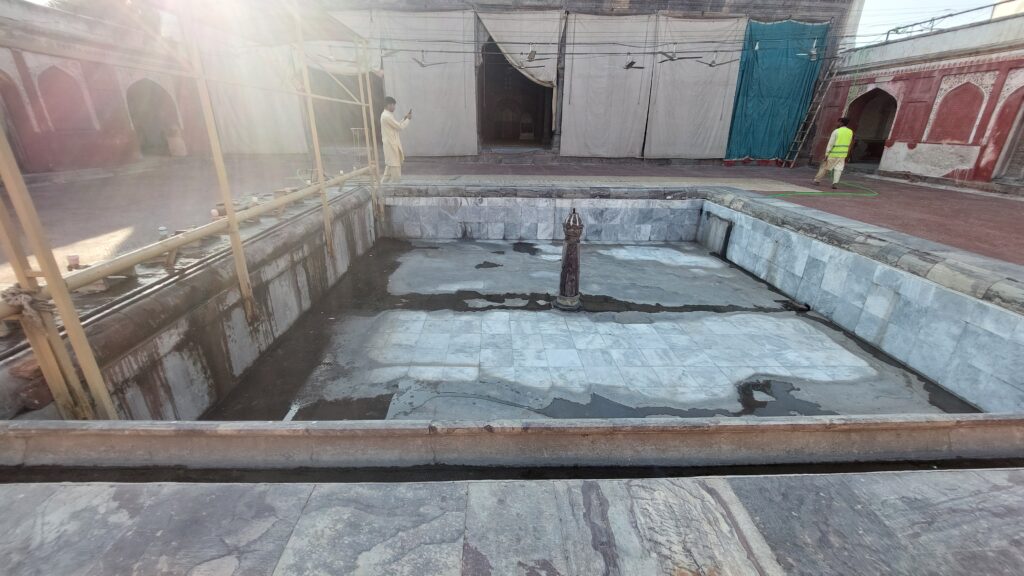
History:
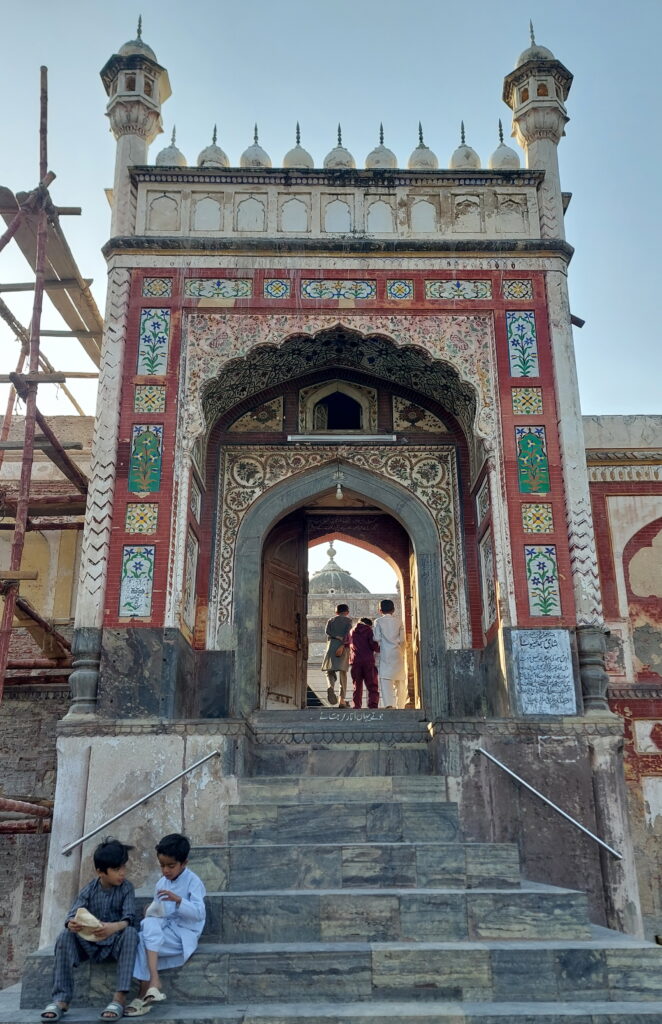
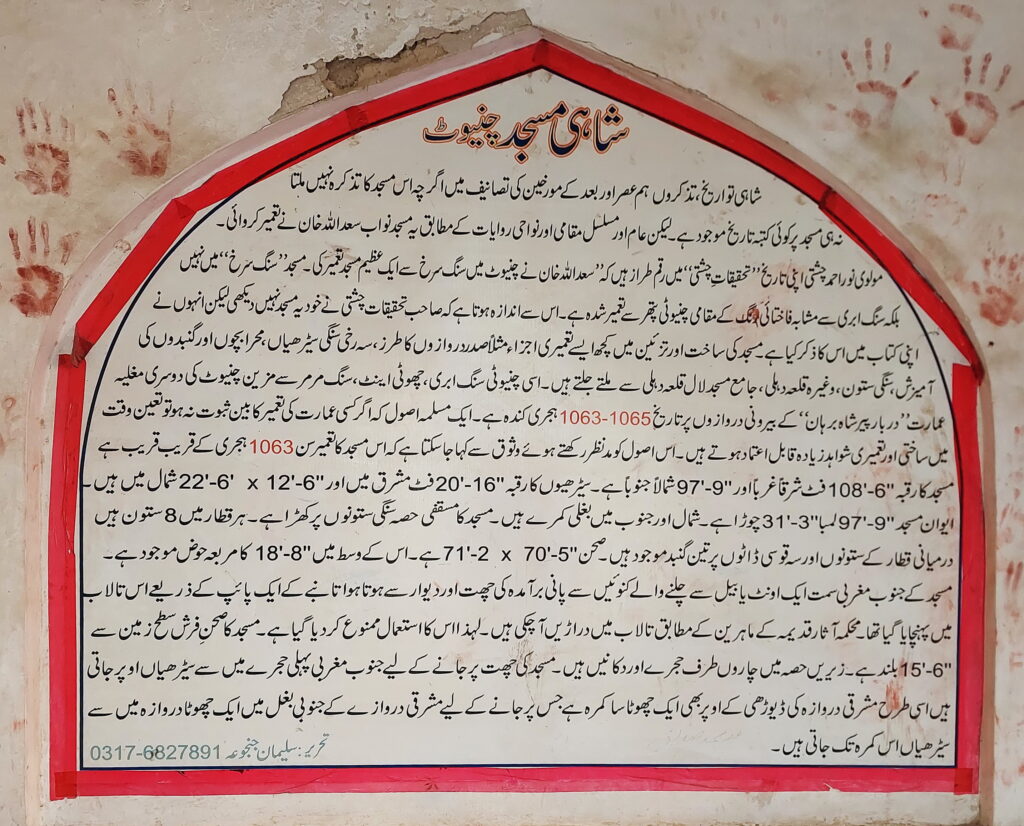
This not-so-well-known mosque was constructed during the Mughal era, when Emperor Shah Jahan was ruling, and his famous prime minister, Nawab Saadullah Khan, commissioned this beautiful mosque. It is believed that the mosque was constructed around 1063 AH, corresponding to 1652–53 AD. Fortunately, some details about the layout and dimensions of the mosque are inscribed on a wall within the mosque, where its architectural features are also described in detail. These inscriptions provide valuable insight into the original design and construction of the building. They also help historians better understand the architectural practices of the Mughal period in this region.
شاہی مسجد چنیوٹ
شاہی تواریخ، تذکروں، ہم عصر اور بعد کے مورخین کی تصانیف میں اگرچہ اس مسجد کا تذکرہ نہیں ملتا، نہ ہی مسجد پر کوئی کتبہ تاریخ موجود ہے۔ لیکن عام اور مسلسل مقامی اور نواحی روایات کے مطابق یہ مسجد نواب سعداللہ خان نے تعمیر کروائی۔ مولوی نور احمد چشتی “تحقیقاتِ چشتی” میں رقم طراز ہیں کہ سعداللہ خان نے چنیوٹ میں سنگ سرخ میں ایک عظمیم مسجد تعمیر کی۔ مسجد “سنگِ سرخ” میں نہیں بلکہ سنگِ ابری سے مشابہ فاختائی رنگ کے مقامی چنیوٹی پتھر سے تعمیر شدہ ہے۔ اس سے اندازہ ہوتا ہے کہ صاحب تحقیقات چشتی نے خود یہ مسجد نہیں دیکھی لیکن انہوں نے اپنی کتاب میں اس کا ذکر کیا ہے۔ مسجد کی ساخت اور تزئین میں کچھ ایسے تعمیری اجزاء مثلا صدر دروازوں کا طرز، سہ رخی سنگی سیڑھیاں، محرابچوں اور گنبدوں کی آمیزش، سنگی ستون، وغیرہ قلعہ دہلی، جامع مسجد لال قلعہ دہلی سے ملتے جلتے ہیں۔ اسی چنیوٹٰ سنگِ ابری، چھوٹی اینٹ، سنگ مرمر سے مزین چنیوٹ کی دوسری مغلیہ عمارت” دربار پیر شاہ برہان” کے بیرونی دروازوں پر تاریخ 1063 – 1065 ہجری کندہ ہے۔ ایک مسلمہ اصول کہ اگر کسی عمارت کی تعمیر کا بین ثبوت نہ ہو تو تعین وقت میں ساختی اور تعمیری شواہد زیادہ قابل اعتماد ہوتے ہیں۔ اس اصول کو مدںطر رکھتے ہوئے وثوقسے کہا جا سکتا ہے کہ اس مسجد کی تعمیر سن 1063 ہجری کے قریب قریب ہے۔ مسجد کا رقبہ 108فٹ 6 انچ شرقاً غرباً اور 97فٹ3 انچ شمالاً جنوباً ہے۔ سیڑھیوں کا رقبہ 20 فٹ 16 انچ مشرق میں اور 12 فٹ 6 انچ ضرب 22 فٹ 6 انچ شمال میں ہیں۔ ایوان مسجد 97 فٹ 9 انچ لمبا 31 فٹ 3 انچ چوڑا ہے۔ شمال اور جنوب میں بغلی کمرے ہیں۔ مسجد کا مسقفی حصہ سنگی ستونوں پر کھڑا ہے۔ ہر قطار میں 8 ستون ہیں۔ درمیانی قطار کے ستونوں اور سہ قوسی ڈاٹوں پر تین گنبد موجود ہیں۔ صحن 70 فٹ 5 انچ ضرب 71 فٹ 2 انچ ہے۔ اس کے وسط میں 18 فٹ 8 انچ کا مربع حوض موجود ہے۔ مسجد کے جنوب مغربی سمت میں ایک اونٹ یا بیل سے چلنے والے کنوئیں سے پانی برآمدہ اور چھت سے ہوتا ہوا تانبے کے ایک پائپ کے ذریعے اس تالاب میں پہنچایا گیا تھا۔ محکمہ آثار قدیمہ کے ماہرین کے مطابق تالاب میں دراڑیں آ چکی ہیں۔ لہذا اس کا استعمال ممنوع کر دیا گیا ہے۔ مسجد کا صحن فرش سطح زمیں سے 15 فٹ 6 انچ بلند ہے۔ زیریں حصہ میں چاروں طرف حجرے اور دکانیں ہیں۔ مسجد کی چھت پا جانے کے لیے جنوب مغربی پہلے حجرے میں سے سیڑھیاں اوپر جاتی ہیں اسی طرح مشرقی دروازہ کی ڈیوڑھی کے اوپر بھی ایک چھوٹا سا کمرہ ہے۔ جس پر جانے کے لیے مشرقی دروازے کے جنوبی بغل میں ایک چھوٹا دروازہ سے سیڑھیاں اس کمرہ تک جاتی ہیں۔
Shahi Masjid Chiniot (Royal Mosque)
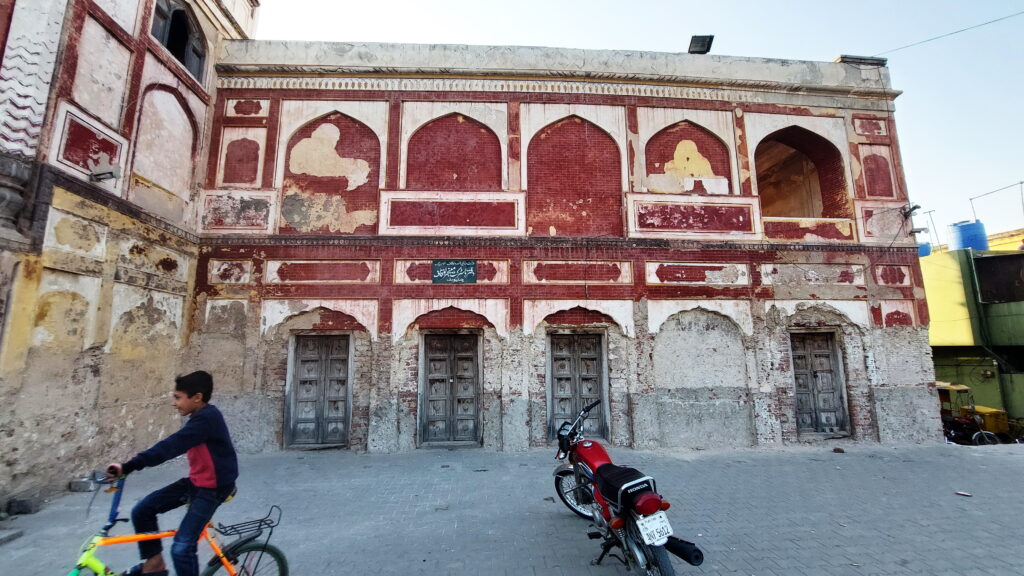
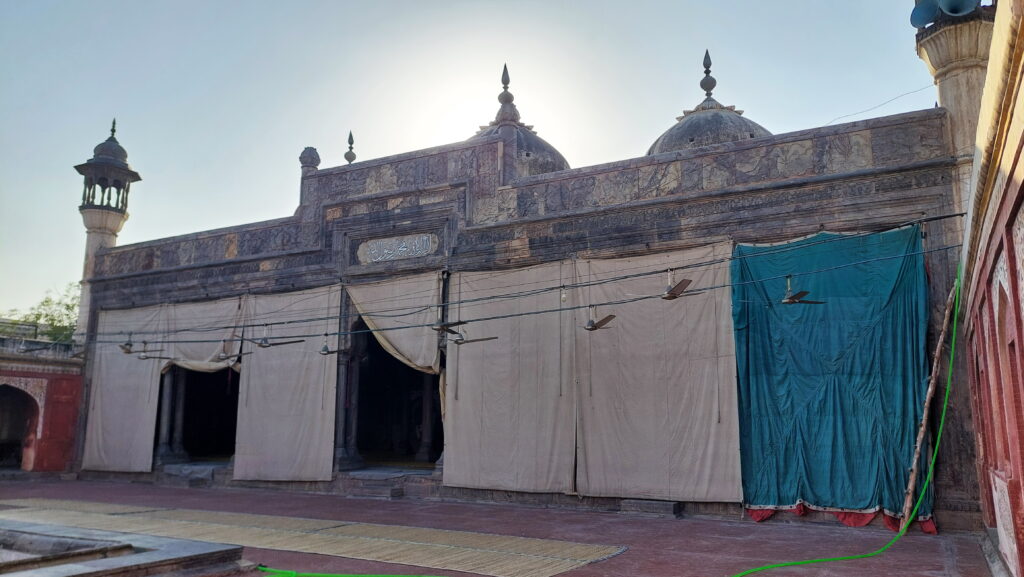
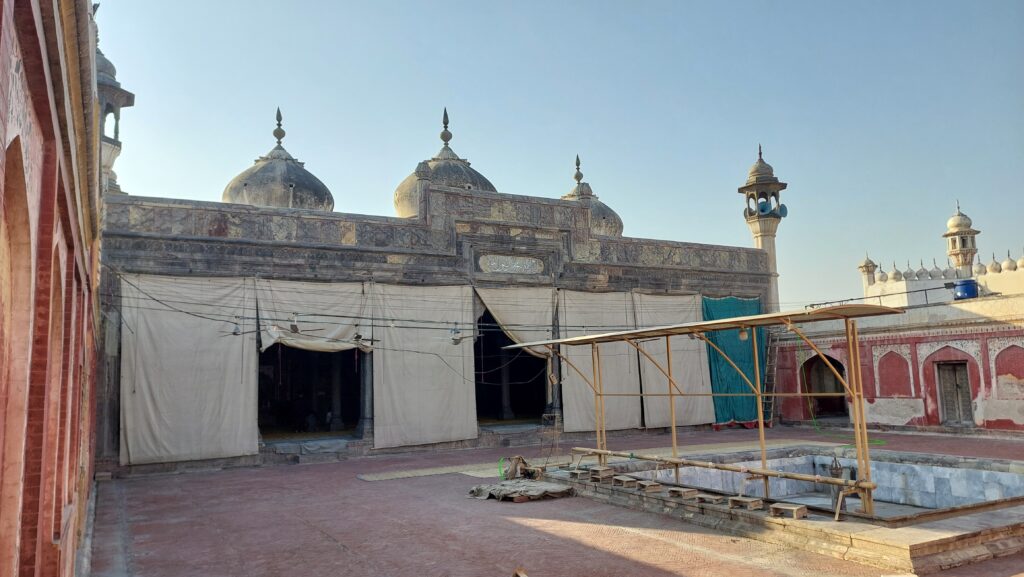
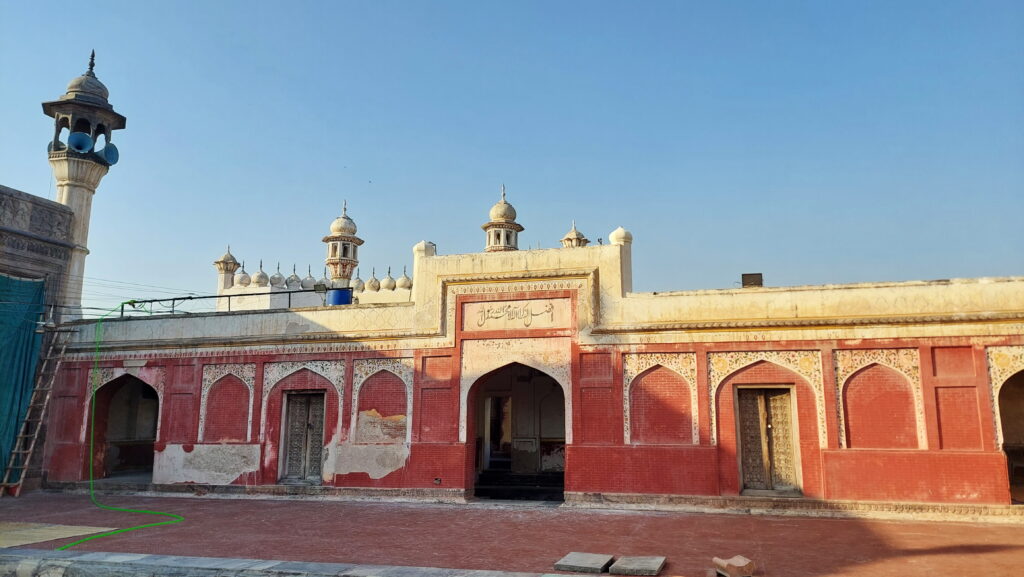
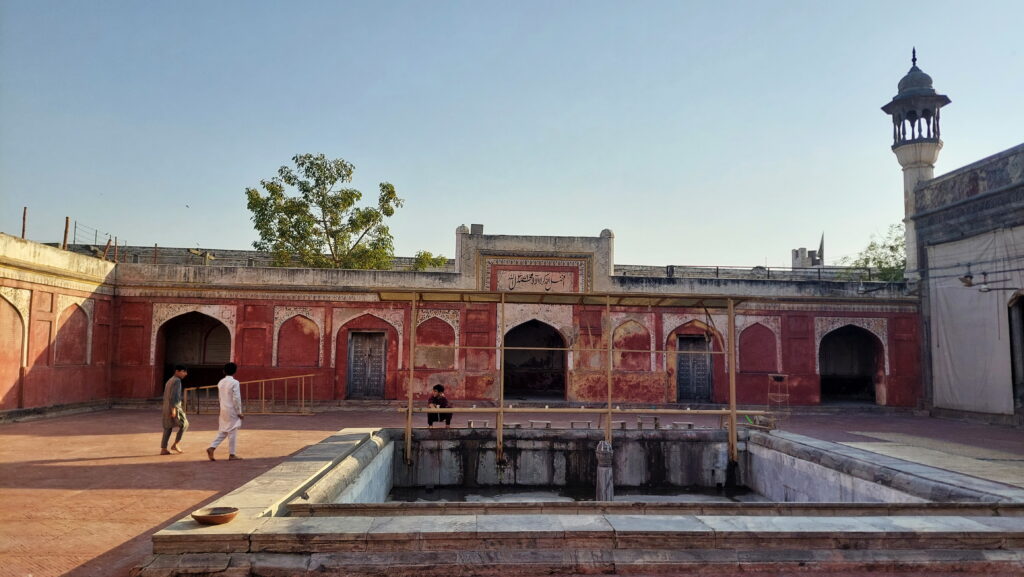
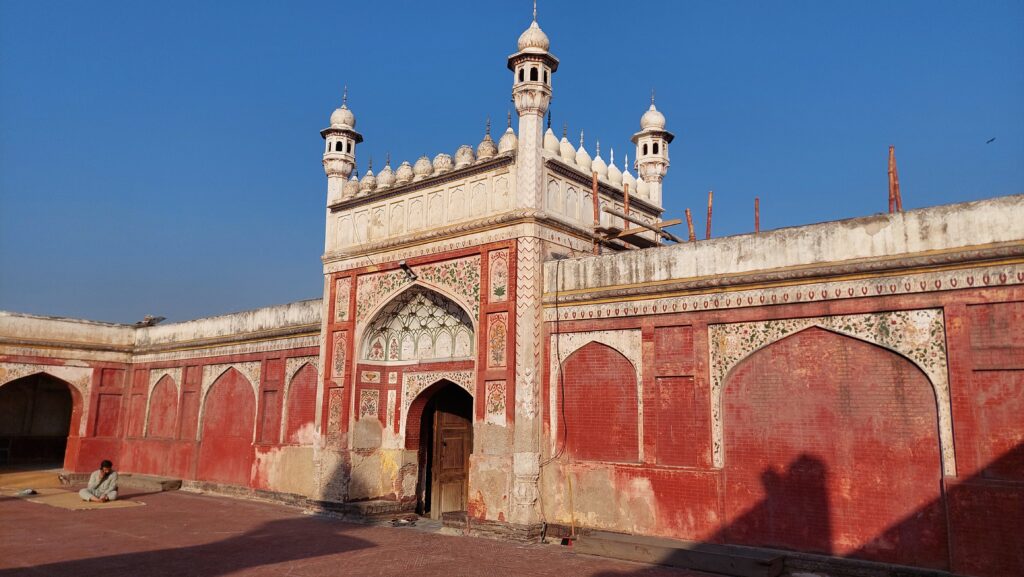
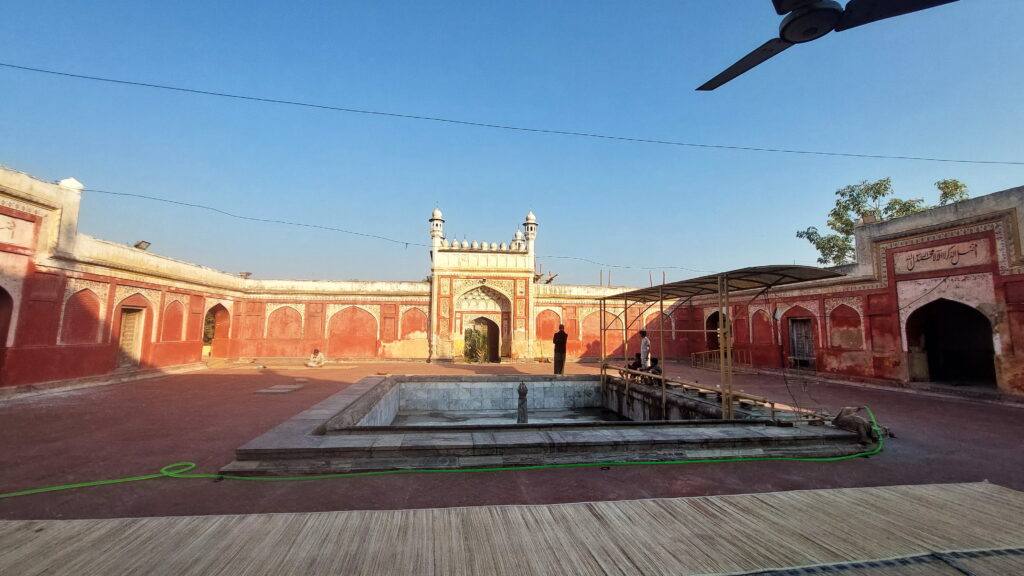
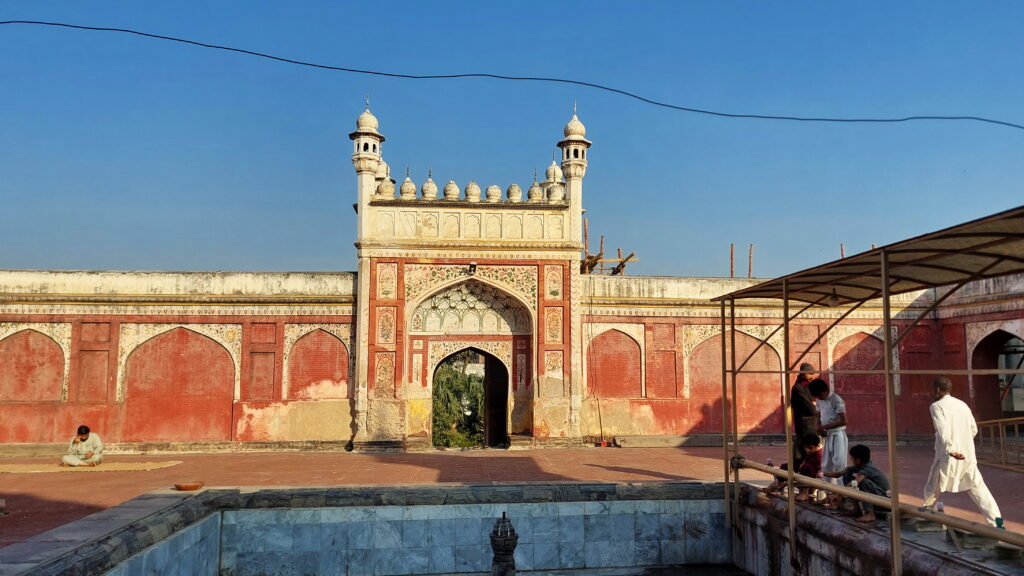
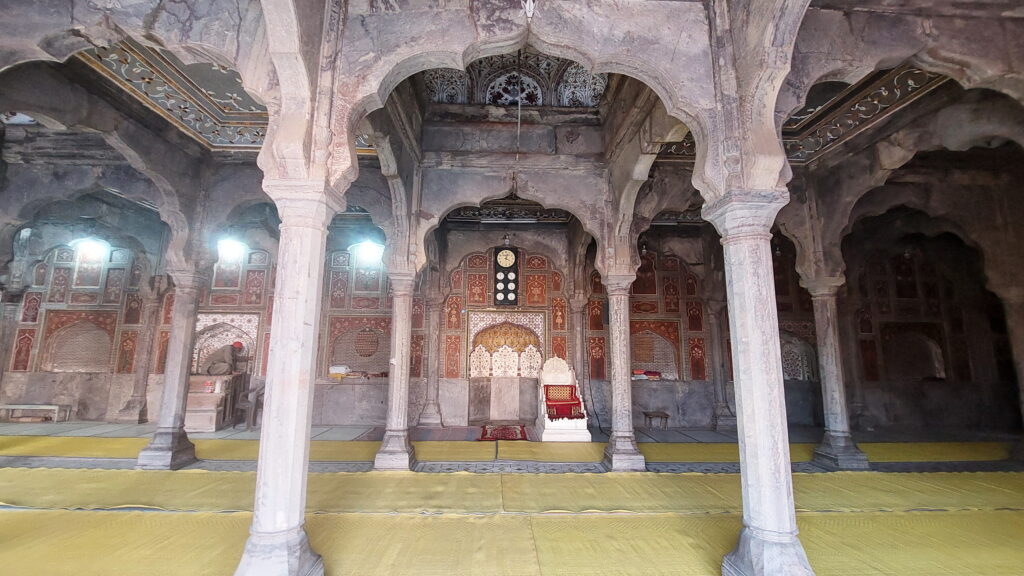
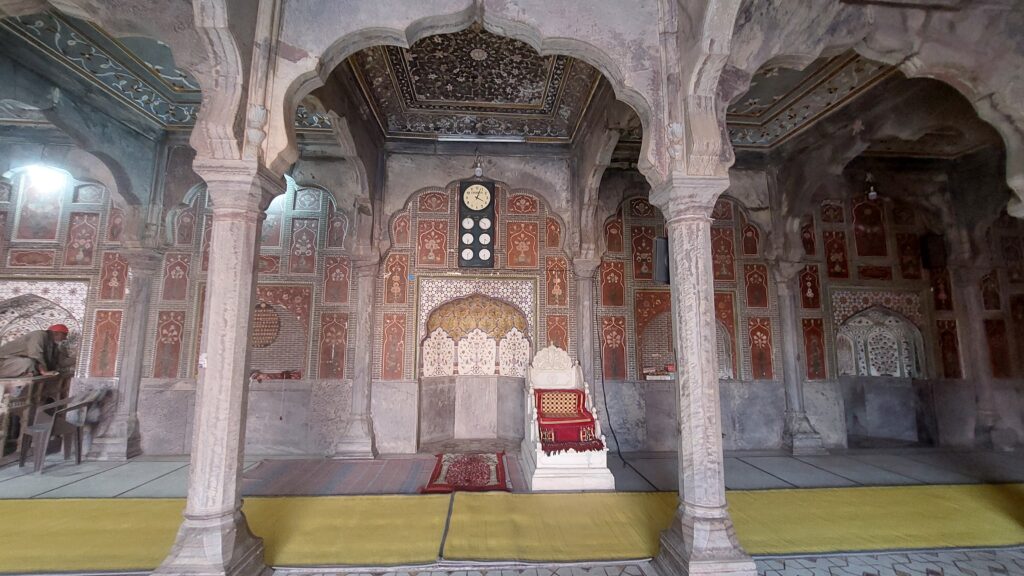
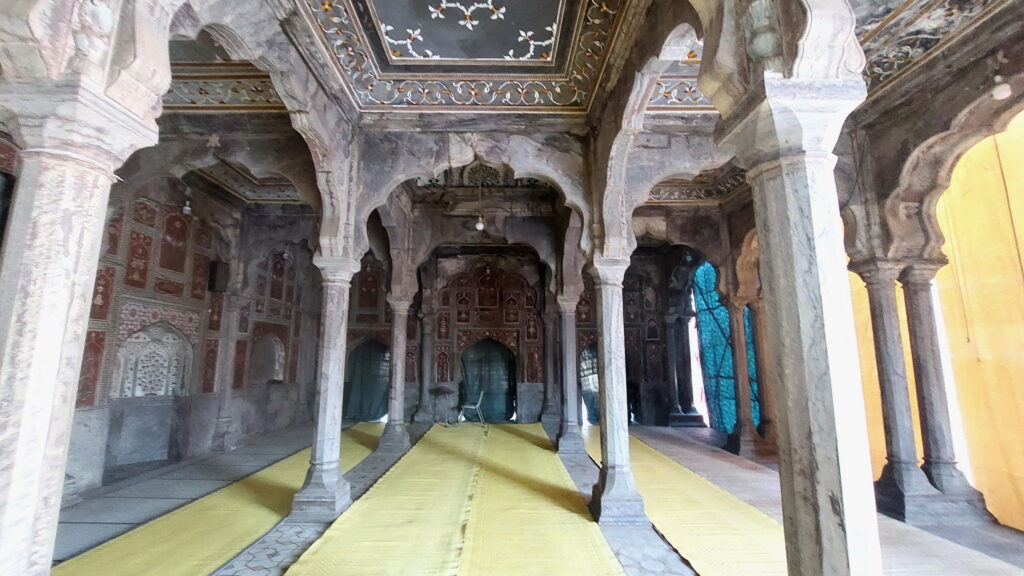
Although this mosque is not mentioned in royal chronicles, biographical accounts, or in the works of contemporary and later historians, nor does it bear any inscription indicating its date of construction, continuous local and regional traditions firmly attribute its construction to Nawab Saadullah Khan. Maulvi Noor Ahmad Chishti, in his work Tahqiqat-e-Chishti, writes that Saadullah Khan built a grand mosque in Chiniot using red stone. However, the mosque is not constructed of “red stone,” but rather of locally quarried Chinioti stone of a dove-grey hue resembling sang-e-abri. This suggests that the author of Tahqiqat-e-Chishti may not have personally seen the mosque, though he recorded it in his book. In its structure and ornamentation, the mosque displays several architectural features such as the style of the main gateways, triangular stone stairways, the combination of small niches and domes, and stone pillars, which closely resemble those of the Red Fort in Delhi and the Jama Masjid within the Lal Qila complex. Similarly, in another Mughal-period structure in Chiniot—Darbar Pir Shah Burhan—dates ranging from 1063 to 1065 AH are inscribed on its outer gateways, and it is decorated with the same Chinioti sang-e-abri, small bricks, and marble. A well-established principle holds that when no direct evidence exists regarding the date of construction of a building, structural and architectural evidence becomes more reliable in determining its period. Applying this principle, it can be stated with reasonable certainty that this mosque was constructed around 1063 AH. The mosque measures 108 feet 6 inches from east to west and 97 feet 3 inches from north to south. The stairways measure 20 feet 16 inches on the eastern side and 12 feet 6 inches by 22 feet 6 inches on the northern side. The main prayer hall (Iwan) is 97 feet 9 inches long and 31 feet 3 inches wide, with side chambers on the north and south. The covered portion of the mosque rests on stone pillars, arranged in rows of eight. Above the central row of pillars, supported by triple arches, are three domes. The courtyard measures 70 feet 5 inches by 71 feet 2 inches, with a square water tank of 18 feet 8 inches at its center. On the southwestern side of the mosque, water was once drawn from a well operated by a camel or bullock, and conveyed through the veranda and roof via a copper pipe into this tank. According to experts from the Department of Archaeology, cracks have developed in the tank, and its use has therefore been prohibited. The mosque’s courtyard is elevated approximately 15 feet 6 inches above ground level. The lower level consists of chambers and shops on all sides. Access to the roof is provided by stairs located in the first chamber on the southwestern side. Similarly, above the vestibule of the eastern gateway, there is a small room, which is reached by a staircase through a small door located on the southern side of the eastern entrance.
Nawab Saadullah Khan:
Nawab Saadullah Khan was the person who built this magnificent mosque in the mid-17th century. He served as the prime minister of Emperor Shah Jahan. He was born in the village of Patraki (31°46’41.30″N, 73°6’13.40″E), a small settlement located about 11 kilometres northeast of Chiniot on the road to Pindi Bhattian. It is reported that he was born into a very poor family and became an orphan at a very early stage in his life. However, despite all these difficulties, he eventually rose, through his immense talent and hard work, to the position of prime minister of the Mughal Empire. A brief biography of him is also inscribed on a wall of the mosque.
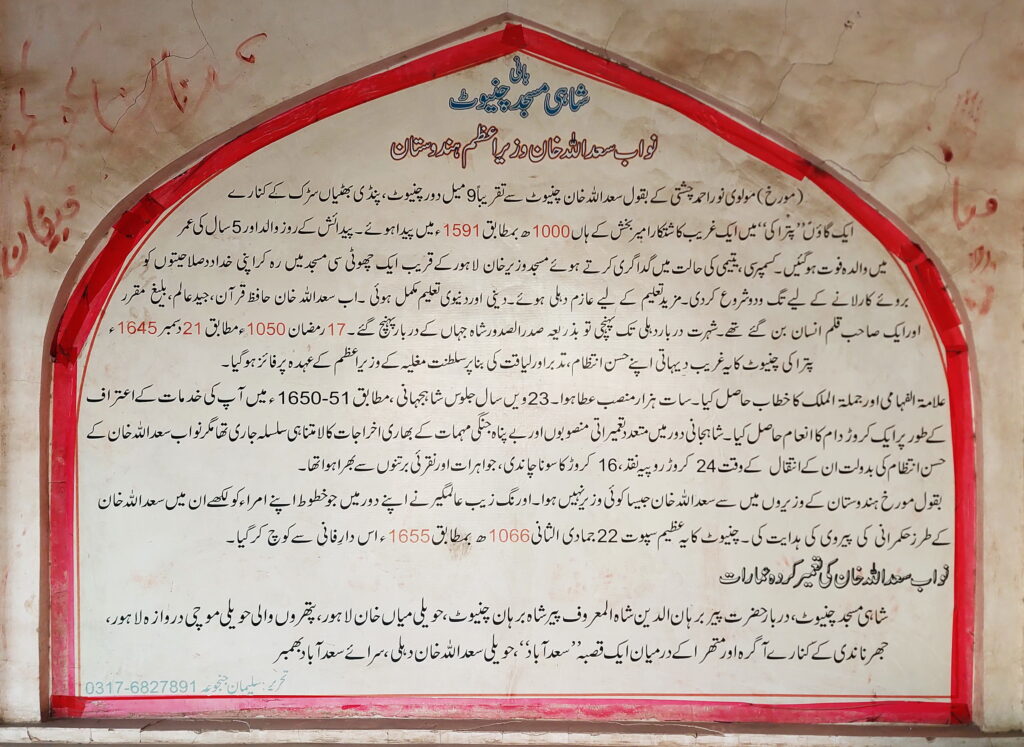
بانی شاہی مسجد چنیوٹ
نواب سعد اللہ خان وزیراعظم ہندوستان
(مورخ) مولوی نور احمد چشتی کے بقول سعد اللہ خان چنیوٹ سے تقریبا 9میل دور چنیوٹ، پنڈی بھٹیاں سڑک کے کنارے ایک گاؤں “پتراکی” میں ایک غریب کاشتکار امیر بخش کے ہاں 1000 ھ بمطابق 1591 ء میں پیدا ہوئے۔ پیدائش کے روز والد اور ۵ سال کی عمر میں والدہ فوت ہوگئیں۔ کسمپرسی، یتیمی کی حالت میں گداگری کرتے ہوئے مسجد وزیر خان لاہور کے قریب ایک چھوٹی سی مسجد میں رہ کر اپنی خداداد صلاحیتوں کو بروئے کار لانے کے لیے تگ و دو شروع کردی۔ مزید تعلیم کے لیے عازم دہلی ہوئے۔ دینی اور دنیوی تعلیم مکمل ہوئی۔ اب سعد اللہ خان حافظ قرآن، جید عالم، بلیغ مقرر اور ایک صاحب قلم انسان بن گئے تھے۔ شہرت دربار دہلی تک پہنچی تو بذریعہ صدر الصدور شاہ جہاں کے دربار پہنچ گئے۔ 17 رمضان 1050ء مطابق 21 دسمبر 1645ء پتراکی چنیوٹ کا یہ غریب دیہاتی اپنے حسن انتظام، تدبر اور لیاقت کی بنا پر سلطنت مغلیہ کے وزیراعظم کے عہدہ پر فائز ہوگیا۔
علامۃ الفہامی اور جملۃ الملک کا خطاب حاصل کیا۔ سات ہزار منصب عطا ہوا۔ 23 ویں سال جلوس شاہجہانی، مطابق 1650-51ء میں آپ کی خدمات کے اعتراف کے طور پر ایک کروڑ دام کا انعام حاصل کیا۔ شاہجہانی دور میں متعدد تعمیراتی منصوبوں اور بے پناہ جنگی مہمات ک بھاری اخراجات کا لامتناہی سلسلہ جاری تھا۔ مگر نواب سعداللہ خان کے حسن انتظام کی بدولت ان کے انتقال کے وقت 24 کروڑ روپیہ نقد، 16 کروڑ کا سونا چاندی، جواہرات اور نقرئی برتنوں سے بھرا ہوا تھا۔
بقول مورخ ہندوستان کے وزیروں میں سے سعد اللہ خان جیسا کوئی وزیر نہیں ہوا۔ اورنگ زیب عالمگیر نے اپنے دور میں جو خطوط اپنے امراء کو لکھے ان میں سعد اللہ خان کے طرز حکمرانی کی پیروی کی ہدایت کی۔ چنیوٹ کا یہ عظیم سپوت 22 جمادی الثانی 1066ھ بمطابق 1655ء اس دارِ فانی سے کوچ کر گیا۔
نواب سعداللہ خان کی تعمیر کردہ عمارات
شاہی مسجد چنیوٹ، دربار حضرت پیر برہان الدین شاہ المعروف پیر شاہ برہان چنیوٹ، حویلی میاں خان لاہور، پتھروں والی حویلی موچی دروازہ لاہور، جھرنا ندی کے کنارے آگرہ اور متھرا کے درمیان ایک قصبہ “سعد آباد”، حویلی سعد اللہ خان دہلی، سرائے سعدآباد بھمبر
Founder of the Shahi Mosque, Chiniot
Nawab Saadullah Khan, Prime Minister of Hindustan
According to the historian Maulvi Noor Ahmad Chishti, Nawab Saadullah Khan was born in 1000 AH (1591 AD) in a village named Patraki, located about 9 miles from Chiniot on the Chiniot – Pindi Bhattian road, in the house of a poor farmer, Amir Bakhsh. His father died on the day of his birth, and his mother passed away when he was five years old. In a state of extreme poverty and orphanhood, he survived by begging and lived in a small mosque near the Wazir Khan Mosque, where he began striving to utilize his God-given abilities.
For further education, he proceeded to Delhi, where he completed both religious and worldly studies. By then, Saadullah Khan had become a Hafiz-e-Quran (memorizer of the Qur’an), a distinguished scholar, an eloquent speaker, and a man of letters. His reputation reached the court of Delhi, and through the office of Sadr-us-Sudur, he was presented before Emperor Shah Jahan. On 17 Ramadan 1050 AH (21 December 1645 AD), this humble villager from Patraki, Chiniot, rose through his administrative skill, wisdom, and merit to the position of Prime Minister of the Mughal Empire.
He was awarded the titles of Allama al-Fahami and Jumlat-ul-Mulk, and was granted a mansab (rank) of seven thousand. In the 23rd regnal year of Shah Jahan (1650–51 AD), in recognition of his services, he received a reward of one crore dams. During the Mughal period, numerous large-scale construction projects and extensive military campaigns required immense expenditure. Yet, owing to Nawab Saadullah Khan’s excellent administration, at the time of his death, the imperial treasury held 24 crore rupees in cash, along with gold and silver worth 16 crores, besides jewels and silverware.
According to historians, among the ministers of Hindustan, there was none like Saadullah Khan. Even Emperor Aurangzeb, in his reign, advised his nobles through his letters to follow the administrative style of Saadullah Khan. This great son of Chiniot passed away on 22 Jumada al-Thani 1066 AH (1655 AD).
Buildings Constructed by Nawab Saadullah Khan
- Shahi Mosque, Chiniot
- Shrine of Hazrat Pir Burhan-ud-Din Shah (Pir Shah Burhan), Chiniot
- Haveli Mian Khan, Lahore
- The “Stone Haveli” near Mochi Gate, Lahore
- The town of Saadabad, between Agra and Mathura, on the banks of the Jharna stream
- Haveli Saadullah Khan, Delhi
- Sarai Saadabad, Bhimber
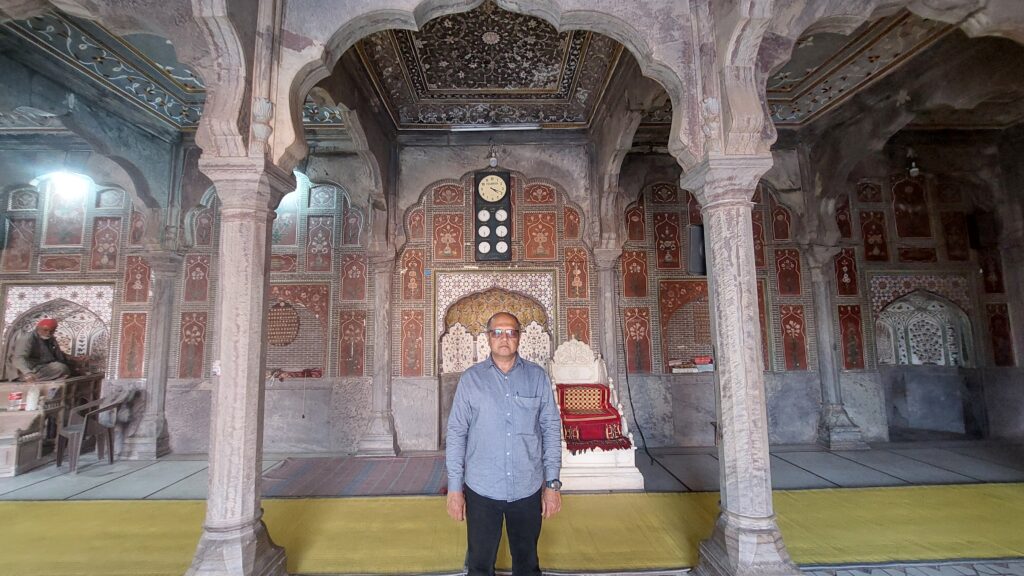
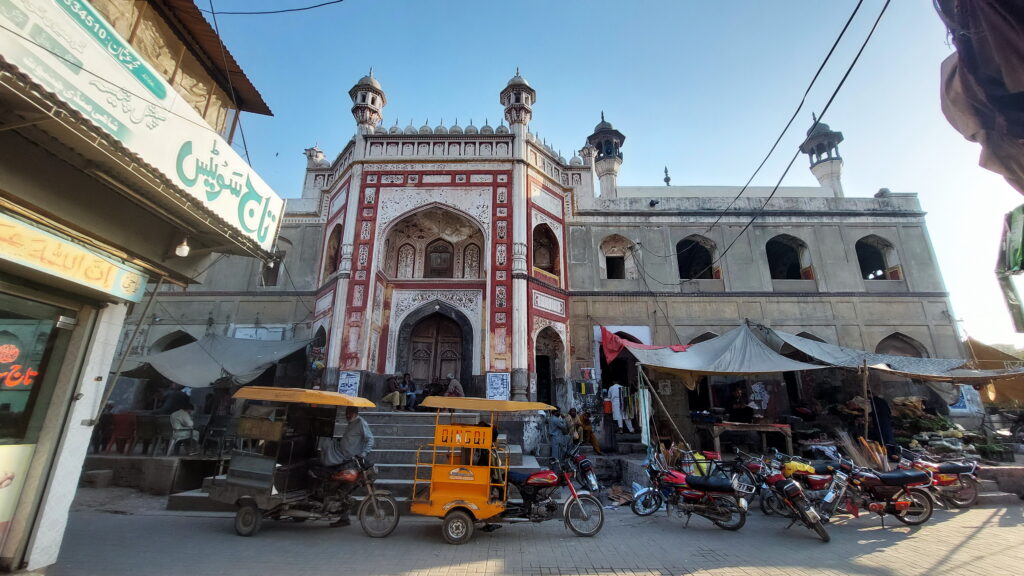
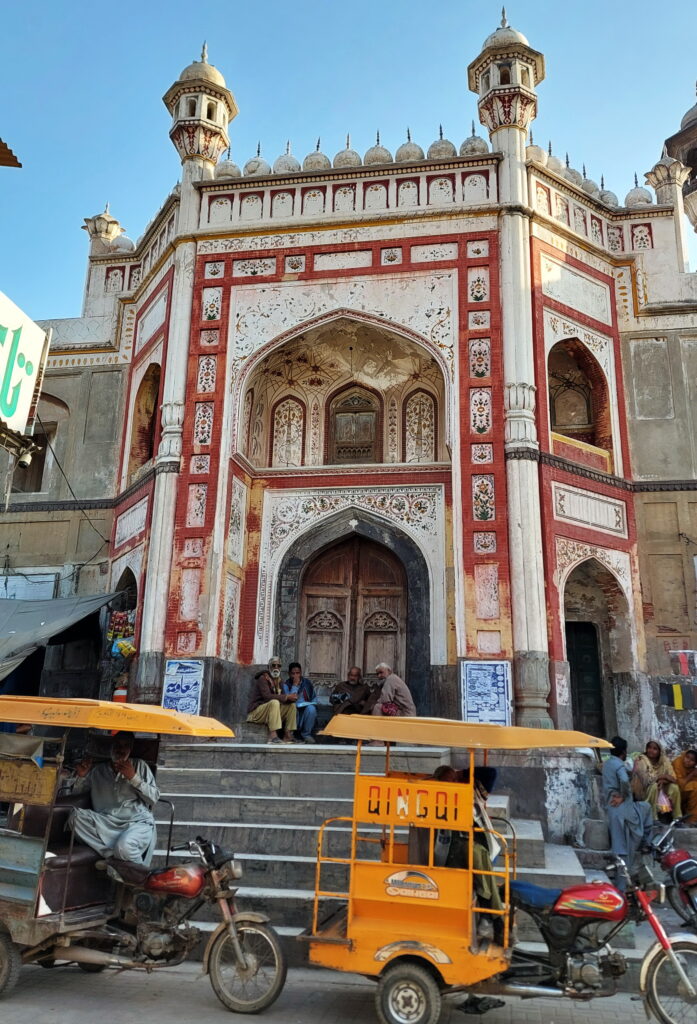
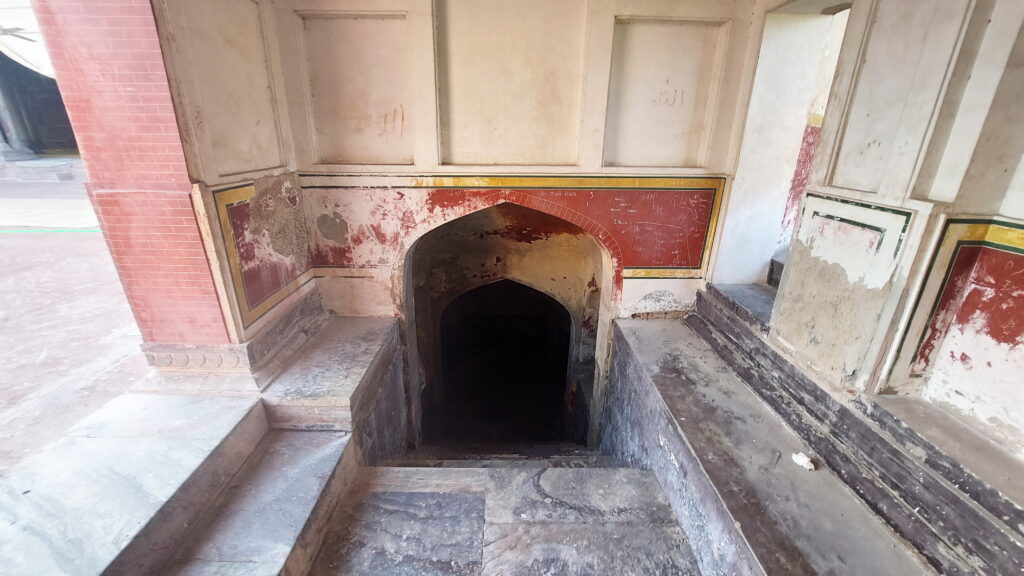
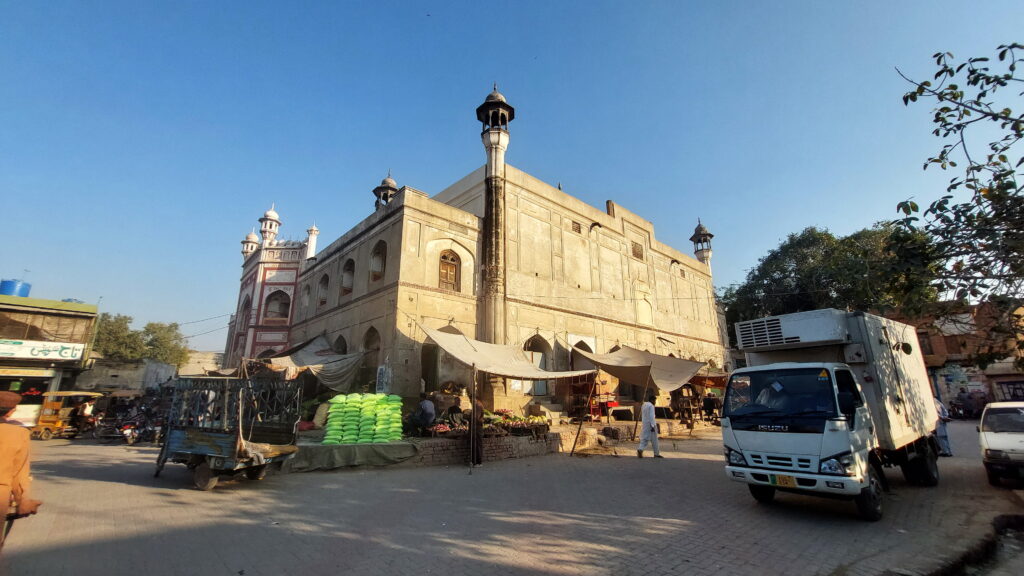
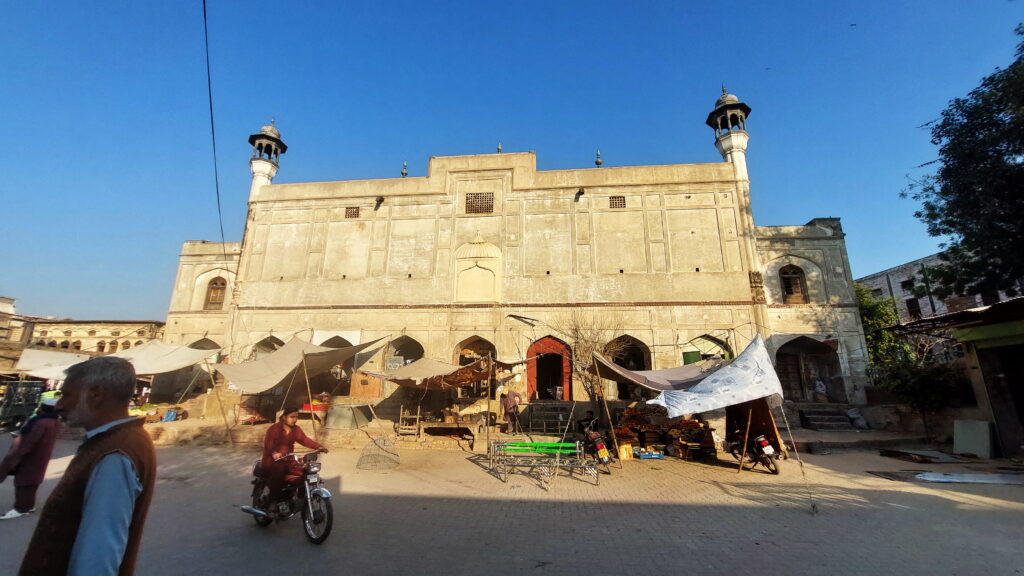
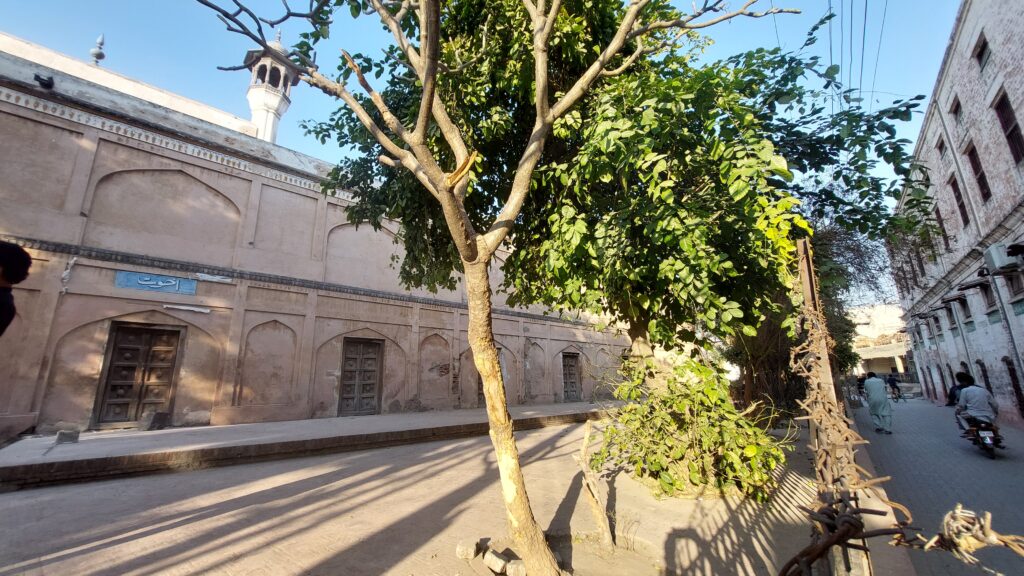
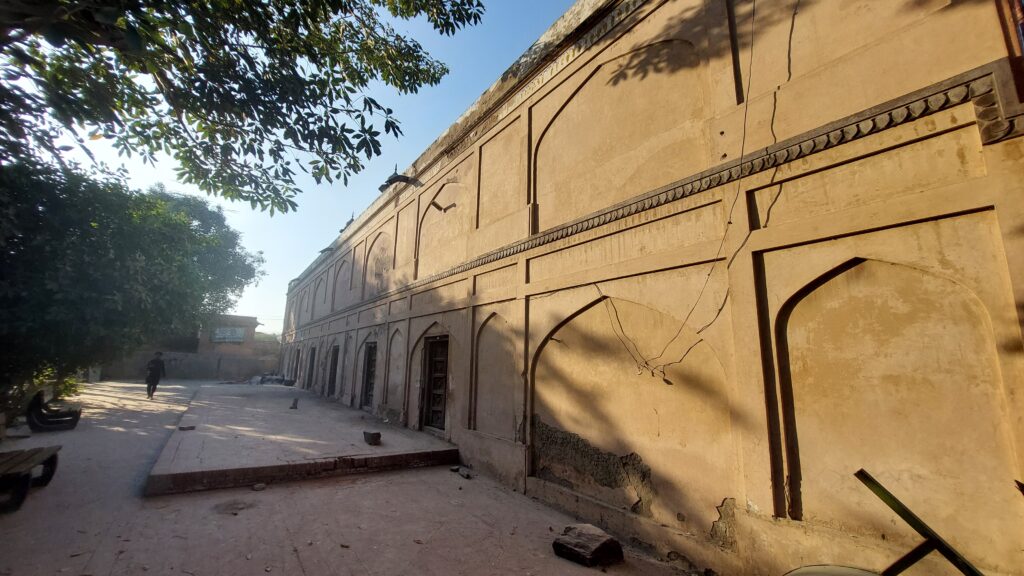
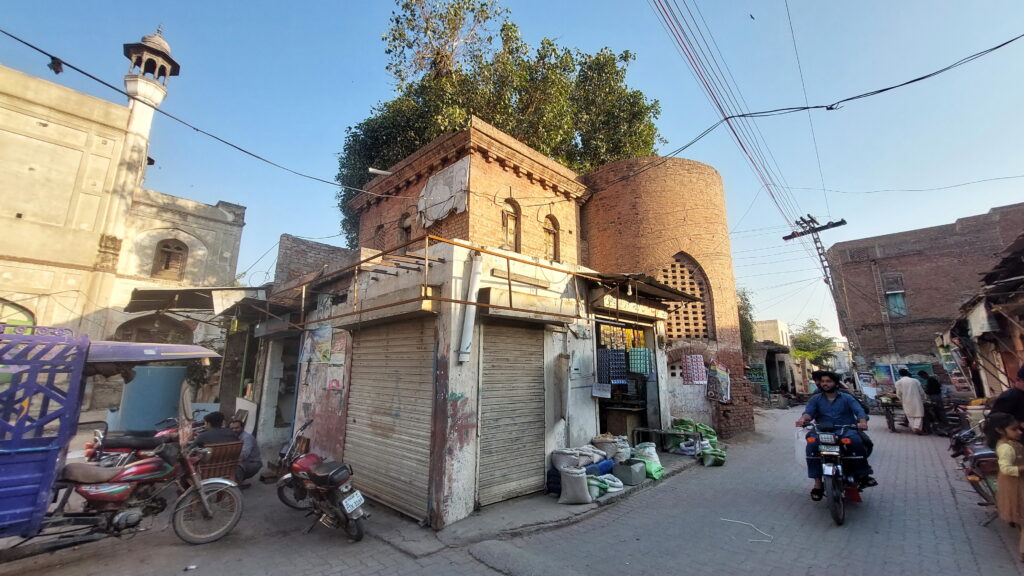
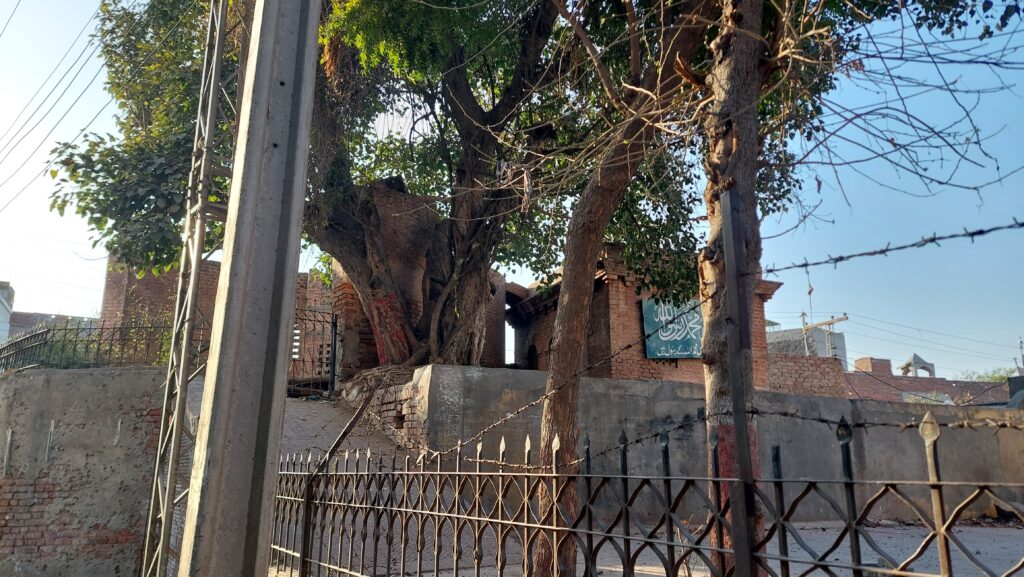
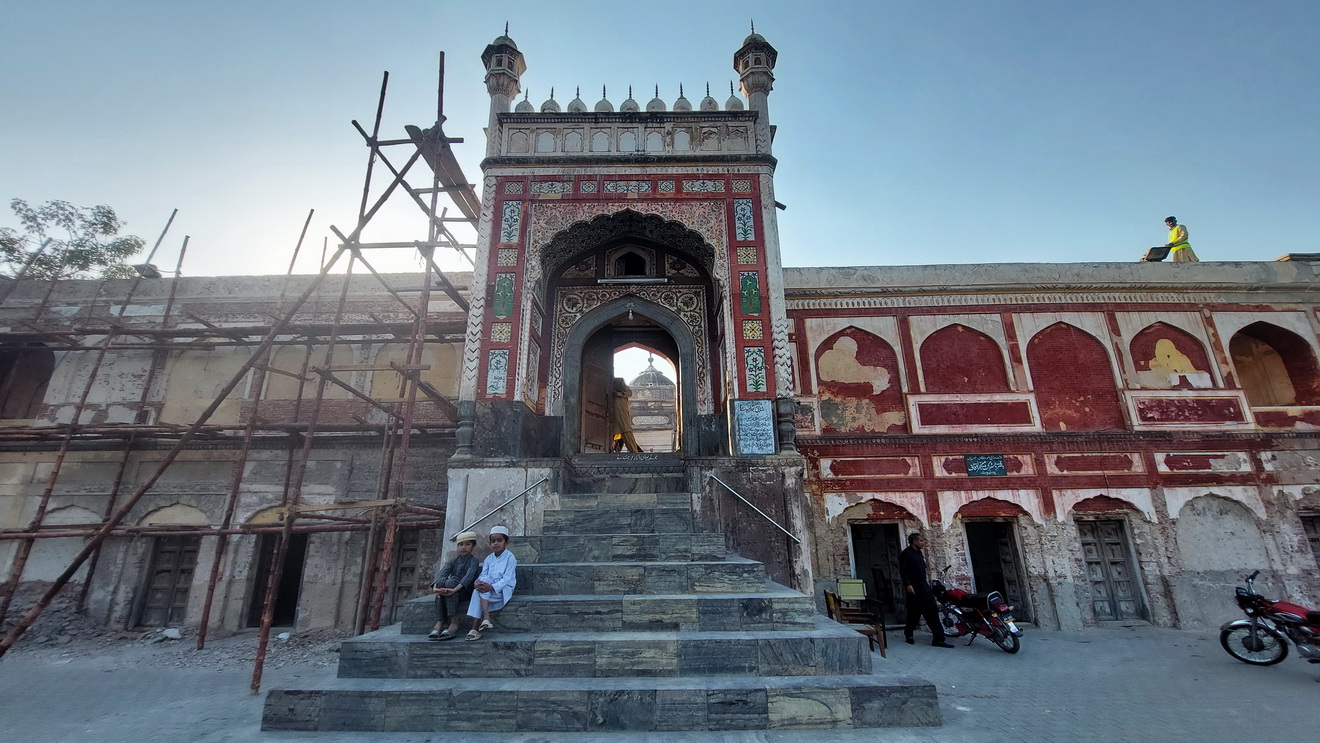
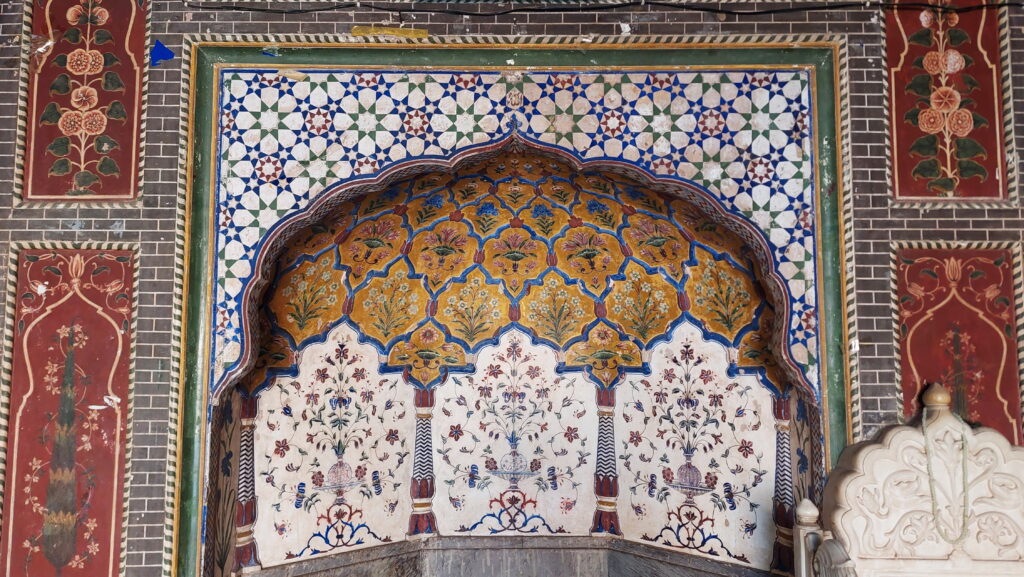
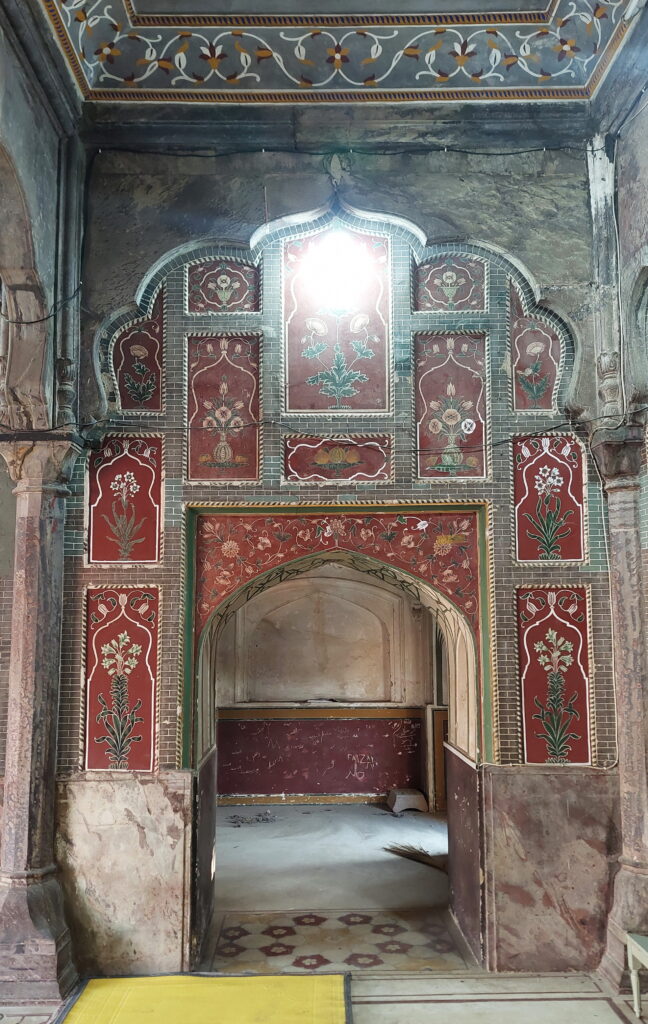
This mosque is a beautiful specimen of Mughal architecture. However, somewhat surprisingly, it is not as well known as a mosque of this size and beauty deserves to be. Its structure remains in good condition, but the decorative work requires repair and restoration. It is a matter of satisfaction that some restoration work is currently in progress, which I hope will be expedited and completed soon, so that visitors may once again see this marvel in its original beauty. With proper care and attention, this mosque can regain its past glory and attract more visitors.
Tariq Amir
April 9, 2026.
Islamabad
Your message has been sent

<script async=”async” src=”https://platform-api.sharethis.com/js/sharethis.js#property=5f9731c79c21ff001ae90566&product=sticky-share-buttons” type=”text/javascript”></script>