
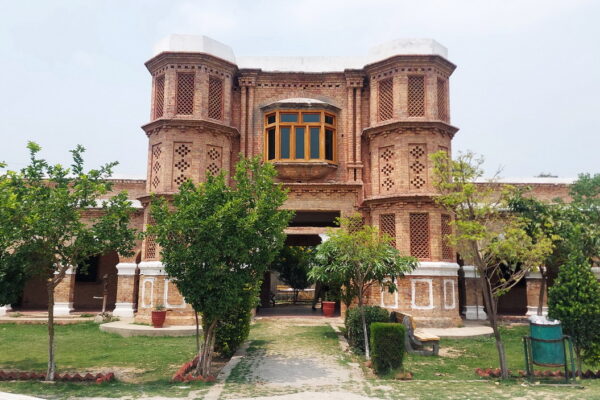
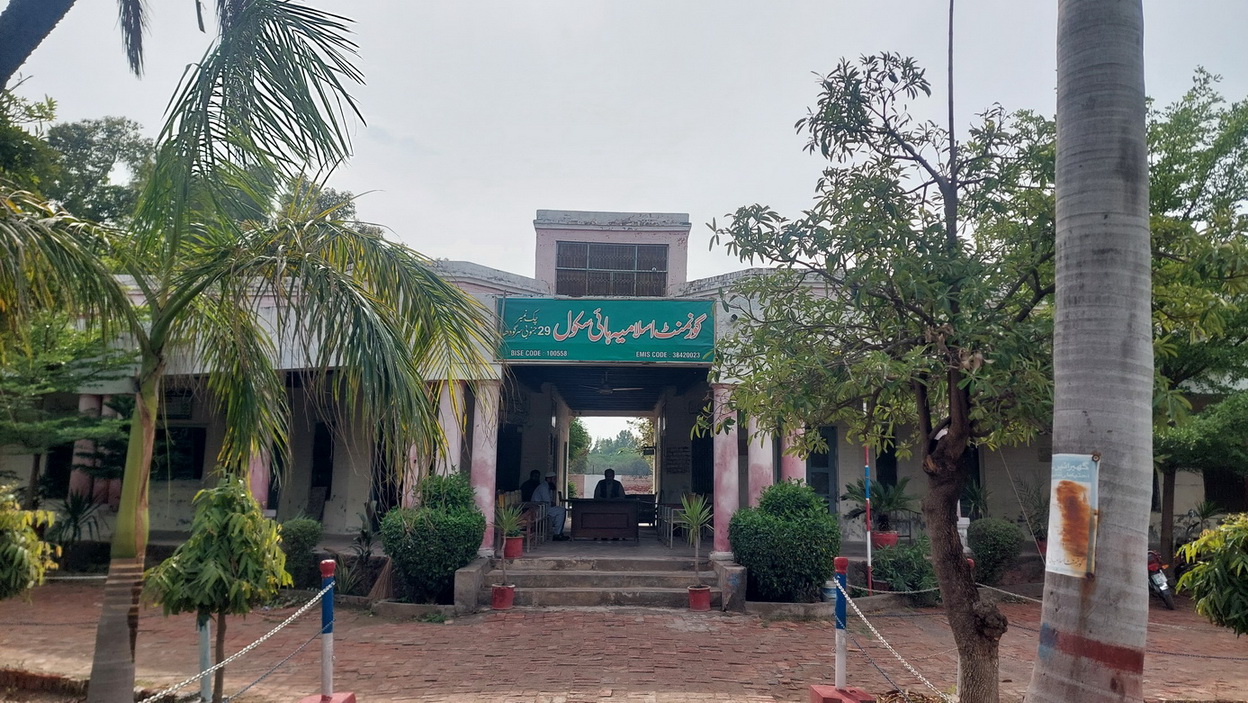
223. Khalsa High School Chak 29 S.B., district Sargodha.
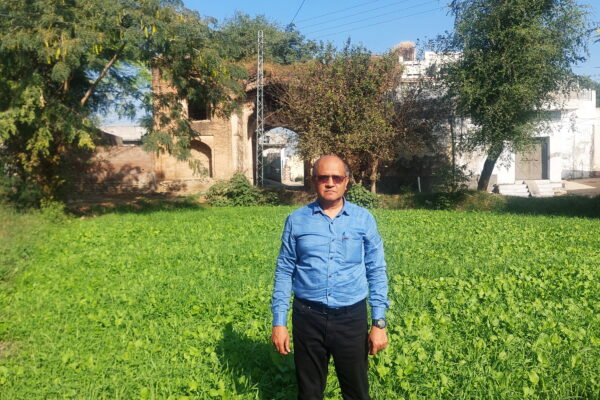
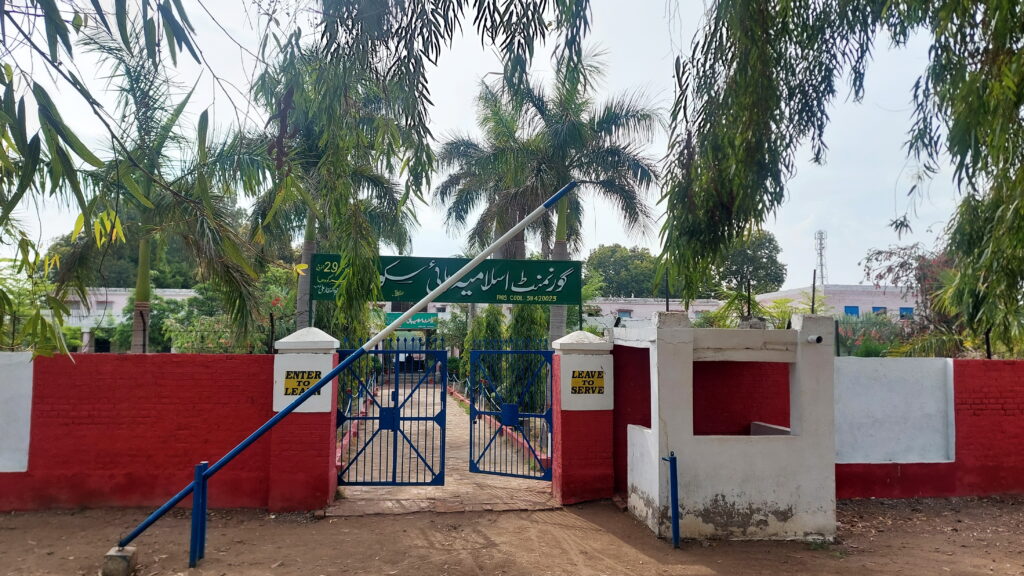
It could not have been a better day for a short excursion in the countryside of Punjab. The weather was excellent, and the natural beauty of this area was captivating. It had rained the previous evening, and everything was looking clean and fresh on this lovely spring day. My starting point was Sargodha, and the destination was Chak 29 S.B. at a distance of 25 kilometers. The purpose of visiting this beautiful but otherwise not so significant a village was to see a historic school, built during the pre-partition days by the Sikh community.
I have already touched upon the history and demographics of this region in my last three posts on O’Brien Islamia High School, Bhai Ram Kishan Gurmat High School, and DAV High School, all in Shahpur.
Location of the School:
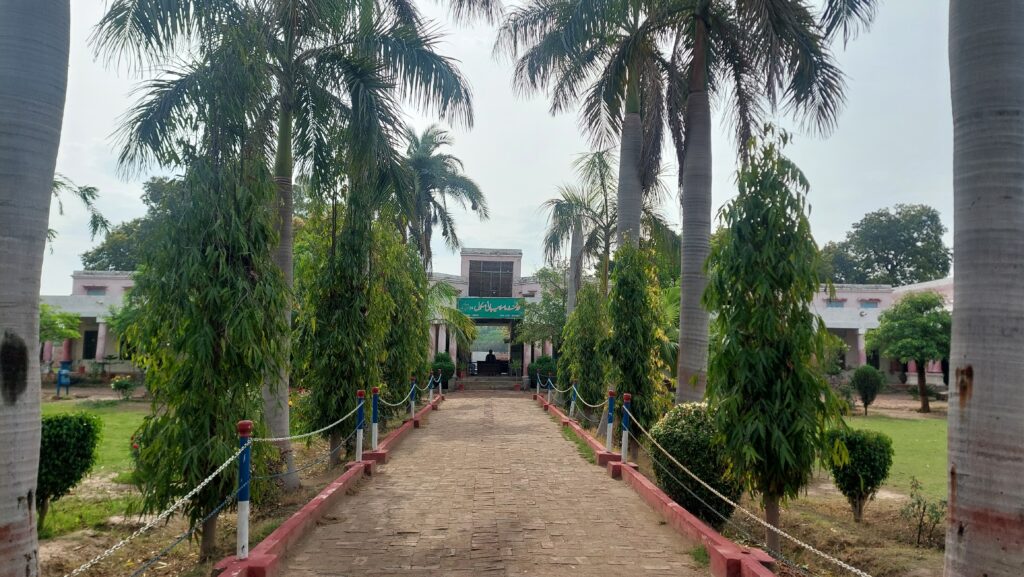
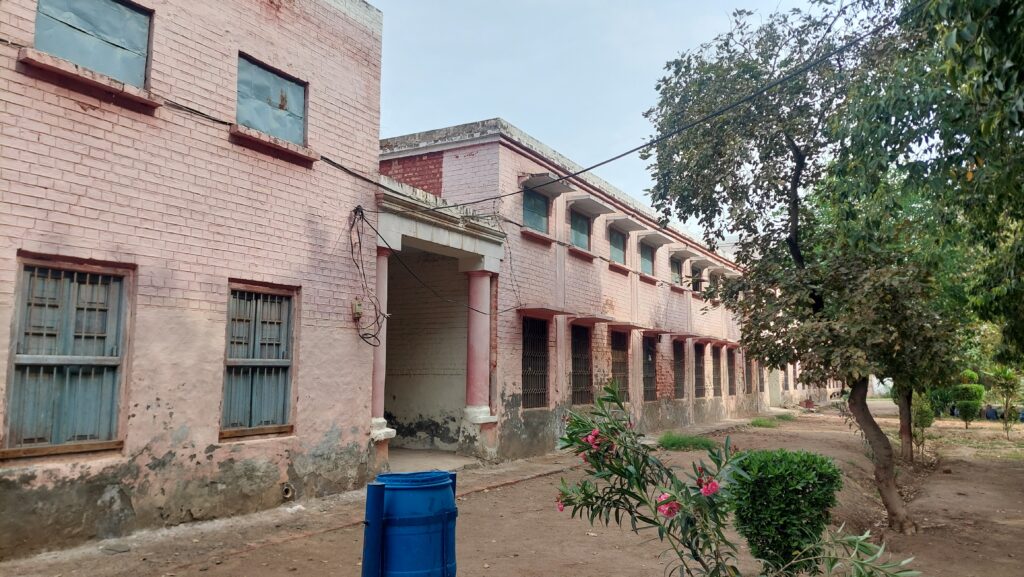
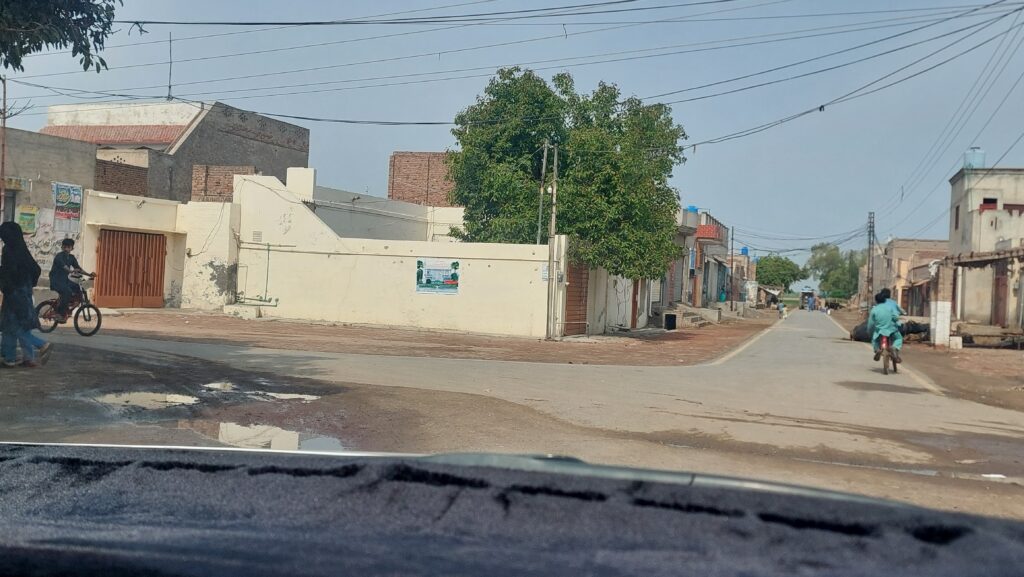
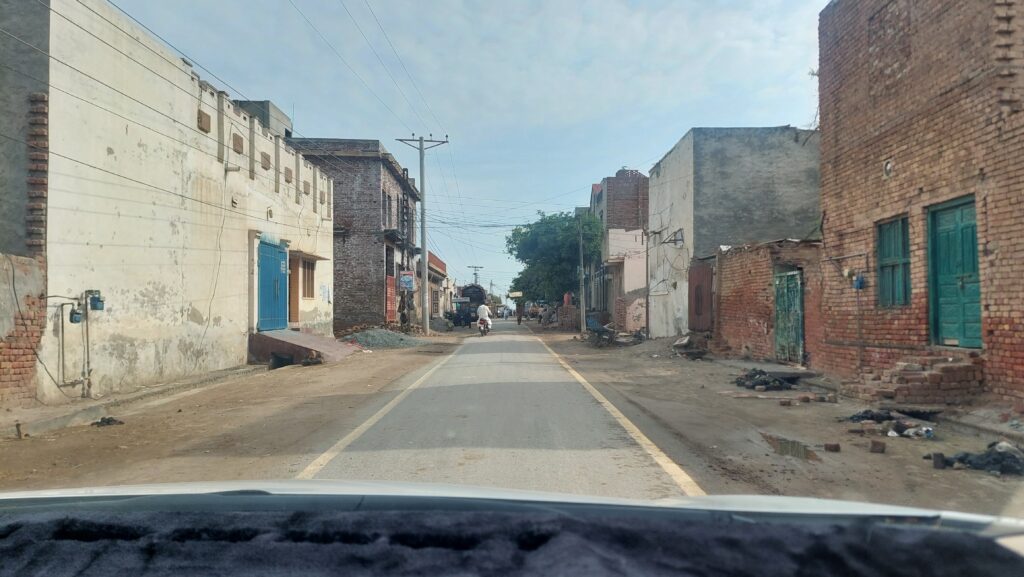
The school is located in Chak No. 29 S.B., in the district of Sargodha. The village is about 25 kilometers to the east of Sargodha city, off the main Sargodha – Lahore Road. Sargodha is also the nearest city or town. The school itself is located at the eastern outskirts of the village at 31°58’41.15″N, 72°53’48.53″E. Like all the Chaks of Punjab, it is a well-planned settlement. I found it prosperous and clean. For directions to the place, kindly refer to the map given at the end of this article.
History of the School:
Mr Zulfiqar, the principal, informed me that this chak belonged to the Sikh settlers. Who settled here in 1903 and 1904. The Chak was settled under the Horse Breeding Grant Scheme. The school was established in 1914, as a primary school and was called as Khalsa Primary School. In 1918, it was upgraded to the status of a middle school. It is pertinent to note that in those days, a primary school consisted of classes 1 to 4, and middle school from 5 to 8. In the late 1930s, plans were made to upgrade it to a high school. In 1943, it became Khalsa High School. After the partition, it became Islamia High School. A local person, Maulvi Ayub sahib, took care of this school for a long time. He also held an important position in the education department. The school was nationalised in 1972 and renamed Government Islamia High School. After the departure of Sikhs and Hindus, Muslims from the districts of Amritsar and Jalandhar settled here.
The old building of the primary school existed at the same place, where later on the building of the high school was constructed. The history of this new building is given on the plaques on the school. According to the first plaque, the foundation stone of this new building was laid down by Lieutenant Sardar Sujit Singh ji, who was a son of Sir Sundar Singh Majithia, the revenue minister of Punjab, on 10th October, 1938. Subsequently, Sir Sunder Singh ji himself visited this place. Quite an honour for the chak. The new building for the high school was “opened” by Sardar Bahadur Sardar Mohhan Singh on 8th April, 1941.
But another plaque shows that the foundation stone for the rooms of the Khalsa School was laid by Sardar Kirpal Singh Majithia on 25 October, 1942. He also donated a very large amount of Rs 9,500 for the construction. Now, these details are a bit confusing and difficult to comprehend. I guess the second foundation stone was laid for an additional block or section, though I could not identify any such construction.
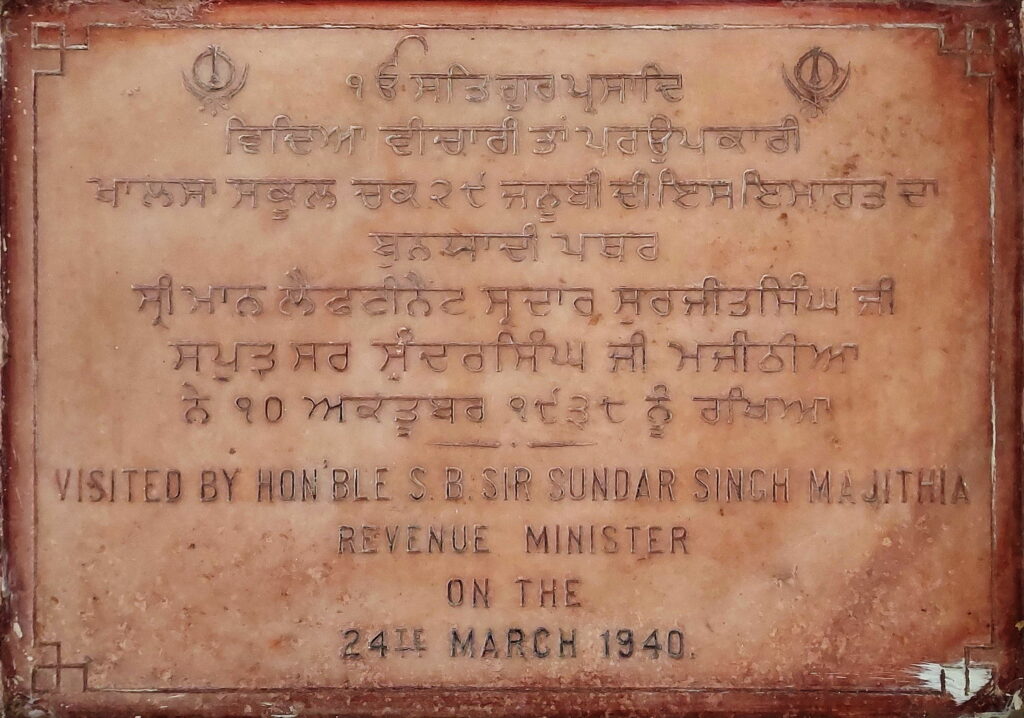
ਵਿਦਿਆ ਵਿਚਾਰੀ ਤਾਂ ਪਰਉਪਕਾਰੀ
ਖਾਲਸਾ ਸਕੂਲ ਚਕ ੨੯ ਜਨੂਬੀ ਦੀ ਇਸ ਇਮਾਰਤ ਦਾ
ਬੁਨਯਾਦੀ ਪਥਰ
ਸ੍ਰੀ ਮਾਨ ਲੇਫ਼ਟੀਨੇਂਟ ਸ੍ਰਦਾਰ ਸੁਰਜੀਤ ਸਿੰਘ ਜੀ
ਸਪੁਤ੍ਰ ਸਰ ਸੁੰਦਰ ਸਿੰਘ ਜੀ ਮਜੀਠੀਆ
ਨੇ ੧੦ ਅਕਤੂਬਰ ੧੯੩੮ ਨੂੰ ਰਖਿਆ
1 اونکار ستّ گرپرساد
(ایک واحد خدا، سچے گرو کے فضل سے۔)
وِدیا وِچاری تاں اُپکاری
(جو علم پر غور کرتا ہے، وہ دوسروں کے لیے فائدہ مند بن جاتا ہے۔)
خالصہ سکول چک 29 جنوبی دی اس عمارت دا
بنیادی پتھر
سری مان لیفٹیننٹ سردار سُجیت سنگھ جی
سپُتر سر سُندر سنگھ جی مجیٹھیا
نے 10 اکتوبر 1938 نوں رکھیا
One Universal Reality (God), realized by the grace of the True Guru.
One who reflects upon knowledge becomes a benefactor of others.
The foundation stone of the building of Khalsa School Chak 29 S.B. was laid by
Sriman Lieutenant Sardar Sujit Singh ji s/o Sir Sunder Singh Majithia, on
10 October 1938.
VISITED BY HON’BLE S.B. SIR SUNDAR SINGH MAJITHIA
REVENUE MINISTER
ON THE
24TH MARCH 1940
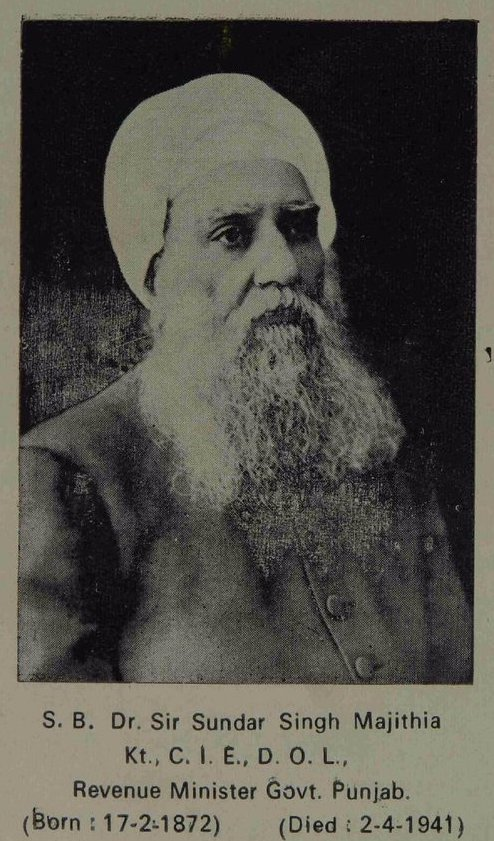
Sardar Bahadur Sir Sundar Singh Majithia:
Sardar Sundar Singh Majithia was a prominent Sikh statesman, educationist, and reformer who played an important role in Sikh politics and society during the late nineteenth and early twentieth centuries. He was born in 1872 at Majitha, near Amritsar, and belonged to an aristocratic family. He received his education at Government High School, Amritsar, and Aitchison College, Lahore.
After completing his education, he became active in social and political activities. He was a founder member of Chief Khalsa Diwan and held its office of Secretary for a long time. He remained active for the promotion of education and was a member of the governing council of Khalsa College, Amritsar.
In 1921, he was elected to the Punjab Legislative Council and appointed as an executive councillor and revenue minister in the Punjab Government. In 1931, he led a Sikh deputation, which, met the Viceroy on 9 July 1931 and presented a charter of 17 demands on behalf of the Sikhs. He was elected to the Punjab Legislative Assembly from Batala constituency on 1 April 1937 and served in the Unionist Coalition government in the Punjab under the premiership of Sir Sikandar Hayat Khan as revenue minister, until his death in 1941.
He was given the title of Sardar Bahadur in 1911 and C.I.E., the Companion of the British Empire in 1920. He was knighted in 1926. He died in Lahore on 12 April, 1941.
Lieutenant Sardar Sujit Singh Majithia:
In the first plaque, we can see that he is the person who laid the foundation of this school on 10 October, 1938. He was the son of Sardar Sundar Singh Majithia. He was born on 8 August 1912 into a very rich and influential family. He started his career as a pilot in the Indian Air Force and served during the Second World War.
Later, he entered politics and served as a member of the Central Legislative Assembly from 1945 to 1947. After independence, he was thrice elected to the Lok Sabha in 1952, 1957, and 1962. He also served as the Deputy Defence Minister of India from 1952 to 1962. He was a good sportsman and served as the head of many sporting bodies. He died in 1995.
The above given information is based on articles in jatchiefs.com and Wikipedia.
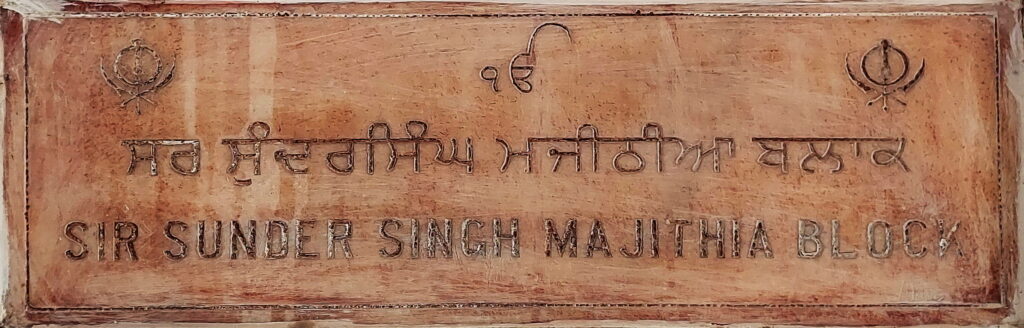
ਸ੍ਰ ਸੁੰਦਰ ਸਿੰਘ ਮਜੀਠੀਆ ਬਲਾਕ
1 اونکار
(ایک واحد خدا)
سر سُندر سنگھ مجیٹھیا بلاک
SIR SUNDER ISINGH MAJITHIA BLOCK
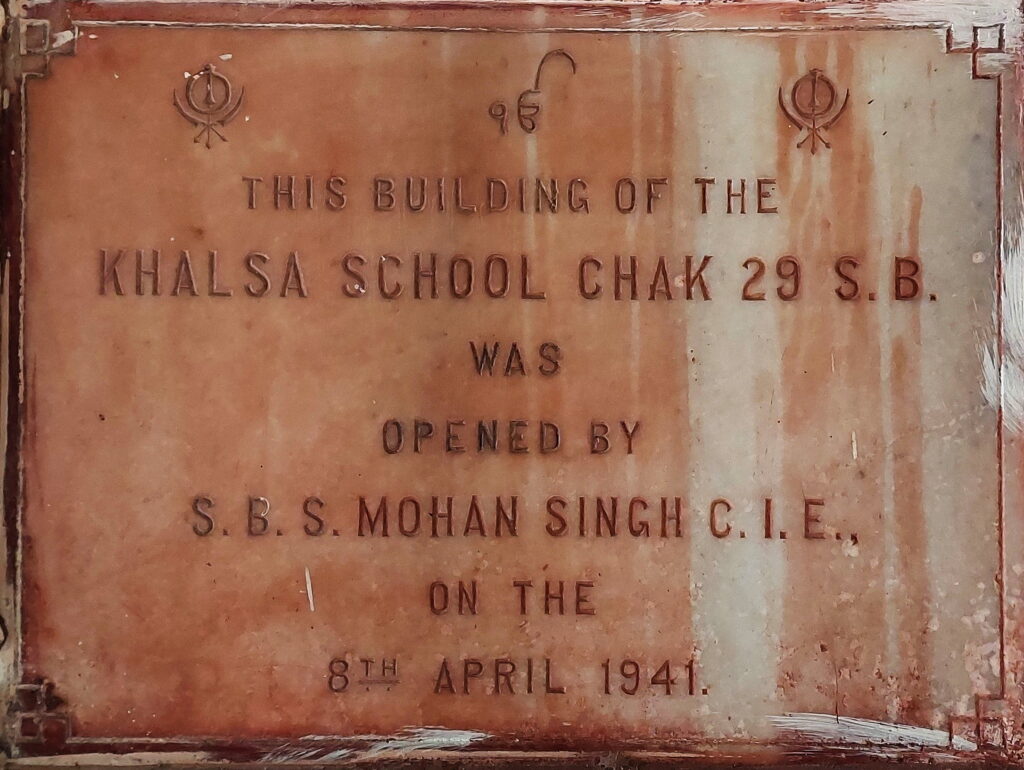
THIS BUILDING OF THE
KHALSA SCHOOL CHAK 29 S.B.
WAS OPENED BY
S.B.S.* MOHAN SINGH C.I.E.*
ON THE
8TH APRIL 1941.
S.B.S. : Sardar Bahadur Sardar (An honorary title given during the British Raj.)
C.I.E. : Companion of the Order of the Indian Empire.
Sardar Bahadur Sardar Mohan Singh C.I.E:
Sardar Mohan Singh was born in Rawalpindi in 1897. He belonged to a very prominent family of Rawalpindi. He was the son of Sardar Hardit Singh. His ancestors served in important positions during the Sikh Raj and held many jagirs in this area. He received his higher education in Amritsar and later at Aitchison College, Lahore. He completed his education at Government College Lahore in 1919.
He entered politics in 1930, when he was elected a member of the Punjab Legislative Assembly. He also served in many other prominent positions. He was awarded the title of Sardar Bahadur in 1931 and was made a Companion of the Order of the British Empire in 1941. He was actively involved in the promotion of education in Punjab and was a supporter of girls’ education. He also became a member of the Shiromani Gurdwara Parbandhak Committee in 1930. He died in 1961.
His grandfather, Sardar Sujan Singh, was a leading figure of Rawalpindi. His haveli still exists, though it is in a very bad condition. The Gurdwara Bagh Sardaran is another important monument built by him.
He was the son of Sardar Sundar Singh Majithia and the brother of Sardar Sujit Singh. He also visited this place in connection with the construction of the building and donated a huge amount of Rs 9,500, the second-highest donation I have observed in any school or gurdwara. The highest donation was made by Sardar Sujan Singh of Hadali, the grandfather of Khushwant Singh. He made this donation to Sri Guru Nanak High School, Mitha Tiwana, Khushab, in 1934.
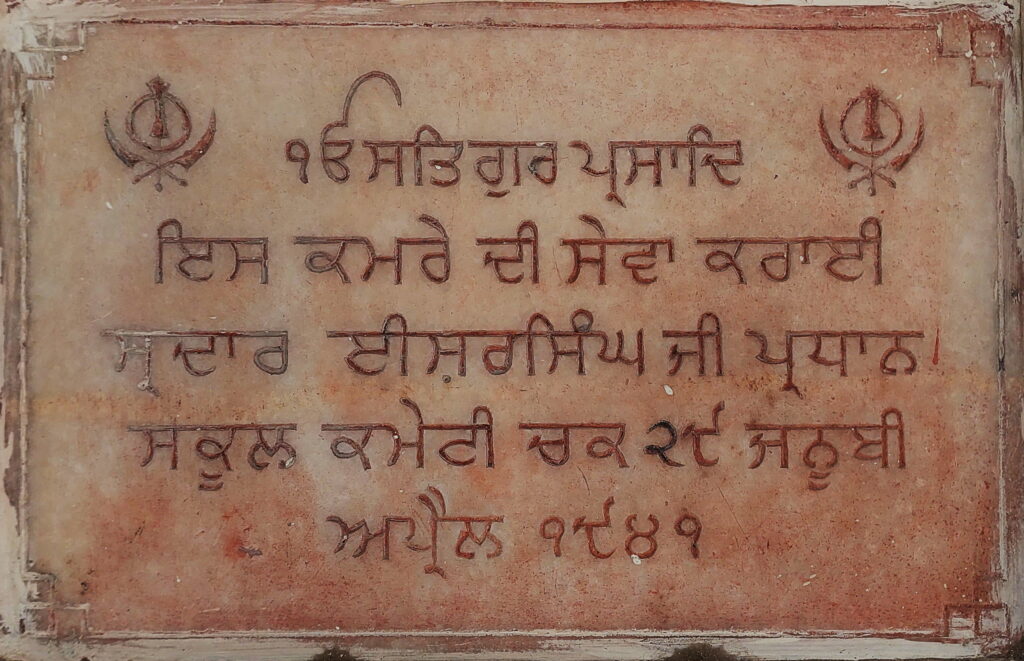
ਇਸ ਕਮਰੇ ਦੀ ਸੇਵਾ ਕਰਾਈ
ਸ੍ਰਦਾਰ ਈਸ਼ਰ ਸੰਘ ਜੀ ਪ੍ਰਧਾਨ
ਸਕੂਲ ਕਮੇਟੀ ਚਕ ੨੯ ਜਨੂਬੀ
ਅਪ੍ਰੈਲ ੧੯੪੧
1 اونکار ستّ گرپرساد
(ایک واحد خدا، سچے گرو کے فضل سے۔)
اس کمرے دی سیوا کرائی
سردار ایشر سنگھ جی پردھان
سکول کمیٹی چک 29 جنوبی
اپریل 1491
One Universal Reality (God), realized by the grace of the True Guru.
Service for this room was rendered by Sardar Eshar Singh, President of the School Committee, Chak 29 S.B.
April 1941
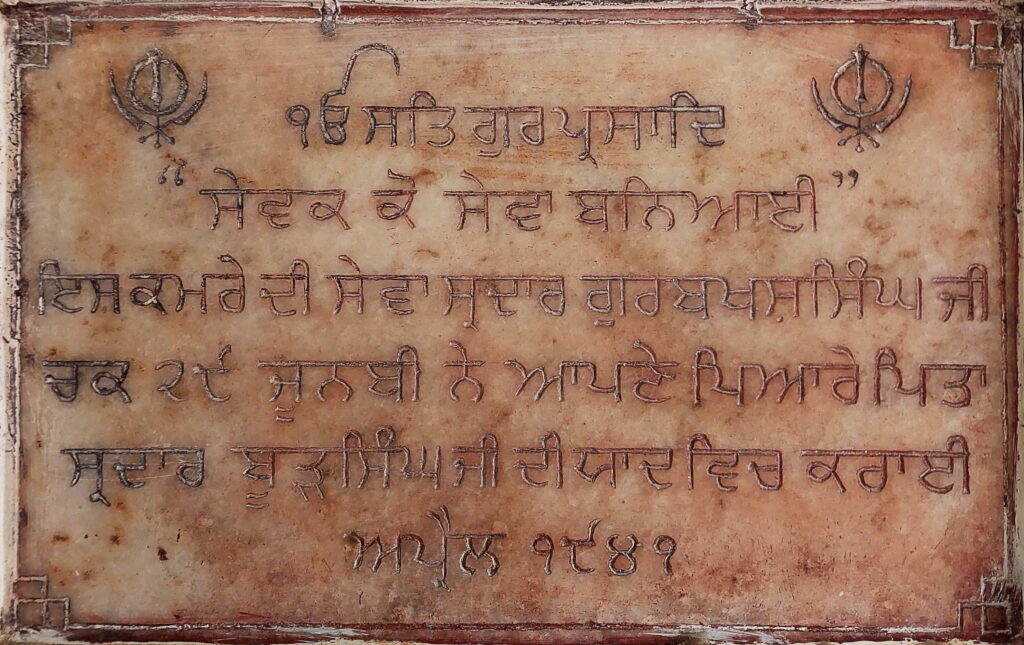
“ਸੇਵਕ ਕੋ ਸੇਵਾ ਬਨਿਆ ਈ “
ਇਸ ਕਮਰੀ ਦੀ ਸੇਵਾ ਸ੍ਰਦਾਰ ਗੁਰ ਬਖਸ਼ ਸਿੰਘ ਜੀ
ਚਕ ੨੯ ਜਨੂਬੀ ਨੇ ਆਪਣੇ ਪਿਆਰੇ ਪਿਤਾ
ਸ੍ਰਦਾਰ ਬੂੜ ਸਿੰਘ ਜੀ ਦੀ ਯਾਦਗਾਰ ਵਿਚ ਕਰਵਾਈ
ਅਪ੍ਰੈਲ ੧੯੪੧
1 اونکار ستّ گرپرساد
(ایک واحد خدا، سچے گرو کے فضل سے۔)
اس کمرےدی سیوا سردار گُر بخش سنگھ جی
چک 29 جنوبی نے آپڑیں پیارے پِتا
سردار بُوڑ سنگھ جی دی یادگار وِچ کرائی
اپریل 1941
One Universal Reality (God), realized by the grace of the True Guru.
Service for this room was rendered by Sardar Gurbaksh Singh ji of Chak 29 S.B. in memory of his dear father Sarar Boor Singh ji.
April 1941
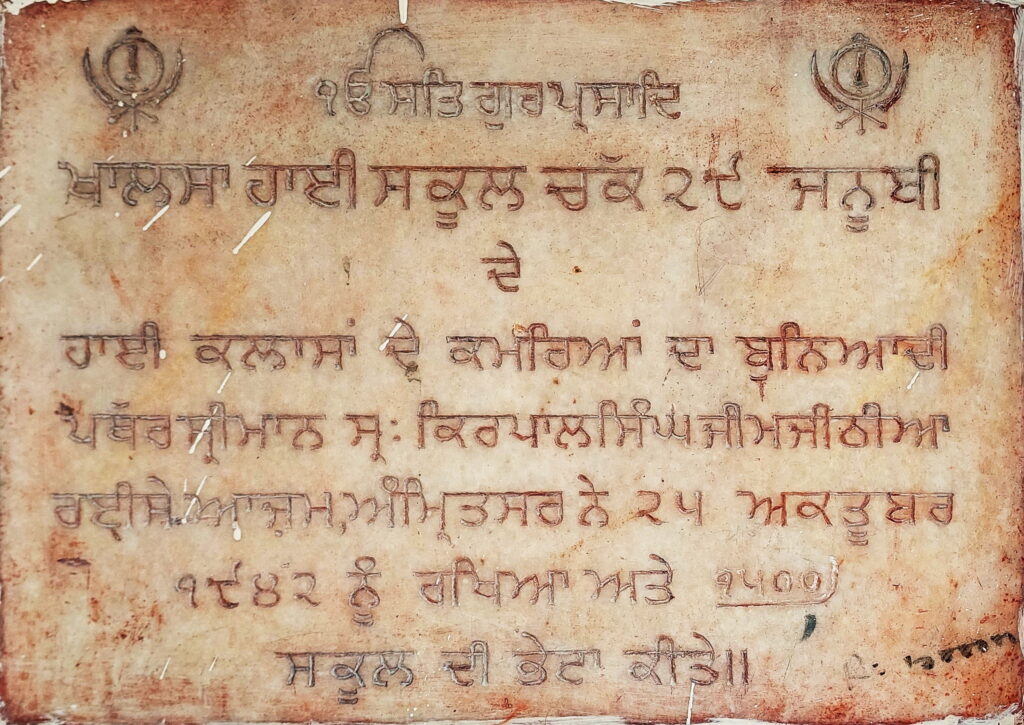
ਖਾਲਸਾ ਹਾਈ ਸਕੂਲ ਚੱਕ ੨੯ ਜਨੂਬੀ
ਦੇ
ਹਾਈ ਕਲਾਸਾਂ ਦੇ ਕਮਰਿਆਂ ਦਾ ਬੁਨਿਆਦੀ
ਪੱਥਰ ਸ੍ਰੀਮਾਨ ਸ੍ਰ: ਕਿਰਪਾਲ ਸਿੰਘ ਜੀ ਮਜੀਠੀਆ
ਰਈਸੇ ਆਜ਼ਮ, ਅੰਮ੍ਰਿਤਸਰ ਨੇ ੨੫ ਅਕਤੂਬਰ
੧੯੪੨ ਨੂੰ ਰਖਿਆ ਅਤੇ ੯੫੦੦
ਸਕੂਲ ਦੀ ਭੇਟਾ ਕੀਤੇ ||
1 اونکار ستّ گرپرساد
(ایک واحد خدا، سچے گرو کے فضل سے۔)
خالصہ ہائی سکول چک نمبر 29 جنوبی
دے
ہائی کلاساں دے کمریاں دا بُنیادی
پتھر سریمان سردار کِرپال سنگھ جی مجیٹھیا
رئیسِ اعظم، امرتسر نے 25 اکتوبر
2491 نوں رکھیا اتے 0059
سکول دی بھیٹا کیتے
One Universal Reality (God), realized by the grace of the True Guru.
The foundation stone for the rooms of the Khalsa High School Chak No. 26 SB, was laid by
Sriman Sardar Kirpal Singh Majithia, Raees-e-Azam*, Amritsar
on 25 October 1942 and also donated Rs 9,500/- to the school.
Raees-e-Azam*: The most eminent or greatest nobleman / leading gentleman or the most wealthy man.
Sardar Kirpal Singh Majithia:
On the plaques in the school, we have seen the names of four prominent persons inscribed on them. Three of them belonged to a famous and aristocratic Sikh family from Majitha, a town in the district of Amritsar, about 20 kilometers north of the city. A clan of Shergill Jats from this town became prominent during the rule of Maharaja Ranjit Singh and, due to their connection to Majitha, became known as the Majithias. They retained their prominent position during the British Raj as well and played an important role in politics and many other fields throughout this period.
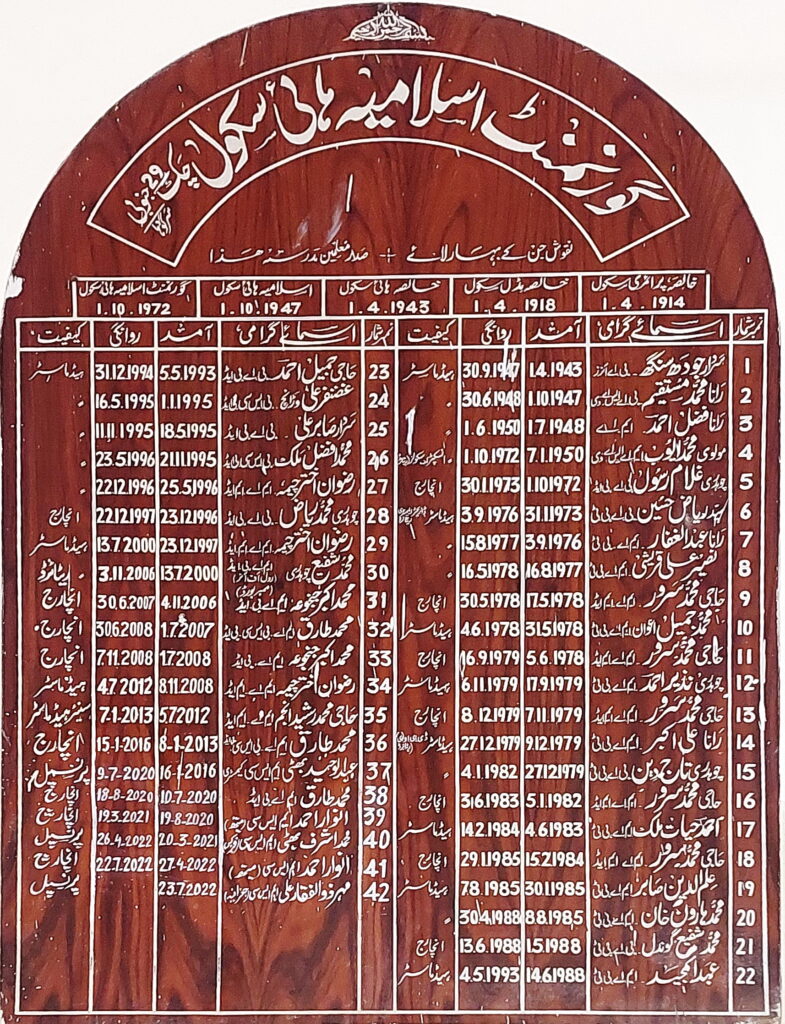
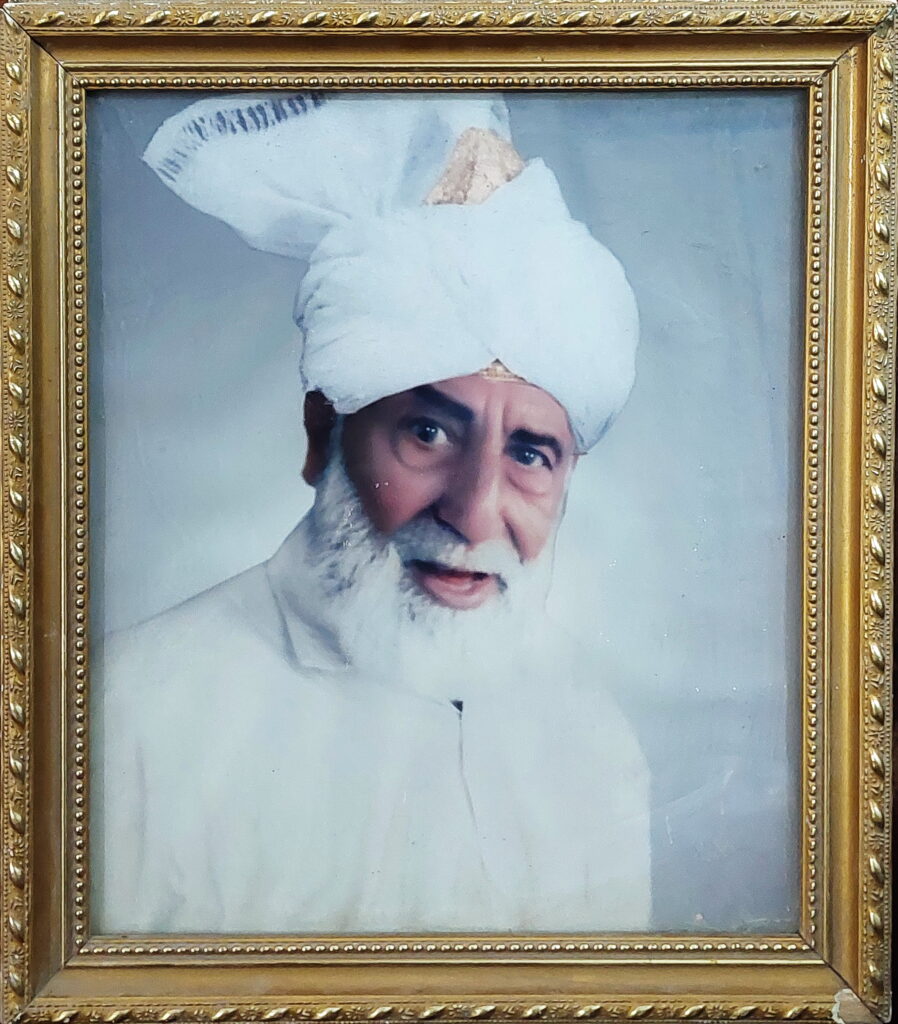
Names of the heads of the school
1. Sardar Jodh Singh B.A Honours
01.04.1943. – 30.09.1947.
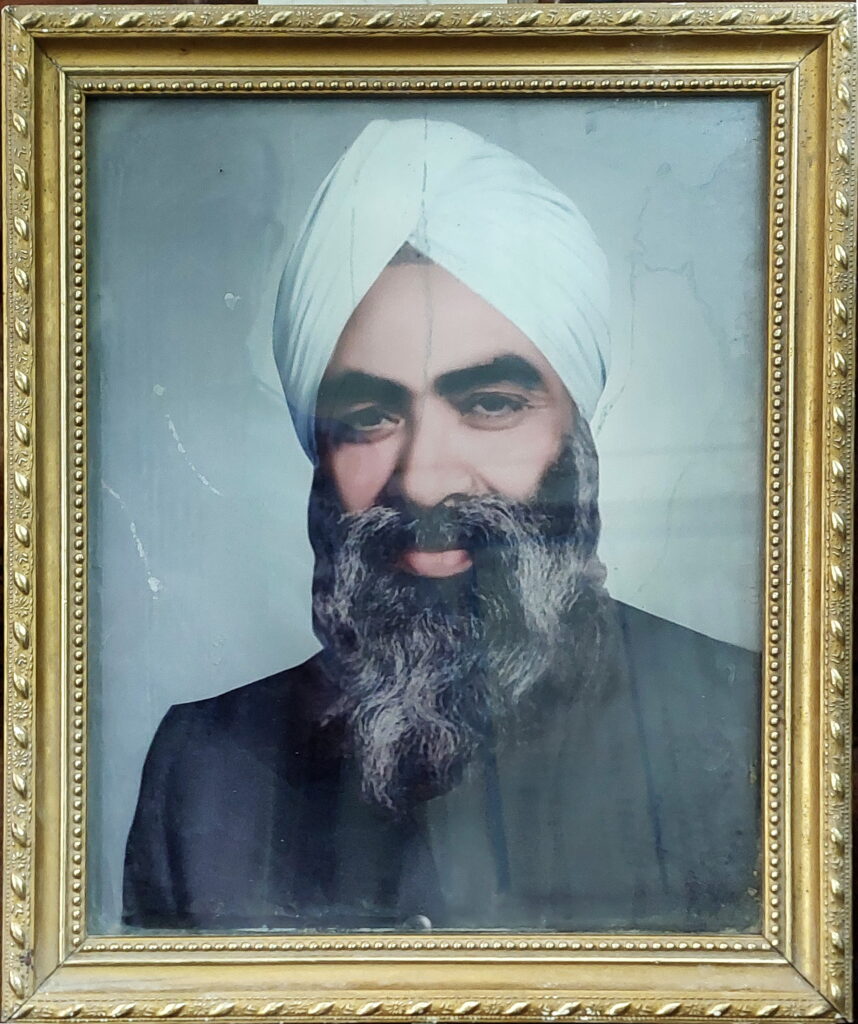
The first Headmaster. 01.04.1943. – 30.09.1947.
Architecture and the Layout:
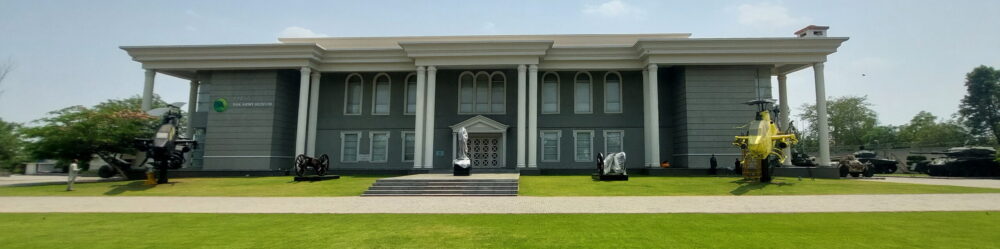
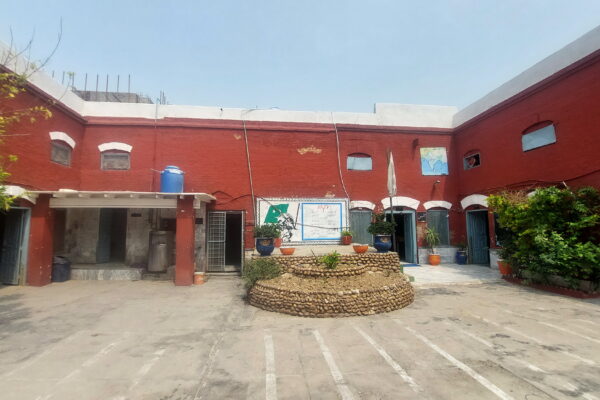
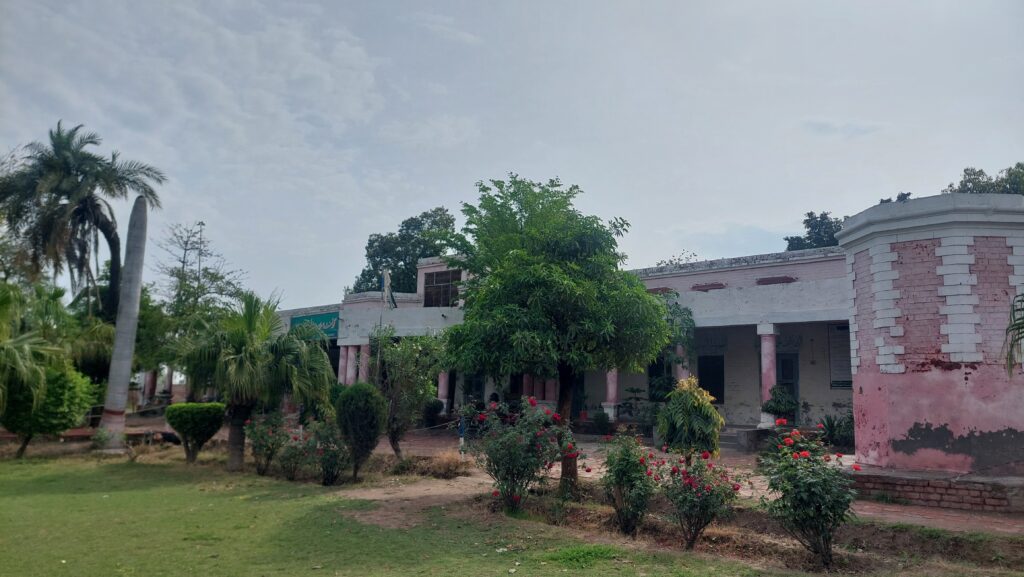
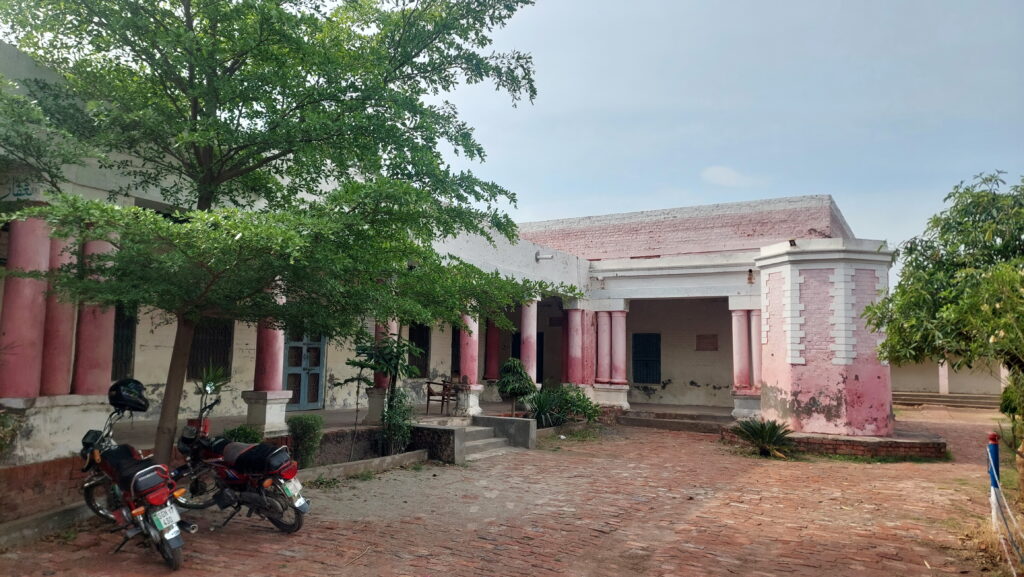
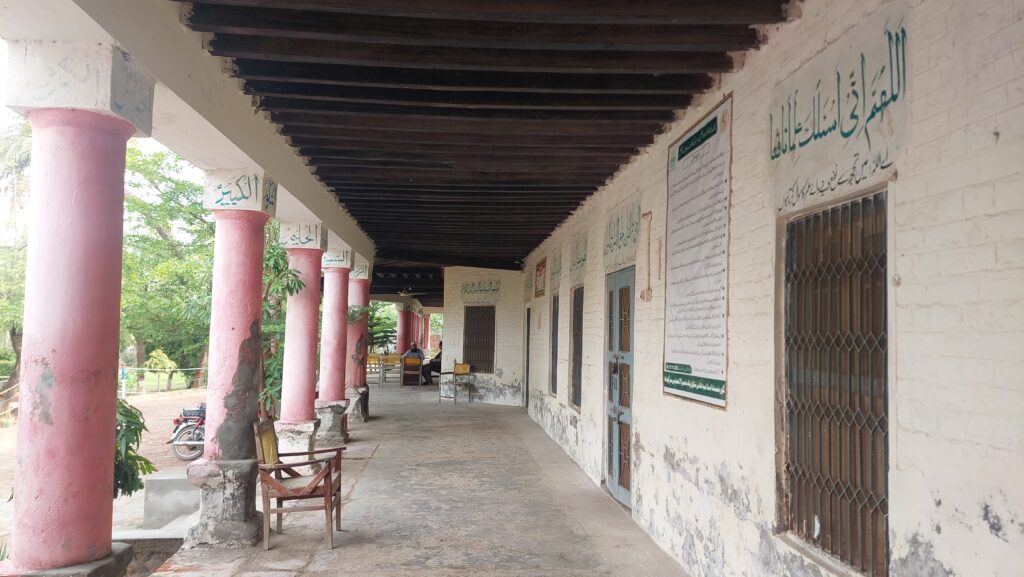
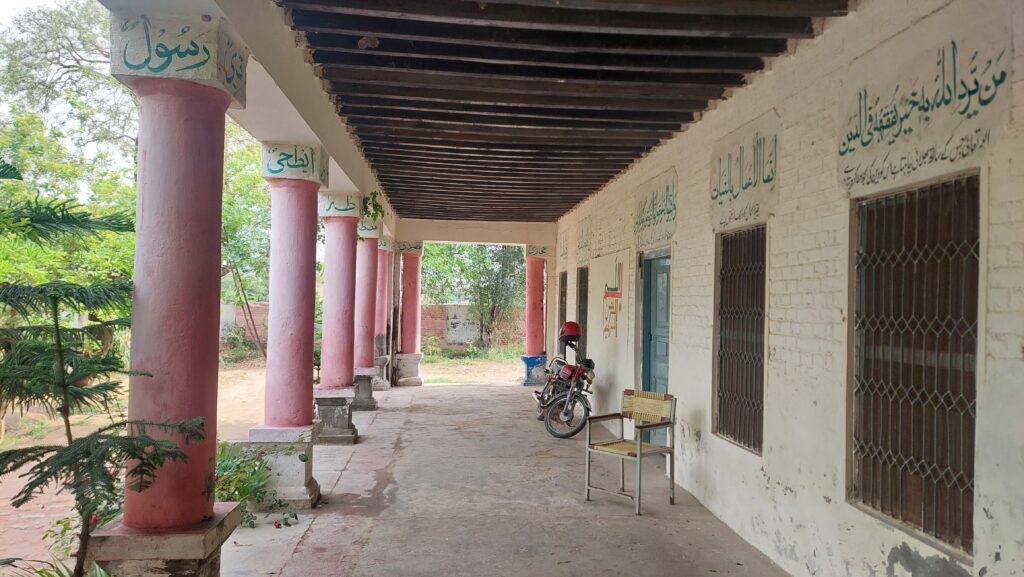
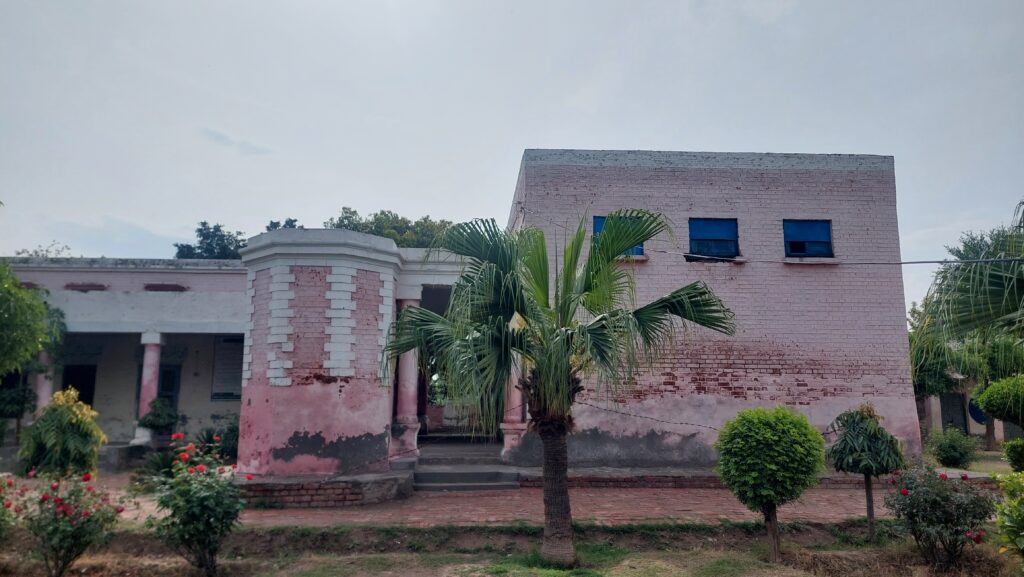
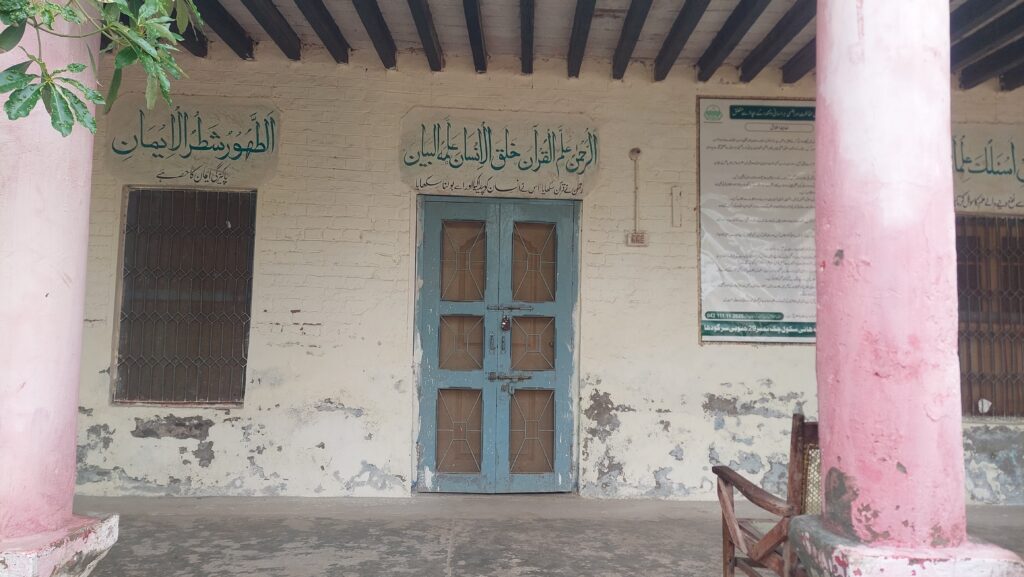
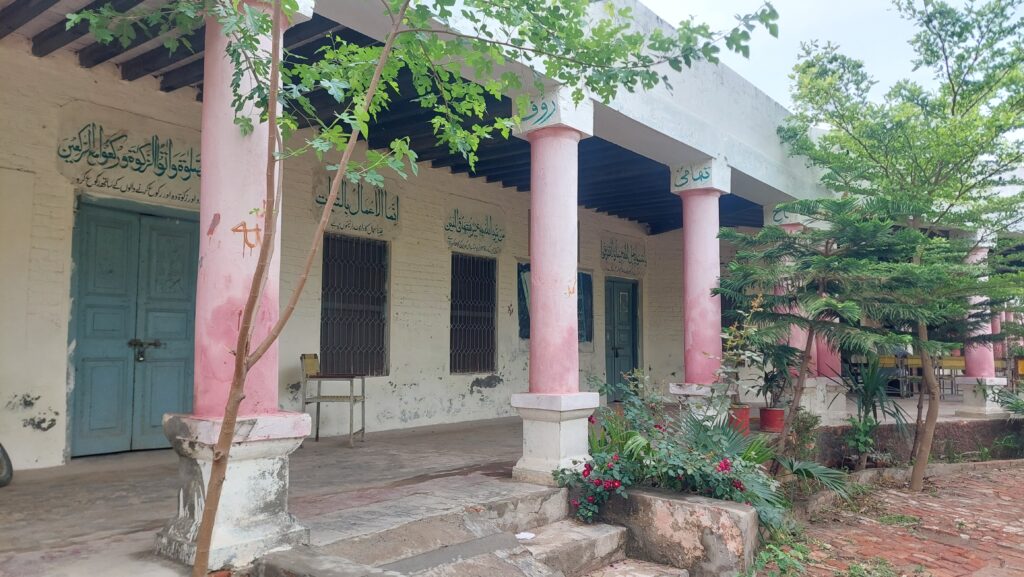
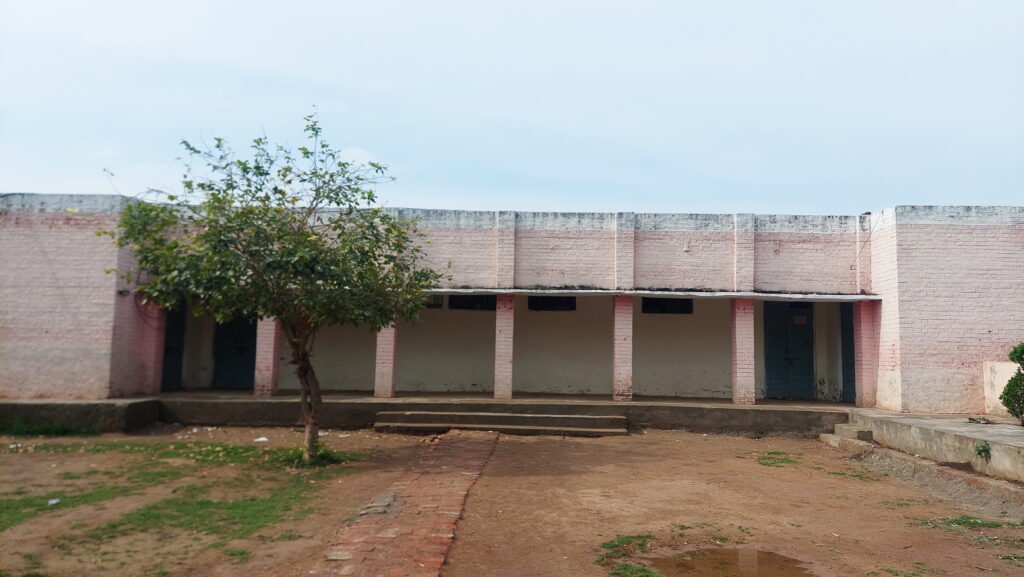
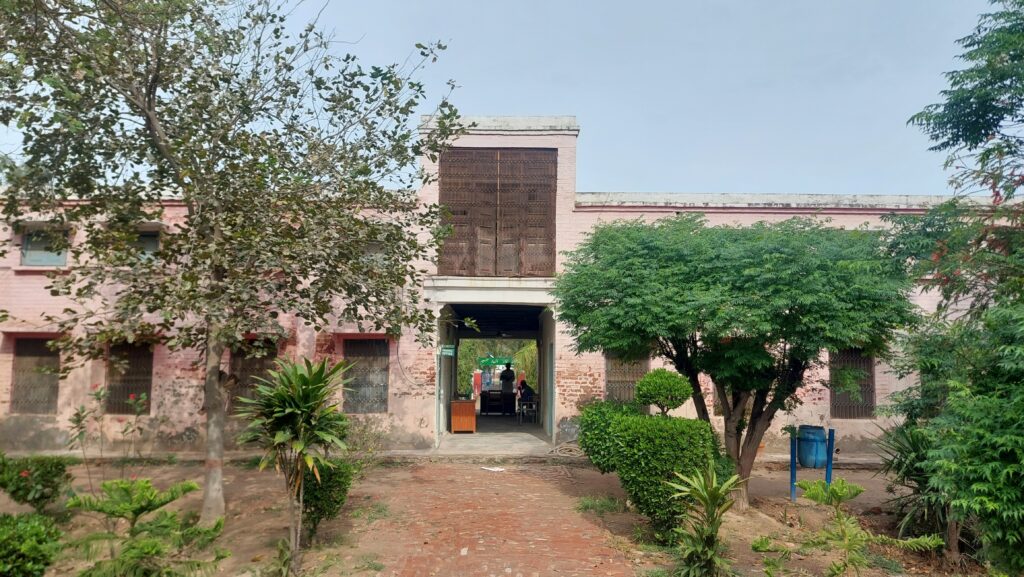
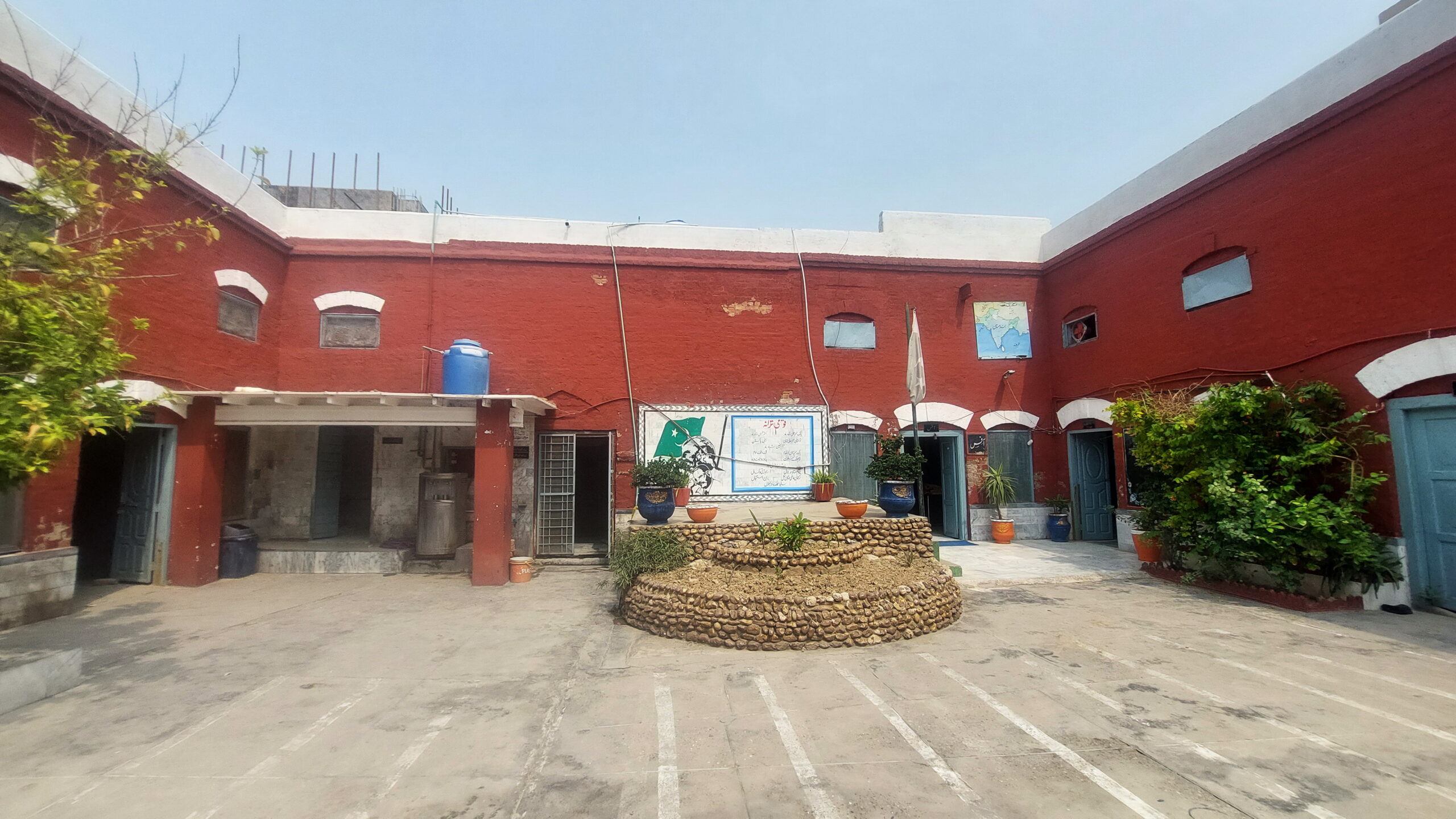
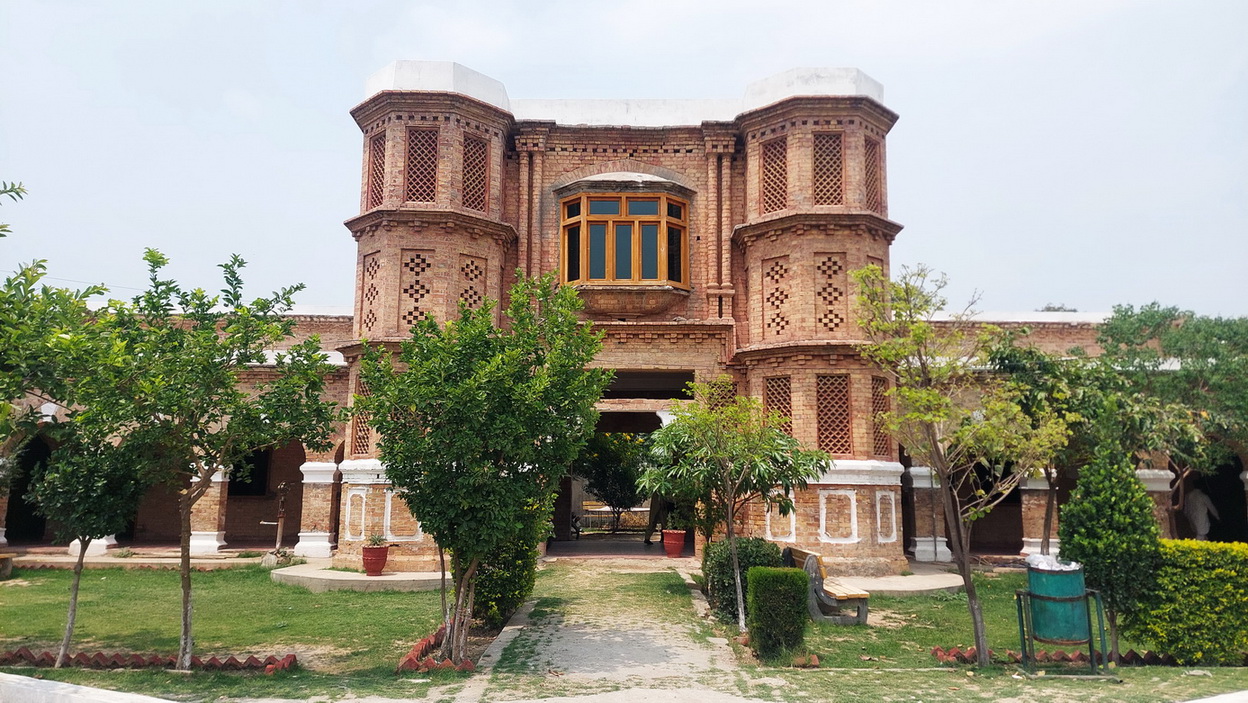
The building of the school is comparatively small, having eight rooms, but unlike most other schools of that era, it has no hall for functions or gatherings. The building is also clearly different from those built during the 1920s or earlier. The use of cement and concrete is clearly visible. The veranda, too, is not supported by pointed arches but by straight concrete lintels. In short, it marks a clear break from the traditional style of buildings and ushers in a new era in construction.
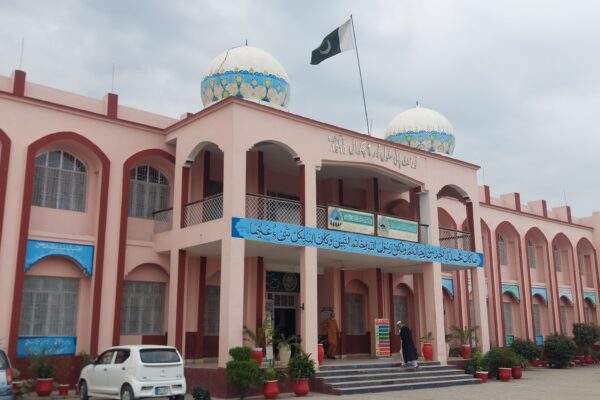
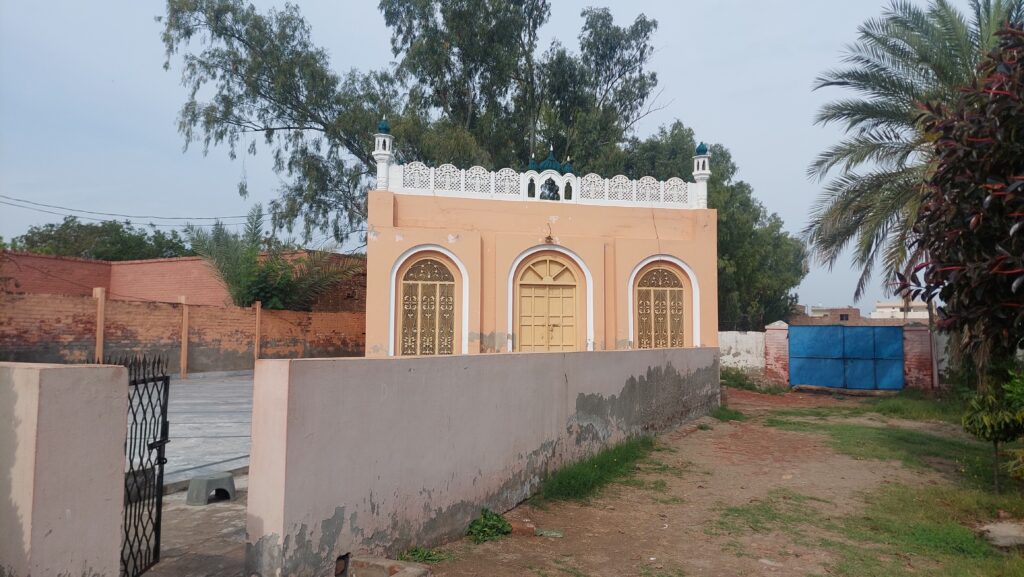
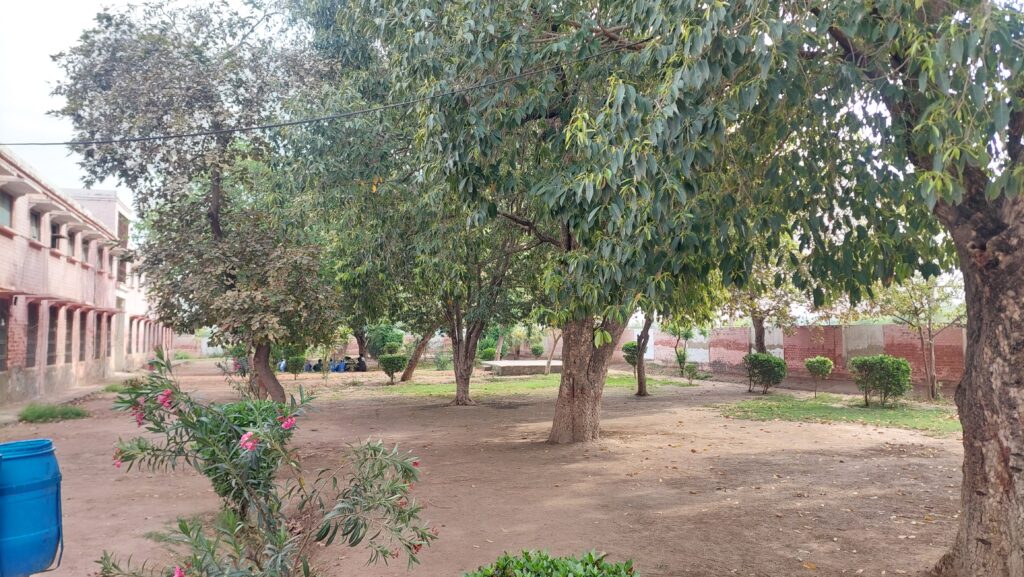
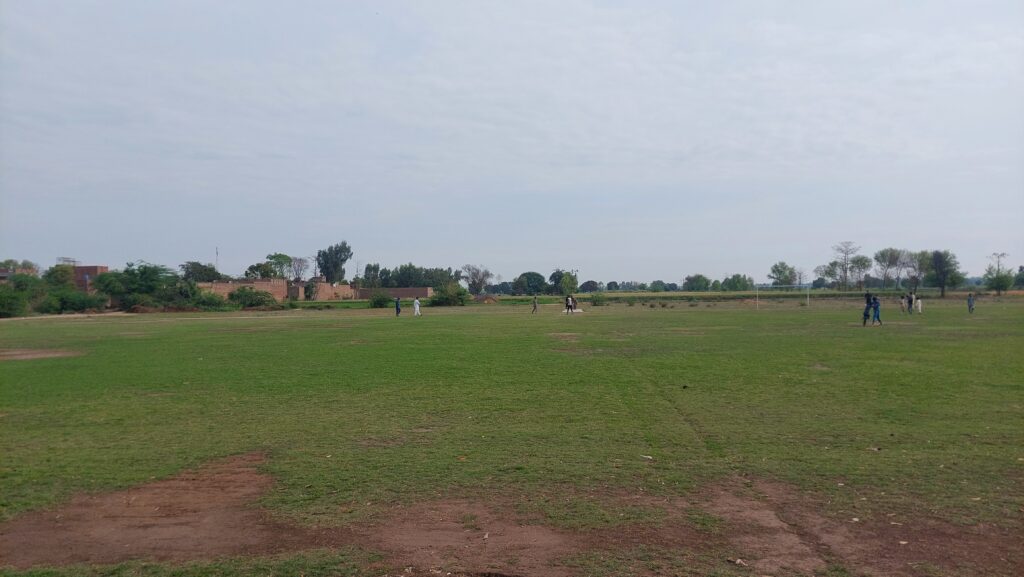
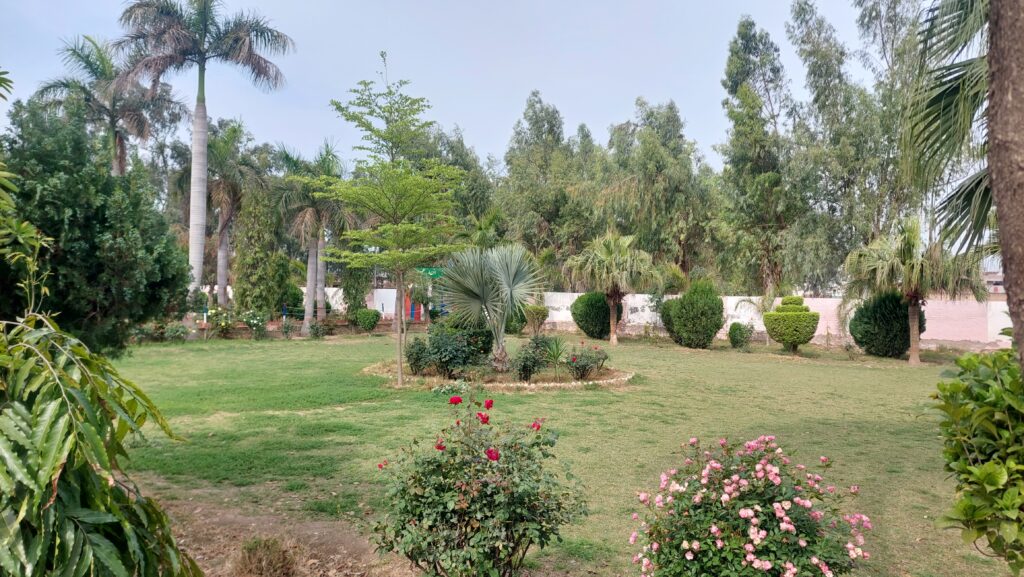
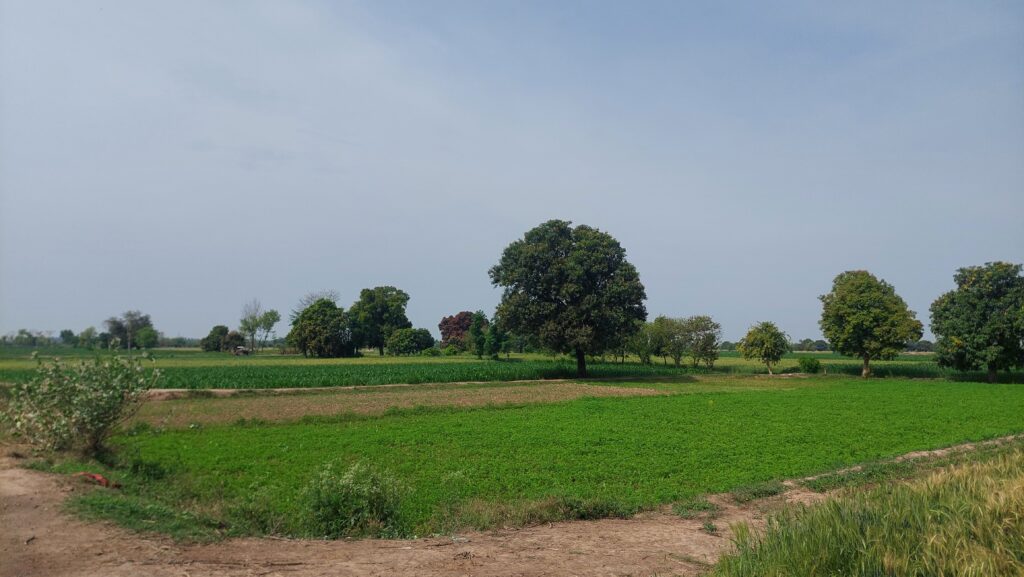
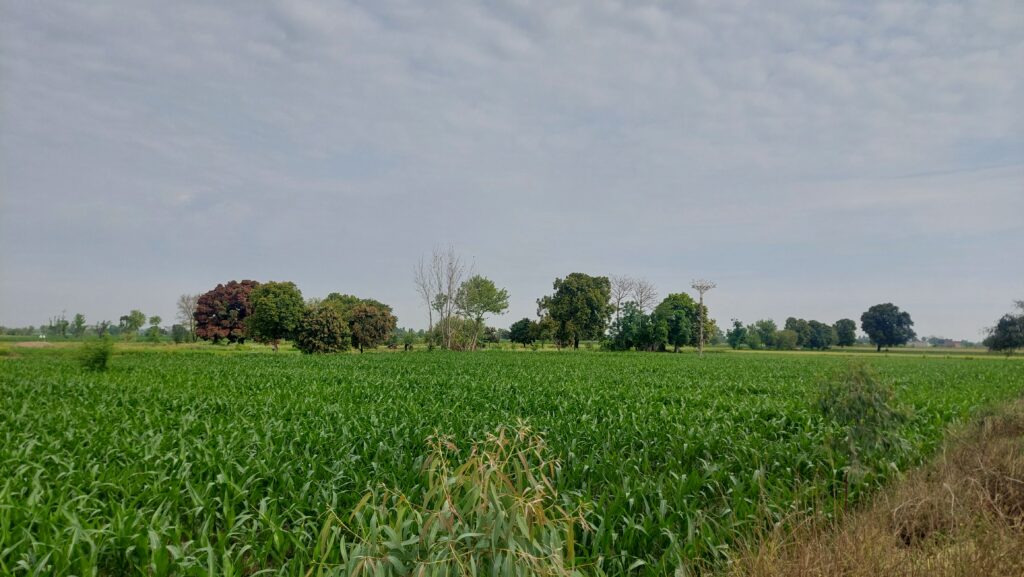
However, as compared to the building, the total area of the school is huge. It possesses an area of nearly four acres. The lawn of the school is very beautiful, showing the care of the school staff. In addition to its old building, there are two more blocks of classrooms. It also has a mosque.
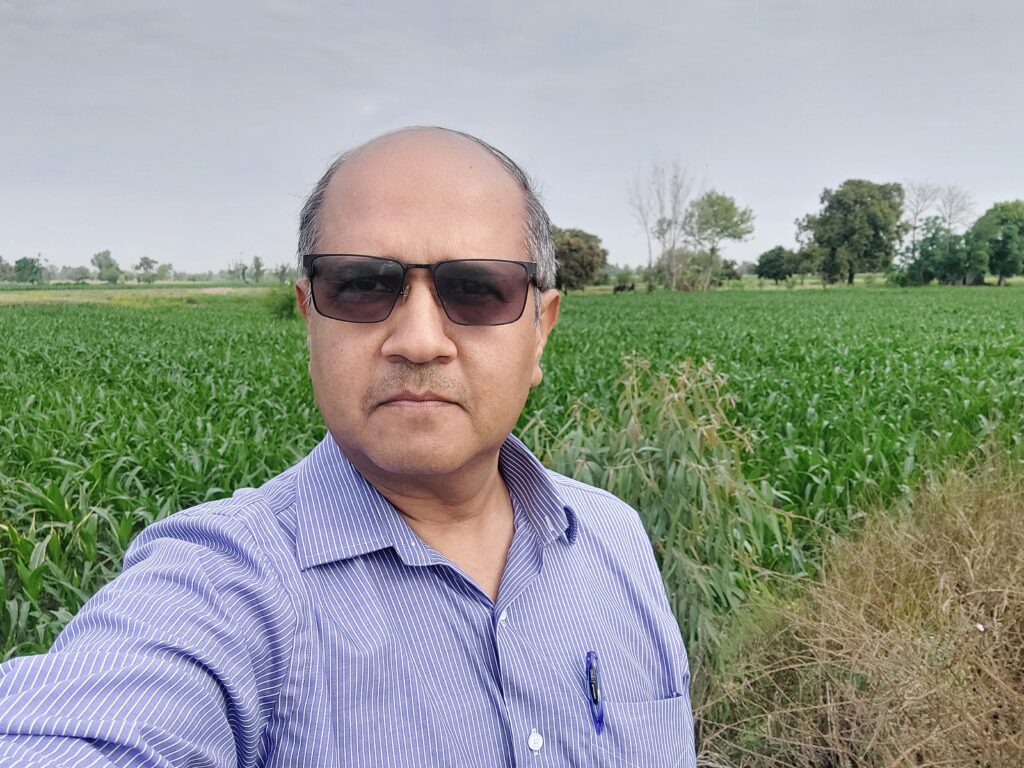
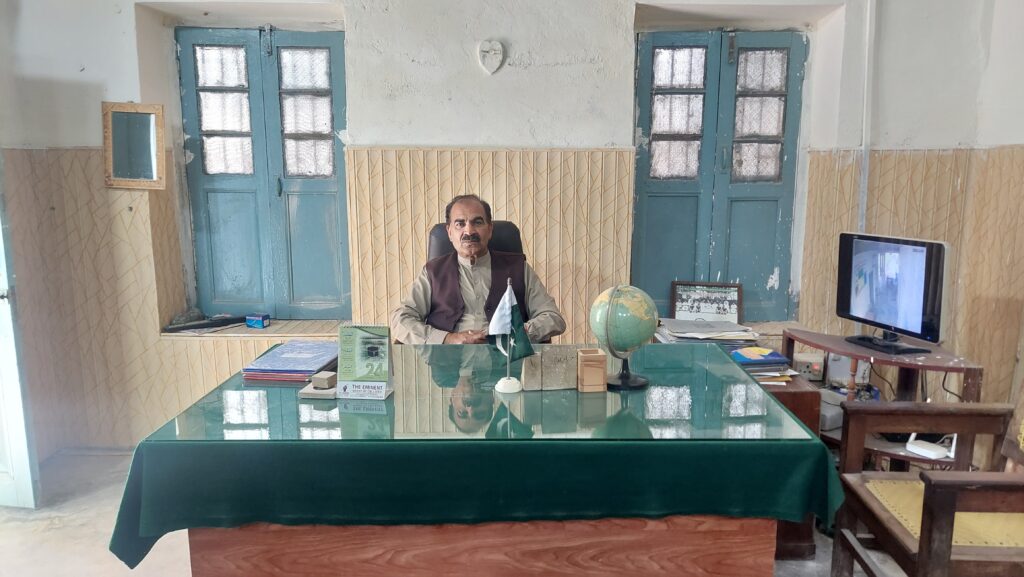
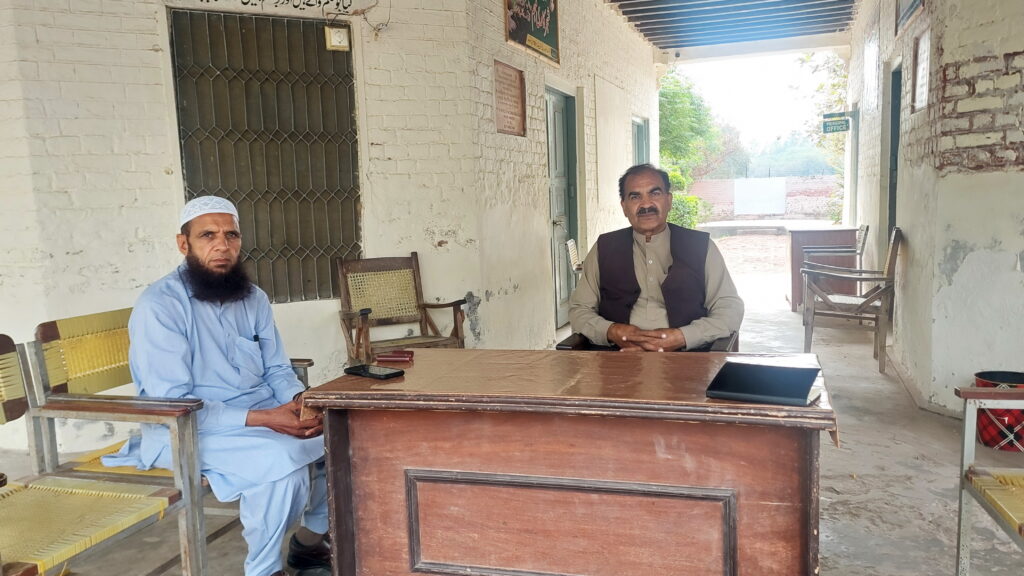
Mr Mahr Zulfiqar Ali Vaince is the current principal of this school. He has been serving in this capacity since July 2022. He is a Grade-19 officer and is hoping for promotion to Grade 20. He is a well-learned and highly educated man, having obtained master’s degrees in Geography, Economics, and Education. In addition to this, he has also obtained a law degree (LL.B.). He belongs to a village called Magnee, situated about 16 kilometres northeast of Chak S.B.
He welcomed me most warmly and provided me with valuable information about the school and its history. He showed keen interest in the Gurmukhi inscriptions and asked me to write them down on paper for his reference.
His efforts for the maintenance of the school, the repair and expansion of the mosque, and the upkeep of the beautiful lawns and trees are truly commendable. He had the roofs of the school changed and, instead of leaving them dirt-covered, had them paved with tuff tiles. He also got the boundary walls repaired. All this extensive work of maintenance and repair was carried out on a self-help basis, with the cooperation of the local community, especially the old students of the school.
He is all praise for his staff, and together they have taken very good care of the school lawns, which are beautiful and a delight to see.
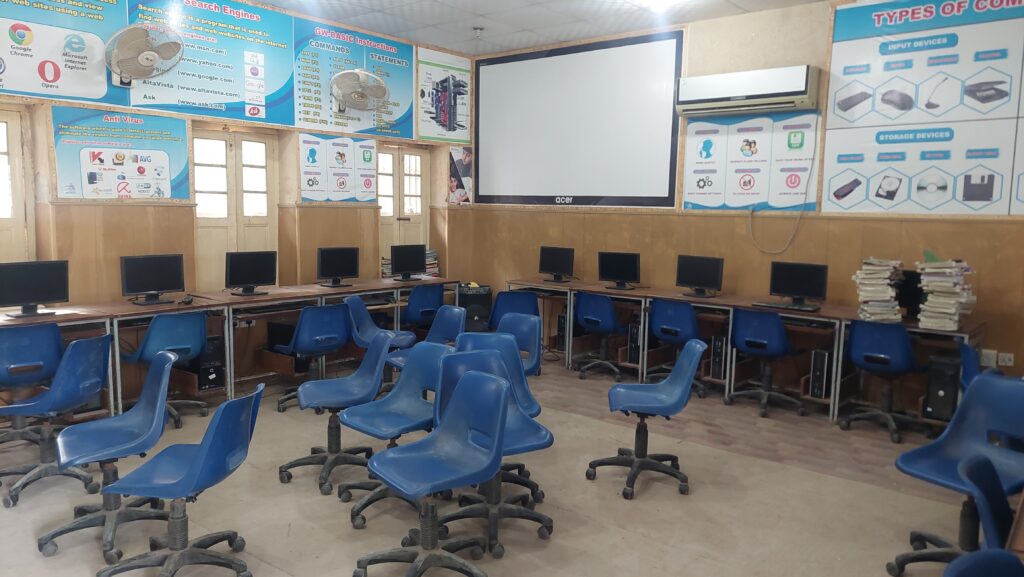
He is also trying hard to raise the standard of education through the use of modern methods, such as science and computer laboratories and multimedia facilities. In addition to this, sports activities are also encouraged. The school’s football ground often hosts district-level football tournaments in which dozens of teams participate.
I am very grateful to him for his cooperation and hospitality. On learning that I do not take tea, he kindly arranged some fruit for me instead. It was a pleasure and an honour to meet such a dedicated, honest, and gentlemanly person, so deeply committed to his duty.
Tariq Amir
May 7, 2026.
Islamabad
Your message has been sent

very interesting piece of history of the school. sardar Kirpal Singh Majithia was my Nana ( mother’s father ) sardar surjit Singh Majithia who was deputy Defence minister in Nehru’s cabinet was sardar Kirpal singh majithia’s younger brother sons of sardar Sundar Singh Majithia.
Thank you for your comments.