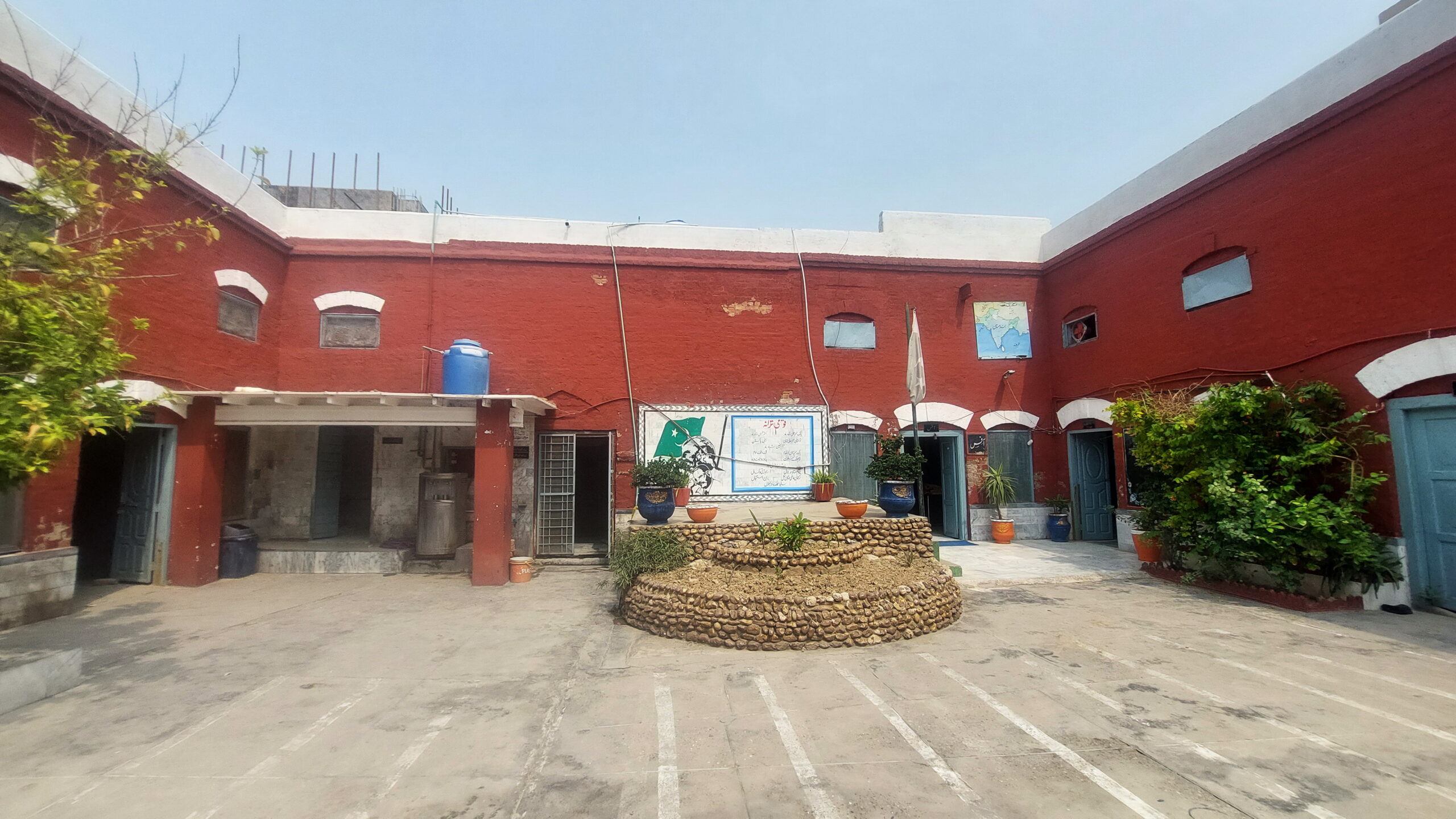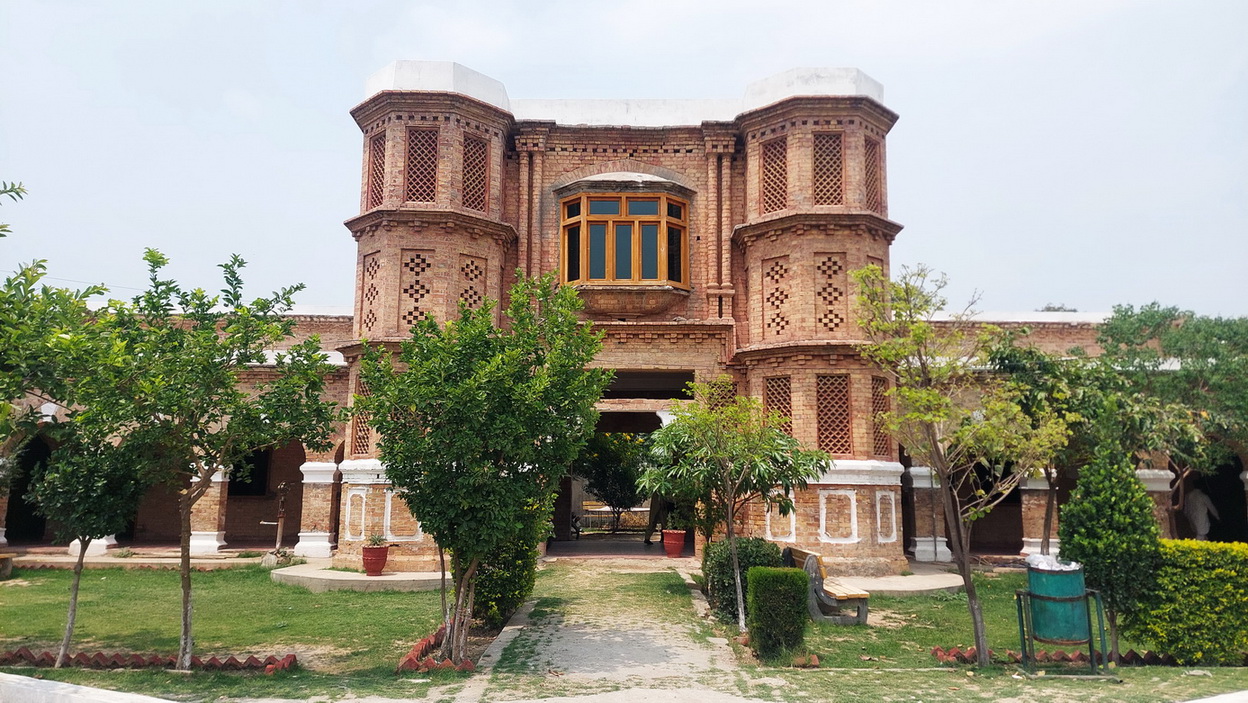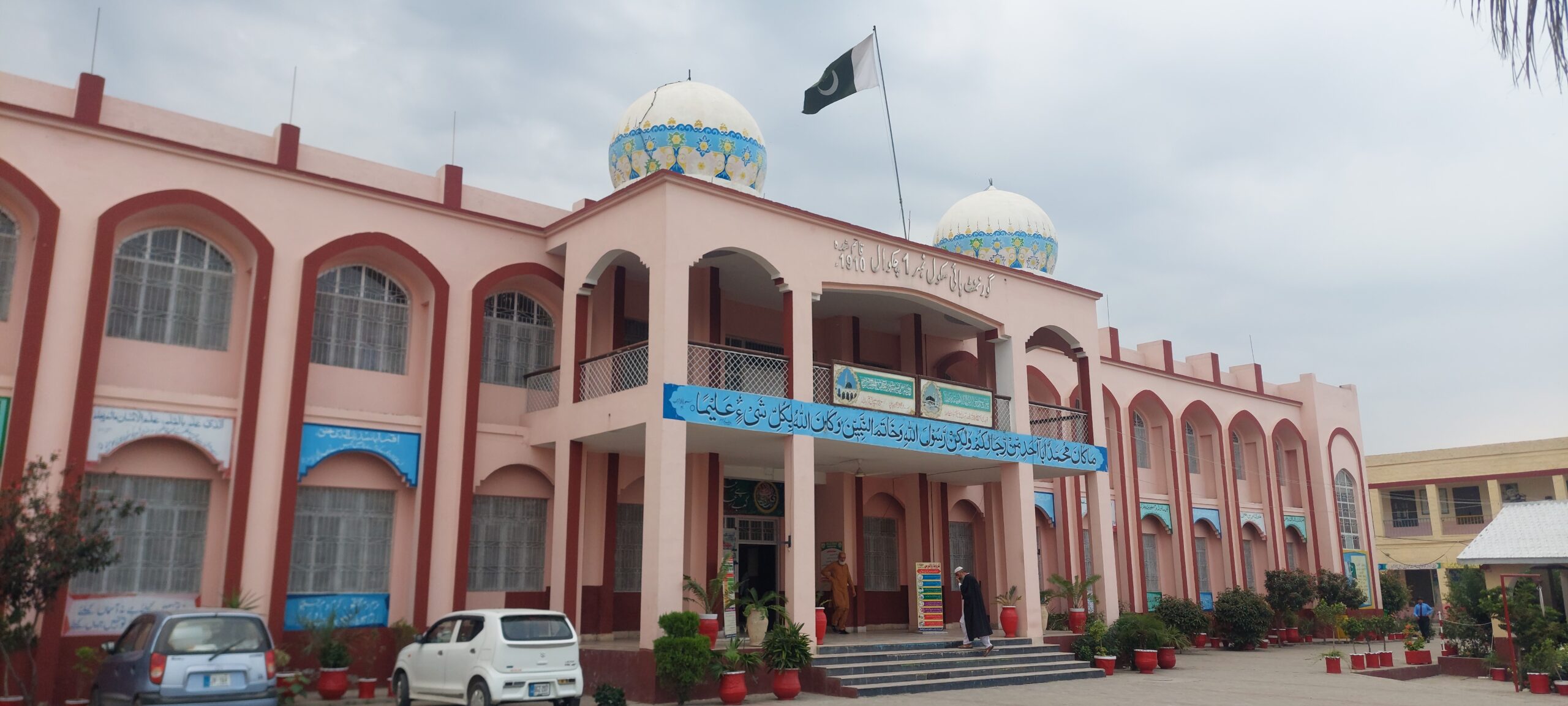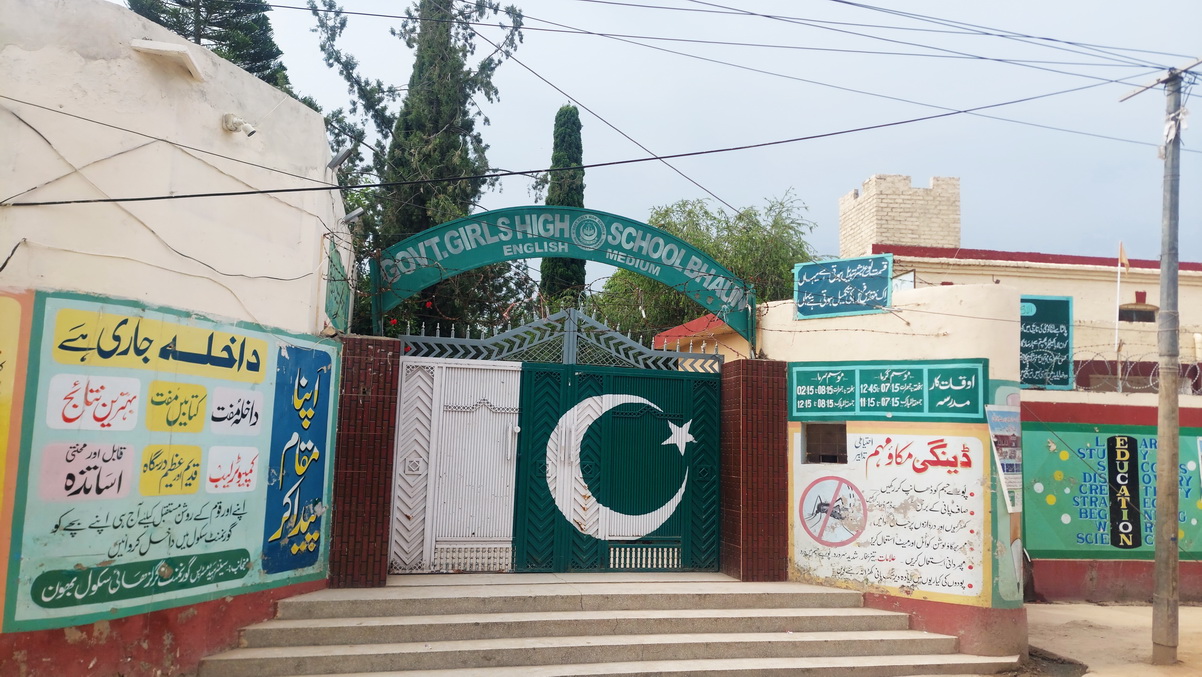

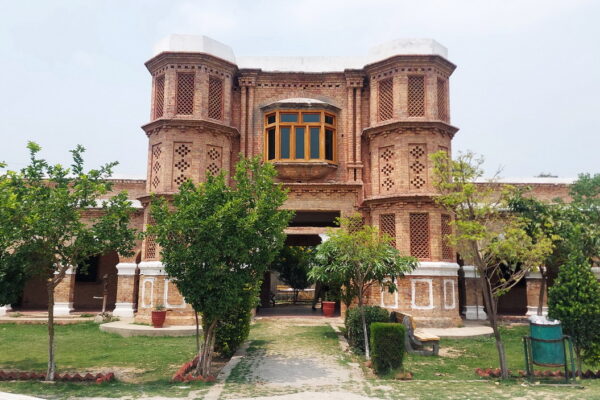
228. Sanatan Dharam Saputri Pathshala & Mandir (Sanatan Dharam Girls School & Temple), Bhalwal.
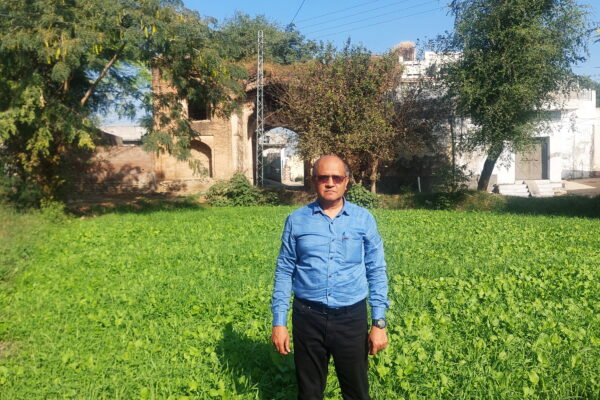
Bhalwal is a bustling town in western Punjab in the district of Sargodha. Situated about 28 kilometres northeast of Sargodha, it forms a tehsil of the district. Though I had been passing through this town for three decades, my interest in exploring it arose in 2024, when somebody asked me about an old haveli that once belonged to Sardar Chanchal Singh. Thus began my exploratory visits to this town.
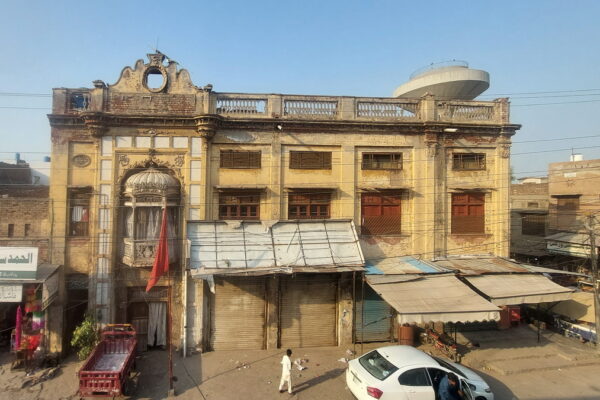
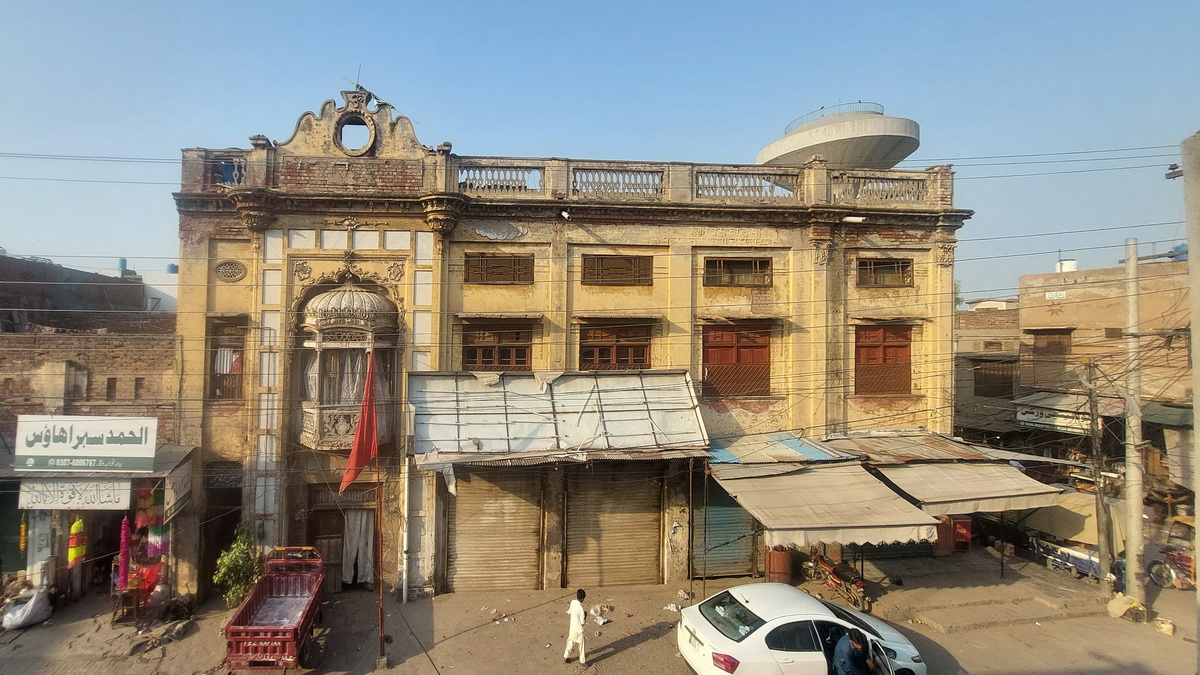
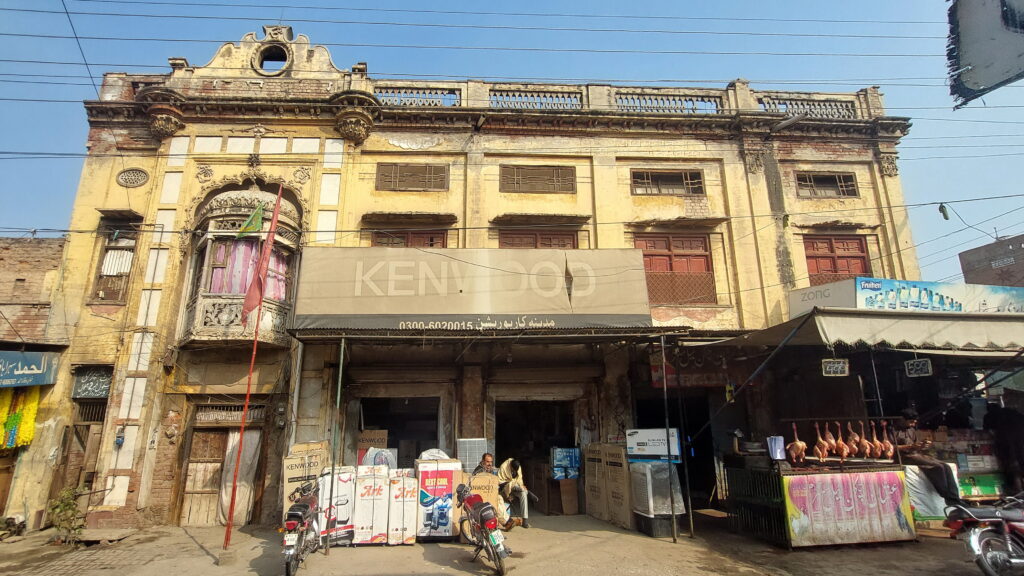
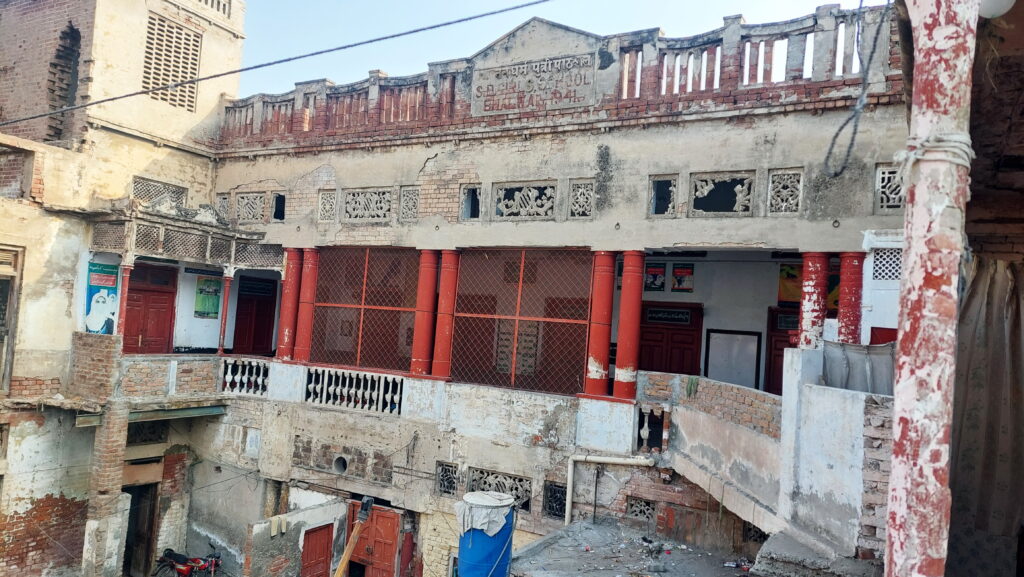
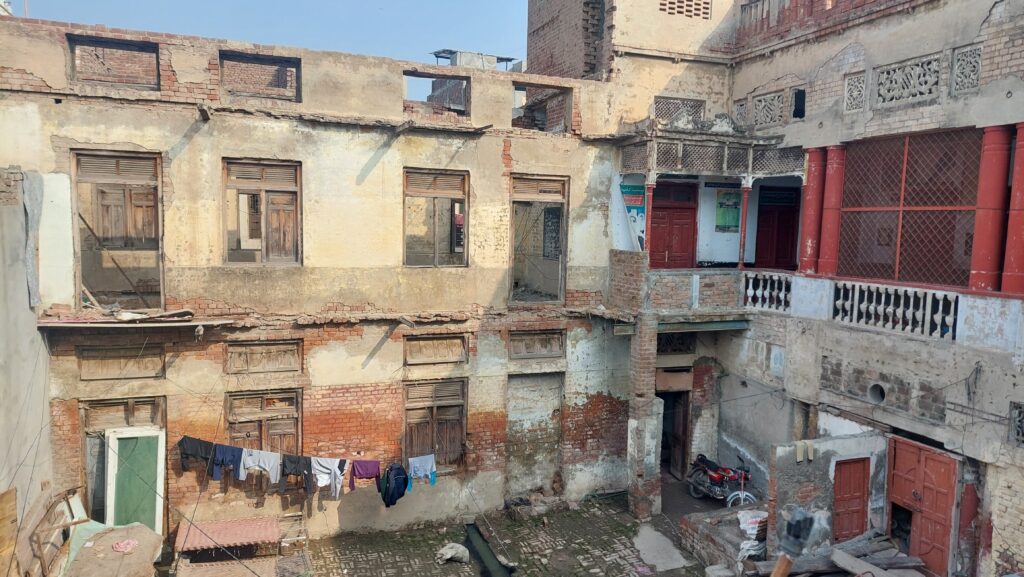
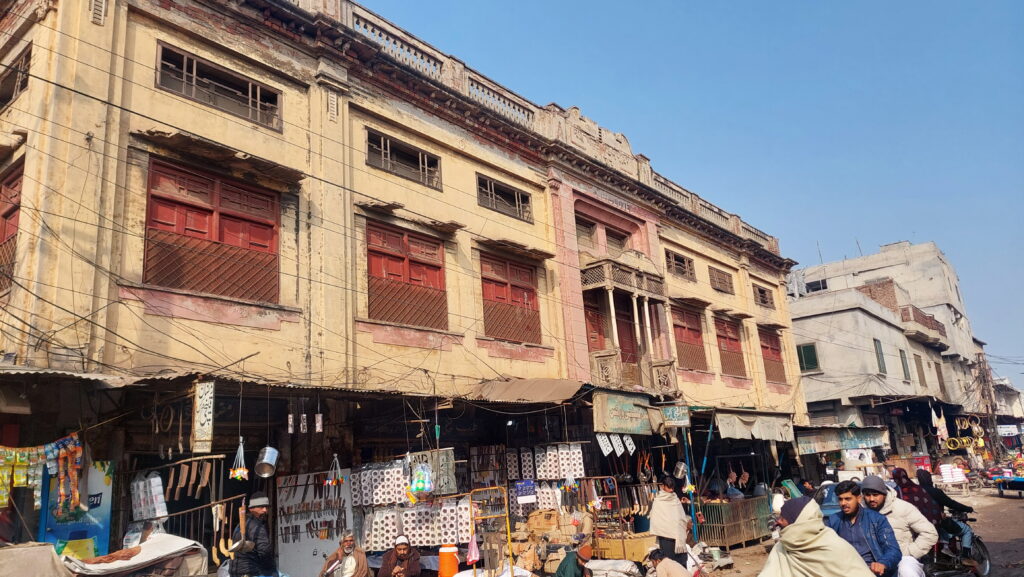
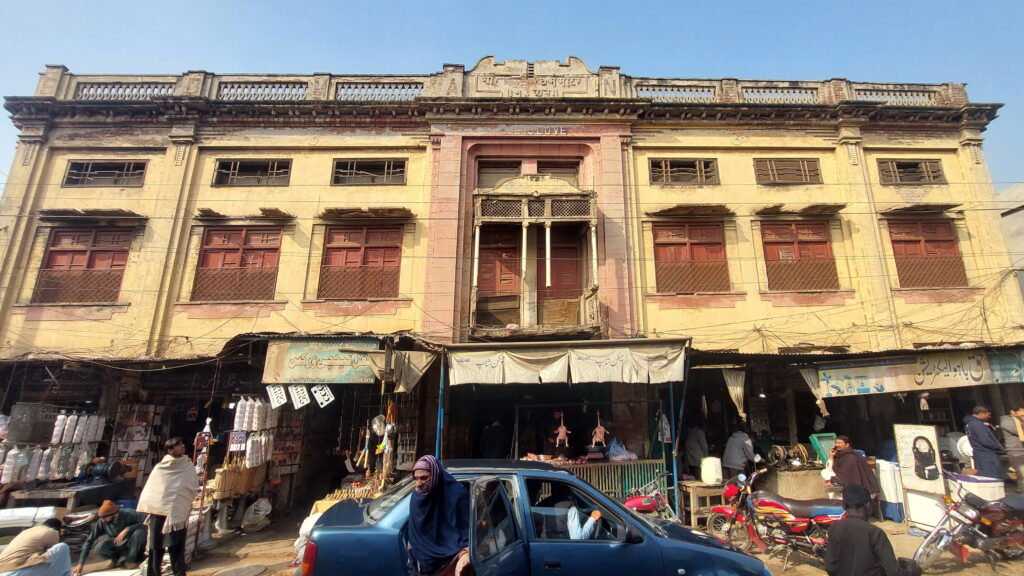
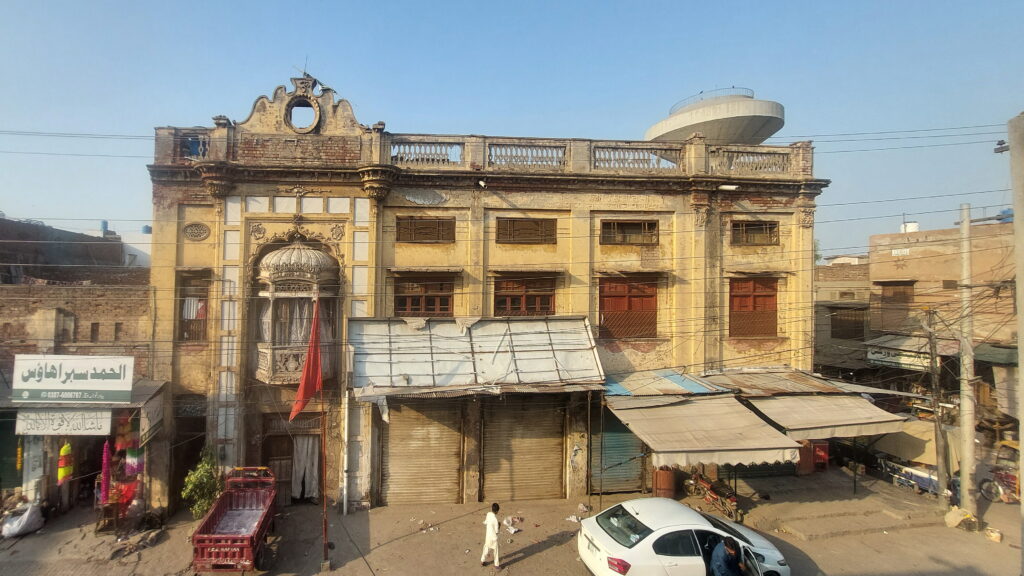
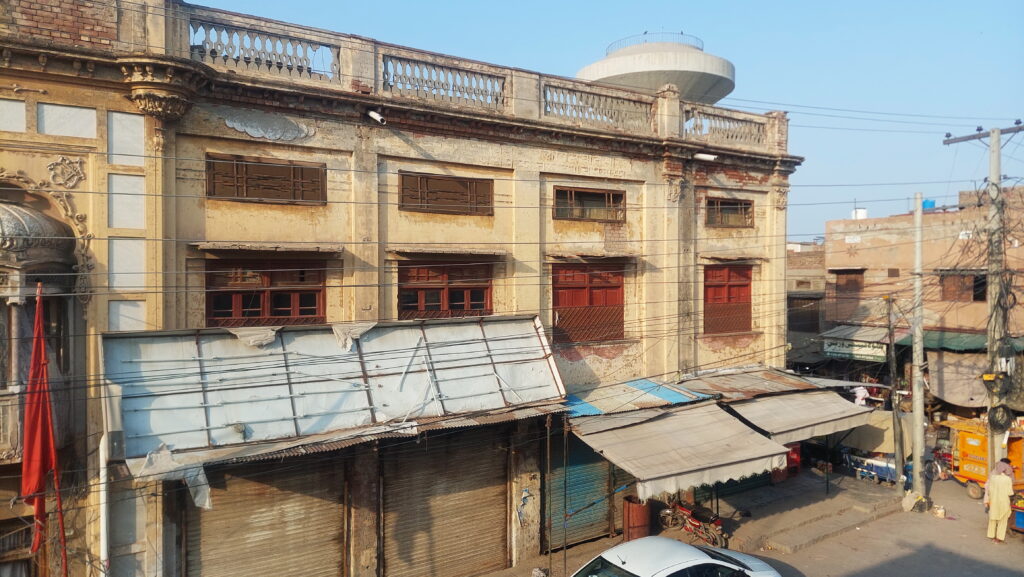
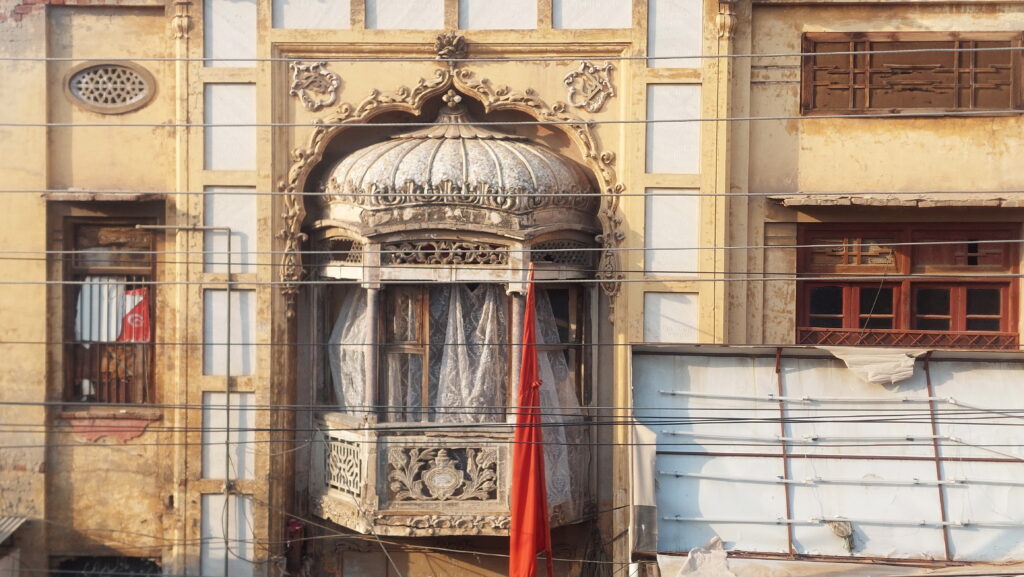
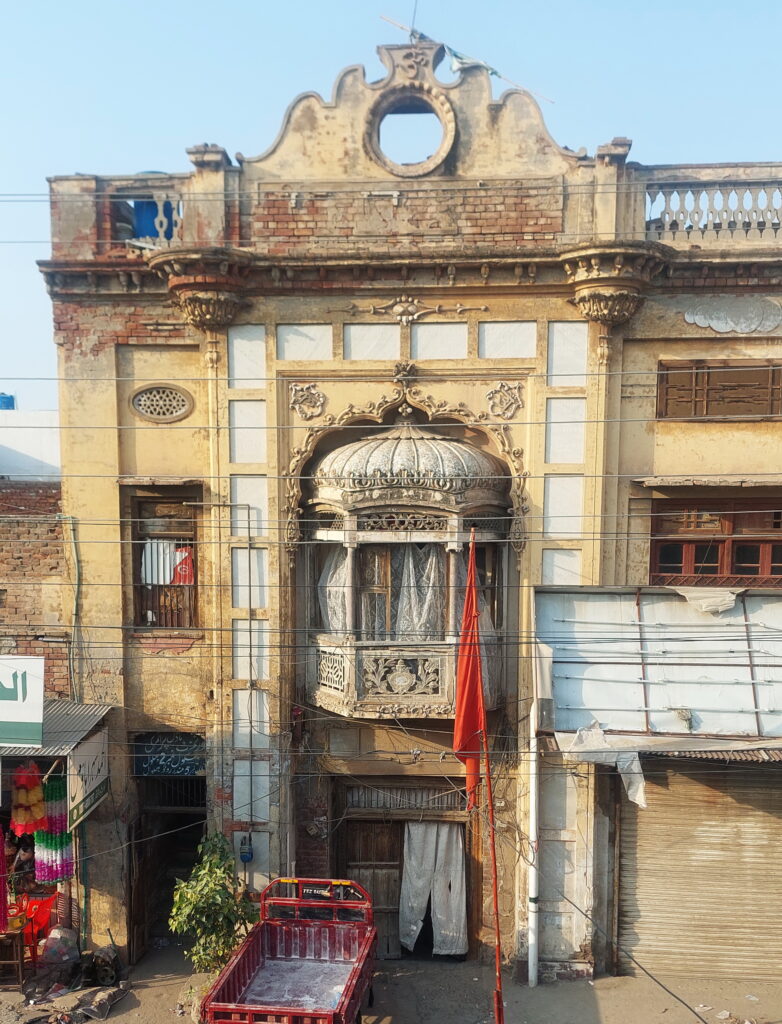
A building that particularly drew my attention stood in the middle of a busy bazaar. Constructed before Partition, it still retains some of its old beauty and grace. However, apparently due to complicated rules and regulations, nobody takes proper care of it. I visited this building three times to complete my task, the first on 29 December 2024 and the last on 25 June 2026. In fact, taking photographs of the plaques fixed high above the entrance of the building proved to be a little difficult.
History of this Region:
This region was part of the Indus Valley Civilization, and later the famous Gandhara Civilization also flourished in close proximity. Some ancient archaeological sites, such as Wijhi, about 30 kilometres northeast of Bhalwal, indicate the ancient history of this region. It is a huge mound, covering an area of about 22 acres and rising up to ten meters above the surrounding land. It is strewn with pottery shards but, so far, has not been properly explored or excavated.
One of the most important events in the ancient history of this region was the invasion of Alexander the Great in 326 BC. He encountered the powerful ruler Porus, who ruled the area between the Jhelum and Chenab rivers, known as the Jech Doab. This battle took place somewhere near Mandi Bahauddin, about 70 kilometres northeast of Bhalwal.
In the early eleventh century, around 1004, the region, including Bhera, the most important city of the area, fell to Sultan Mahmud of Ghazni. For the next seven and a half centuries, until the mid-eighteenth century, the region was ruled by several Muslim dynasties, until the Mughals lost control in the 1750s. During the middle decades of the eighteenth century, anarchy prevailed throughout this region, as in most parts of Punjab.
In 1767, after a prolonged struggle, the Salt Range and the important town of Bhera fell to the Sukerchakia and Bhangi Misls of the Sikhs. However, the towns of Khushab, Shahpur, and Sahiwal held out until 1810–11, when they were finally conquered by Maharaja Ranjit Singh.
Sikh rule did not last very long, and after defeats in two successive wars in 1845–46 and 1848–49, the British annexed Punjab in 1849. The most important battle of these wars was fought at Chillianwala, about 75 kilometres northeast of Bhalwal. The British annexed Punjab in March 1940, and this region too became a part of the British Empire of India.
The district of Shahpur was formed at the very beginning of British rule in 1849, of which the Bhalwal area was a part. However, the district boundaries were adjusted several times during the next sixty years. The opening of the Lower Jhelum Canal in 1901 marked a new chapter in the history and economy of this area. After two years in 1903, the Malakwal to Sargodha railway line was also opened. Bhalwal was established on this line as a market town and quickly gained such importance that, in 1914, the tehsil headquarters were transferred from Bhera to Bhalwal. Around the same time, a railway line connected the town to the rapidly expanding railway network of India. These factors contributed to the rapid development of the town.
Apparently, a small village of Bhalwal existed before the establishment of a planned modern town of the same name. A village, on the western edge of the city, still exists with the name of Purana Bhalwal.
Population & Demographics:
As we have noted above, factors such as the construction of canals and a railway line at the beginning of the twentieth century played a crucial role in the establishment and subsequent rapid development of this town. The new market town attracted a large number of people, including traders and artisans. This made the town multi-religious, and the followers of all three major religions coexisted here. The following tables provide an idea of the multi-religious nature of this area and the town’s society before 1947.
| Demographics the District Shahpur & its Tehsils (According to the Census of 1941) | |||||||
| Dis./Teh. | Total Pop. | Muslims | % | Hindus | % | Sikhs | % |
| Shahpur (D) | 998,921 | 835,918 | 83.68 | 102,233 | 10.23 | 48,046 | 4.81 |
| Shahpur (T) | 183,529 | 161,337 | 87.91 | 15,968 | 8.70 | 6,037 | 3.29 |
| Khushab | 234,859 | 211,565 | 90.08 | 17,535 | 7.47 | 5,809 | 2.47 |
| Bhalwal | 302,345 | 263,691 | 87.22 | 31,863 | 10.48 | 6,484 | 2.14 |
| Sargodha | 278,188 | 199,325 | 71.65 | 37,047 | 13.32 | 29,716 | 10.68 |
As we have observed above, Hindus and Sikhs formed a significant proportion of the population. Non-Muslims formed an even greater proportion of the population in towns, as they mostly belonged to the trading and commercial classes. The table given below will provide a clearer idea.
| Demographics of Towns in the District Shahpur (According to the Census of 1941) | |||||||
| Towns | Total Pop. | Muslims | % | Hindus | % | Sikhs | % |
| Sahiwal | 8,090 | 5,191 | 64.16 | 2,090 | 25.83 | 807 | 9.96 |
| Shahpur City | 5,515 | 3,629 | 65.80 | 1,693 | 30.70 | 193 | 3.50 |
| Shahpur Sadr | 3,958 | 2,798 | 70.69 | 866 | 21.88 | 275 | 6.95 |
| Khushab | 17,141 | 13,609 | 79.39 | 3,044 | 17.76 | 479 | 2.79 |
| Hadali | 5,203 | 4,482 | 89.22 | 253 | 4.86 | 468 | 8.99 |
| Bhalwal | 5,954 | 2,126 | 35.71 | 3,143 | 52.79 | 597 | 10.03 |
| Bhera | 20,219 | 15,489 | 76.61 | 4,388 | 21.70 | 335 | 1.66 |
| Miani | 6,713 | 4,106 | 61.16 | 2,426 | 36.14 | 181 | 2.70 |
| Kot Moman | 7,828 | 6,354 | 81.17 | 1,071 | 13.68 | 386 | 4.93 |
| Sargdoha | 36,420 | 12,060 | 33.11 | 17,405 | 47.79 | 5,920 | 16.25 |
| Sillanwali | 3,926 | 1,046 | 26.64 | 1,940 | 49.41 | 904 | 23.02 |
Location:
This school and temple is located on the Main City TMA Road, at 32°16’2.51″N, 72°54’19.18″E. It is a commercial area, with all kinds of shops along the road. The Ghalla Mandi (Grain Market) is just 100 meters to the southwest. It is a very well planned area, and probably the oldest part of the town. Many old houses and buildings from that era still exist.
History of the School:
Fortunately, there are almost thirty plaques and inscriptions that provide invaluable information about the history of this beautiful building. First of all, inside the building, the official name of the school is given as Sanatan Dharm Sputri Pathshala in Hindi, which translates to “Hindu Girls’ School.” The same is written below in English. Remarkably, the year 1941 is also written, which tells us that it was completed in 1941.
It is noteworthy that none of the plaques gives a date; only the names of the donors are mentioned. This was a common feature of the plaques written in Hindi and found in Hindu establishments, unlike the Gurmukhi plaques found in Sikh establishments, which almost always included dates. I could find no reason for this difference.
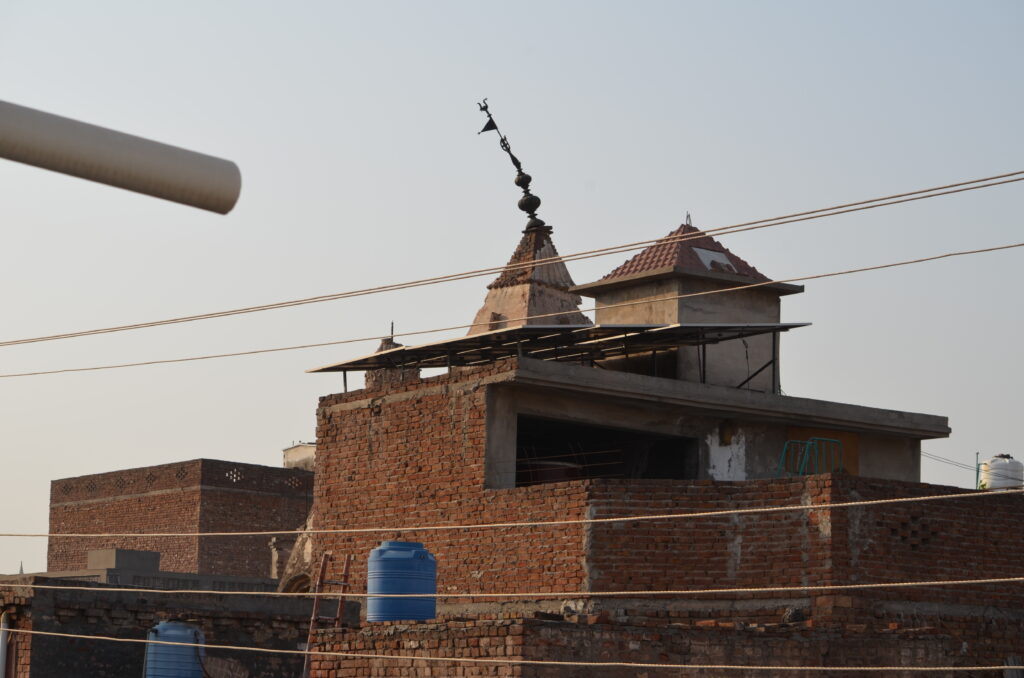
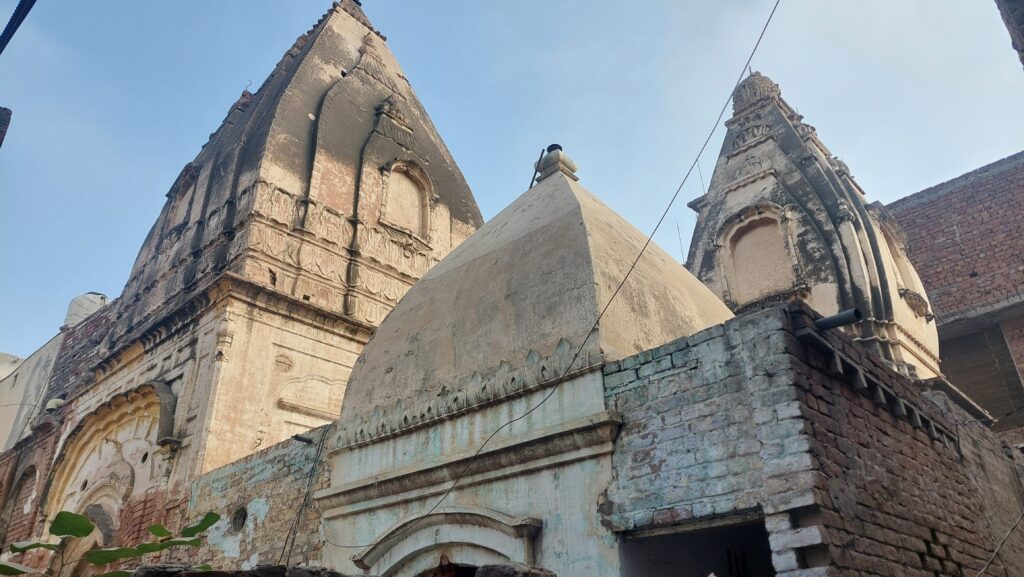
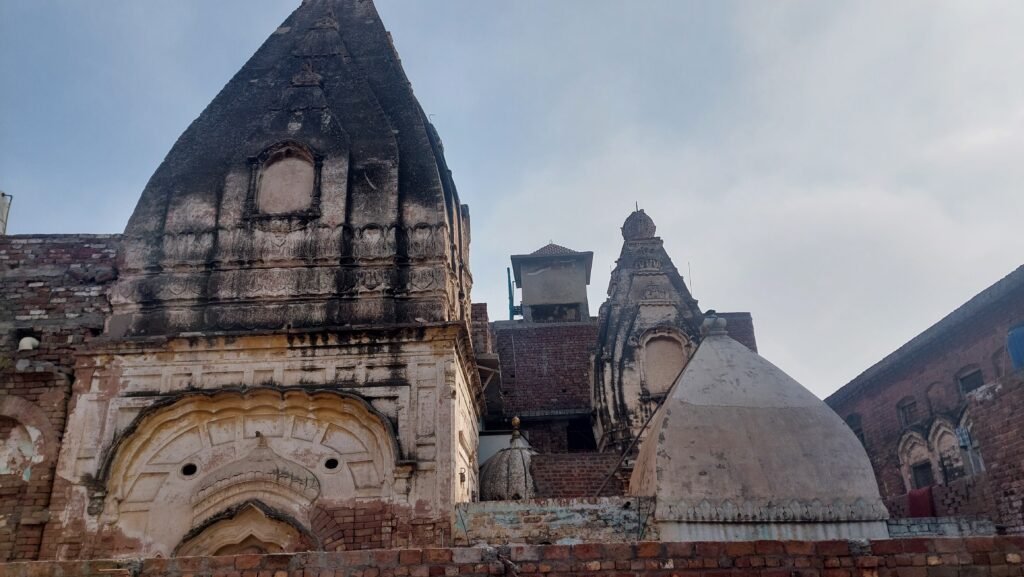
An inscription on the main entrance clearly reads Sanatan Dharm Mandir, which clearly establishes that this building was also used as a temple, besides being a girls’ school. However, there is one more fact to which I would like to draw your attention: just a couple of dozen meters away, to the northwest in the same block, a Hindu temple with a traditional shikhara still exists. The whole property is under the control of the Evacuee Trust Board. I infer that both were part of a religious, cultural, and educational complex.
Another inscription also mentions “Bahra” or “Bahri Hemraj Kapoor Sanatan Dharm Sabha.” So we can guess that this complex was managed by a Sabha, or council. Another inscription informs us about Hemraj Kapoor, who was the owner of a business company in Bhalwal, apparently a rich and influential person in the town. Another business, the Sudama Company Bhalwal, is also mentioned on one plaque
Two other institutions are also mentioned on plaques. One was Sri Ram Natak (Drama) Club Bhalwal and Women & Girls Association.
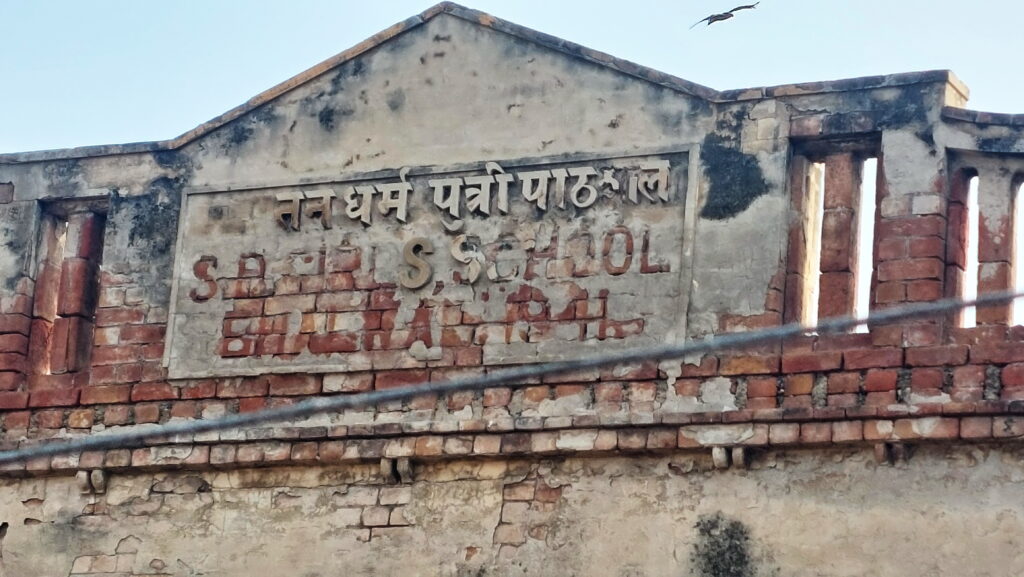
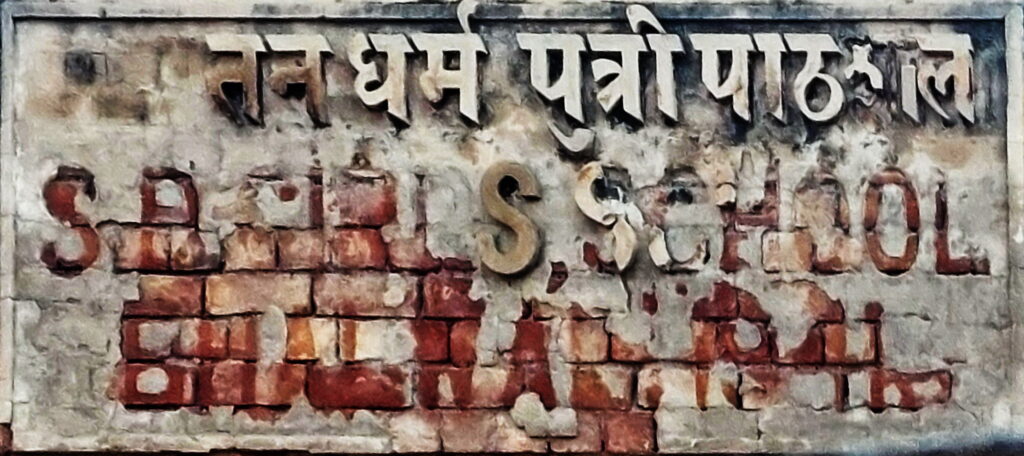
सनातन धर्म सपुत्री पाठशाला
S.D.* GIRLS SCHOOL
BHALWAL 1941
* Sanatan Dharm
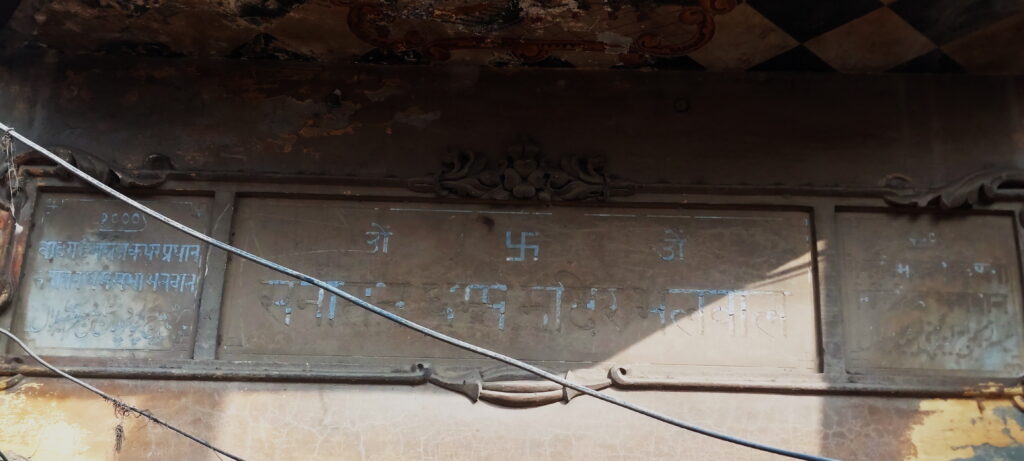
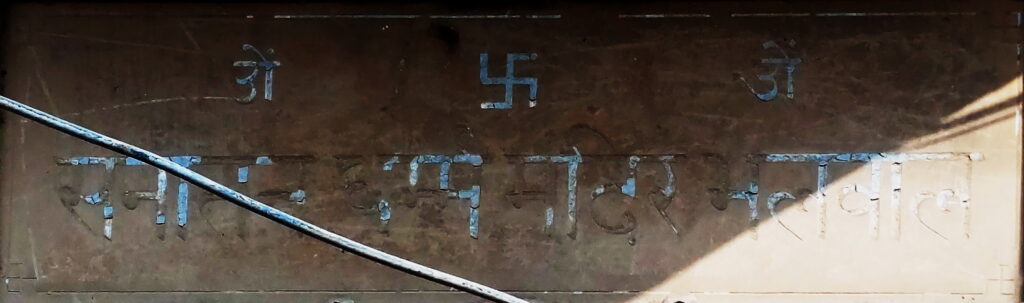
سناتن دھرم مندِر بھلوال
SANATAN DHARM TEMPLE, BHALWAL
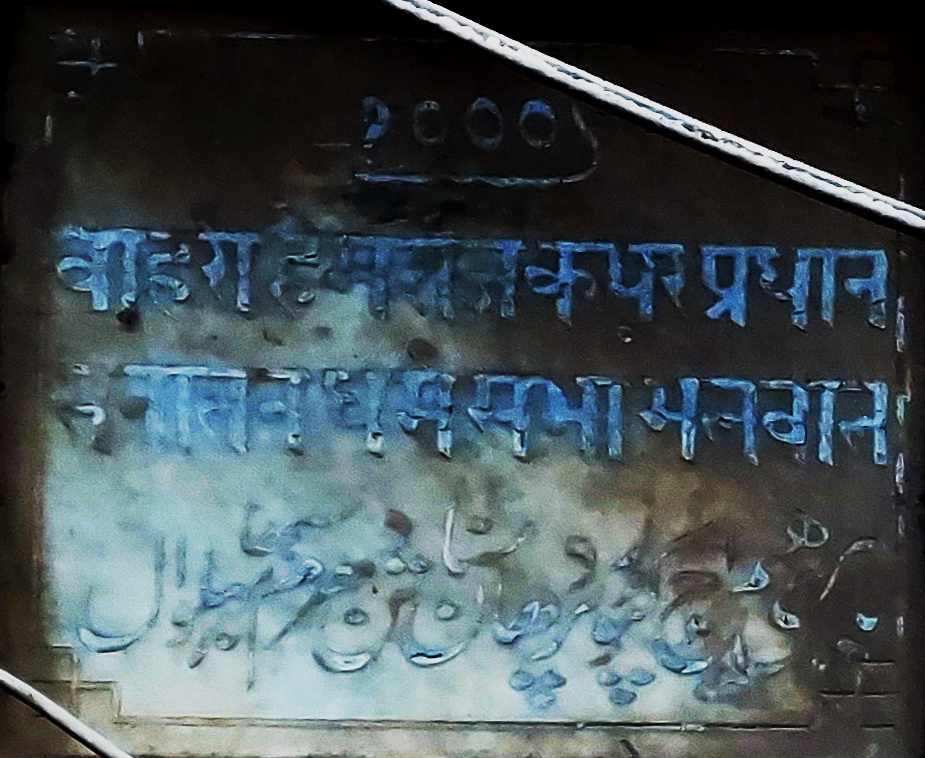
वाहरा हेमराज कपूर प्रधान
सनातन धर्म सभा भलवाल
——- ھیم راج کپور سناتن دھرم سبھا بھلوال
——– HEMRAJ KAPOOR SANATAN DHARM SABHA, BHALWAL
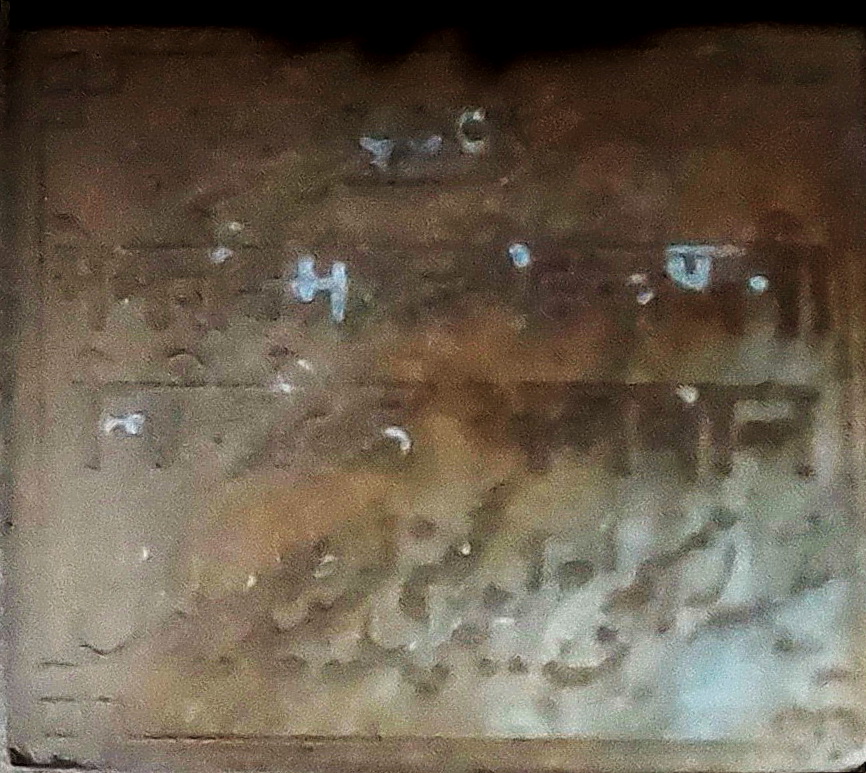
—————- भलवाल
میسرز ہیمراج اینڈ کمپنی لیمیٹڈ بھلوال
MESSERS HEMRAJ AND COMPANY LIMITED BHALWAL
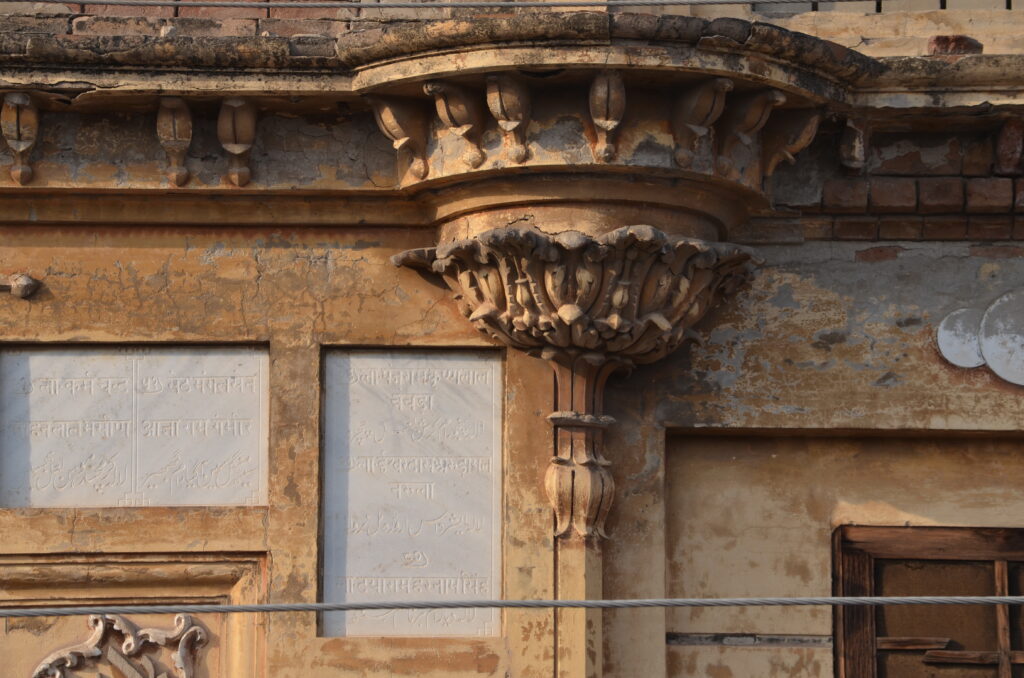
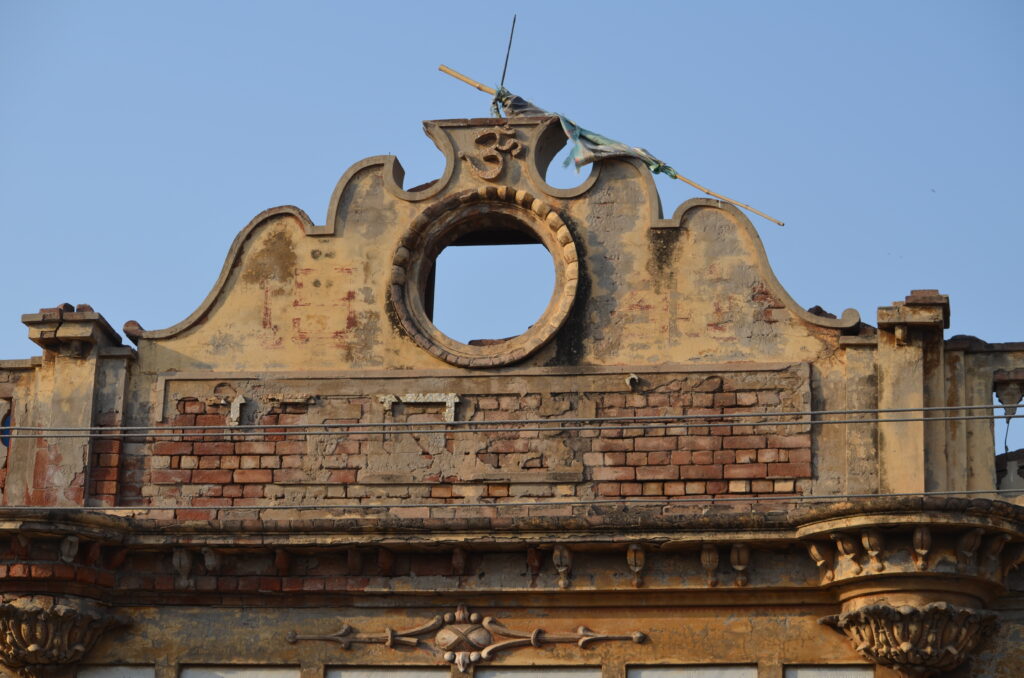
For me, the most interesting thing in the building was the 25 plaques which I found around the main entrance. These provide names of dozens of donors who contributed to the development of this school/temple complex.
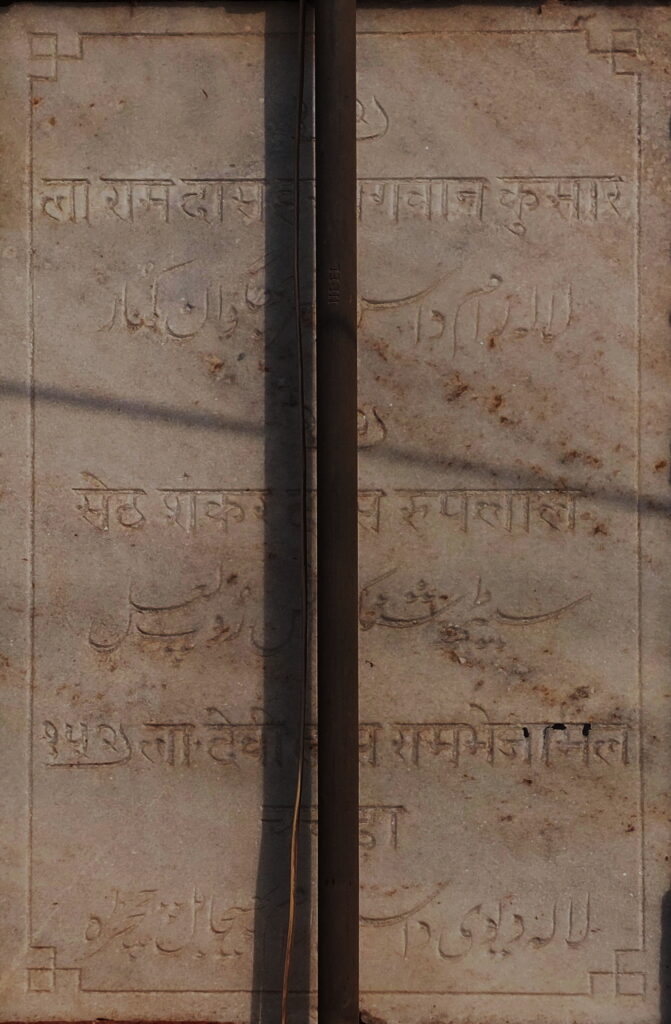
ला: राम दास —— भागवं कुमार
لالہ رام داس —– بھگوان کمار
—-
सेठ शंकर दास रूप लाल
سیٹھ شنکر داس روپ لال
१५२ ला: देवी दास राम भेजा मल
251 لالہ دیوی داس رام بھیجا مل
Lala Ram Das — Bhagwan Kumar
152 Rs Lala Devi Das Ram Bheja Mal
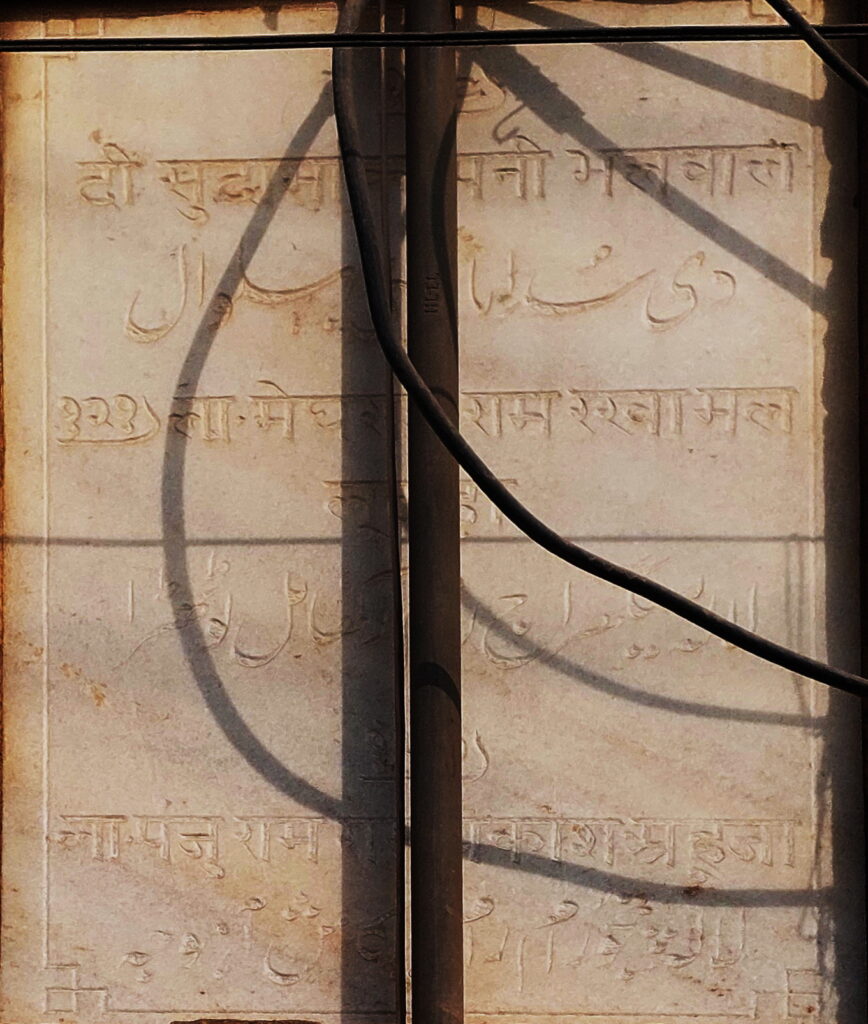
دی سُداما کمپنی بھلوال
१२१ ला: मेघराज राम रखा मल
लूठड़ा
121 لالہ میگھراج رام رکھا مل
لوٹھڑا
ला: पंजू राम, राम परकाश आहूजा
لالہ پنجو رام، رام پراکاش آہوجہ
The Sudama Company Bhalwal
121 Rs Lala Meghraj Ram Rkha Mal Luthra
Lala Panju Ram, Ram Prakash Ahuja
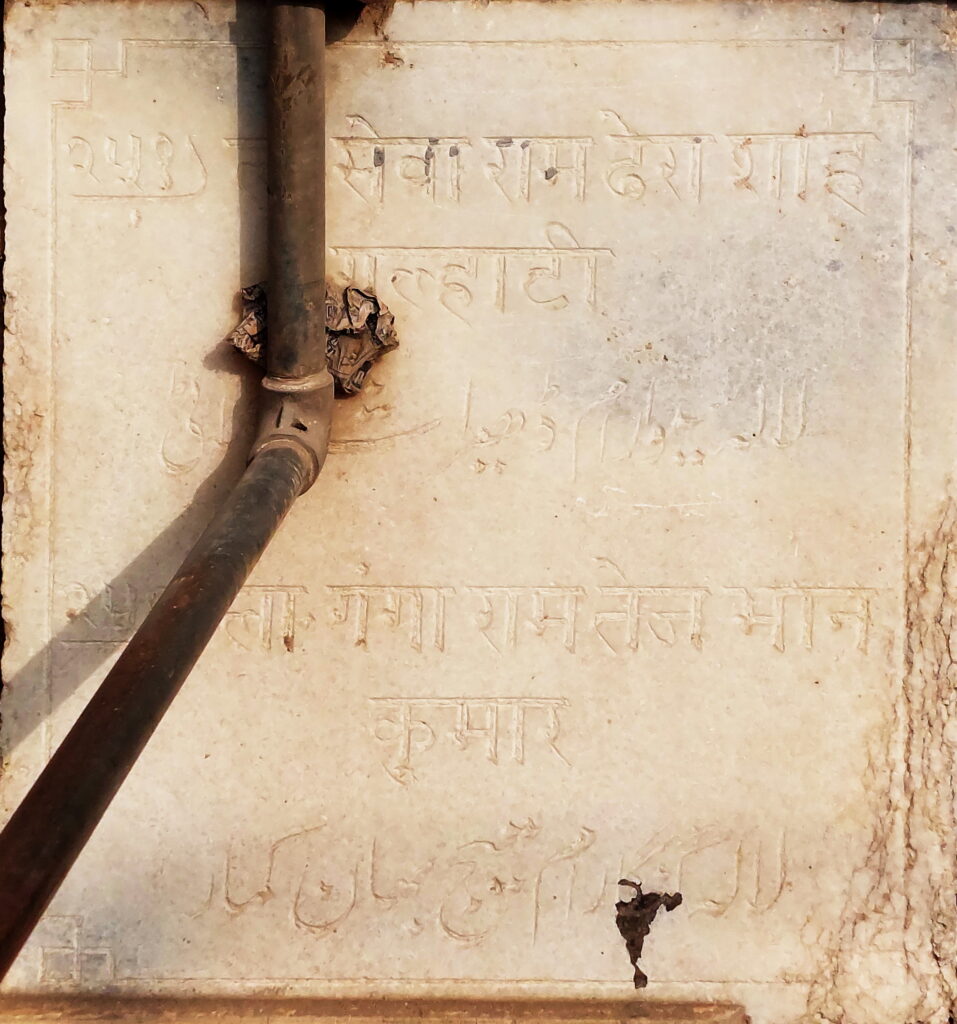
ग्ल्हाटी
لالہ سیوا رام ڈھیرا شاہ گلہاٹی
२५१ लाला गंगा राम तेज भान
कुमार
لالہ گنگا رام تیج بھان کمار
251 Rs Lala Sewa Ram Shah Gulhati
Lala Ganga Ram Tej Bhan Kumar
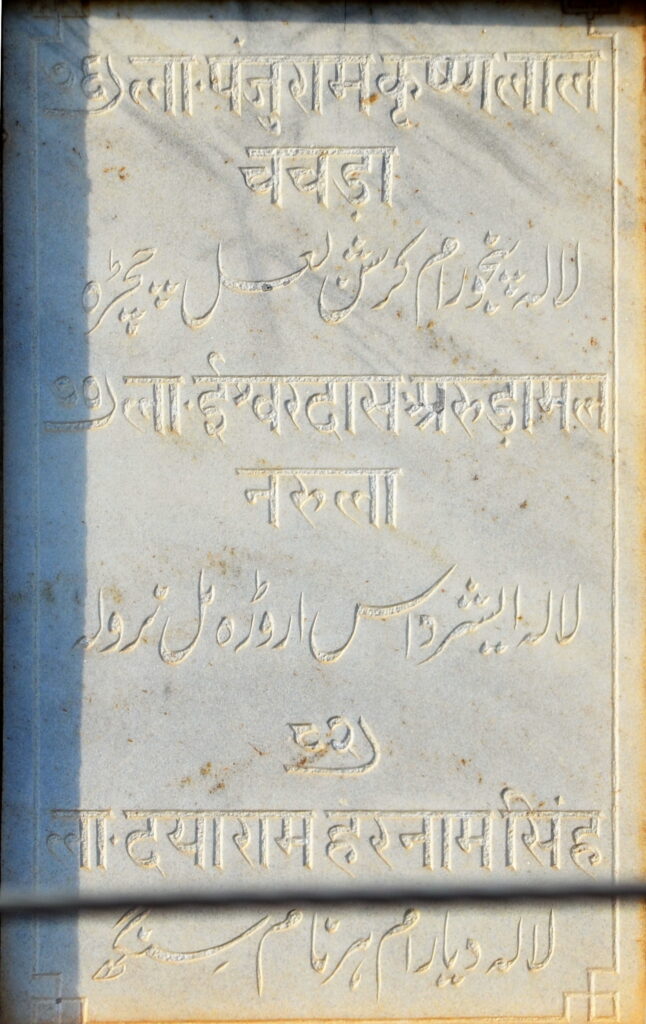
चचड़ा
لالہ پنجو رام کرشن (کرشنڑ) لال چچڑہ
७० ला: ईश्वर दास आरोड़ा मल
नरूला
لالہ ایشر (ایشور) داس اروڑہ مل نرُولہ
੮੨
ला. दया राम हरनाम सिंह
لالہ دیا رام ہرنام سنگھ
76 Rs Lala Panju Ram Krishan Lal Chachra
70 Rs Lala Eshwar Das Arora Mal Narula
Lala Daya Ram Harnam Singh
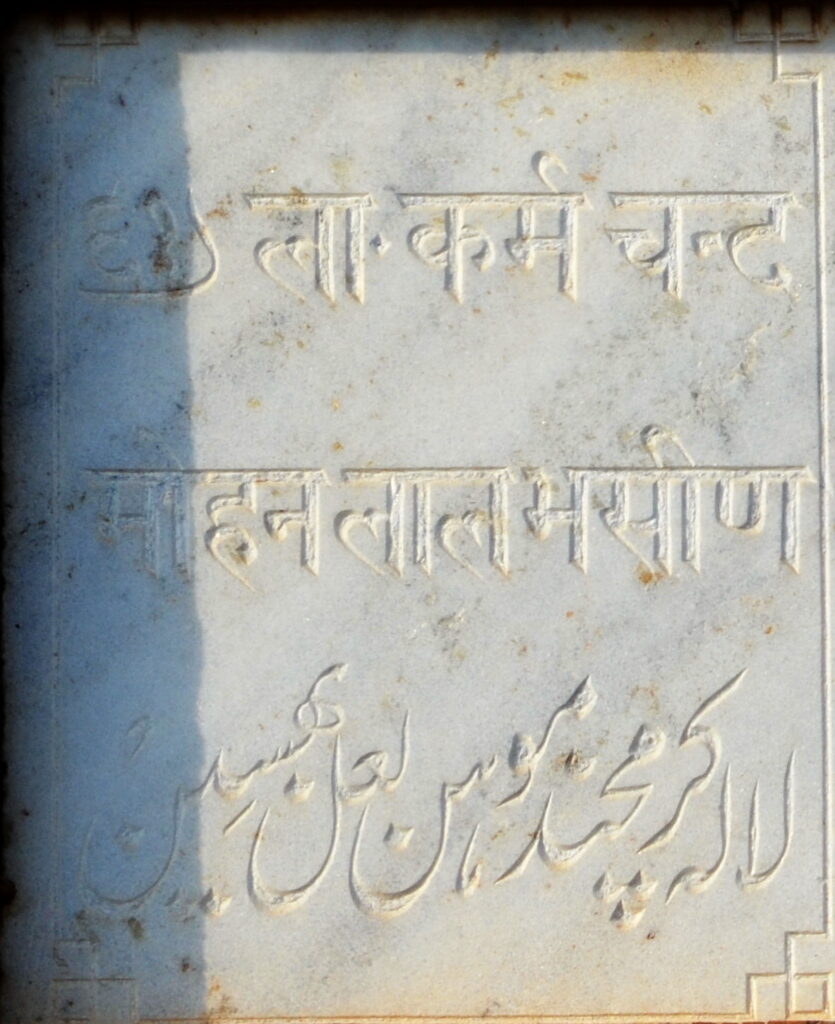
मोहन लाल भसीण
لالہ کرمچند موہن لعل بھسین
61 Rs Lala Karam Chand Mohan Lal Bhasin
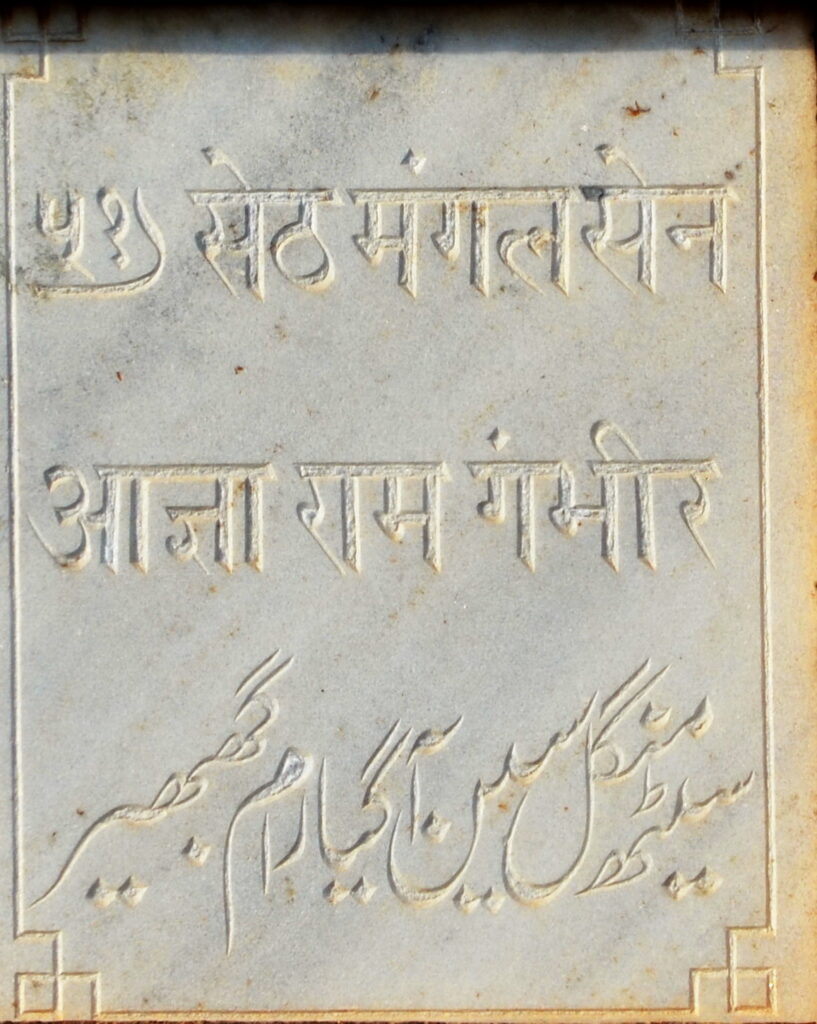
आज्ञा राम गंभीर
سیٹھ منگل سین آگیا رام گھبھیر (گمبھیر)
51 Rs Seth Mangal Sen Agya Ram Gambhir
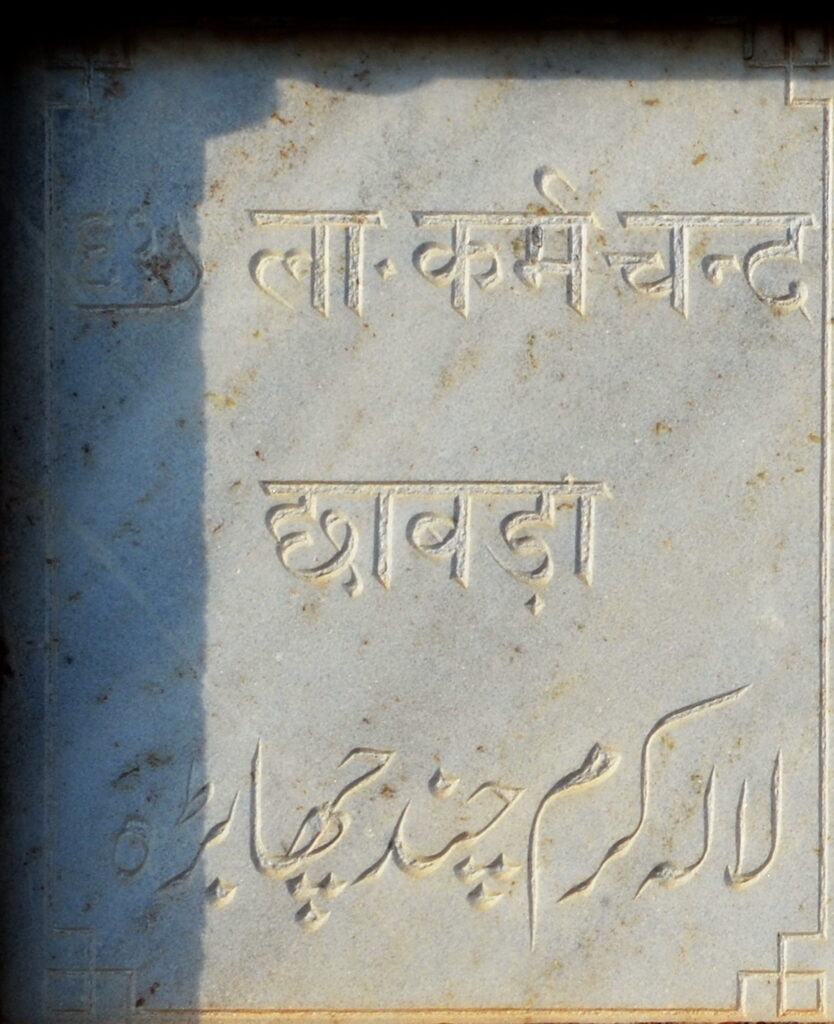
छाबड़ा
لالہ کرم چند چھابڑہ
Lala Karm Chand Chhabra
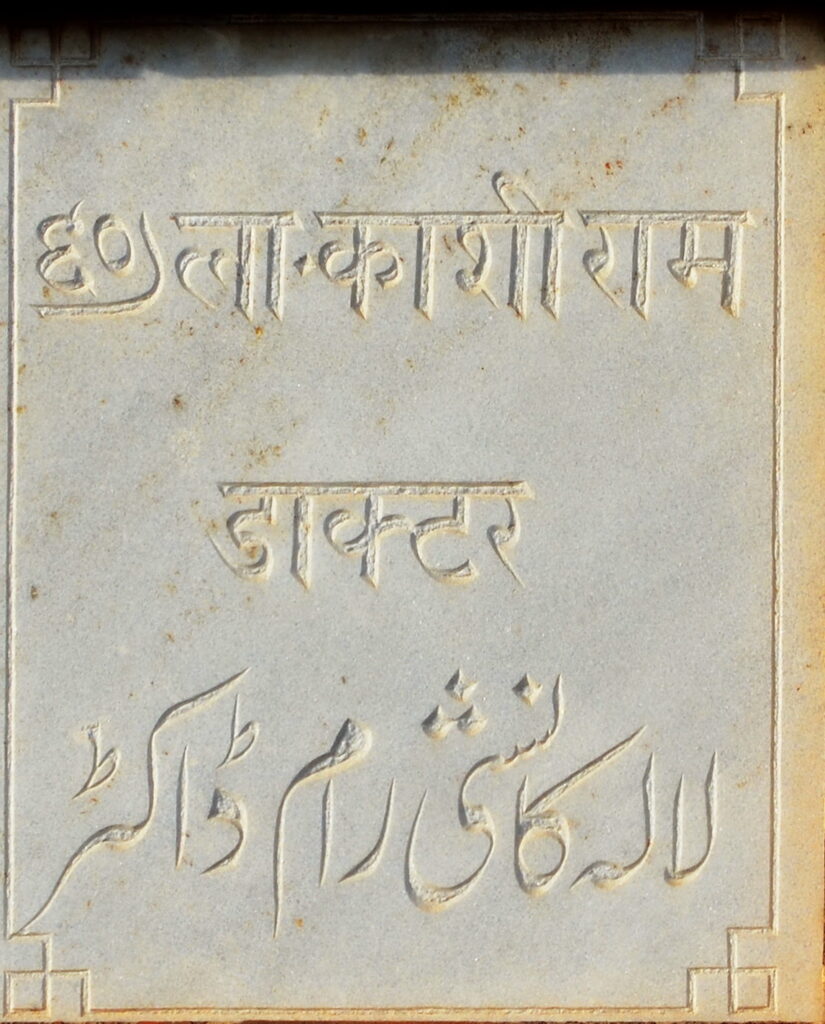
डाक्टर
لالہ کانشی (کاشی) رام ڈاکٹر
65 Rs Kaka Kashi Ram Doctor
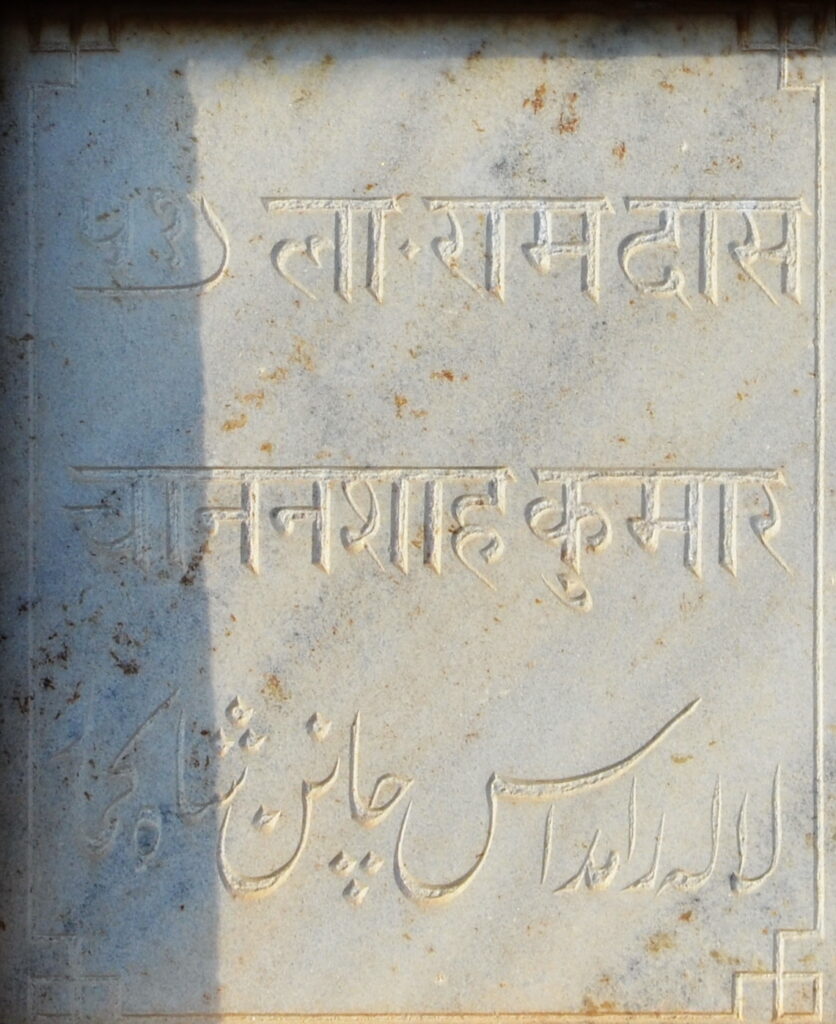
चानन शाह कुमार
لالہ رامداس چانن شاہ کمار
Lala Ram Das Chanan Shah Kumar
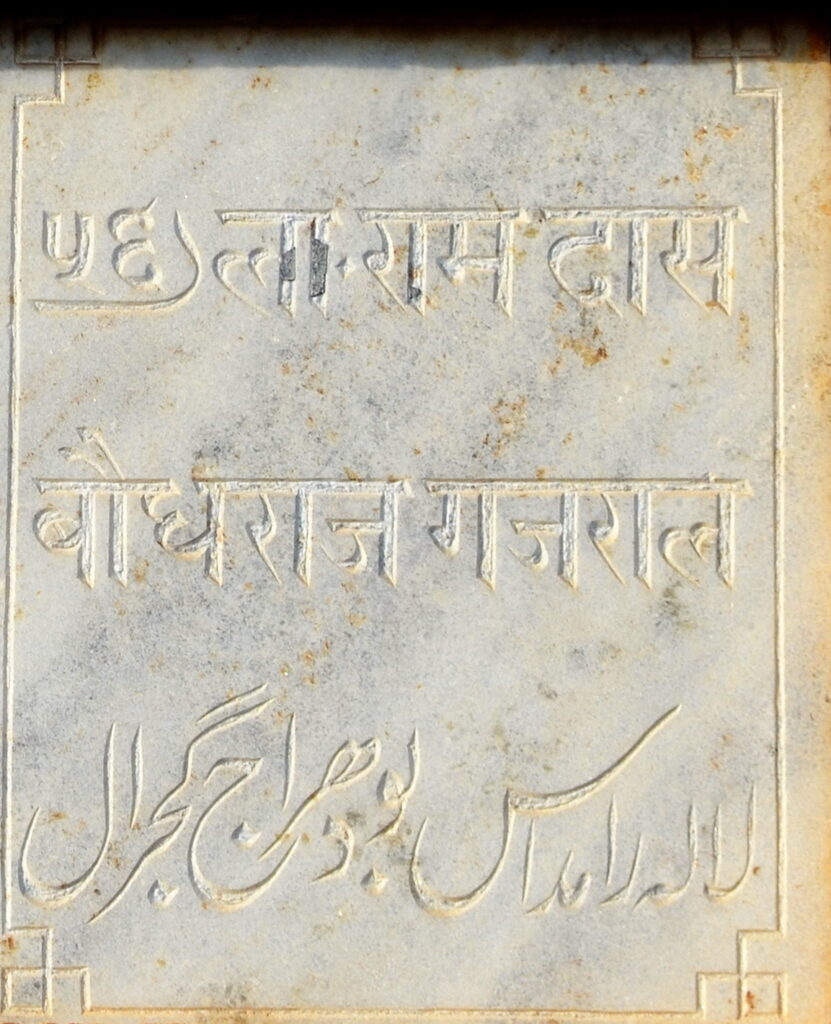
बोधराज ग्जराल
لالہ رامداس بودھراج گجرال
56 Rs Lala Ram Das Bodhraj Gajral
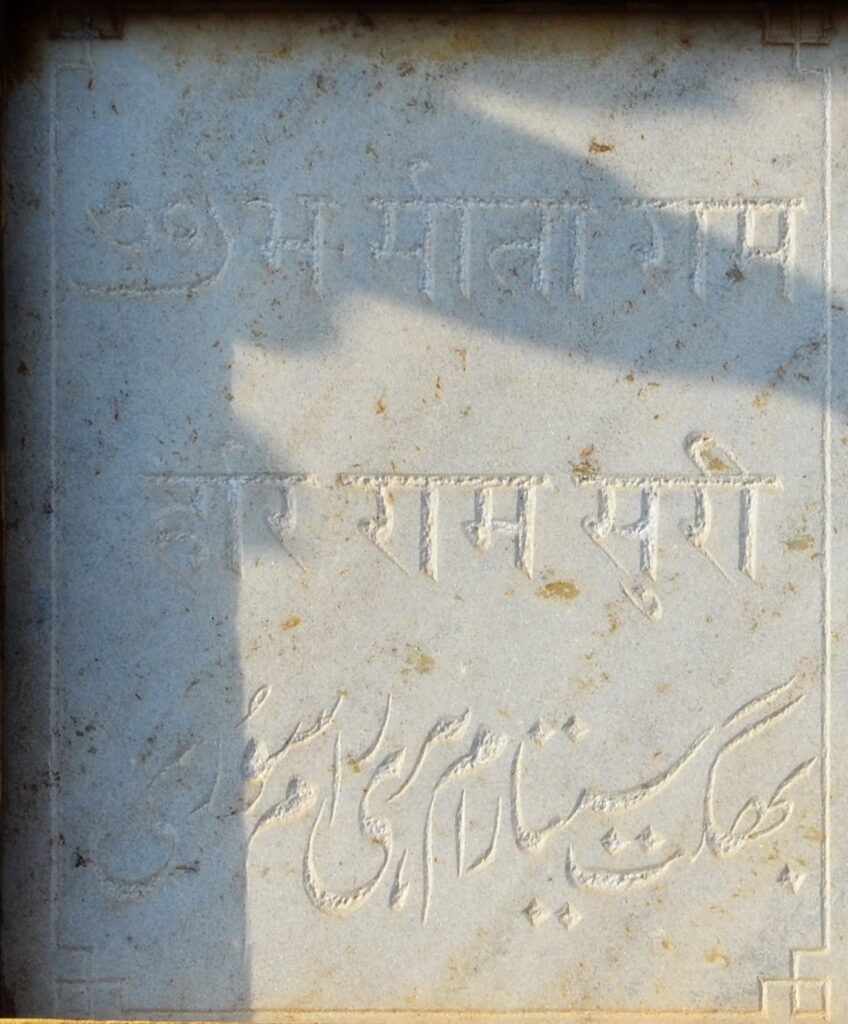
हरि राम सूरी
بھگت سیتا رام ہری رام سوری
70 Rs Bhakt Sita Ram Hari Ram Suri
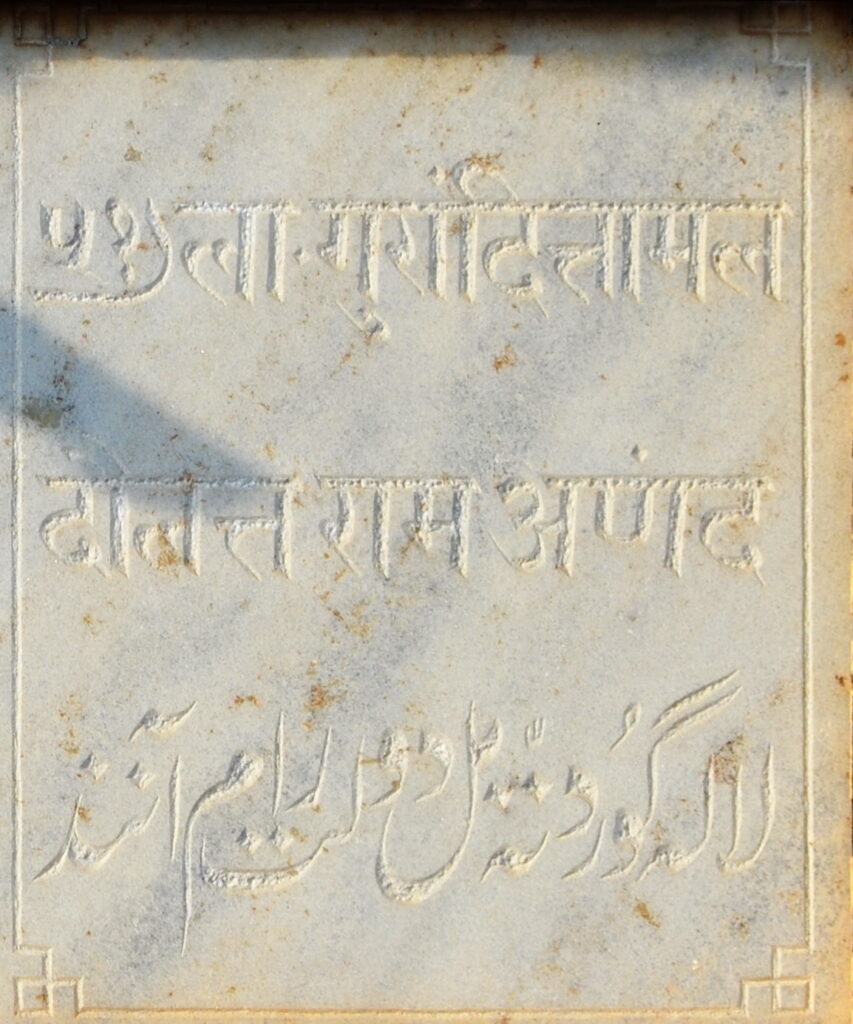
दौलत राम अणंद
لالہ گورد دِتّہ مل دولت رام آنند
51 Rs Lala Gurditta Mal Daulat Ram Anand
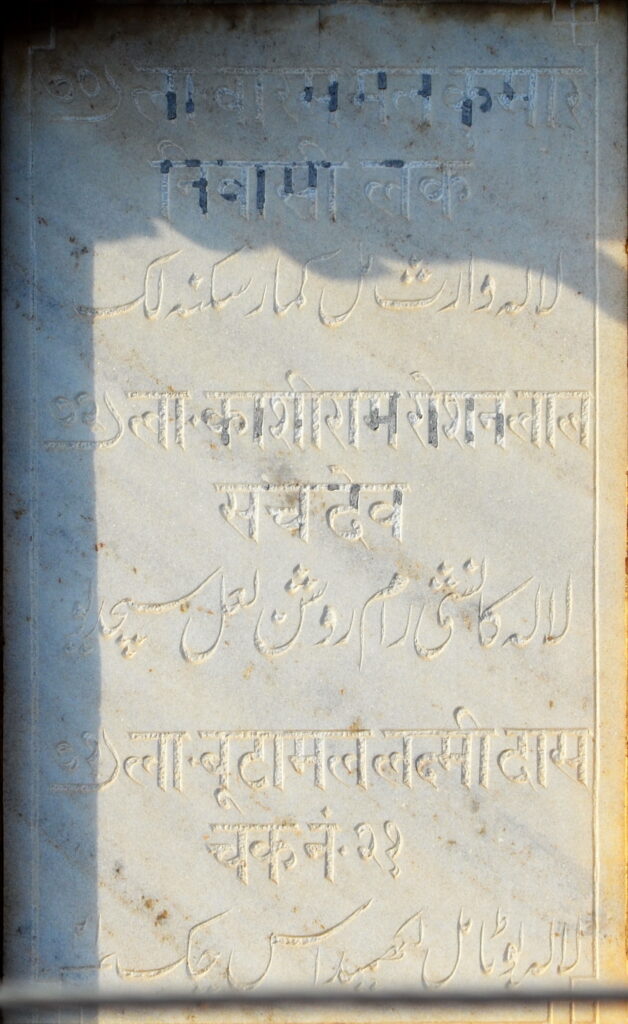
निवासी लक
لالہ وارث مل کمار سکنہ لک
७२ ला. कशीराम रोशन लाल
सचदेव
لالہ کانشی رام روشن لعل سچدیو
७१ ला. बूटा मल ल*मी दास
चक नं. २१
لالہ بوٹا مل لکھمیداس چک نمبر ۲۱
70 Rs Lala Waris Mal Kumar, resident of Lak.
Lala Kashi Ram Roshan Lal Sachdev
Lala Boota Mal Lakhmidas Chak No. 21
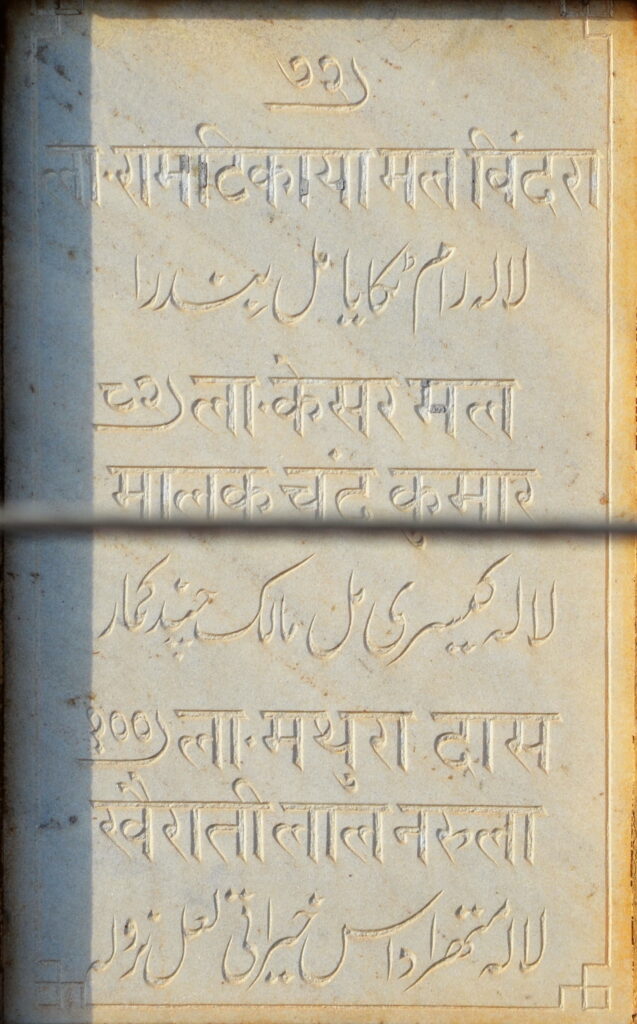
ला. राम टिकाया मल बिंदरा
لالہ رام ٹِکایا مل بِندرا
੮੨ ला. केसर मल
मालक चंद कुमार
لالہ کیسری مل مالک چند کمار
१०० ला. मथुरा दास
खैराती लाल नरूला
لالہ متھُرا داس خیراتی لعل نرولہ
72 Rs Lala Ram Tikaya Mal Bindra
82 Lala Kesri Mal Malak Chand Kumar
Lala Matura Das Kherati Lal Narula
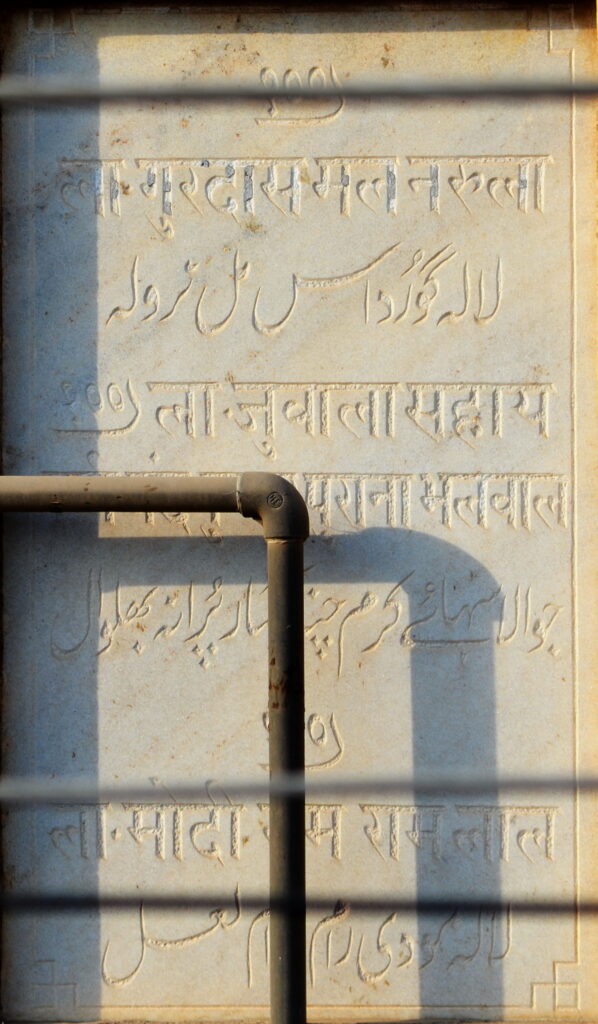
ला. गुरदास मल नरूला
لالہ گورداس مل نرُولہ
१०० ला. जुवाला सहाय
कर्म चंद कुमार पुराना भलवाल
جوالا سہائے کرم چند کمار پرانہ بھلوال
१००
ला. मोदी राम राम लाल
لالہ مودی رام رام لعل
100 Rs Lala Gurdas Mal Narula
100 Rs Lala Juwala Sahai Karm Chand Kumar, old Bhalwal.
100 Rs Lala Modi Ram Ram Lal
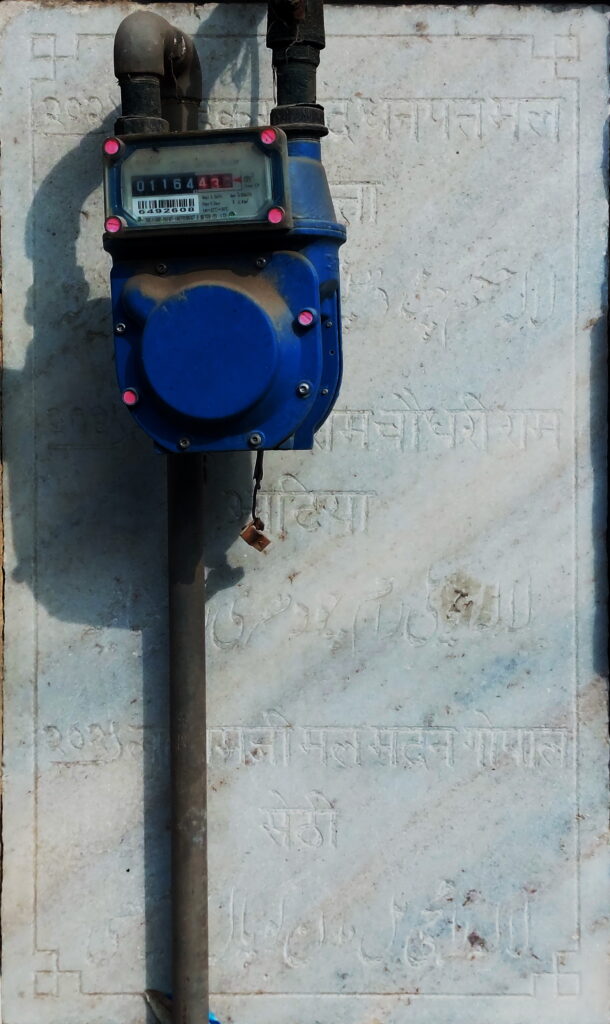
———-
202 لالہ حُکم چند دھنپت مل
२०२ लाला ——- राम चौधरी राम
भाटिया
202 لالہ ——- رام چودھری رام بھاٹیہ
२०२ लाला रामजी मल मदन गोपाल
सेठी
202 لالہ رامجی مل مدن گوپال سیٹھی
202 Rs Lala Hukam Chand Dhanpat Lal ——–
202 Rs Lala ——- Ram Chaudhry Ram Bhatia
202 Rs Lala Ramji Mal Madan Gopal Sethi
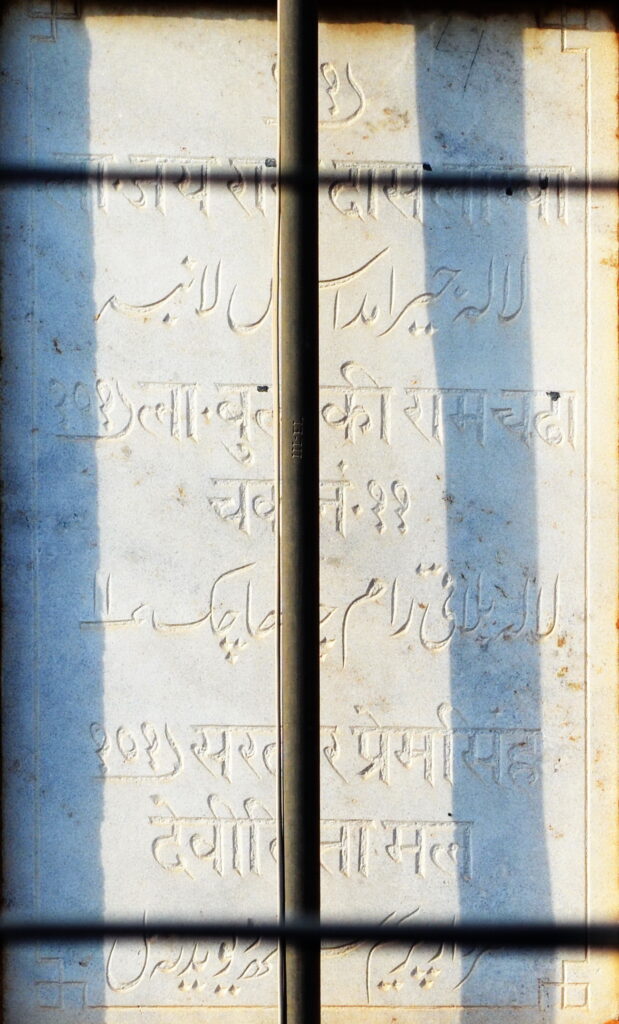
ला. जय राम दास लाम्बा
لالہ جیرامداس لانبہ
१०१ ला. बुलाकी राम चढा
चक नं. ११
لالہ بُلاقی رام چڈھا چک ۱۱
१०१ सरदार प्रेम सिंह
देवी दित्ता मल
سردار پریم سنگھ دیویدتہ مل
—- Rs Lala Jai Ram Das Lamba
101 Rs Lala Bulaki Ram Chadha Chak No. 11
101 Rs Sardar Prem Singh Devi Ditta Mal
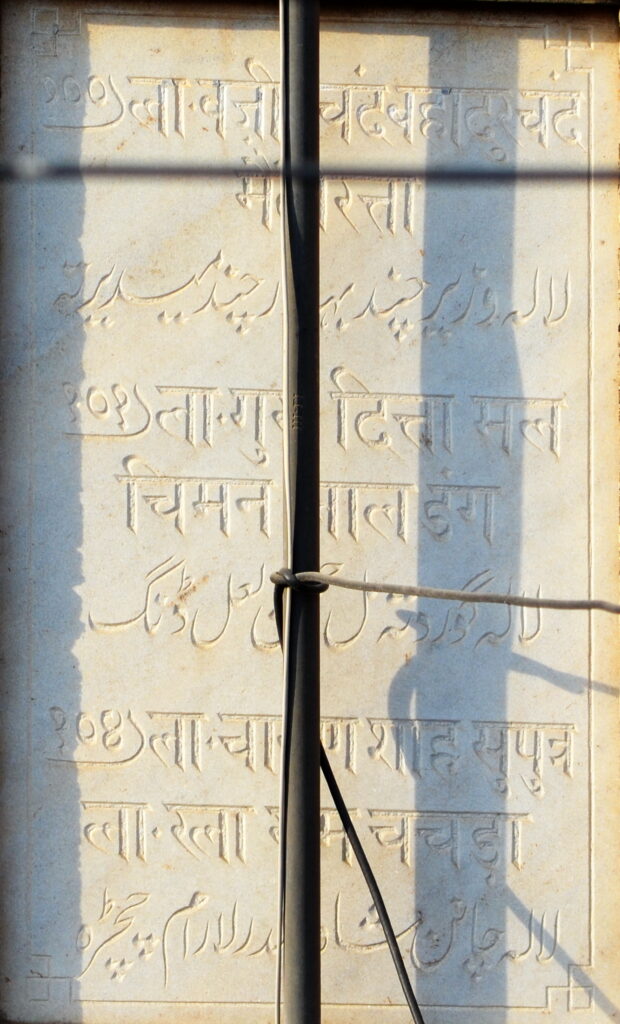
मैदीरत्ता
لالہ وزیر چند بہادر چند میدیرتہ
१०१ ला. गुर दित्ता मल
चिमन लाल डंग
لالہ گوردِتہ مل چِمن لعل ڈنگ
१०४ ला. चानण शाह सुपुत्र
ला. रला राम चचड़ा
لالہ چانن شاہ ولد رلا رام چچڑہ
100 Rs Lala Wazir Chand Bahadur Chand Mediratta
101 Rs Lala Gurditta Mal Chiman Lal Dang
104 Lala Chanan Shah s/o Ralla Ram Chachra
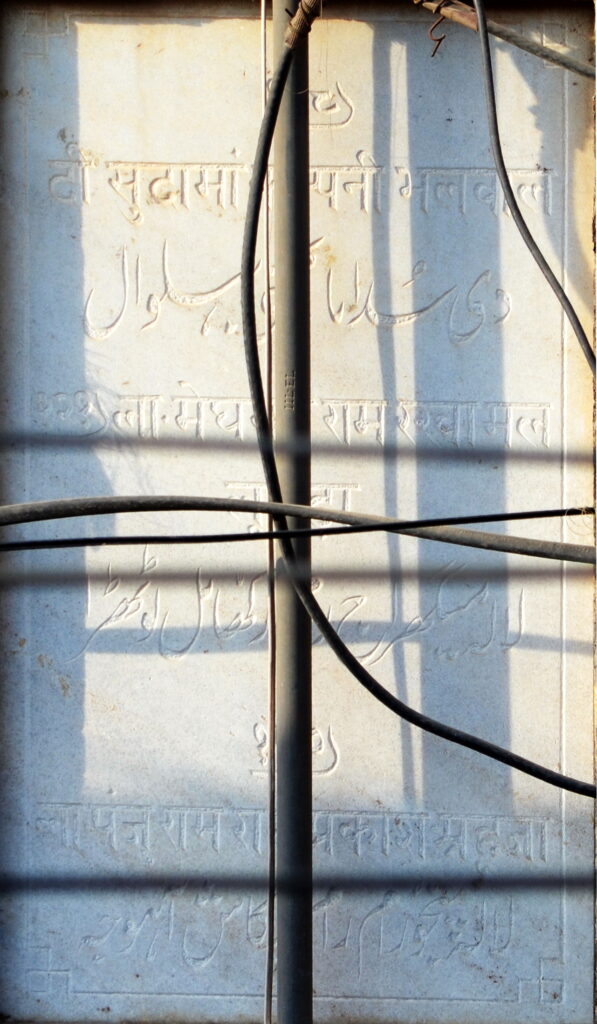
दी सुदामां कम्पनी भलवाल
دی سُداما کمپنی بھلوال
१२१ ला. मेघराज राम रखा मल
लुठड़ा
لالہ میگھراج رام رکھا مل لوٹھڑا
—- ला. पंजू राम राम प्रकाश आहूजा
لالہ پنجو رام رام پرکاش آہوجہ
The Sudama Company Bhalwal
121 Rs Lala Meghraj Ram Rkha Mal Luthra
Lala Panju Ram Ram Prakash Ahuja
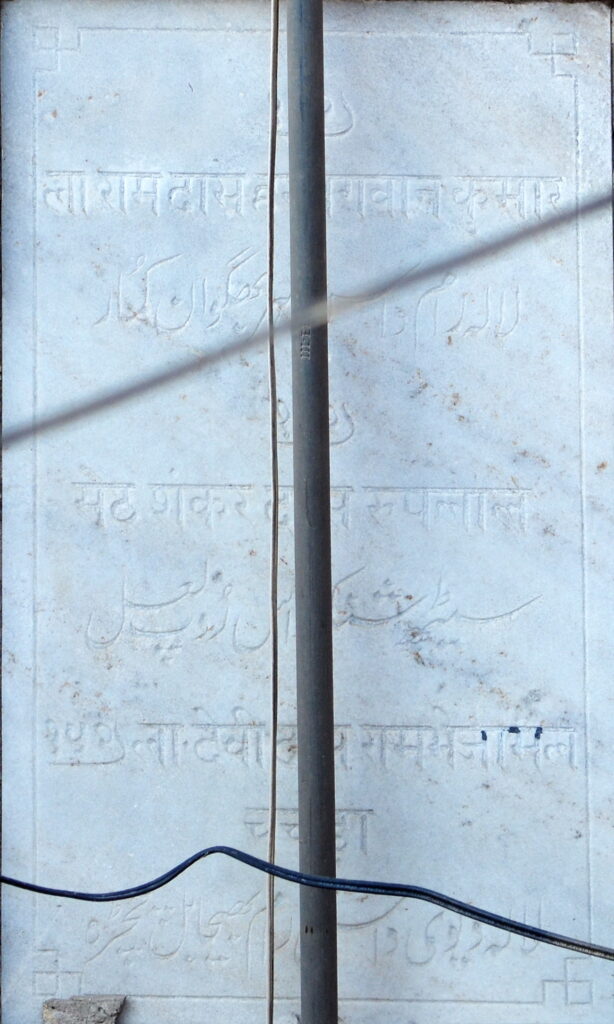
ला. राम दास हर भगवान कुमार
لالہ رام داس ہربھگوان کمار
—-
सेठ शंकर दास रूप लाल
سیٹھ شنکر داس روپ لعل
१५० ला. देवी दास राम भेजा मल
चचड़ा
لالہ دیوی داس رام بھیجا مل چچڑہ
—- Lala Ram Das Har Bhagwan Kumar
—- Seth Shankar Das Roop Lal
150 Rs Lala Dev Das Ram Bheja Mal Chachra
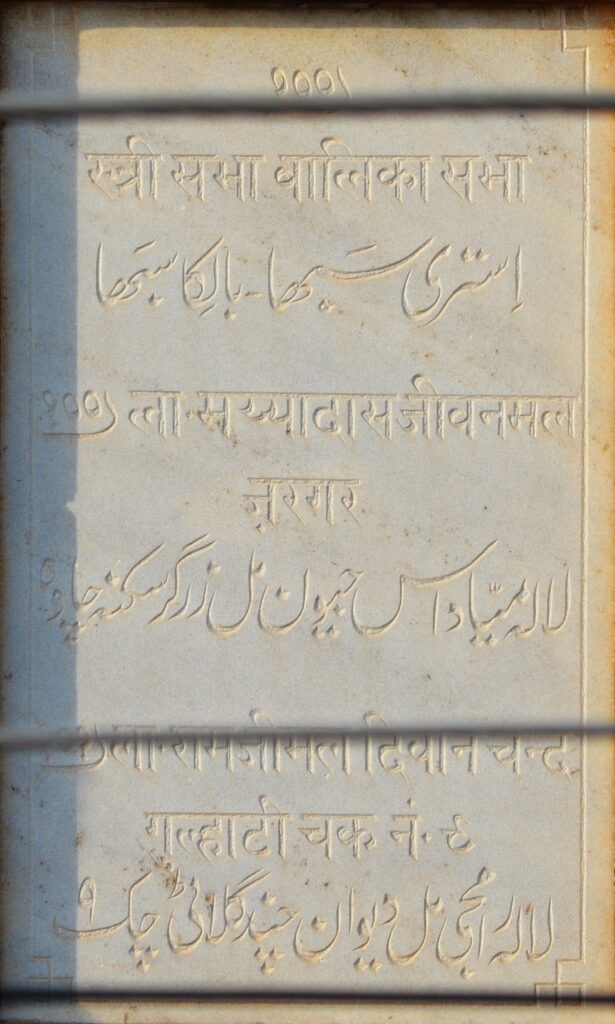
सत्री सभा बालिका सभा
استری سبھا بالیکا سبھا
१०० ला. मय्या दास जीवन मल
ज़रगर
لالہ میّا داس جیون مل زرگر سکنہ چاوہ
१०१ ला. रामजी मल दिवान चन्द
गुल्हटी चक नं. ੯
لالہ رامجی مل دیوان چند گُلاٹی چک ۹
100 Rs Women & Girls Association
100 Rs Lala Mayya Das Jiwan Mlar Zargar (Goldsmith) resident of Chawa
101 Rs Lala Ramji Mal Diwan Chand Gulahti, Chak No. 9
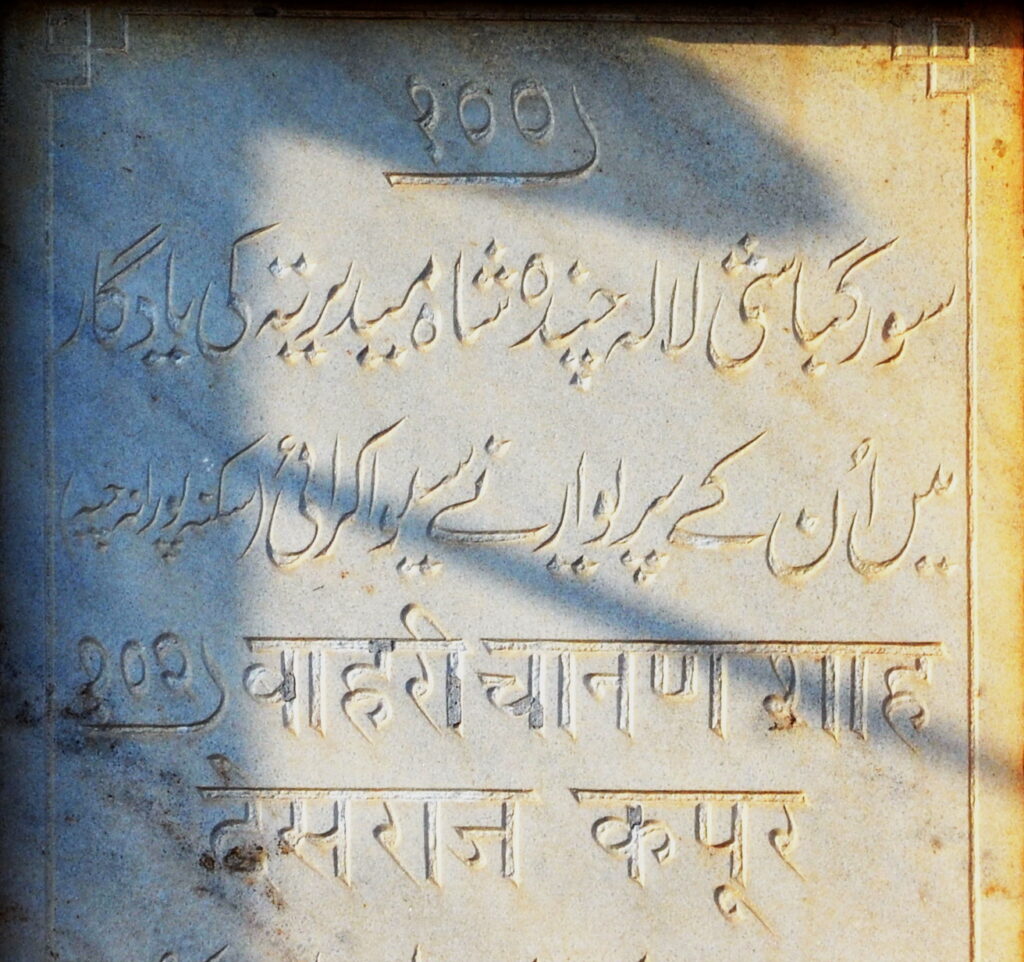
سورگباشی لالہ چندہ شاہ میدیرتہ کی یادگار
میں ان کے پریوار نے سیوا کرائی (سکنہ پورانہ چپہ)
१०२ बाहरी चानण शाह
देसराज कपुर
——————————–
सुवार्ग्बशी लाला चंदा शाह मेहंदीरत्ता की यादगार
में उनके परिवार न्य सेवा कराइ (सकना पुराना चपा)
201 باہری چاننڑ شاہ
دیس راج کپور
100 Rs Service rendered in memory of late Lala Chanda Shah Mehndiratta by his family (resident of Purana Chapa)
102 Rs Bahri Chanan Shah Des Raj Kapoor
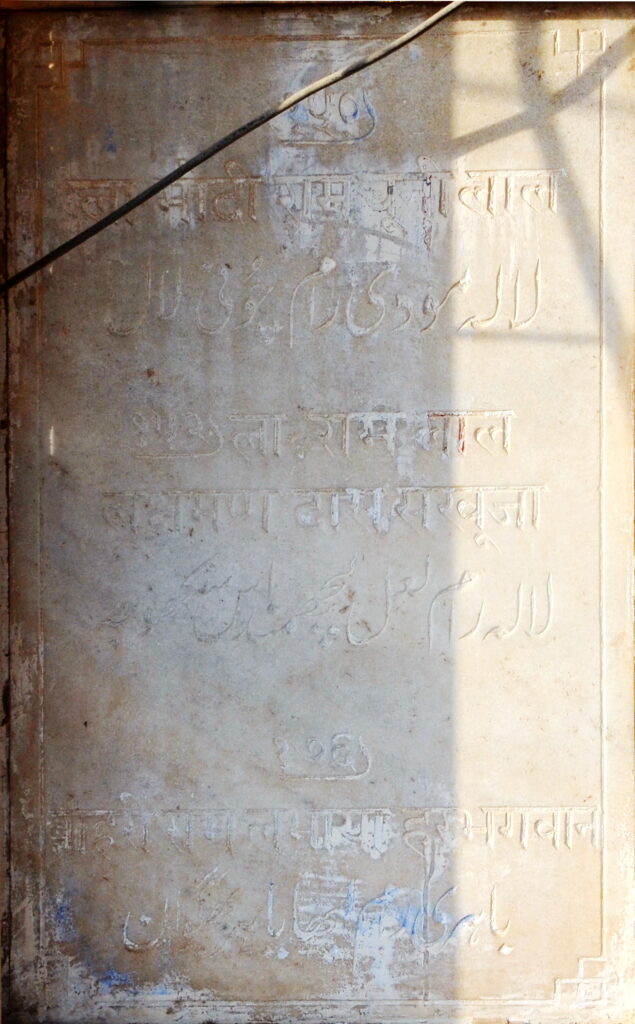
ला. मोदी राम चुनी लाल
لالہ مودی رام چونی لال
१५२ ला. राम लाल
लछमण दास सखुजा
لالہ رام لعل لچھمنداس سکھُوجہ
१७६
बहरी राम लभाया हरभगवान
باہری رام لبھایا ہربھگوان
100 Rs Lala Modi Ram Chuni Lal
152 Rs Lala Ram Lal Lachhmandas Sakhuja
176 Rs Bahri Ram Labhaya Harbhagwan
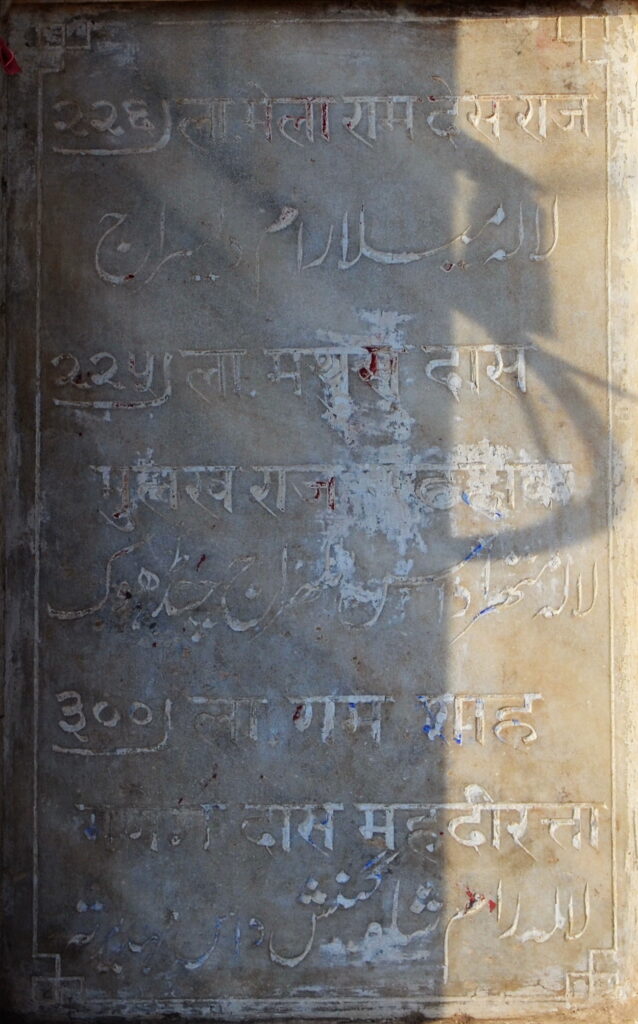
لالہ میلا رام دیسراج
२२५. ला. मथुरा दास
मुलखराज चन्डहोक
لالہ متھُرا داس مُلکھراج چنڈ ھوک
३०० ला. राम शाह
गणेश दास महदीरत्ता
لالہ رام شاہ گنیش داس مہدیرتہ
226 Rs Lala Mela Ram Des Raj
225 Rs Lala Mathura Das Mulkhraj Chandhok
300 Rs Lala Ram Shah Ganesh Das Mehdiratta
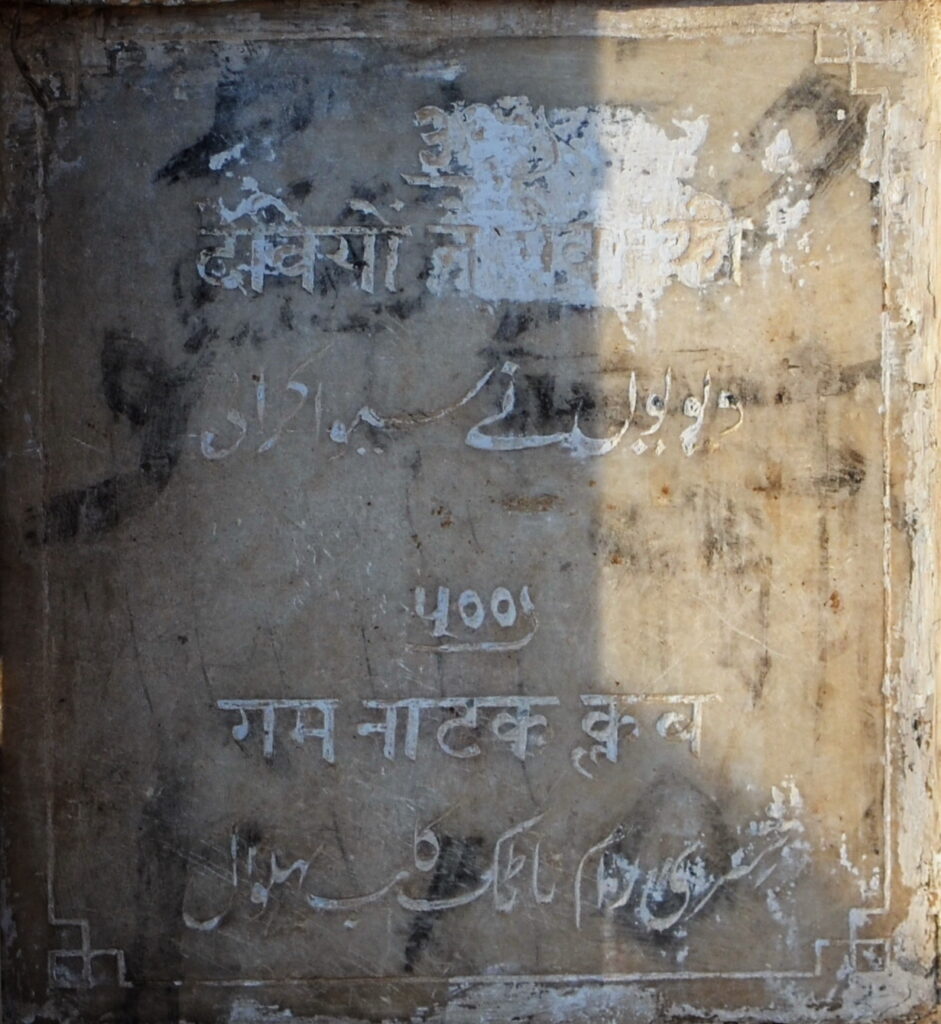
دیویوں نے سیوا کرائی
५००
राम नाटक कल्बकलब
سری رام ناٹک کلب بھلوال
Ladies rendered this service.
500 Rs Sri Ram Natak (Drama) Club Bhalwal
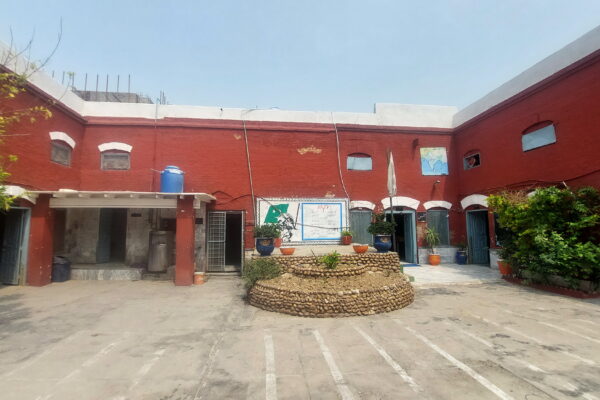
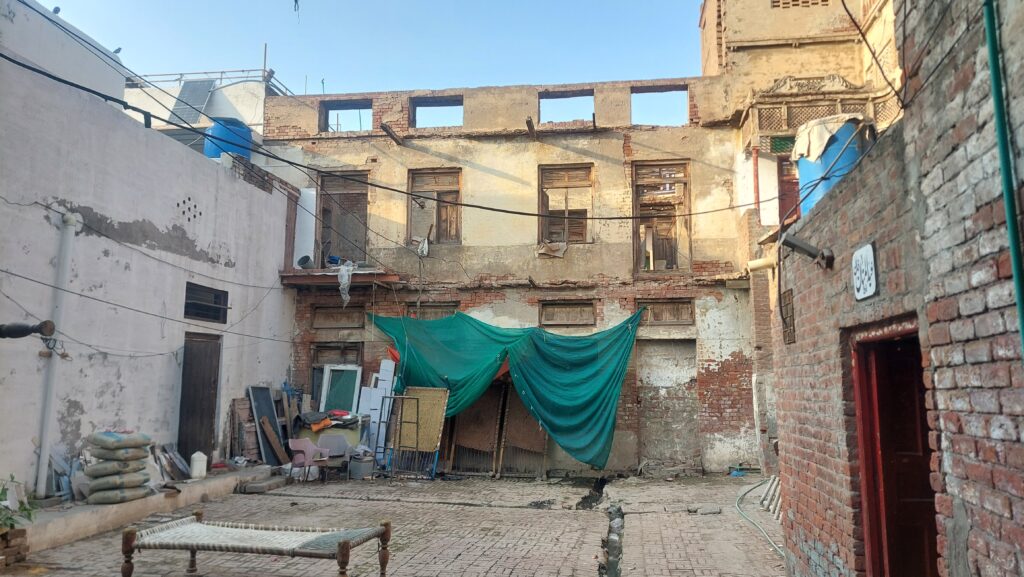
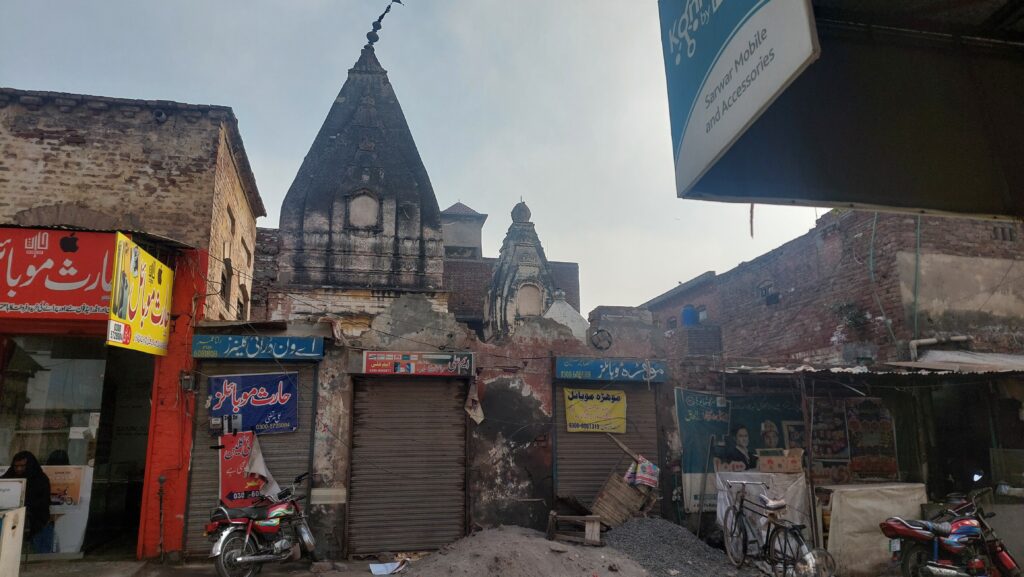
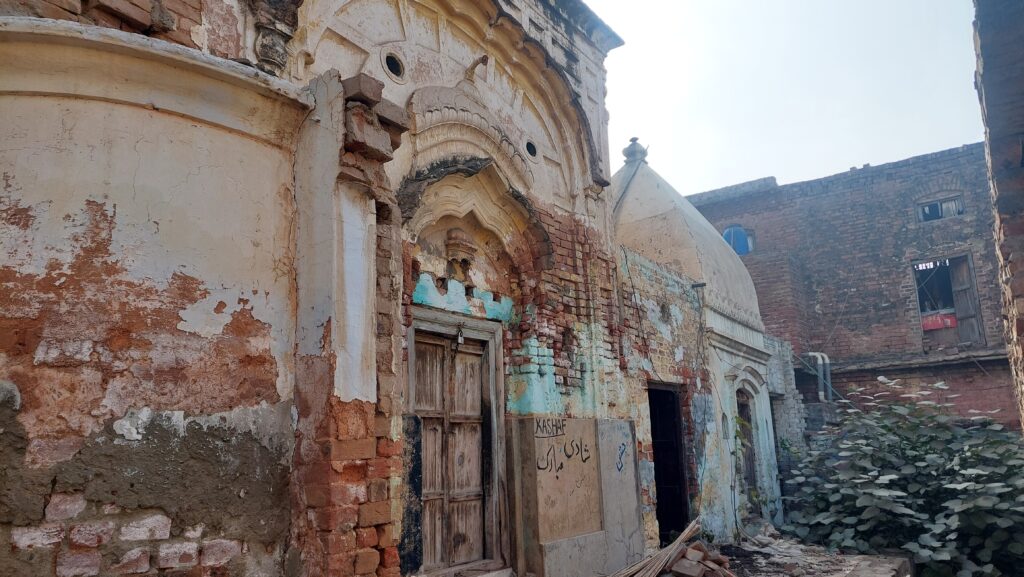
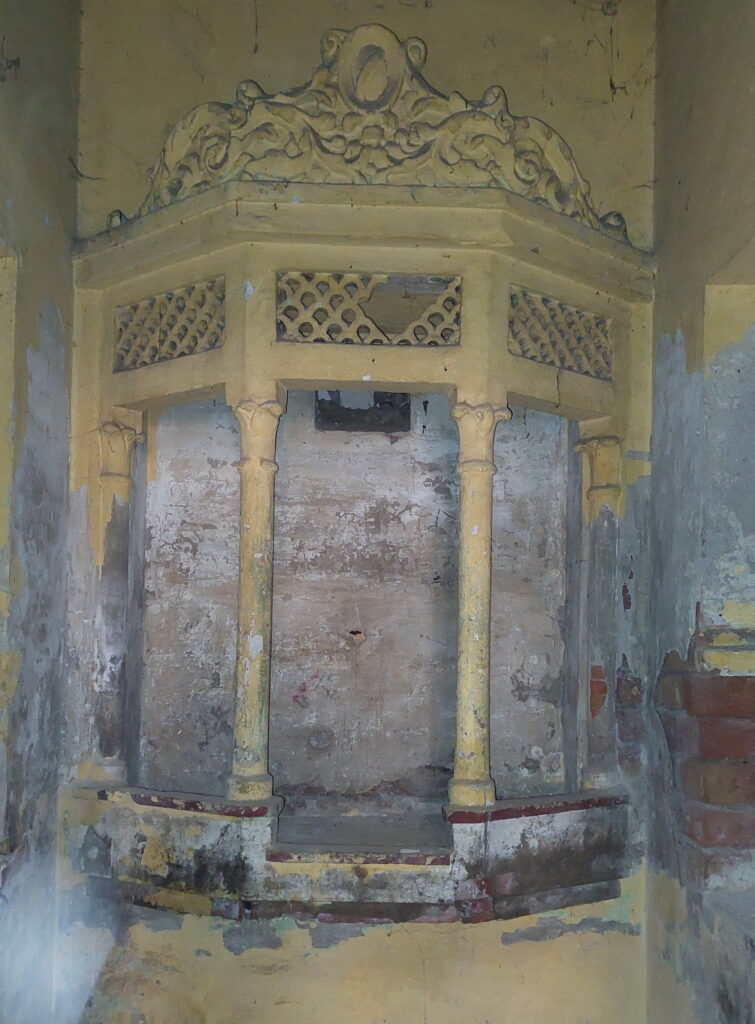
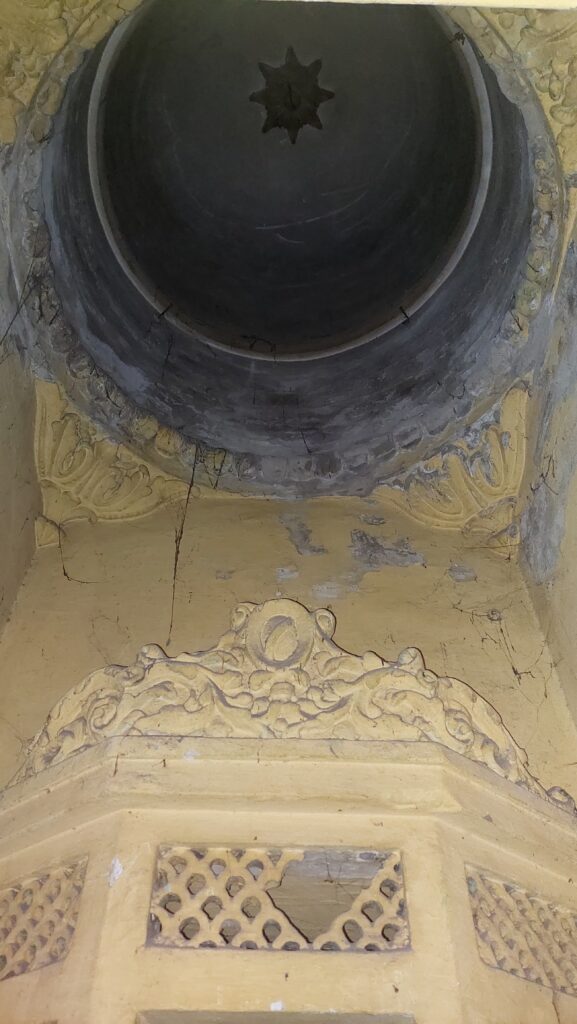
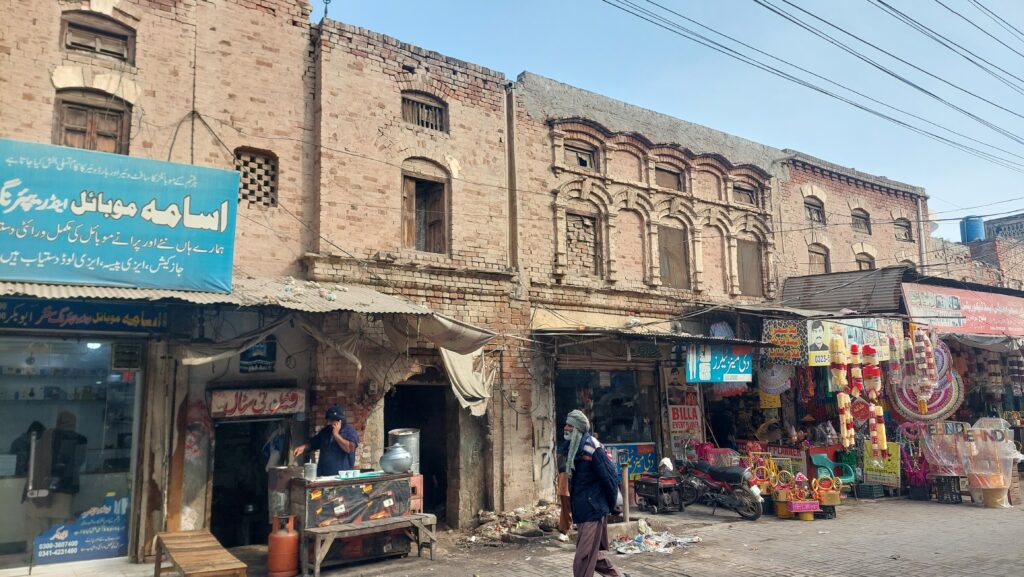
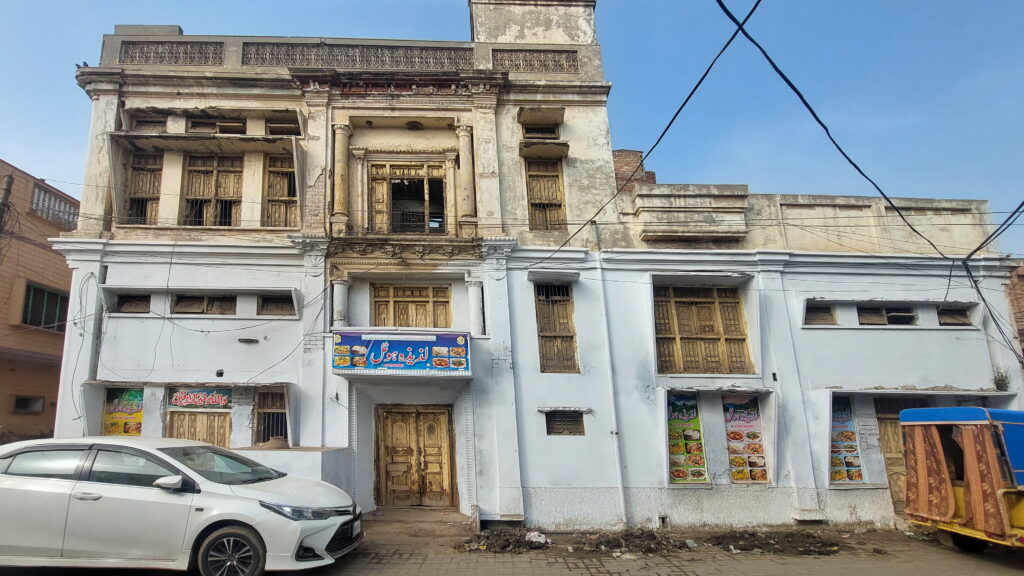
I have already mentioned above a temple complex that exists near the school; perhaps this whole block formed a single institute, managing a school, a temple, and perhaps some other related establishments as well. Some pictures given below will give you some idea. Sadly, however, it is being encroached upon, and parts of it have been damaged or torn down by the land-grabbing mafia. I visited it on 29 December 2024. At that time, a broken boundary wall let me approach the temple, though some shops were also under construction nearby. The next time I visited, on 25 June 2026, the complex was completely sealed off, and it was not possible to enter it.
A Forgotten Gurdwara:
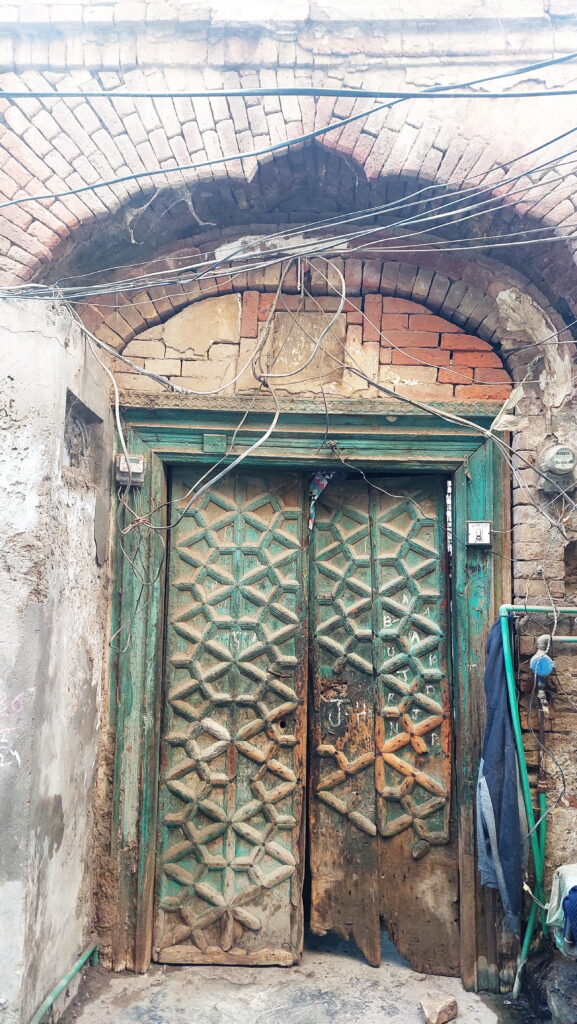
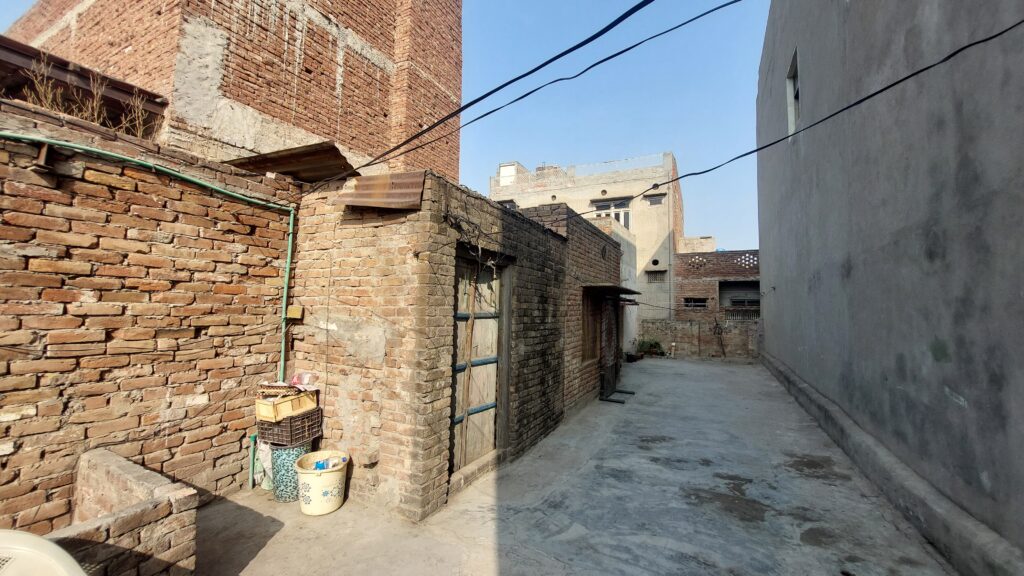
Somewhere in the alleys of Bhalwal, a gurdwara is lost to changing times and forgotten by most people. Surprisingly enough, some people led me to the right place. A person confirmed to me that a gurdwara once existed here, but now no traces of it can be found. The whole building has changed and been divided among many occupants. To satisfy my curiosity, the person took me to the roof of one of the houses to confirm that nothing remains of the old building — except one door, which he said was the original door of the gurdwara. Perhaps it was a small gurdwara, built in the shape of an ordinary house, catering to the needs of the small Sikh community. I have not heard of any other gurdwara in the city, though there are at least two large Hindu temple complexes in the city. The gurdwara existed at 32°15’55.49″N, 72°54’16.73″E.
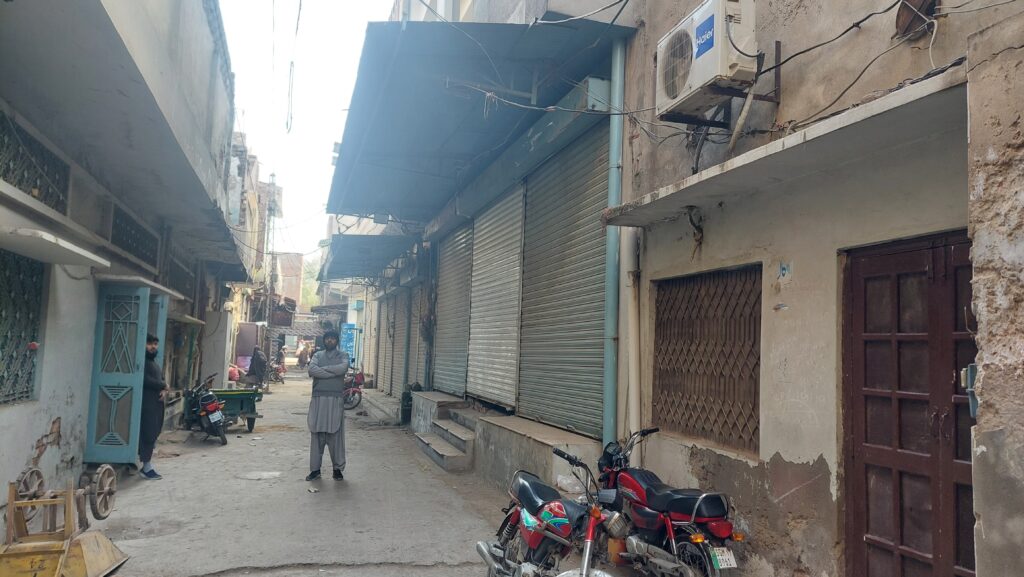
This is a beautiful building, but it is currently in very bad shape. Apparently, the concerned authorities are not paying much attention to it. Currently, it is occupied by some families, and the ground floor mostly consists of shops. For some time, it was also being used as a school. The roofs of a few rooms on the first floor have already collapsed. I hope the concerned authorities will change their attitude of negligence and restore this historic and beautiful building.
Tariq Amir
July 22, 2026.
Islamabad