138. Delhi: When it was a district of Punjab
For some readers, this title would be intriguing. After all what Delhi, the capital of India for many centuries, has to do with Punjab. Moreover, in the popular imagination, Delhi and Punjab do not have much common in language and culture (that’s too is a misconception). But there is one close connection, which I would…
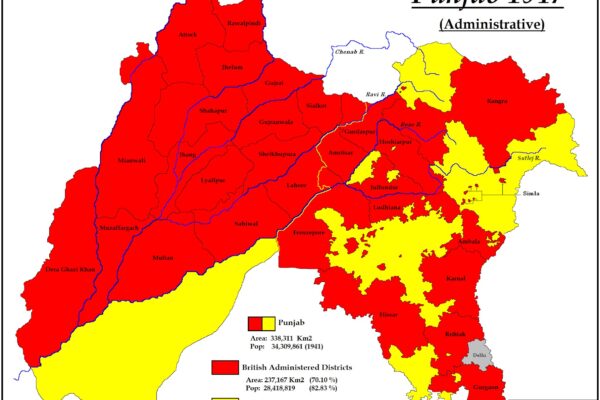
137. The Princely States of Punjab
The English reached the shores of India in 1608 at Surat. In 1612, the East India Company’s representatives met Emperor Jahangir and signed a commercial treaty. Gradually, they established “factories” (trading posts) at many places along the lengthy coast of India. For the next century, the British confined their activities to trade. However, by…
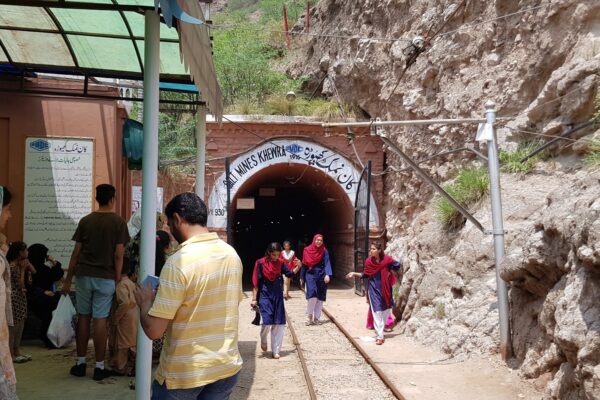
136. Khewra Salt Mines, District Jhelum, Pakistan!
Khewra is a town in the district of Jhelum, about five kilometers north of Pind Dadan Khan, at the foot of the Salt Range, or Kohistan-e-Namak as it is called in Urdu, i.e., “Land of Salt Mountains.” Whoever gave it this name could not have chosen a better one, because salt is found at dozens,…
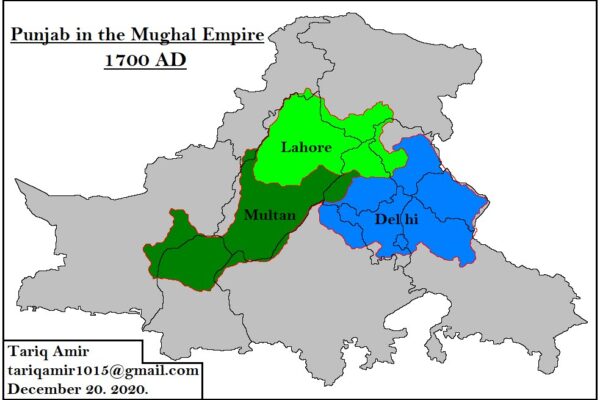
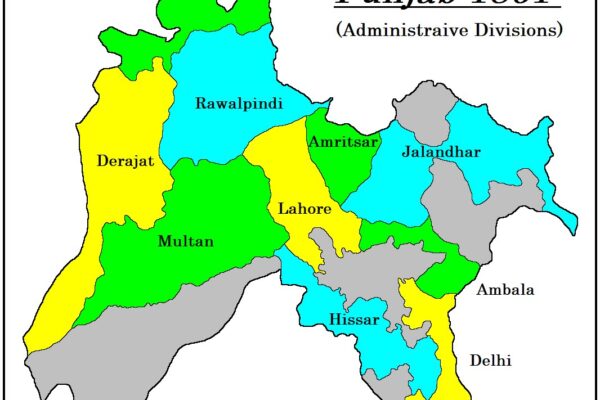
135. Everchanging Borders of Punjab (Historical Geography of Punjab)!
Punjab is a historically significant region in northern India, also known as Hindustan. The term Punjab, meaning “land of five rivers” in Persian, came into common use after the Muslim conquest of the region. Its natural boundaries are generally considered to be the Indus River in the west, the Yamuna River in the east, the…
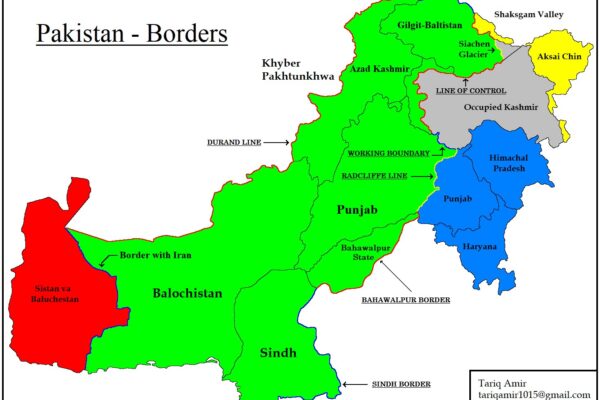
134. Borders of Pakistan
It is common knowledge that the state of Pakistan came into existence on 14 August 1947, following a long political struggle. Its creation was based on the two-nation theory, and on this principle, British India was divided into two separate countries. But have you ever wondered how and when the borders of this new state…
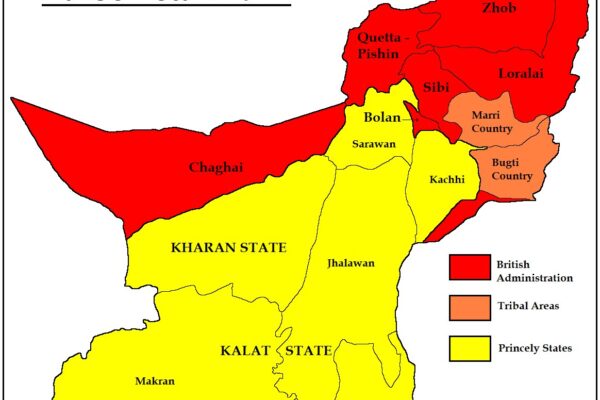
133. Demographics of Balochistan Province According to the Census of 1941 (Religions)
Balochistan (also spelled Baluchistan during the British Raj) was the farthest corner of the British Empire in India in every sense of the word. It was sparsely populated, far from the main centres of population, and located on the extreme western borders of India. The British began taking an interest in this area in the…

132. Rise of the Sikh Power in Punjab
A question often intrigued me: exactly when did the Sikhs conquer Punjab, i.e., in which year did Punjab fall to them? Gradually, I realized that it did not happen as a result of a single battle or war between two clearly identified adversaries, as, for example, we can mention the Third Battle of Panipat, the…
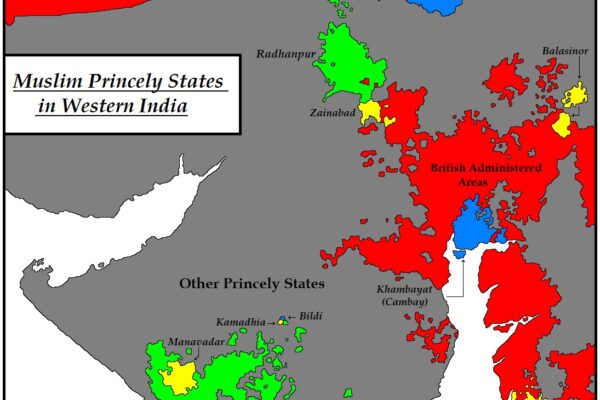
131. The Disputed States III: Junagadh
At the time of independence, as I have mentioned in my previous two posts, the issue of the accession of hundreds of princely states to India or Pakistan was very important and gave considerable trouble to both countries. In the previous two posts, I discussed some aspects of the Jammu & Kashmir and Hyderabad states….
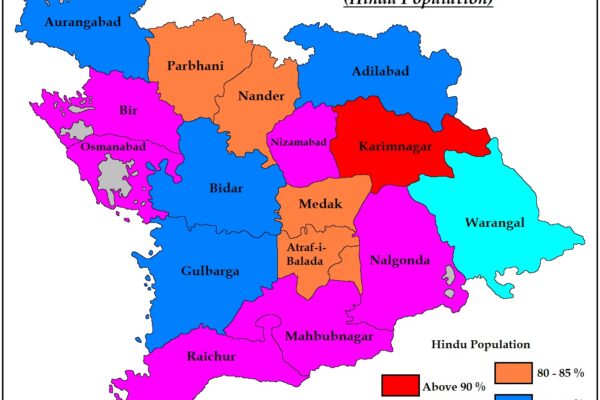
130. The Disputed States II: Hyderabad State (Demographics 1941)
At the time of independence and partition of India, after Kashmir, the princely state which gave the most trouble to India was the State of Hyderabad of His Exalted Highness the Nizam of Hyderabad, Nawab Mir Osman Ali Khan, Asaf Jah VII. Out of almost 565 states, Hyderabad gave the most trouble to India after…

129. The Disputed States I : Jammu & Kashmir (Demographics 1941)
At the time of independence in 1947, British India had almost 565 princely states, constituting 23% of the total population and covering nearly 40% of its area. These states varied greatly in size and population. The biggest in population was Hyderabad with a population of over 16 million, while Jammu & Kashmir was the largest…