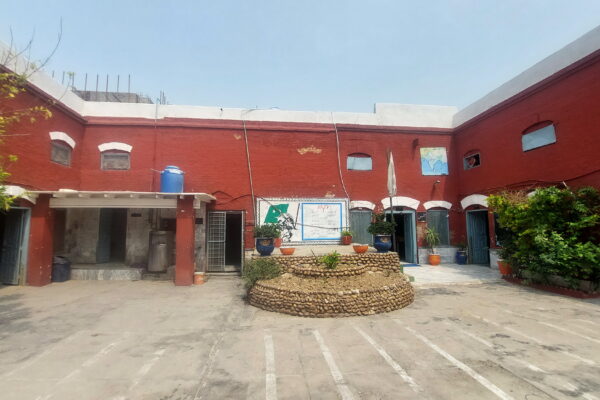
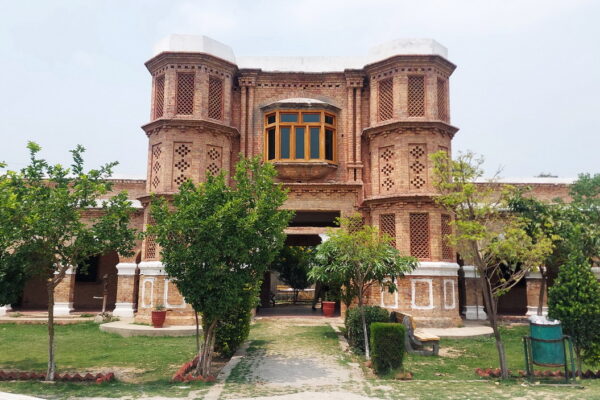
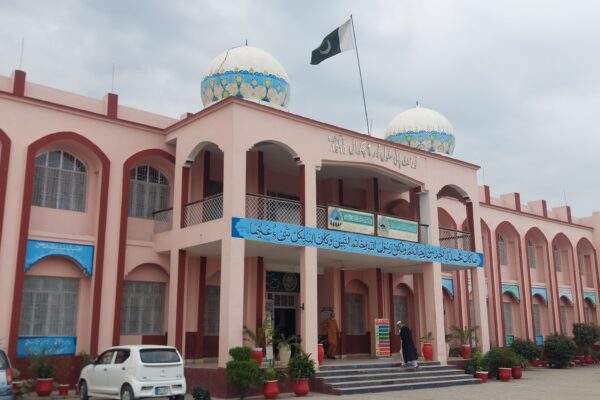

158. Forgotten Gurdwaras of Rawalpindi City
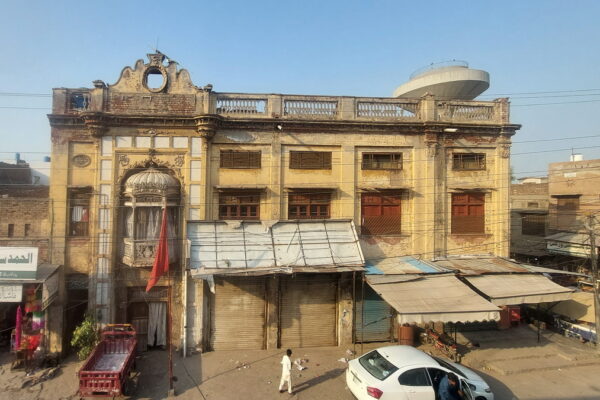
Before 1947, Hindus and Sikhs made up a large proportion of Rawalpindi’s population and owned much of the property in the city. Their presence is still reflected in the grand havelis, elegant houses, and bustling bazaars that survive from that era. Earlier this year, I made several visits to the old quarters of Rawalpindi and…
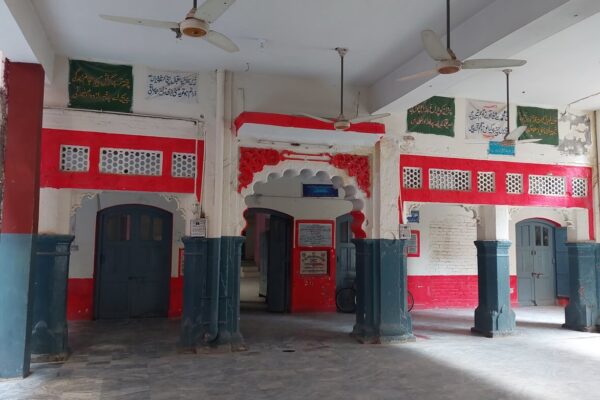
157. Gurdwara Singh Sabha (Rawalpindi)
In my previous article, I took you to the historic Gurdwara Narankari in Rawalpindi. In this article, we shall visit another prominent gurdwara of the city, Gurdwara Singh Sabha. It is located in Raja Bazar, one of the busiest areas of Rawalpindi. Today, a school named Zia-ul-Uloom for Boys operates in the building. The gurdwara…

156. Gurdwara Narankari (Rawalpindi)
Before 1947, Rawalpindi was a multi-religious city. A large number of Muslims, Hindus, and Sikhs lived together. The following table would give you an idea of the composition of the religious demographics: Total Muslims % Hindus % Sikhs % City 185,042 81,038 43.79 62,393 33.72 32054 17.32 Tehsil 380,395 261,720 68.80 68,389 17.98 40,224…

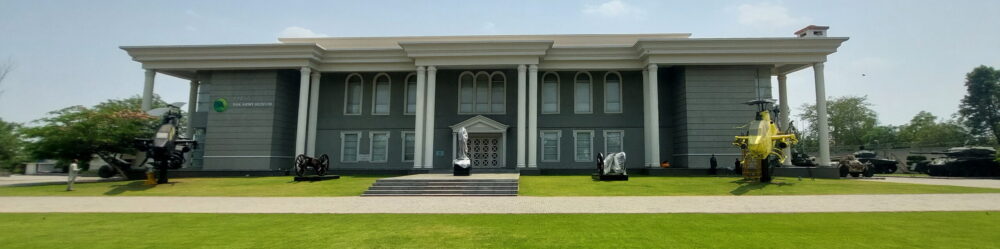
155. Heritage Museum Islamabad (Lok Virsa)
Islamabad, the beautiful capital of Pakistan, has many museums, and the biggest of them all is the Heritage Museum. Frankly speaking, I was not expecting much from my visit to the Heritage Museum. After all, what could be there on display—earthen pots, a few gaudy dresses, and perhaps some old-fashioned musical instruments? But I could…
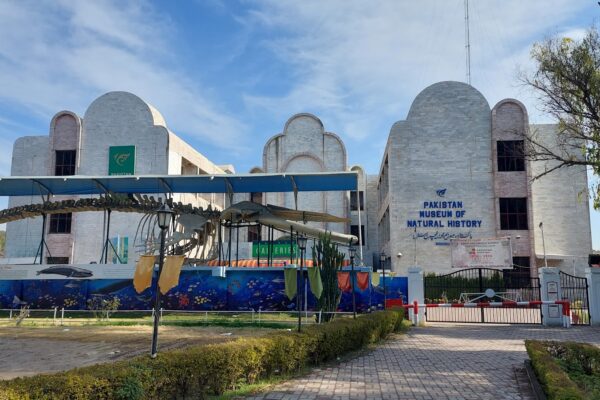
154. Pakistan Museum of Natural History – Islamabad
Islamabad has a lot to offer in terms of entertainment and recreation, like parks, monuments and museums. One can find something suitable to his/her age, tastes and inclination. However, I know a place that will excite and fascinate all of you, adults and children alike. It is the Pakistan Museum of Natural History, definitely a very…

153. Attock Khurd Railway Station
The British Raj began expanding in India in the mid-eighteenth century, and by the middle of the nineteenth century, they had completely subdued this vast land. It was a time of rapid change, not only in India but across the world. One of the most significant forces driving these changes was the Industrial Revolution, which…
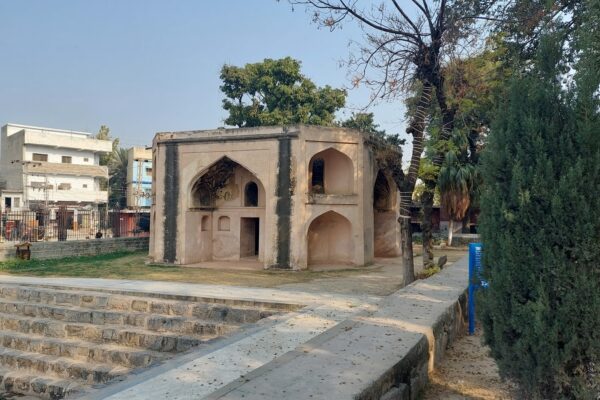
152. Hakimon ka Maqbara & Tomb of Lala Rukh – Hassan Abdal
Mughals ruled Punjab for a little over two centuries and left their indelible marks on the history, culture and architecture of this land. Mughals were very fond of beautiful palaces and gardens. Even the tombs constructed during that era are masterpieces of Mughal Architecture. Many such buildings and gardens exist in Pakistan. Though most of…
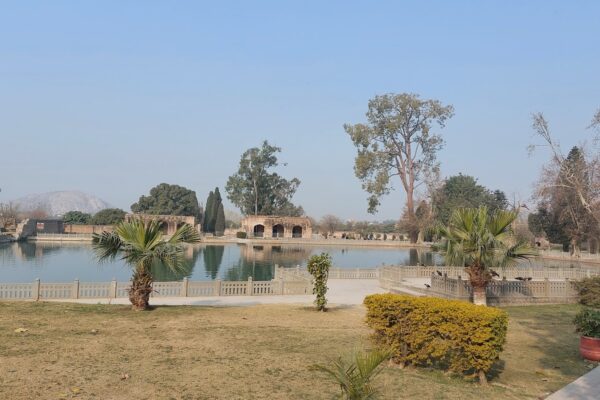
151. Mughal Gardens At Wah
About 40 kilometers from Islamabad, on the GT Road towards Attock, lies the famous Mughal Gardens. The garden is located near the old village of Wah at 33°48’05.0″N, 72°42’01.5″E. It is a vast garden covering an area of at least 15 acres. The Mughals were very fond of gardens, and during their long rule they…

150. Losar Baoli at Wah & a baoli at Hattian (District Attock)
The Grand Trunk Road is one of the most important highways in South Asia. It stretched from Bengal in the east to Kabul in the west, a distance of almost 2,400 kilometers. Its history is as long as its length, going back to the times of Chandragupta Maurya, who first built it along an ancient…
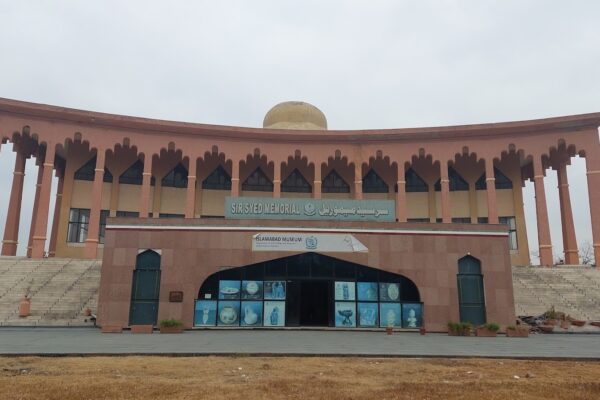
149. Islamabad Museum
Islamabad, the national capital of Pakistan, is counted among the beautiful capital cities. Once a small sleepy town, Islamabad over the decades has grown into a big vibrant city. Its natural beauty and greenery are the biggest charm. There are many beautiful parks, picnic spots, museums, and historic places. Today I shall take you on…