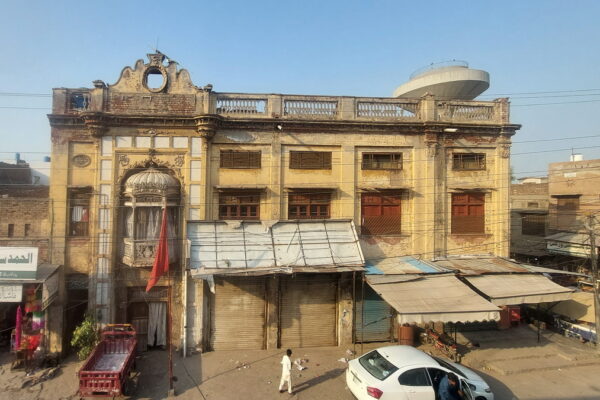
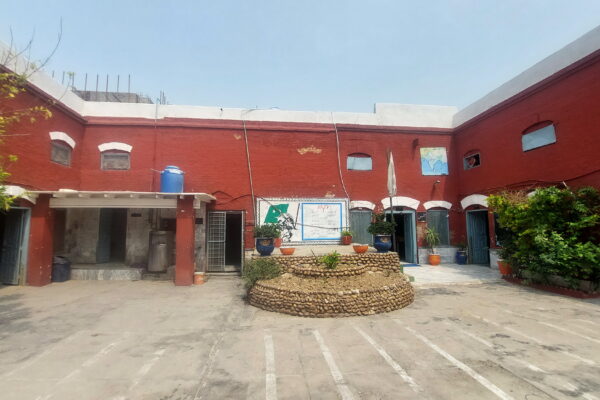
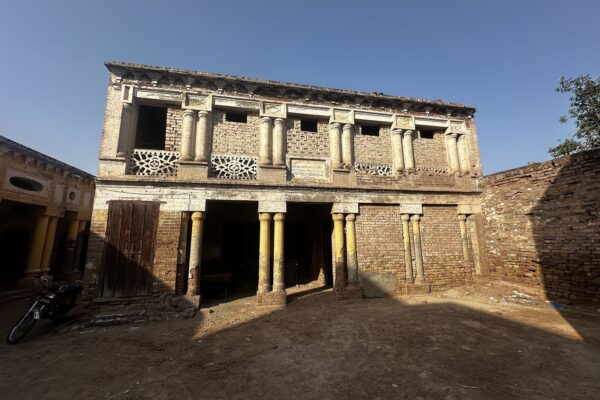
188. Arya Samaj Temple and a Janj Ghar (Wedding Guesthouse) in Khushab!
On September 20, 2025, I was wandering in Khushab in search of a few old buildings. A young man suggested that I meet Shehzad Aslam, who owns a shop in the main bazar. I met him, and indeed he turned out to be a man of extensive knowledge about the history of Khushab and its…
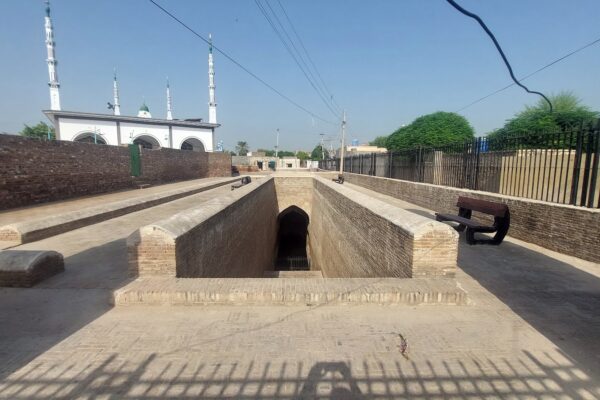
187. Baoli of Wan Bhachran! (District Mianwali)
Baolis, or stepwells, were a common feature of South Asian social life. Even today, thousands of baolis exist in India, some of them architectural wonders. In Pakistan, too, at least around two dozen baolis still exist. I have visited seven of them so far, and this baoli is the eighth one. You can find the…
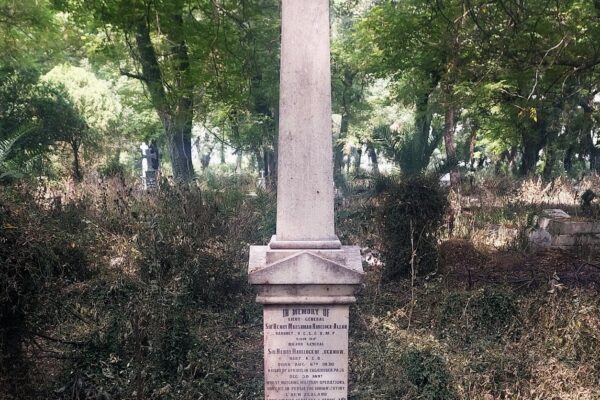
186. Grave of Lt. General Henry Marshman Havelock; Victoria Cross! (Rawalpindi)
The Victoria Cross (VC) is the highest military award given to a soldier for displaying extraordinary bravery and dedication to duty. In official words, it is awarded for: “…most conspicuous bravery, or some daring or pre-eminent act of valour or self-sacrifice, of extreme devotion to duty in the presence of the enemy…” It was named…
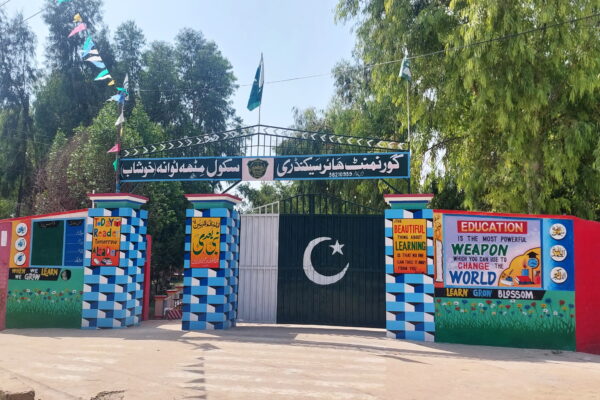
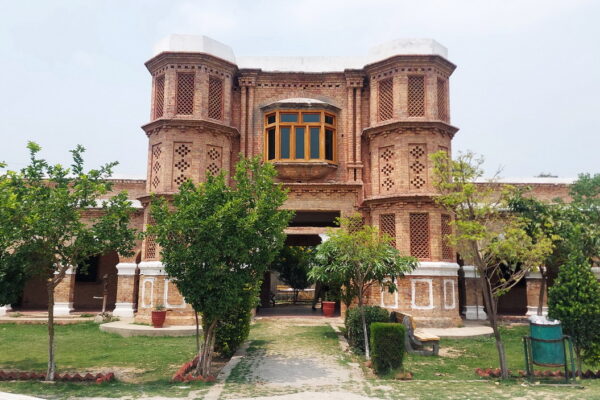
185. Sri Guru Nanak High School, Mitha Tiwana, Khushab! (Govt. Higher Secondary School, Mitha Tiwana)
Deep in rural western Punjab, in the district of Khushab, lies a town called Mitha Tiwana. Once, it was the stronghold of a small state ruled by the Tiwana clan, a clan that played a considerable role in the history of Punjab during the last two centuries. But that is not the subject of this…
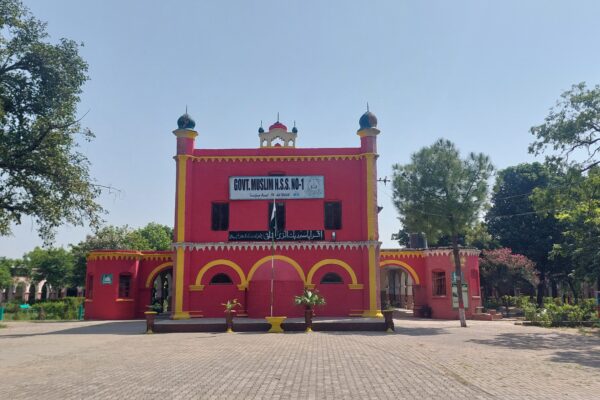
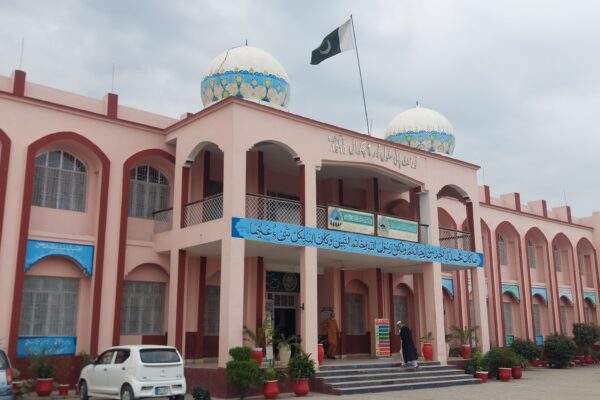
184. Khalsa High School, Rawalpindi ! (Govt. Muslim Higher Secondary School, No. 1, Saidpur Road, Rawalpindi)
The Sikh community, before partition, built many schools in this region to promote education, and their efforts deserve high appreciation and praise. A couple of them I have already visited. One such school is formerly Khalsa High School, Rawalpindi. It is a very famous school and its history too is widely known, due to the…

183. Gurdwara Akalgarh, Rawalpindi! (Govt. Muslim Elementary School, Gulshanabad.)
Before 1947, Sikhs formed a significant proportion of the population of Rawalpindi. According to the 1941 census, they constituted 17.32% of the population, while Hindus made up 33.72% and Muslims, being the largest community, 43.79%, out of a total population of 185,042. Naturally, all these communities had their places of worship in the city, including…
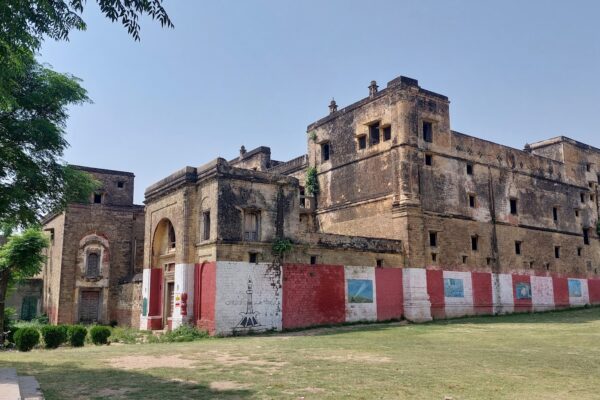
182. Bedi Palace (Bedi Mahal), Kallar Syedan, Rawalpindi!
In the beautiful region of Potohar in northern Punjab, there exists a small town amidst lush green fields and low hills. It is called Kallar Syedan. Before independence, it was likely referred to simply as Kallar. Its claim to fame, and to a place in history, lies in a magnificent haveli which, even after more…
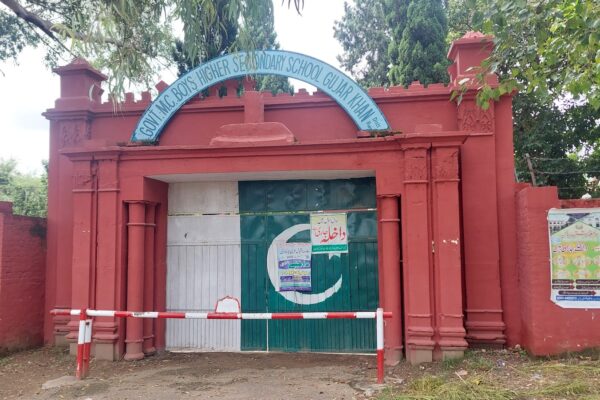
181. Govt. MC Boys Higher Secondary School, Gujar Khan. (Former Khalsa High School)
The Sikh Empire of Maharaja Ranjit Singh comprised Pakistani Punjab (excluding Bahawalpur), Bist Doab in Indian Punjab, Kashmir, parts of Himachal Pradesh, and a large portion of Khyber Pakhtunkhwa. This entire region fell to the British Indian Empire in 1849. The population of this region was largely Muslim, though Sikhs and Hindus also formed significant…
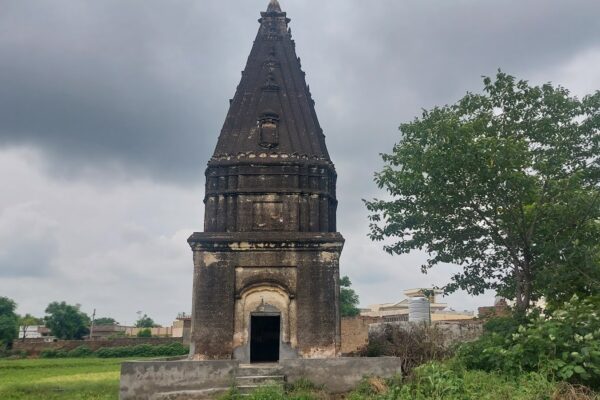
180. Two Temples and A Samadhi in Gulyana, district Rawalpindi.
Rawalpindi is a district in north Punjab, and geographically it is part of the famous Potohar Plateau, which has an ancient prehistoric archaeological history. Tens of thousands of years-old human settlements have been found here. For at least three millennia, it has been a centre of famous civilizations, Gandhara being one of the most famous…

179. Behram’s Baradari – Attock Khurd
Attock Khurd is a historic town, located at one of the most strategic points in South Asia, about 100 km west of Islamabad, on the Grand Trunk Road near the Indus River. The Grand Trunk Road, as all students of history know, is the most important highway of the Indian Subcontinent and has served as…